Topics

What Your Family Doesn't See: The Real Pillar and the Secret Destroying Your Teeth

What Your Family Doesn't See: The Real Pillar and the Secret Destroying Your Teeth

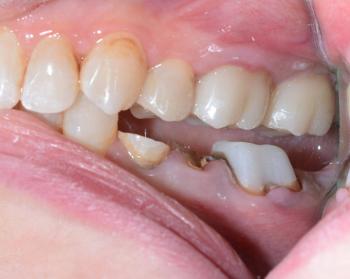
When we think of a "pillar of the family," we imagine a strong man, capable of facing any problem, always standing firm for his loved ones. But there is a secret battle happening at night, a symptom of this strength, that is literally destroying your teeth. This is not a story of aging; it is a story of stress.

Gum Disease in Cebu City

Gum Disease: A Common (and Stinky!) Problem in Cebu

(Sakit sa Gosok: Ngano Kadaghanan ang May Kalisod ani?)

"Naa kay bad breath bisan bag-o lang nanghinlo? Basin gum disease na na!"

Gum disease (sakit sa gosok or periodontal disease) is one of the most common dental problems in Cebu—and yes, it’s a major cause of bad breath (alimuot nga ginhawa). Worse, if ignored, it can lead to tooth loss (mahutdan ka’g ngipon!).

Why AI Adoption in Philippine Dental Education Is Still Slow

Why AI Adoption in Philippine Dental Education Is Still Slow

AI Is Growing Fast Worldwide

Artificial Intelligence is transforming dental education globally.

In countries like the United States, South Korea, Japan, and parts of Europe, AI is used for:

  • Digital radiograph analysis
  • 3D treatment simulation
  • Virtual patient training
  • Automated case assessment
  • Predictive diagnosis tools

Recent global reports show:

Tiny Worm Teeth: When Early America Believed Cavities Were Living Creatures

Topics: 

Tiny Worm Teeth: When America Believed Cavities Were Alive

Long before electricity lit homes or science explained disease, early Americans inherited an old belief that tooth pain came from tiny worms living inside the teeth. This idea, carried across oceans from Europe and the ancient world, shaped how people in the United States understood dental suffering for generations.

In colonial towns and frontier settlements, a throbbing tooth was not just decay—it was invasion.

Buccal Nerve Block Explained: How to Numb Mandibular Molars Perfectly

The buccal nerve block is a supplemental anesthetic technique primarily used to numb the buccal soft tissues in the mandibular molar region. While often overshadowed by the more commonly discussed inferior alveolar nerve block (IANB), the buccal nerve block plays a crucial role in ensuring patient comfort during procedures involving soft tissue manipulation near the mandibular molars and retromolar area.

The Magnetic Power of a Confident Smile: What Tiger Woods & Vanessa Trump’s Love Story Reveals About Attraction & Energy

Love, Confidence, and the Language of Smiles

Tiger Woods recently confirmed his relationship with Vanessa Trump, and one thing is undeniable—their chemistry radiates through their smiles. When they’re together, their full-toothed, beaming grins exude joy, confidence, and deep connection. But what makes their smiles so captivating?

From Labs to Smiles: How New York's Next Dental Revolution is Being Built in a Gel

For decades, a fundamental truth has shaped every trip to the dentist: once your tooth enamel is gone, it's gone for good. This has locked dentistry into a cycle of repair and replacement. Now, a groundbreaking scientific discovery promises to rewrite that reality, shifting the focus from managing damage to actively regenerating our teeth.

From Toothache to Tragedy: How a Simple Abscess Can Turn Deadly

You wake up with a throbbing toothache, but you brush it off—maybe it’s just a cavity, or perhaps it’ll go away on its own. What you might not realize is that an untreated dental abscess isn’t just painful; it can be life-threatening. Recent research highlights a terrifying reality: a tooth infection can escalate into sepsis, a deadly systemic response that can shut down your organs in a matter of days.

What if You Could Regrow a Lost Tooth? The Future of Dentistry is Here

Forget Implants: The Future of Dentistry is Regrowing Your Teeth

For centuries, the core principle of dentistry has been repair and replacement. A cavity? Fill it. A broken tooth? Crown it. A lost tooth? Bridge it or implant a metal post into your jawbone.

But what if we could change the very nature of dentistry? What if, instead of replacing what's lost, we could regrow it?

Pages