Because Every Tooth Deserves Care.

Recurrent Jawbone Infection With Facial Rash - Dental Case Analysis
Image:
Severity:
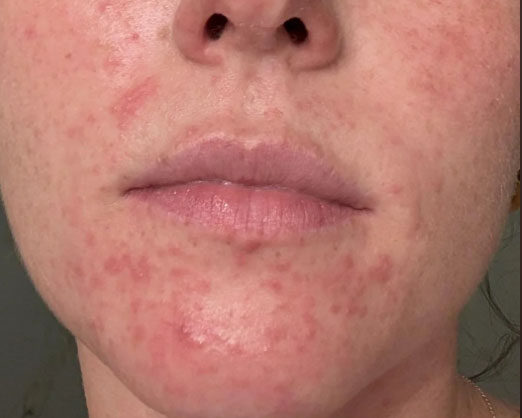
Dental Case Analysis – Recurrent Jawbone Infection With Persistent Facial Rash
Case Overview
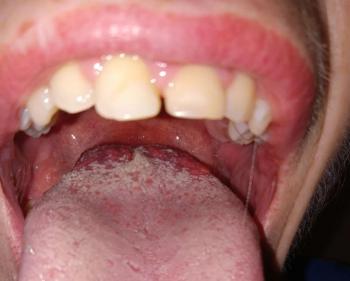
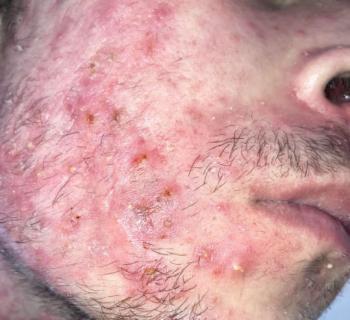
This case involves a patient with a history of bacterial infection in the lower jawbone affecting teeth 25 and 26, complicated by bone loss and incomplete root canal treatment due to canal calcification. Years later, imaging shows recurrent infection, alongside a persistent facial rash localized to the same area, causing emotional and physical distress.
Client History Summary
Dental History
-
Initial bacterial infection at roots of teeth 25 and 26 (5 years ago)
-
Bone loss caused by infection
-
Root canal treatment performed on both teeth
-
One tooth incompletely treated due to calcified canal
-
Six-month follow-up showed no active symptoms
-
Recent 3D scans show bacteria has returned with minor bone loss
-
Endodontist recommendation: apicoectomy
Current Symptoms
-
Persistent facial rash localized to lower face and chin
-
Redness, dryness, irritation
-
Rash described as chronic and emotionally overwhelming
-
Skin care limited to gentle cleanser, Aquaphor, and beef tallow
Deep Clinical Examination
Dental Findings
-
Chronic apical infection likely originating from the partially treated root canal
-
Calcified canal may harbor residual bacteria
-
Ongoing low-grade infection consistent with bone loss on imaging
-
Infection appears chronic rather than acute, explaining minimal dental pain
Facial Skin Findings
-
Rash distribution corresponds anatomically with infected jaw area
-
Appearance suggests chronic inflammatory response
-
Possible immune or inflammatory reaction triggered by long-term infection
-
Not uncommon for chronic dental infections to present extra-oral symptoms
Diagnosis
Primary Dental Diagnosis
-
Recurrent chronic apical periodontitis
-
Persistent periapical bacterial infection
-
Incomplete endodontic seal due to canal calcification
Secondary Consideration
-
Chronic inflammation possibly contributing to facial skin reaction
-
Dental infection acting as a long-term inflammatory stressor
Direct causation cannot be confirmed, but correlation is clinically plausible.
Time Frame to Heal
After Apicoectomy
-
Initial wound healing: 7–14 days
-
Swelling and inflammation reduction: 1–2 weeks
-
Bone healing begins: 4–8 weeks
-
Radiographic bone improvement: 3–6 months
Facial Rash Outlook
-
If infection contributes to inflammation, improvement may occur weeks to months after dental source removal
-
Persistent rash may still require dermatologic care
Process to Execute (14-Day Focus)
Days 1–3
-
Surgical consultation and CBCT review
-
Confirm apicoectomy necessity
-
Pre-operative infection management
Days 4–7
-
Apicoectomy procedure
-
Removal of infected root tip
-
Curettage of infected bone tissue
-
Retrograde root sealing
Days 8–14
-
Post-operative follow-up
-
Monitor pain, swelling, and healing
-
Observe changes in facial rash
-
Adjust care plan if symptoms persist
Issues That Will Scale Up If Untreated
-
Progressive jawbone loss
-
Chronic infection spread
-
Possible abscess formation
-
Increased surgical complexity
-
Tooth loss
-
Persistent systemic inflammation
-
Long-term skin conditions
Clinical Comments
Chronic dental infections can quietly affect the body beyond the mouth. Many patients report feeling isolated or unheard, especially when symptoms are visible and persistent. Addressing the infection source often brings both physical relief and emotional reassurance.
A team approach involving an oral surgeon and dermatologist is strongly recommended.
Find a Dental Clinic Near You
Search for a qualified dental clinic in your area:
https://cebudentalimplants.com/map-dental-clinic
Related Clinical Cases
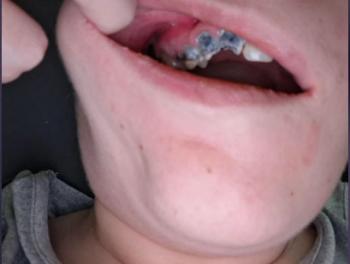
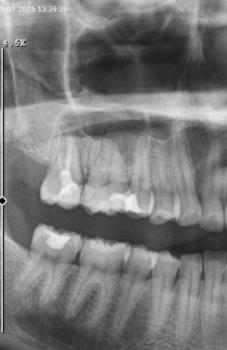
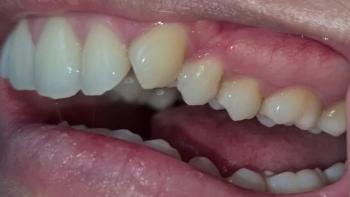
Patients with lower front gum inflammation may also experience tartar buildup, periodontal disease, gum abscesses, or tooth decay. Explore these related clinical case studies.



Other topics:
Other Dental Clinic
 |
 |
 |
 |