Your Smile, Our Passion.

Gum Abscess Near Back Tooth Case Analysis
Image:
Severity:
Teeth Problems:
Expert Dental Case Analysis: Gum Abscess Near a Back Tooth With Bleeding
Why a Swollen, Bleeding Gum Near a Molar Needs Attention
A swollen or bleeding area beside a back tooth may indicate gum inflammation, a periodontal abscess, a dental abscess draining through the gum, or irritation caused by trapped food. The exact cause cannot be confirmed from appearance alone.
As a dental case-analysis perspective, the most important clinical step is to identify where the infection originates. A periodontal abscess develops in the supporting gum tissues, while a periapical abscess usually originates from an infected tooth pulp and develops near the root tip. These conditions can look similar but may require different treatments.
Warning Signs of a Possible Gum Abscess
Patients should arrange an urgent dental assessment if they notice:
-
A painful, red or swollen gum lump near a back tooth.
-
Pus, a bad taste or persistent bad breath.
-
Bleeding when brushing or touching the affected gum.
-
Pain when chewing or biting down.
-
A tooth that feels loose or unusually sensitive.
-
Swelling that returns after pus drains.
Bleeding can also result from gingivitis or periodontitis without an abscess. However, bleeding combined with localized swelling, pus or increasing pain is particularly concerning and should not be ignored.
How a Dentist Determines the Cause
A dentist may examine the affected tooth and surrounding gum pockets, assess tooth mobility, test the tooth's response to stimuli and take dental X-rays when indicated. These investigations help distinguish gum disease from infection originating inside the tooth or another local problem.
A photograph alone cannot establish whether an abscess has reached the jawbone or determine the severity of the infection.
Treatment Options for a Gum Abscess
Treatment depends on the source of infection and the condition of the tooth.
1. Professional drainage and cleaning
A dentist may drain an accessible abscess and clean the affected area. Patients should never squeeze, puncture or cut the swelling themselves.
2. Periodontal treatment
If the infection originates in a periodontal pocket, treatment may involve professional cleaning beneath the gumline and management of the underlying gum disease.
3. Root canal treatment
If bacteria have infected the pulp inside the tooth, root canal treatment may be needed to remove infected tissue and preserve the tooth when it is restorable.
4. Tooth extraction
Extraction may be necessary if the tooth is too damaged or cannot be predictably restored.
5. Antibiotics when indicated
Antibiotics may be prescribed when there is spreading infection, systemic illness or another clinical indication. They are not a substitute for drainage or treatment of the infected tooth or gum source, and they are not routinely necessary for every localized abscess.
What to Do About Bleeding While Waiting for Dental Care
-
Brush gently with a soft-bristled toothbrush.
-
Rinse gently with warm salt water and spit it out.
-
Eat soft foods and avoid chewing on the affected side.
-
Avoid smoking and avoid pressing or repeatedly touching the swelling.
-
Do not put aspirin, alcohol or irritating substances directly on the gum.
-
Do not take leftover antibiotics or attempt to drain the abscess at home.
Arrange an urgent dental appointment, ideally the same day if an abscess is suspected. Home care may ease discomfort but cannot reliably eliminate the source of infection.
When Is It a Dental Emergency?
Seek emergency medical care immediately if swelling causes difficulty breathing or swallowing, spreads significantly into the face or neck, affects the eye, or is accompanied by severe difficulty opening the mouth. Fever, rapidly worsening swelling or feeling seriously unwell also requires urgent assessment.
Expected Healing After Treatment
Pain and swelling often begin to improve within a few days after effective treatment, but recovery varies according to the infection, the procedure and the patient's general health. Follow the treating dentist's instructions and attend any recommended review. Persistent or recurring swelling, bleeding or pus needs reassessment rather than simply waiting longer.
Professional takeaway: A bleeding gum near a back tooth should not automatically be labelled an abscess. However, when swelling, pus, tenderness or recurring symptoms are present, prompt examination is important to protect the tooth and surrounding tissues.
Medical disclaimer: This educational case analysis does not establish an individual diagnosis or replace an examination by a qualified dentist.
Gum Abscess Near Back Tooth and Tongue Irritation Case Analysis
What Is Seen in This Case
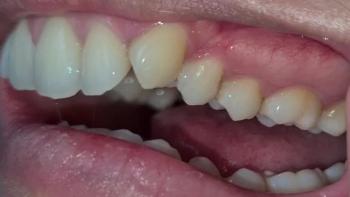
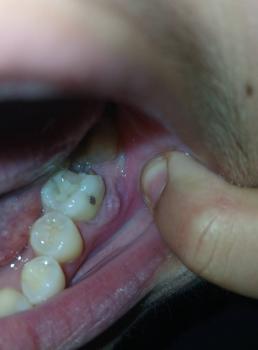
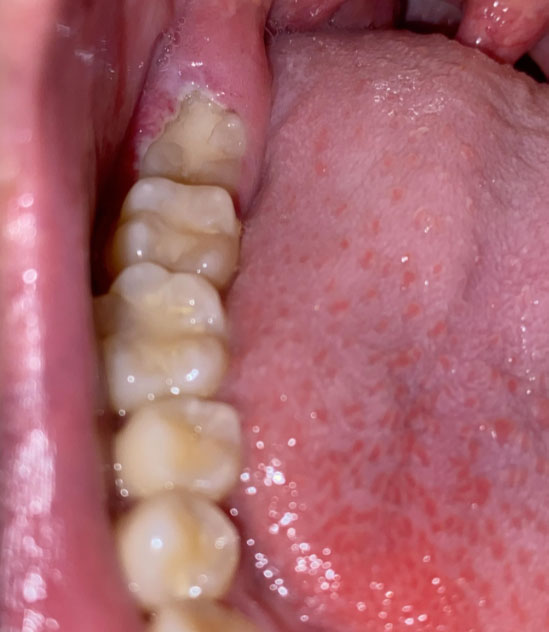
The image shows a localized swollen and red gum area near a lower back tooth, with signs of infection along the gumline. The tongue is positioned close to the affected area and appears irritated, likely due to contact with the inflamed tissue or drainage from the infection.
The tooth structure looks intact, but the surrounding gum tissue is clearly unhealthy.
Most Likely Diagnosis
Based on visual examination, the most likely conditions include:
-
Localized gum abscess near a molar
-
Bacterial infection trapped under the gum
-
Early periodontal infection
-
Irritation of the tongue due to proximity to infection
-
Risk of infection spreading to deeper tissues
A dental examination and X-ray are recommended to confirm the source.
What Causes This Type of Gum Abscess
Common causes include:
-
Food particles trapped under the gum
-
Plaque and tartar buildup near molars
-
Poor flossing around back teeth
-
Minor gum injury allowing bacteria to enter
-
Untreated early gum disease
Back teeth are difficult to clean, making them common sites for abscesses.
Is This a Serious Problem
Yes. A gum abscess is an active infection. If left untreated, it may scale up into:
-
Increasing pain and swelling
-
Pus formation and drainage
-
Bad taste or bad breath
-
Spread of infection to jawbone
-
Tooth loosening
-
Fever or facial swelling
Early treatment prevents complications.
Recommended Treatment Process
Initial Assessment (Days 1–3)
-
Dental examination
-
Gum probing and infection assessment
-
Dental X-ray if needed
Active Treatment Phase (Days 4–7)
Treatment may include:
-
Drainage of the abscess
-
Deep cleaning around the tooth
-
Treatment of the infected gum pocket
-
Antibiotics if infection is spreading
Healing and Follow-Up Phase (Days 8–14)
-
Swelling should reduce
-
Pain should improve significantly
-
Gum tissue begins to heal
Further periodontal care may be recommended.
Expected Healing Time
-
Pain relief: 2–4 days after treatment
-
Gum healing: 7–14 days
-
Full stabilization depends on infection severity
What Happens If Treatment Is Delayed
If delayed beyond 14 days, this condition may worsen and cause:
-
Larger abscess formation
-
Bone loss around the tooth
-
Tooth mobility or loss
-
Spread of infection to other oral areas
-
Emergency dental treatment
Prompt care is essential.
Home Care While Waiting for Treatment
These steps may reduce discomfort but do not cure infection:
-
Rinse gently with warm salt water
-
Avoid pressing the swollen area
-
Brush gently around the tooth
-
Avoid sugary and sticky foods
Seek dental care as soon as possible.
Professional Comment
This case shows a localized gum abscess near a lower molar, with early involvement of nearby soft tissues. Early drainage and cleaning usually result in good healing outcomes.
Visit a Dental Clinic Near You
For professional abscess treatment and gum care, visit:
https://cebudentalimplants.com/map-dental-clinic
Related Clinical Cases
Patients with lower front gum inflammation may also experience tartar buildup, periodontal disease, gum abscesses, or tooth decay. Explore these related clinical case studies.