Healthy Teeth, Happy Life.

When Do You Need a Dental Implant After Extraction? Iowa USA Dentist With 15 Years of Experience Guide
Language :
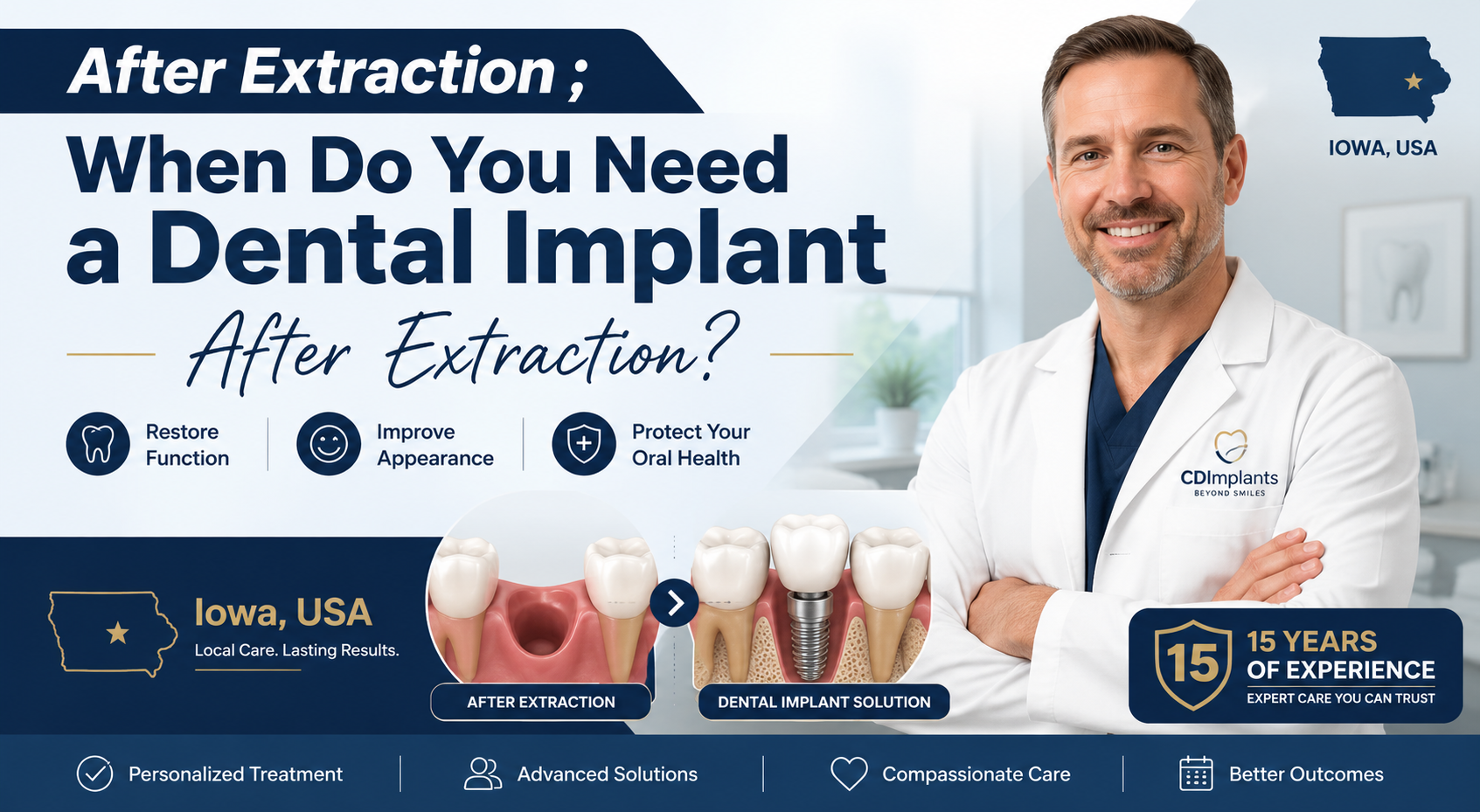
Losing a tooth can affect much more than your smile. After practicing dentistry in Iowa for 15 years, one of the most common questions patients ask after a tooth extraction is: “Do I really need a dental implant?”
The answer depends on your oral health, jawbone condition, healing process, and long-term dental goals. In modern USA dentistry, dental implants are considered one of the best long-term solutions for replacing missing teeth because they help restore chewing ability, maintain jawbone strength, and improve overall confidence.
Many patients delay treatment because they think a missing tooth is only a cosmetic problem. However, even one missing tooth can eventually affect the entire mouth. Teeth may begin shifting, bone can shrink, and chewing may become uneven over time.
This complete Iowa dental guide explains when you may need a dental implant after extraction, how long you should wait, healing timelines, implant benefits, recovery expectations, costs, risks, and practical advice from a dentist with 15 years of experience treating patients across the USA.
Why Replacing a Missing Tooth Matters
After a tooth is removed, the mouth immediately starts adapting to the empty space. Unfortunately, some of these changes can create future oral health problems.
A missing tooth may lead to:
- Jawbone shrinkage
- Shifting nearby teeth
- Bite imbalance
- Difficulty chewing
- Facial sagging
- Increased stress on surrounding teeth
- Changes in speech clarity
Even patients who lose a back molar may eventually notice chewing discomfort or uneven bite pressure.
Replacing missing teeth early can help reduce these complications.
What Is a Dental Implant?
A dental implant is an artificial tooth root placed into the jawbone to support a replacement tooth.
A complete implant restoration generally includes:
- Titanium implant post
- Connector abutment
- Custom dental crown
The implant integrates directly with the jawbone and functions similarly to a natural tooth root.
Unlike removable dentures, implants stay securely fixed in place and allow stronger chewing ability.
When Do You Need a Dental Implant After Extraction?
You may need a dental implant if:
- You want a permanent tooth replacement
- You want to prevent bone loss
- You have difficulty chewing
- You want a natural-looking smile
- You dislike removable dentures
- You want to protect nearby healthy teeth
- Your missing tooth affects confidence
Dental implants are especially useful for single missing teeth because they do not require altering neighboring teeth.
Common Reasons Teeth Are Removed
In my 15 years practicing dentistry in Iowa, the most common reasons for extraction include:
- Severe tooth decay
- Advanced gum disease
- Cracked teeth
- Failed root canals
- Dental trauma
- Severe infections
- Broken teeth below the gumline
Once extraction becomes necessary, replacing the missing tooth is often the next important discussion.
Why Bone Loss Happens After Tooth Extraction
One of the biggest reasons dentists recommend implants involves jawbone preservation.
Natural tooth roots stimulate the jawbone whenever you chew. After extraction, the bone no longer receives stimulation and slowly begins shrinking.
Bone loss may cause:
- Facial appearance changes
- Weakening of the jawbone
- Future implant difficulties
- Tooth shifting
- Bite problems
Bone shrinkage may begin within months after tooth removal.
Dental implants help reduce bone loss because they mimic natural tooth root stimulation.
Immediate Dental Implants
Some patients qualify for immediate implant placement.
This means the implant is placed the same day as the extraction.
Benefits of Immediate Implants
- Shorter overall treatment time
- Fewer surgeries
- Earlier bone preservation
- Faster cosmetic improvement
- Reduced healing periods overall
Limitations
Immediate implants are not ideal for everyone.
Certain problems may prevent same-day placement, including:
- Severe infection
- Bone damage
- Insufficient jawbone density
- Active gum disease
- Heavy smoking habits
Careful planning is essential for success.
Delayed Dental Implants
Sometimes waiting before implant placement is safer and more predictable.
Delayed implants may be placed:
- Several weeks later
- Several months later
- After bone graft healing
Dentists often recommend delayed placement when:
- Major infection is present
- Bone grafting is needed
- Gum healing is incomplete
- Surgical extraction was complex
Although treatment takes longer, delayed implants may improve long-term outcomes in difficult cases.
Immediate vs Delayed Implant Comparison
| Immediate Implant | Delayed Implant |
|---|---|
| Faster treatment process | Longer healing timeline |
| Fewer surgeries | Additional healing time |
| Earlier cosmetic restoration | Better for severe infection |
| Preserves bone earlier | More flexibility during healing |
| Requires healthy bone support | Useful for complicated cases |
Both approaches can achieve excellent results when carefully planned.
Signs You May Need an Implant Soon
Some patients wait too long before replacing missing teeth.
Warning signs include:
- Difficulty chewing
- Teeth shifting position
- Bite discomfort
- Jawbone shrinkage
- Sunken facial appearance
- Increased pressure on remaining teeth
- Smile confidence problems
Early implant treatment often prevents more complex procedures later.
Can You Wait Years Before Getting an Implant?
Yes, but delaying treatment may create additional complications.
Possible problems include:
- Severe bone loss
- Gum recession
- Tooth movement
- Bite collapse
- Greater need for bone grafting
- Higher treatment costs later
Many patients still successfully receive implants years later, but treatment may become more complicated.
What Is Bone Grafting?
A bone graft rebuilds lost jawbone before implant placement.
Bone grafting may be recommended after:
- Long-term tooth loss
- Severe infection
- Trauma
- Advanced gum disease
- Major bone deterioration
The graft strengthens the jawbone and improves implant support.
Bone Graft vs No Bone Graft Comparison
| Bone Graft Needed | No Bone Graft Needed |
|---|---|
| Bone loss present | Healthy bone available |
| Longer treatment process | Faster implant placement |
| Additional healing required | Simpler procedure |
| Higher overall cost | Lower complexity |
How Long Does Implant Healing Take?
Healing occurs gradually in stages.
Average Implant Healing Timeline
| Healing Stage | Typical Time |
|---|---|
| Initial gum healing | 1–2 weeks |
| Early bone healing | Several weeks |
| Osseointegration | 3–6 months |
| Final crown placement | After full integration |
Healing speed varies depending on overall health, smoking habits, and oral hygiene.
What Is Osseointegration?
Osseointegration is the process where the jawbone bonds directly to the implant surface.
This creates:
- Strong implant stability
- Long-term support
- Better chewing strength
- Natural tooth function
Without successful osseointegration, implants may fail.
Are Dental Implants Painful?
Many patients are surprised that implant surgery is often easier than the extraction itself.
Modern Iowa dental clinics use:
- Local anesthesia
- Sedation options
- Advanced imaging technology
- Gentle surgical techniques
Most patients report mild soreness that improves within several days.
Normal Implant Recovery Symptoms
Normal healing symptoms include:
- Mild swelling
- Minor bleeding
- Gum tenderness
- Temporary jaw stiffness
- Mild discomfort
These symptoms usually improve steadily during recovery.
Warning Signs After Implant Surgery
Contact your dentist immediately if you notice:
- Severe pain
- Fever
- Heavy bleeding
- Pus discharge
- Implant looseness
- Increasing swelling
Early treatment of complications improves long-term success.
Who Is a Good Candidate for Dental Implants?
Many adults are good candidates for implants.
Ideal candidates usually have:
- Healthy gums
- Good jawbone support
- Stable medical conditions
- Good oral hygiene habits
- Limited smoking habits
Age alone rarely prevents implant treatment.
Medical Conditions That May Affect Implant Success
Certain conditions may increase complication risks.
These include:
- Uncontrolled diabetes
- Heavy smoking
- Severe gum disease
- Osteoporosis
- Immune disorders
However, many patients with medical conditions still qualify with proper planning.
Dental Implants vs Bridges
Both implants and bridges replace missing teeth, but they work differently.
| Dental Implants | Dental Bridges |
|---|---|
| Independent tooth replacement | Supported by neighboring teeth |
| Helps preserve bone | Bone loss continues |
| Long lifespan | May require replacement sooner |
| No damage to adjacent teeth | Nearby teeth reshaped |
Implants are often preferred for long-term stability and jawbone preservation.
Dental Implants vs Dentures
| Dental Implants | Dentures |
|---|---|
| Permanently fixed | Removable |
| Stable during chewing | May shift |
| Strong bite force | Reduced chewing strength |
| Natural feel | Bulkier sensation |
Many Iowa patients choose implants for greater comfort and confidence.
Practical Advice Before Implant Surgery
Choose an Experienced Implant Dentist
Experience matters greatly in implant success.
Look for:
- Implant-specific training
- Modern imaging equipment
- Positive patient reviews
- Clear treatment explanations
Stop Smoking
Smoking significantly increases implant failure risk.
Quitting improves:
- Blood circulation
- Healing speed
- Bone integration
- Long-term implant stability
Maintain Excellent Oral Hygiene
Healthy gums are critical for implant success.
Brush and floss consistently before and after surgery.
Follow Recovery Instructions Carefully
Following instructions reduces complications.
This includes guidance regarding:
- Diet
- Oral hygiene
- Activity levels
- Medications
Best Foods After Implant Surgery
Soft foods are easiest during healing.
Recommended foods include:
- Yogurt
- Oatmeal
- Mashed potatoes
- Smooth soups
- Scrambled eggs
- Protein shakes
- Soft fish
Drink plenty of water during recovery.
Foods to Avoid During Healing
Avoid foods that may irritate the implant area.
These include:
- Chips
- Nuts
- Sticky candy
- Popcorn
- Crunchy bread
- Extremely hot beverages
Hard foods may interfere with healing tissue.
How Long Do Dental Implants Last?
With proper care, implants may last decades.
Longevity depends on:
- Oral hygiene
- Smoking habits
- Gum health
- Bite pressure
- Regular dental visits
Many implants remain successful for 20 years or longer.
Are Dental Implants Worth It?
Although implants may cost more initially than bridges or dentures, many patients consider them one of the best long-term investments in oral health.
Benefits include:
- Natural appearance
- Better chewing ability
- Bone preservation
- Improved confidence
- Long-lasting durability
Compared to repeated bridge or denture repairs, implants often provide greater long-term value.
Frequently Asked Questions
How soon can I get a dental implant after extraction?
Some patients qualify for same-day implants, while others may need several weeks or months of healing.
Is bone loss serious after extraction?
Yes. Bone loss can affect appearance, chewing ability, and future implant options.
Can I wait years before getting an implant?
Yes, but additional procedures like bone grafting may become necessary.
Are dental implants safe?
Dental implants have a high success rate when placed by experienced professionals.
Do implants look natural?
Modern implant crowns closely resemble natural teeth in shape and color.
Are implants painful?
Most patients experience only mild discomfort during recovery.
Are implants better than dentures?
Many patients prefer implants because they feel more stable and natural.
Final Thoughts
Knowing when you need a dental implant after extraction is important for protecting your long-term oral health. After 15 years practicing dentistry in Iowa, I have seen how early planning often helps patients avoid bone loss, bite problems, and more complicated dental procedures later.
Dental implants remain one of the most reliable modern solutions for replacing missing teeth. They preserve jawbone structure, improve chewing strength, restore confidence, and provide long-lasting stability.
The ideal timing for implant placement depends on your unique oral health, healing progress, and bone condition. Some patients benefit from immediate placement, while others may require healing time or bone grafting before surgery.
The most important step is discussing replacement options soon after extraction with an experienced implant dentist. With proper care and healthy habits, dental implants can provide decades of comfortable and natural function.
Can tooth extraction cause infection? Mild inflammation is normal, but increasing swelling, fever, or severe pain may indicate infection. Learn more about post-extraction infection warning signs in this detailed guide.
Book a consultation with our Cebu dental specialists for proper evaluation and care.
Ready to get expert guidance?
If you’re experiencing severe pain or delayed healing, book a consultation with our Cebu dental specialists to get proper evaluation and care.
Consultation or contact page .
Book a Consultation
For severe discomfort or delayed healing, book a consultation with our Cebu dental specialists today.
Looking for a dentist? Browse our Cebu dental directory to find trusted clinics near you.
Medical Review and Clinical Basis
This article is based on clinical dental guidelines and real patient recovery patterns observed after tooth extraction procedures. The information reflects common post-extraction healing stages, including normal clot formation, gum tissue repair, and signs of possible complications such as dry socket or infection.
While mild discomfort is expected after a dental extraction, worsening pain after Day 3, bad odor, exposed bone, or spreading pain may require professional evaluation. These symptoms are consistent with known post-extraction complications described in standard dental practice.
About Cebu Dental Implants
Cebu Dental Implants provides comprehensive tooth extraction, surgical procedures, and dental implant services in the Philippines. Our team evaluates post-extraction healing, manages complications such as dry socket, and advises patients on proper aftercare to prevent infection and delayed healing.
If you experience severe pain or unusual symptoms after extraction, early professional assessment is recommended to prevent further complications.
Important Medical Disclaimer
This content is for educational purposes only and does not replace professional dental diagnosis. Every patient heals differently. If symptoms worsen or do not improve within a few days, consult a licensed dentist for proper evaluation and treatment.
Author
This article was prepared by the Cebu Dental Implants content team in consultation with licensed dental professionals experienced in tooth extraction and implant procedures.
Related Clinical Cases
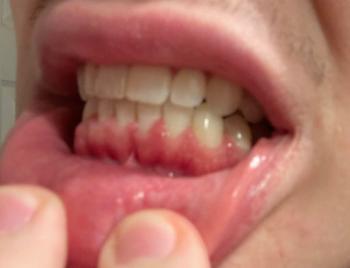
Patients with lower front gum inflammation may also experience tartar buildup, periodontal disease, gum abscesses, or tooth decay. Explore these related clinical case studies.