Dental Case: Problems

Why Are My Teeth Crumbling? A Severe Dental Decay Case Analysis
Severity: 
Teeth Problems: 

Additional Clinical Guide: Why Severely Decayed Teeth Become Brittle, Break, and Crumble

What Causes Teeth to Crumble From the Inside Out?

When a tooth begins to crumble, the damage often extends beyond what can be seen on its surface. Dental caries, commonly called tooth decay, develops when acids produced by plaque bacteria dissolve minerals from the enamel and dentin.
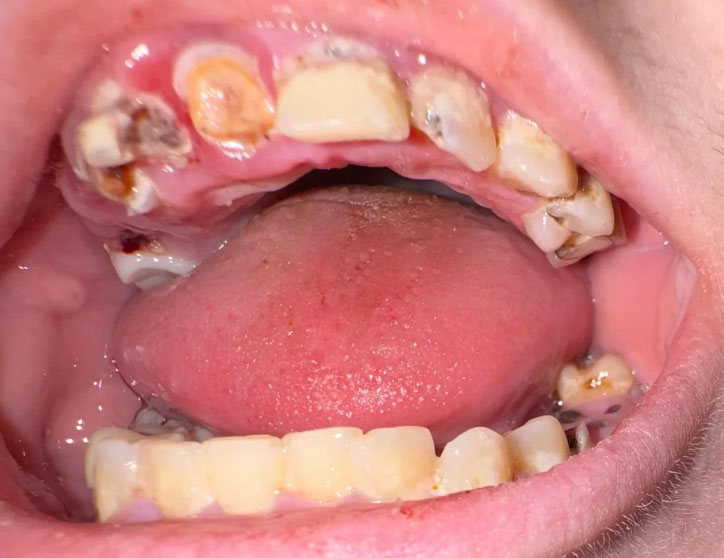
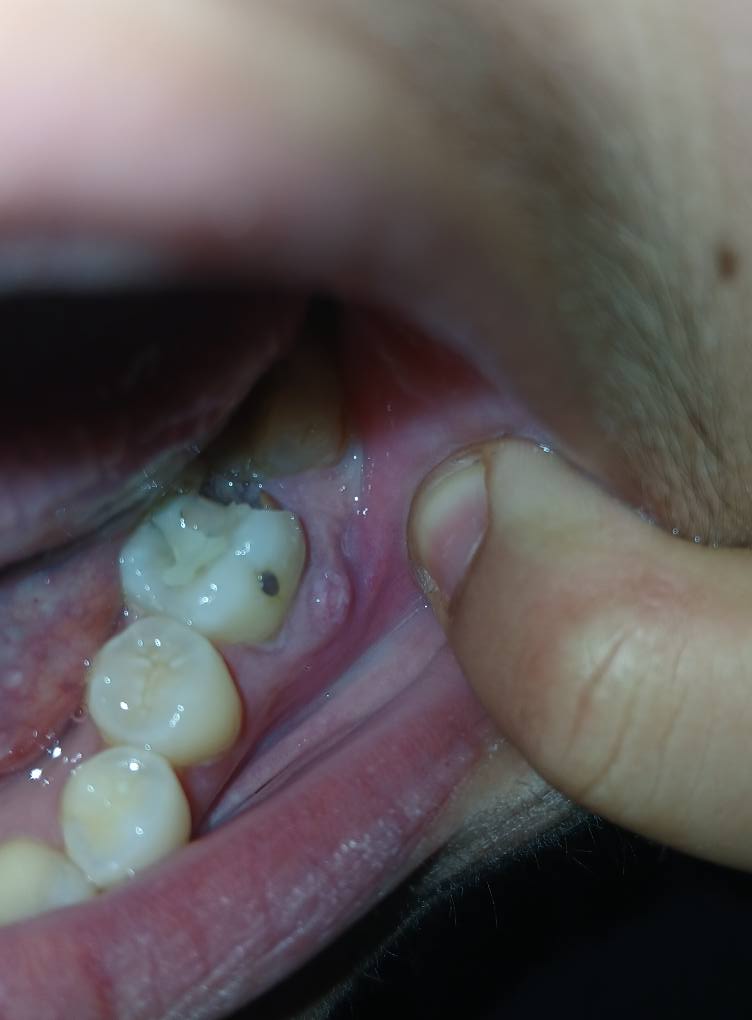
Severe Tooth Decay and Gum Infection Case Analysis

Severity: 

Dental Case Analysis: Multiple Advanced Tooth Decay With Gum Inflammation

Case Overview (100% Zoom Visual Inspection)

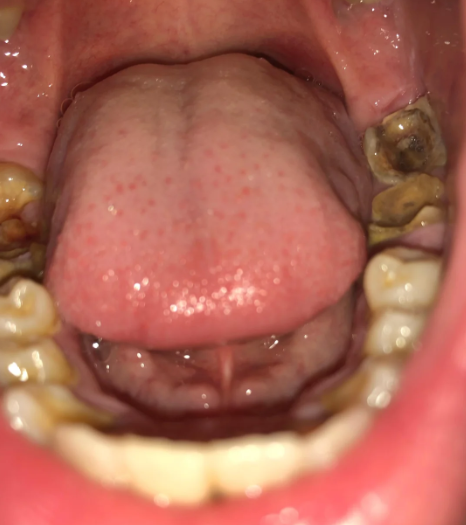
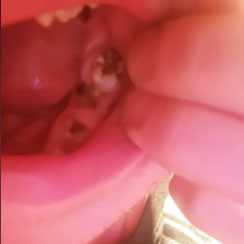
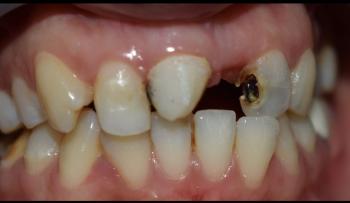
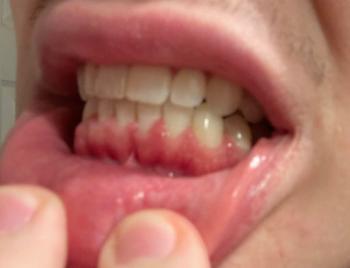
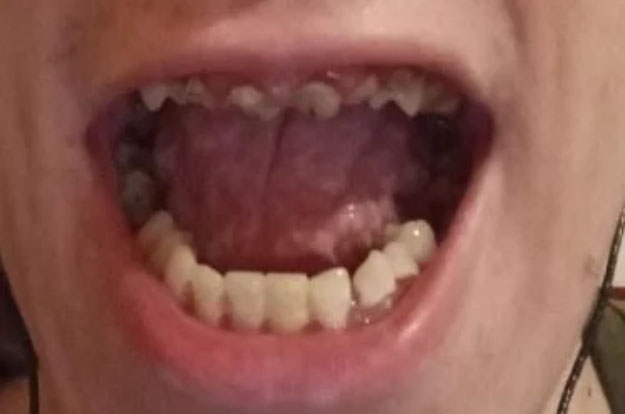
The image shows the upper and lower dental arches with multiple teeth affected by advanced decay, visible dark cavities, broken tooth structure, and inflamed gum tissue. Several teeth show severe enamel and dentin destruction, indicating a high-risk oral condition requiring urgent dental care.

Tooth Decay and Gum Infection: Causes, Treatment, and Healing in 7 Days

Severity: 
Teeth Problems: 

Case Analysis: Tooth Decay and Gum Inflammation – Early Warning of Dental Infection

Client’s Complaint

“My back teeth hurt and smell bad. I noticed dark spots and some swelling around the gum area.”


Clinical Observation (From Image)

After close examination of the photo:

  • Visible dark spot (cavity) on one molar — likely tooth decay or caries.

Severe Tooth Decay With Gum Infection - Dental Case Analysis

Severity: 

Dental Case Analysis – Severe Tooth Decay With Localized Gum Infection

Case Overview

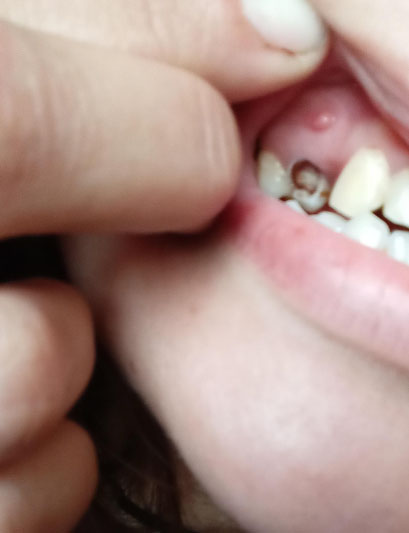
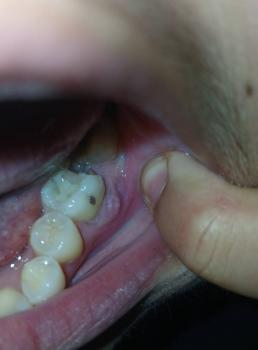
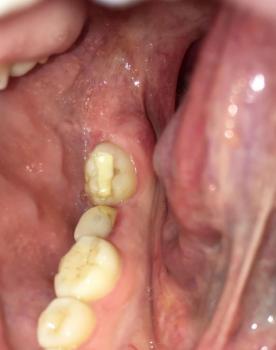
This intra-oral image shows a tooth with advanced decay and an associated localized gum swelling above the affected tooth. The appearance suggests an active dental infection likely originating from deep caries that has reached the pulp and spread toward the surrounding soft tissue.


Full Analysis and Diagnosis

Clinical Findings

  • Deep cavity with visible tooth structure breakdown

Severe Night Toothache & Deep Cavity Treatment in California, US

Severity: 

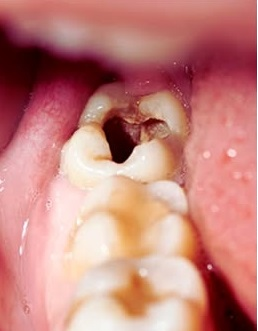
The image strongly suggests a case of Severe Tooth Decay and Possible Pulp Exposure. The pain shown in the right panel indicates a severe toothache, which often means the decay has progressed to the innermost part of the tooth (the pulp), causing irreversible pulpitis or a dental abscess. This requires urgent professional attention.

Do not attempt to self-treat this condition. Use the provided directory link to find a nearby clinic immediately.


Severe Rooted Tooth Decay and Infection Treatment

Severity: 

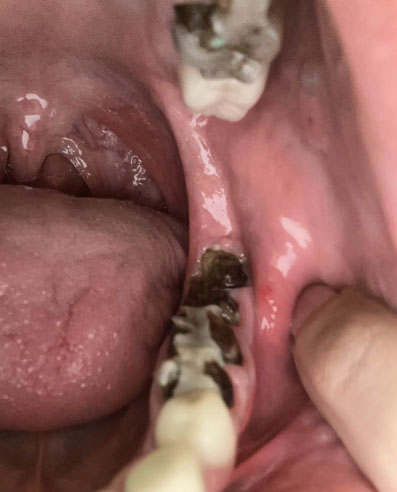
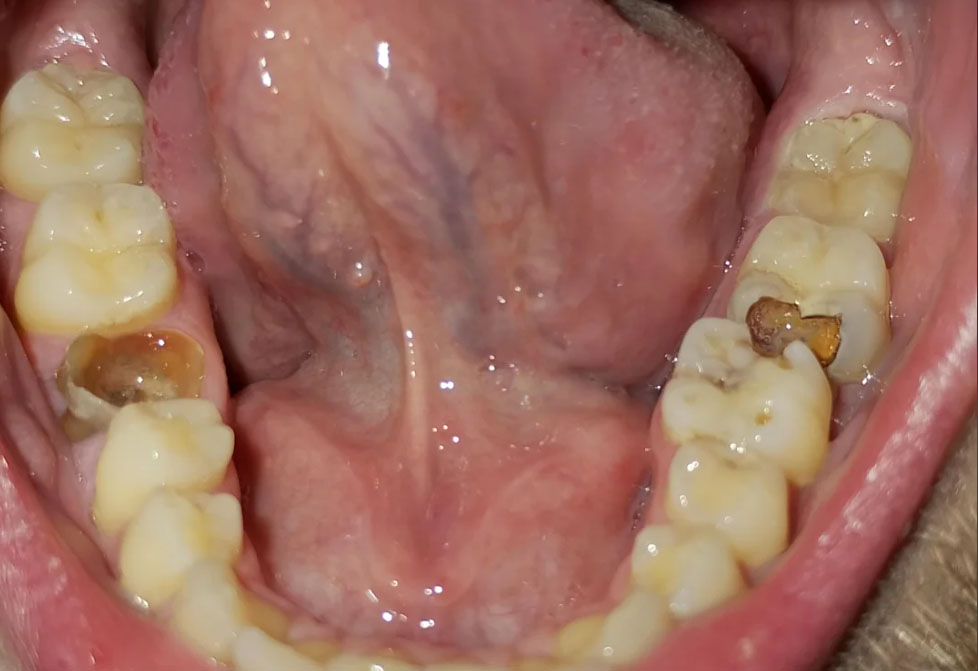
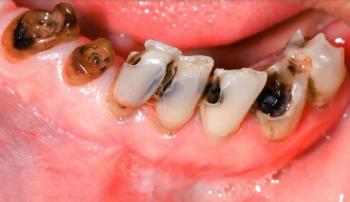
This case shows severe tooth decay affecting the back teeth, with decay extending close to or into the tooth roots. Dark, broken tooth structure is visible, which indicates long-standing dental caries. The surrounding gum tissue appears irritated, increasing the risk of infection.

Rooted tooth decay usually develops when cavities are left untreated for a long time. Bacteria spread deeper into the tooth and reach the root area, making the tooth weak, painful, and difficult to save.

Severe Broken and Infected Teeth — Symptoms, Treatment Options, and When to Seek Emergency Care

Severity: 

Understanding Severe Tooth Fractures and Dental Infection

A severely broken tooth is more than a cosmetic concern. When extensive decay or a fracture exposes the inner pulp, bacteria can reach the nerves and blood vessels inside the tooth, causing inflammation, pulp death, or infection around the root. In some cases, an abscess develops in the surrounding gum or bone.

Common warning signs include:

  • A tooth that has broken close to the gumline.

  • Persistent, throbbing, or biting-related tooth pain.

Lower Teeth with Amalgam Fillings Case Analysis

Severity: 

Dental Case Analysis: Lower Teeth with Metallic Fillings and Plaque Accumulation

Case Overview

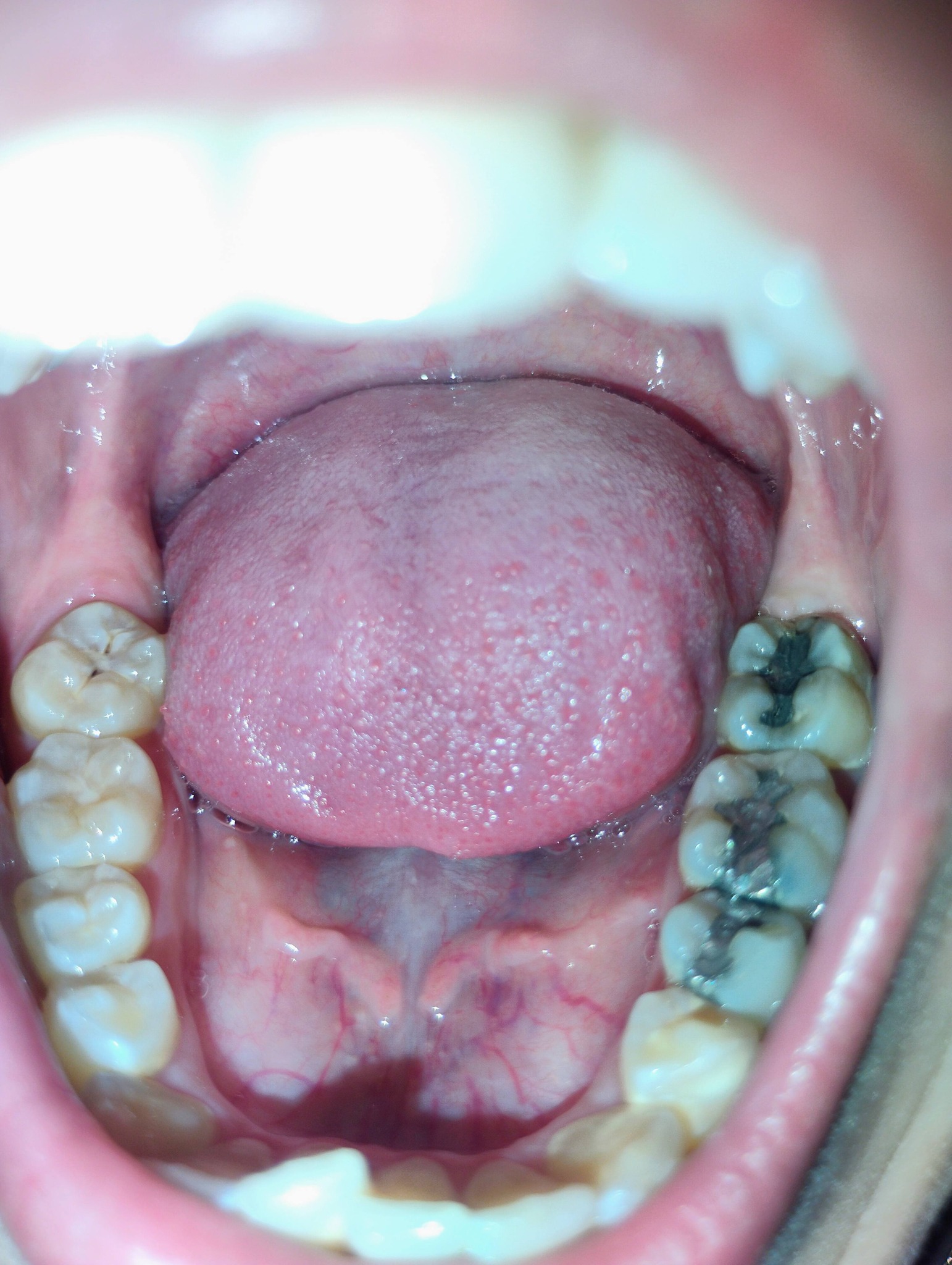
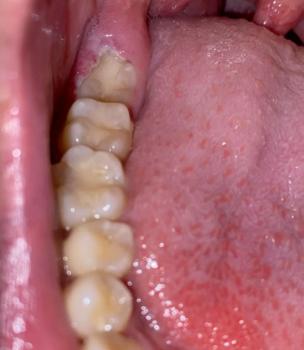
The image shows the lower dental arch with visible metallic (amalgam) restorations on posterior molars. There are signs of plaque accumulation and dark staining within the grooves of treated teeth.


Zoom 100% Visual Examination

Observed Findings

  • Multiple amalgam (silver) fillings on lower molars

  • Dark discoloration around restoration margins

Multiple Decayed Lower Molars With Abscess Risk

Severity: 

Multiple Decayed Lower Molars: Dental Abscess Risks, Warning Signs, and Treatment

Quick Answer

Multiple decayed lower molars can increase the risk of deep tooth infection, dental abscesses, gum swelling, and tooth loss. When decay reaches the dental pulp, bacteria can spread through the root into surrounding tissues. Prompt dental examination, appropriate X-rays, and definitive treatment can help control infection and preserve teeth when possible.

Pages