Back Tooth Decay: Symptoms, Pain, Treatment & FAQs
Severity:
Clinical Insights: Back Tooth Decay, Pulp Damage, and Tooth-Saving Treatment
Expert Dental Commentary: Why Molar Decay Should Never Be Ignored
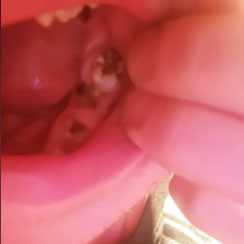
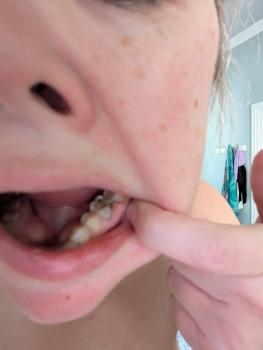
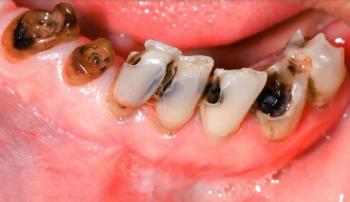
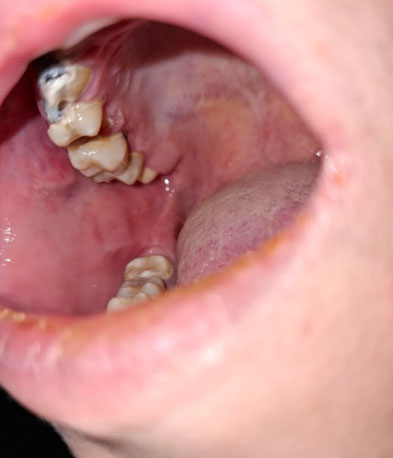
Back tooth decay, also known as posterior dental caries, can progress unnoticed because molars have deep chewing grooves and surfaces that are difficult to clean thoroughly. In the early stages, decay may cause no discomfort. As the lesion progresses through the enamel into the dentin, patients may develop sensitivity to cold drinks, sweets, or pressure during chewing.