Sugar-related decay

Severe Tooth Decay With Gum Infection - Dental Case Analysis

Severity: 

Dental Case Analysis – Severe Tooth Decay With Localized Gum Infection

Case Overview

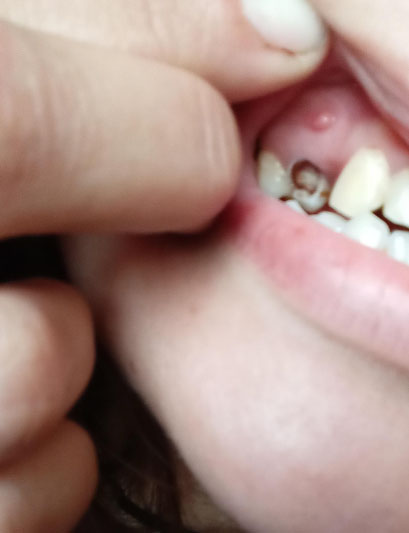
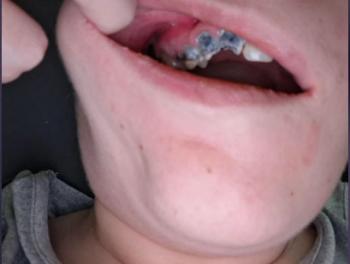
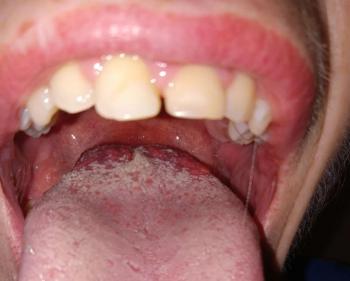
This intra-oral image shows a tooth with advanced decay and an associated localized gum swelling above the affected tooth. The appearance suggests an active dental infection likely originating from deep caries that has reached the pulp and spread toward the surrounding soft tissue.


Full Analysis and Diagnosis

Clinical Findings

  • Deep cavity with visible tooth structure breakdown

Severe Rooted Tooth Decay and Infection Treatment

Severity: 

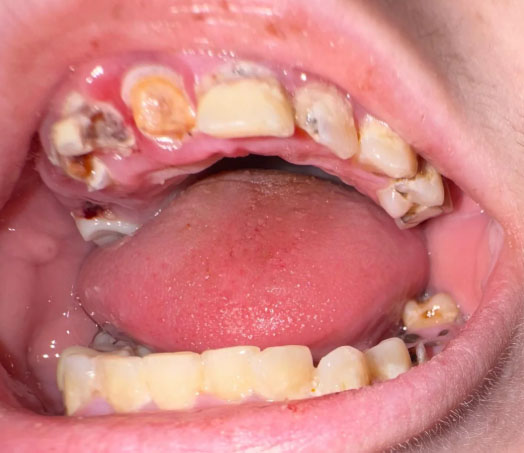
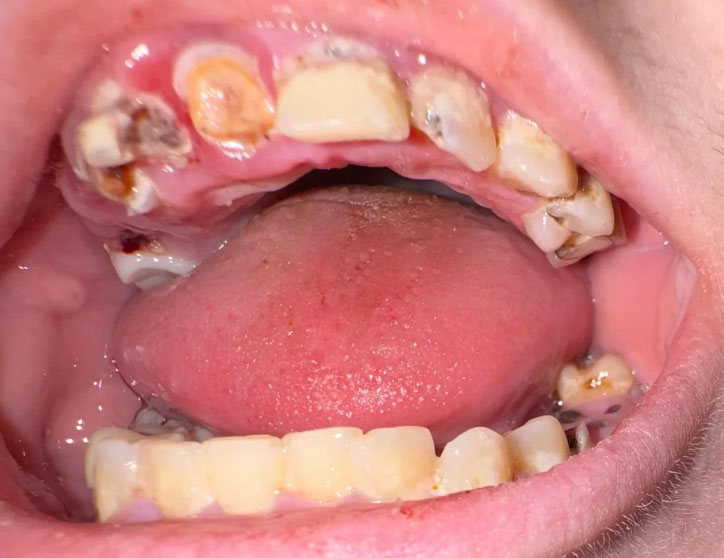
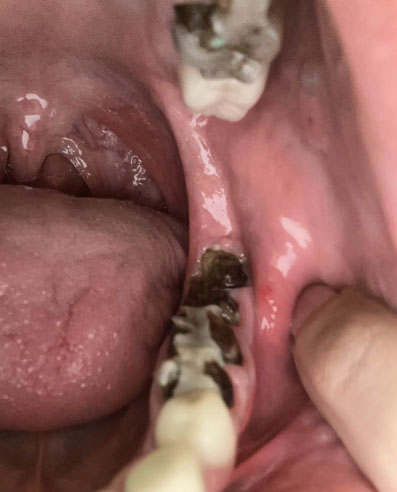
This case shows severe tooth decay affecting the back teeth, with decay extending close to or into the tooth roots. Dark, broken tooth structure is visible, which indicates long-standing dental caries. The surrounding gum tissue appears irritated, increasing the risk of infection.

Rooted tooth decay usually develops when cavities are left untreated for a long time. Bacteria spread deeper into the tooth and reach the root area, making the tooth weak, painful, and difficult to save.

Back Tooth Decay Case Analysis: Causes, Treatment, and Healing Timeline

Severity: 

What Is Seen in This Case?

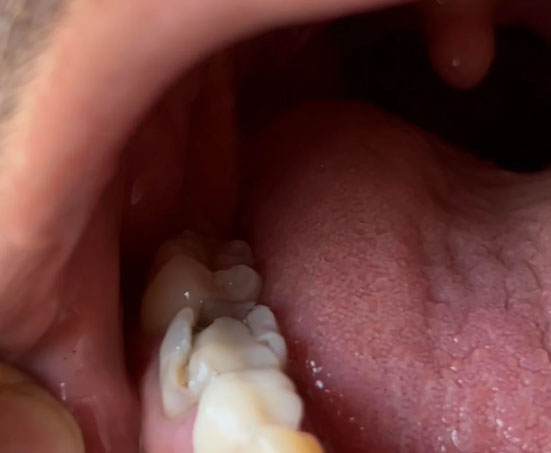
The image shows visible decay on back teeth (molars), with damaged tooth structure and discoloration. The surrounding gum tissue appears slightly irritated, which may indicate early inflammation caused by trapped bacteria.

Back teeth are more prone to decay because they are harder to clean and have deep grooves that trap food and plaque.


Most Likely Diagnosis

Based on the visual findings, the most likely conditions include:

  • Dental caries (tooth decay) on molars

Severe Tartar and Plaque Buildup on Lower Teeth | Gum Disease Case Analysis

Severity: 

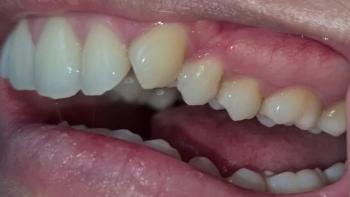
Severe Plaque, Tartar Buildup, and Gum Inflammation on Lower Teeth – Full Dental Case Analysis (100% Zoom)

Medical Disclaimer

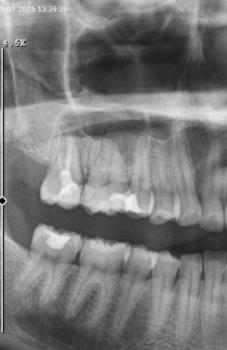
This analysis is image-based and for educational purposes only. A definitive diagnosis requires an in-person dental examination, periodontal probing, and dental X-rays. The findings below are based on visible clinical signs and accepted dental standards.

Pages