Critical

Severe Lower Molar Decay: Urgent Restoration and Gum Care Needed

Severity: 

Severe Lower Molar Decay: Urgent Restoration and Gum Care Needed

Case Type: Advanced Dental Caries and Calculus Accumulation


Full Analysis and Diagnosis

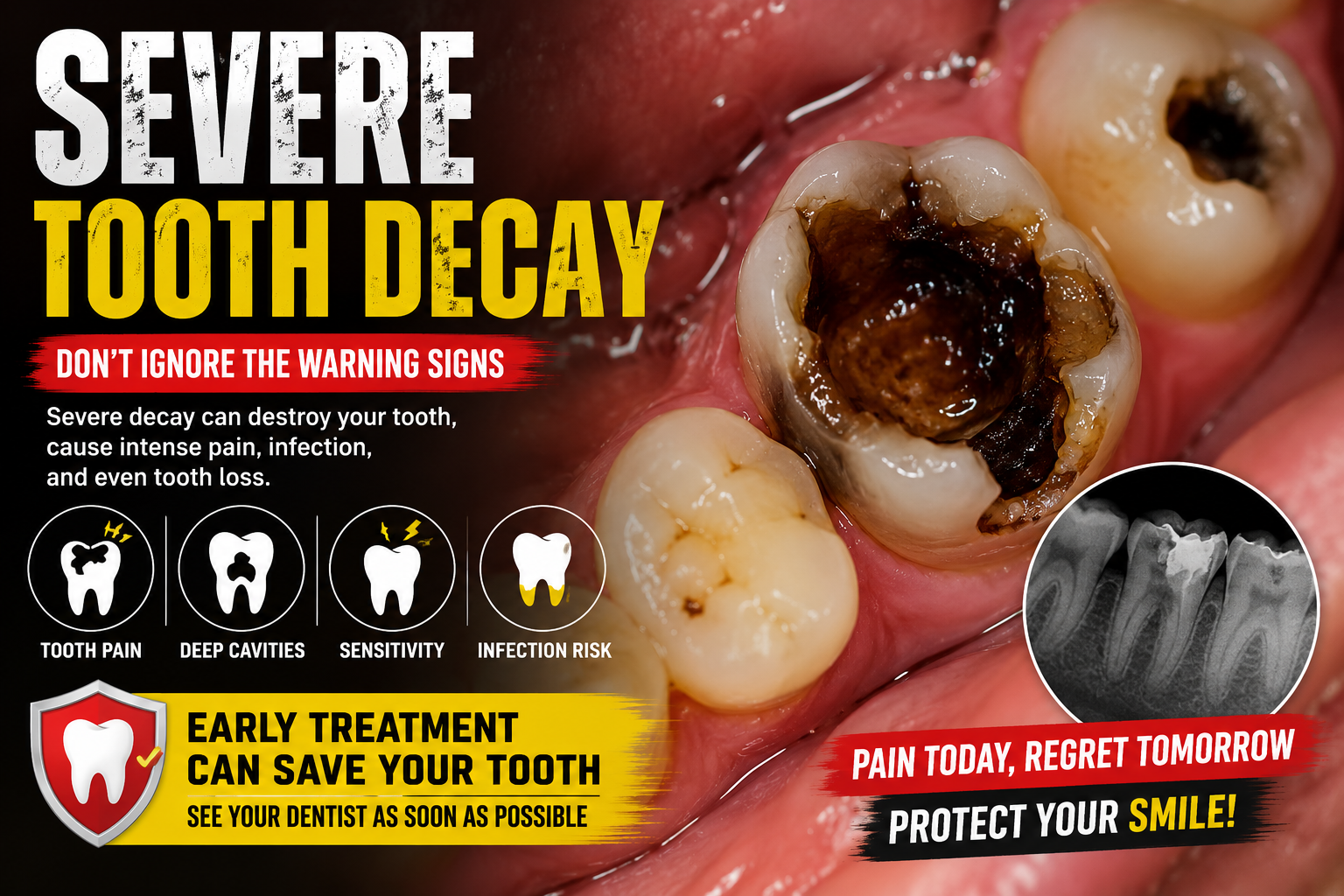
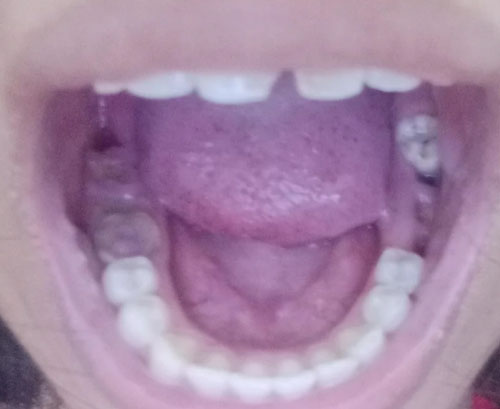
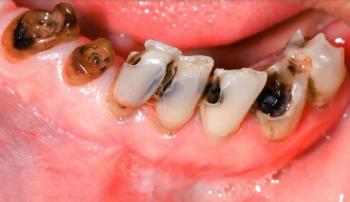
Upon examination, the posterior molars exhibit:

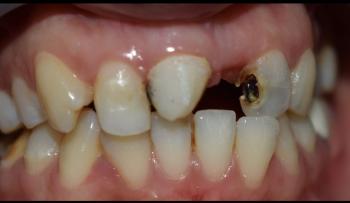
  • Extensive caries (tooth decay) on both left and right sides.

  • Possible pulp involvement — dark discoloration and cavity penetration indicate the decay may have reached the pulp chamber.

Cervical Caries Explained: Why Decay Forms Near the Gum Line, Not in Pits and Fissures

Severity: 
Teeth Problems: 

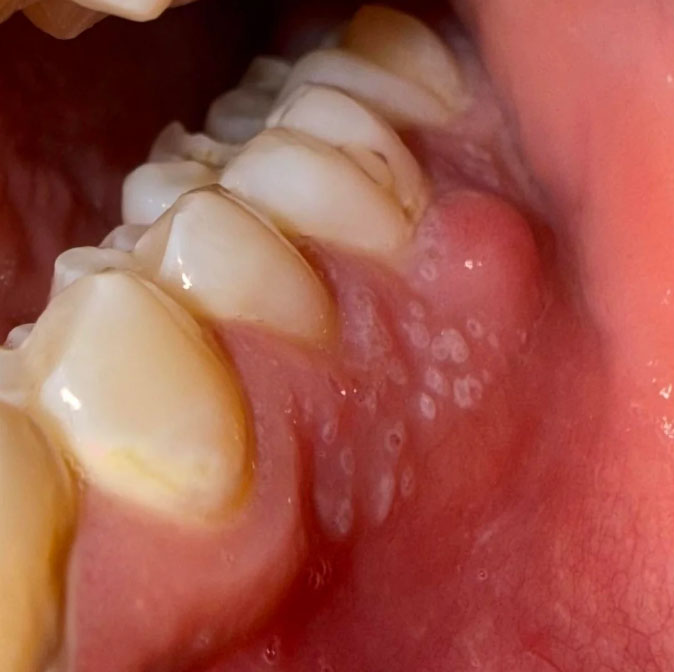
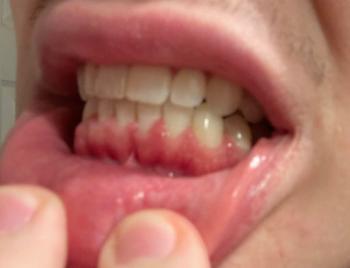
Case Analysis: Cervical Caries (Zoom 100%)

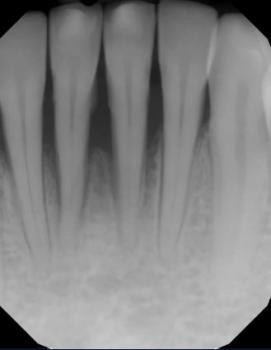
In this dental case, decay is visible near the cervical area — the region where the crown of the tooth meets the gum line — rather than on the chewing surface or fissures. Cervical caries are often overlooked, but they can progress silently and cause significant tooth sensitivity or even nerve damage if untreated.

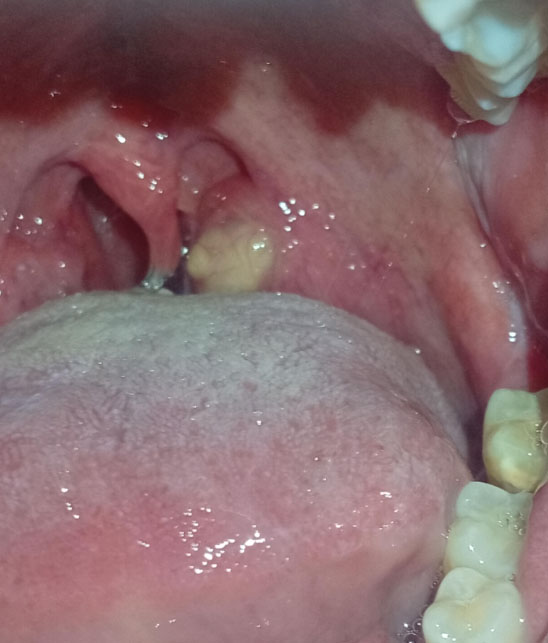
Acute Infection and Necrotic Tissue Formation on Posterior Molar – Early Signs of Spreading Dental Abscess

Severity: 

Full Analysis and Diagnosis

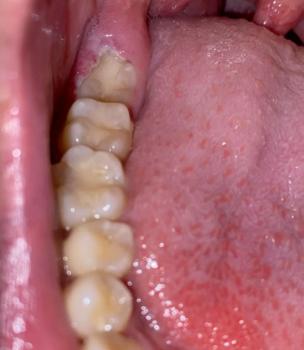
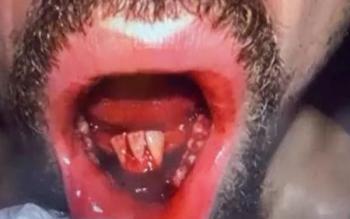
Upon zooming in at 100%, the molar region (likely third molar or second molar area) shows grayish-black necrotic tissue, possibly indicating infection or tissue death. There is yellowish exudate or pus, a clear sign of acute infection. The gum tissue around the infected site appears inflamed. The adjacent tooth structure is partially covered by infected tissue with visible gum swelling. This can be a sign of pericoronitis, abscess, or developing dry socket (if post-extraction).

Pages