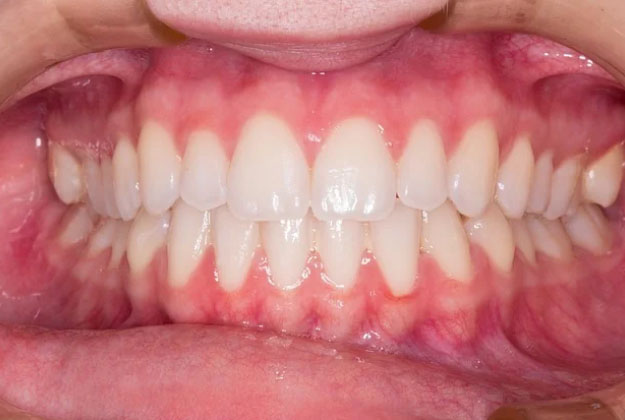
Gingivitis

Persistent Gum Bubble After Tooth Extraction: Causes, Diagnosis, and Proper Treatment Explained

Severity: 

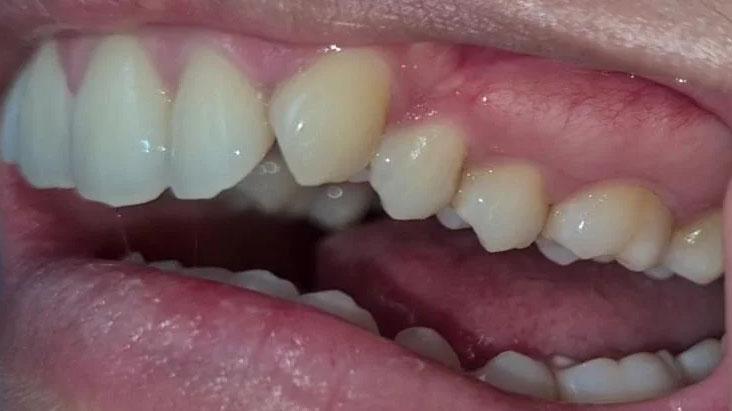
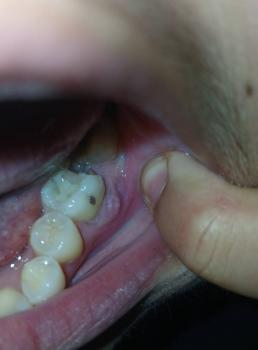
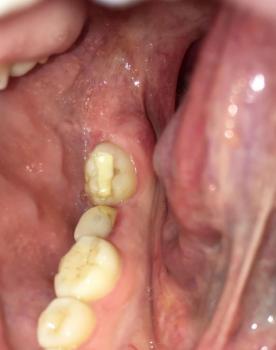
Persistent Gum Bubble After Tooth Extraction – Full Dental Case Analysis (Zoom 100%)


Clinical Overview (Based on the Image & History)

Patient concern:

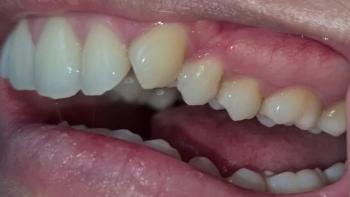
“Why is this bubble next to my tooth extraction not going away? I’ve been on 5 days of antibiotics and it’s made no difference. It’s been 4 weeks since extraction.”

Key visual findings (Zoomed assessment):

Advanced Gum Recession & Calculus Buildup Case - Full Dental Analysis and Treatment Roadmap

Severity: 

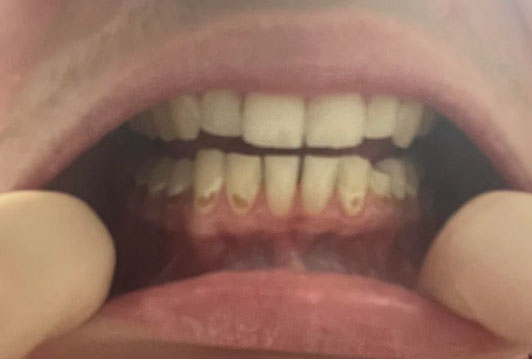
Full Dental Analysis (Zoom 100% – Visual-Based Assessment)

Disclaimer: This analysis is based on the provided image only and does not replace an in-person dental examination, X-rays, or periodontal probing.

1. Visible Findings (Deep Examination)

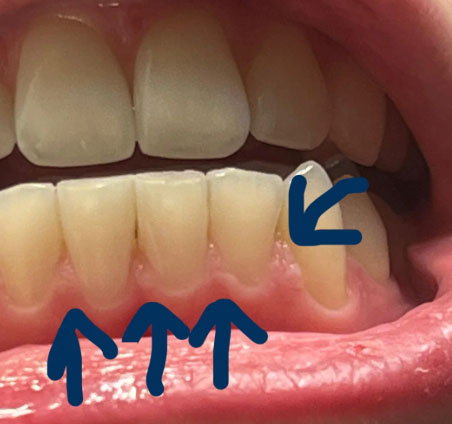
  • Moderate to severe gum recession on the lower anterior teeth (mandibular incisors and canines)

  • Root surfaces exposed, increasing sensitivity and decay risk

Lower central incisor recession - evaluation, prognosis and treatment options

Severity: 

Quick summary / impression

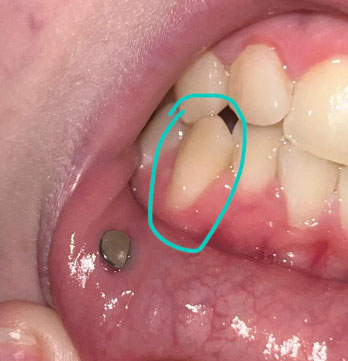
  • Photo shows localized gingival recession on the lower central incisor(s)** with visible root exposure** and inflammation of the adjacent gum.

  • One of the receded teeth feels slightly mobile when you wiggled it — this suggests loss of attachment and possible underlying bone loss around that tooth.

  • Overall: mild → moderate localized periodontal loss, but exact severity cannot be confirmed without clinical probing and an X-ray.

Gum Recession After Braces or Retainer: Causes, Healing Time, and Treatment Options

Severity: 
Teeth Problems: 

Clinical summary (based on the photo)

  • Visible localized gum recession on the lower anterior teeth (root exposure at multiple incisors), with the gingival margin apically displaced from the CEJ.

  • Gingiva looks slightly inflamed in some areas (reddish band), but there’s no obvious acute swelling or pus in the image.

  • Likely increased root sensitivity risk due to exposed root surfaces.

Pages