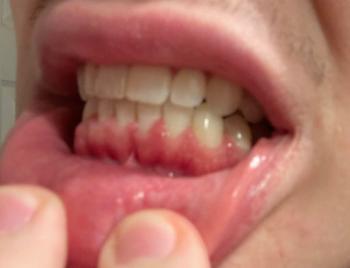
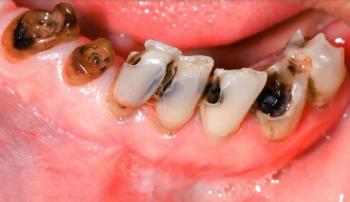
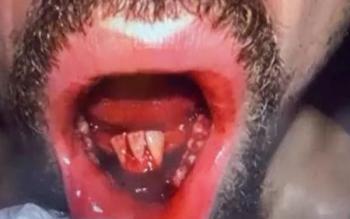
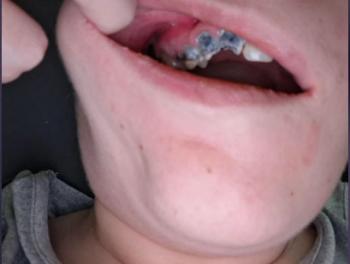
Socket infection

Recovering After Tooth Extraction: Warning Signs You Shouldn’t Ignore

Dry Socket or Normal Healing? What to Expect After Tooth Extraction 

After a tooth extraction, it’s normal to experience some pain, swelling, and discomfort — but how can you tell if your healing is on track or if something’s wrong?
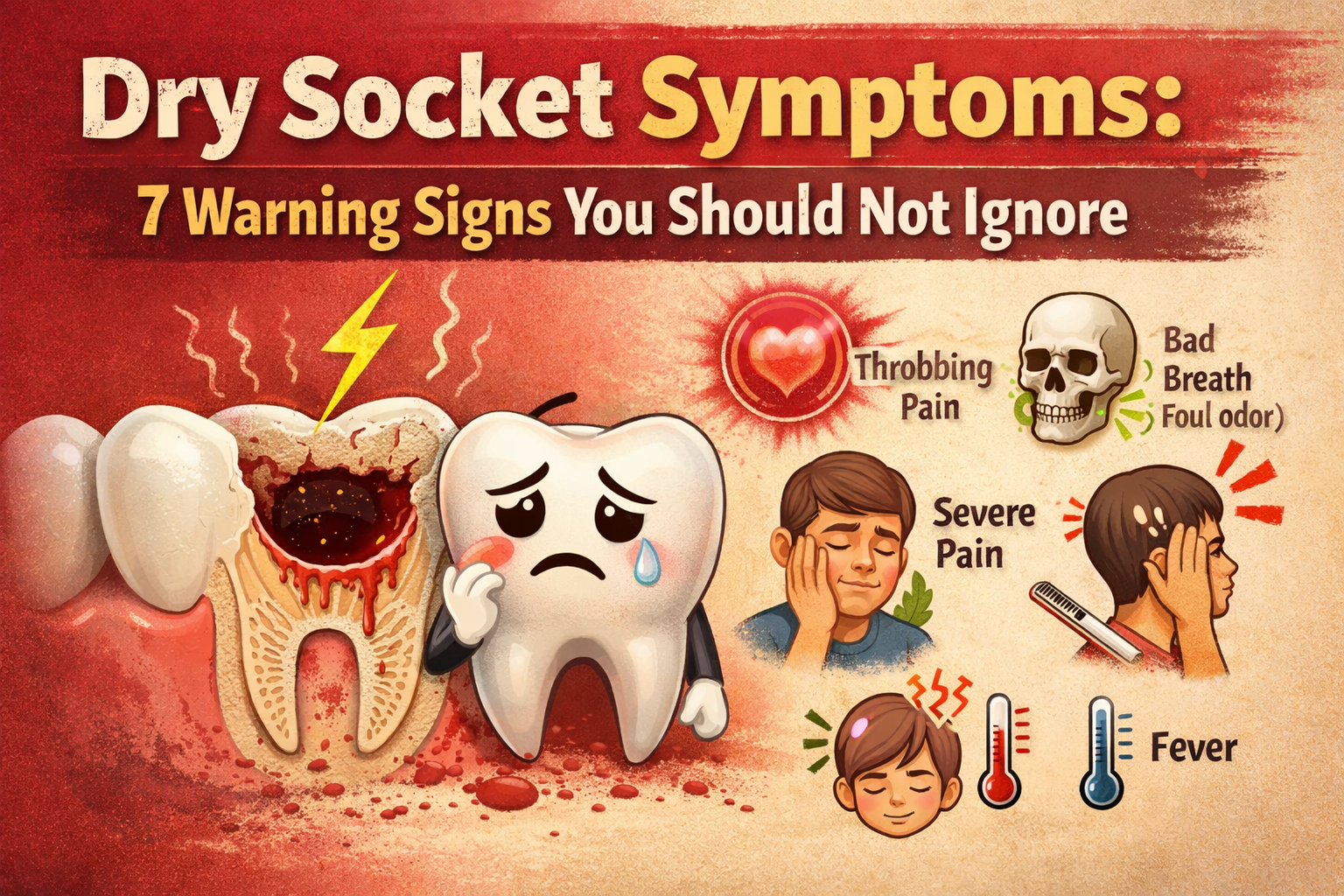
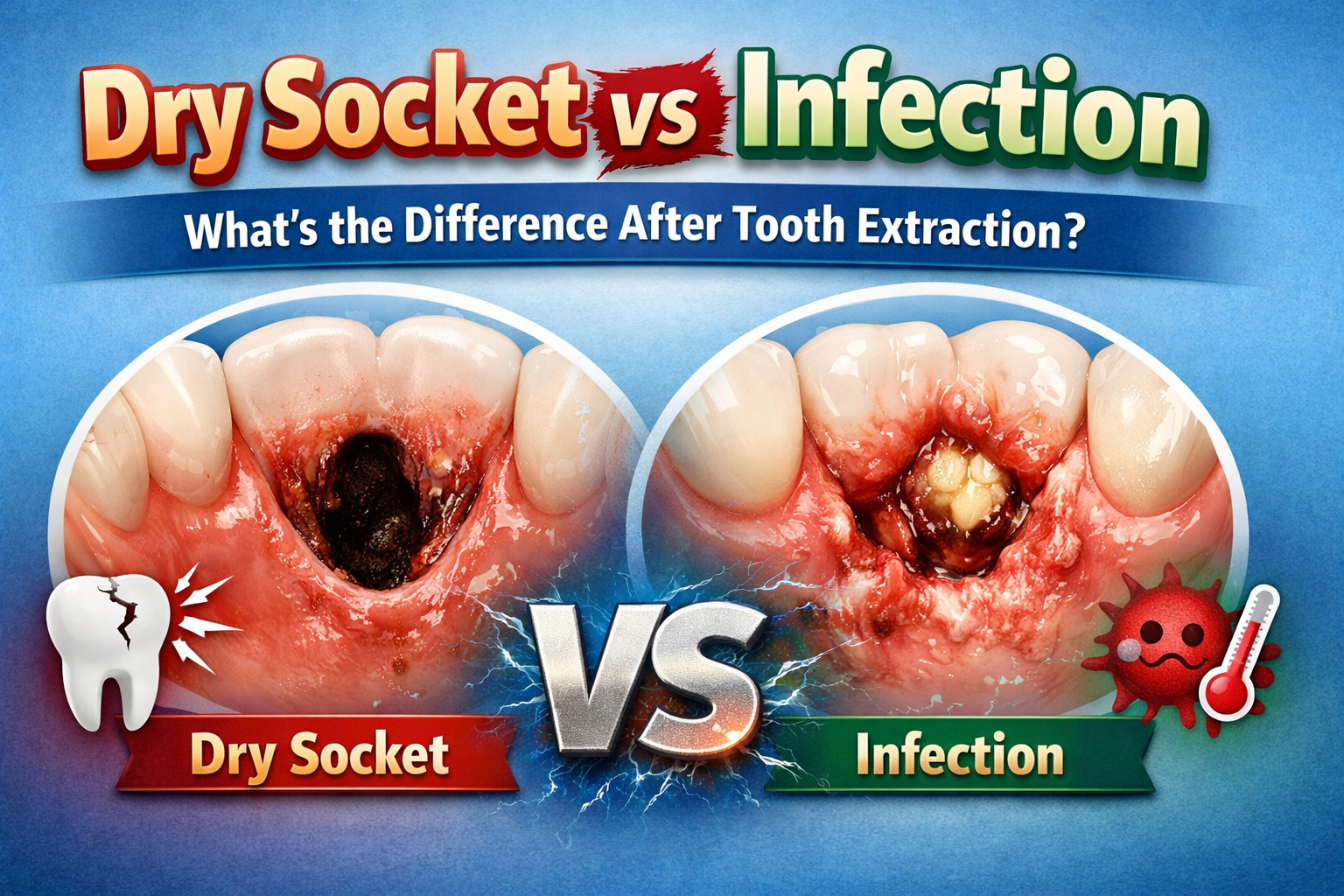
One of the most common post-extraction complications is called dry socket, a condition that can cause intense pain and delay healing.

Understanding the signs, healing stages, and when to see your dentist can help you recover faster and avoid complications.

Early Dental Evaluation: Preventing Chronic Oral Conditions and Ensuring Faster Healing

Severity: 

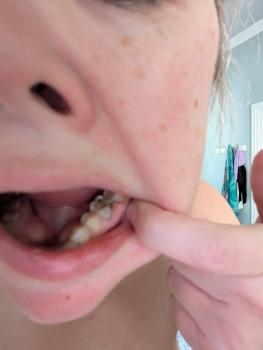
Quick visual impression

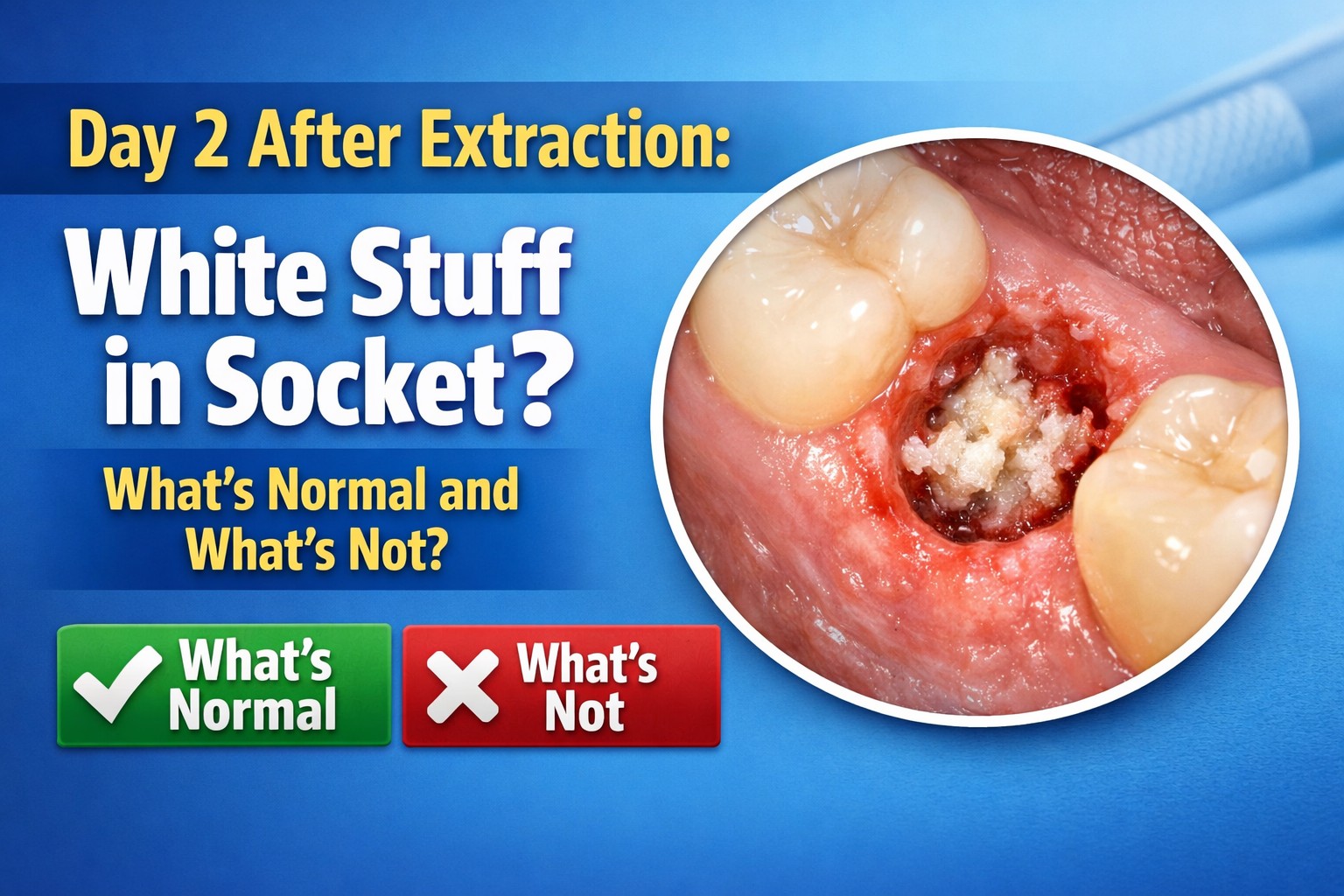
  • The posterior lower right area shows a socket-like dark area behind the last visible molar.

  • Could be a recent extraction site, an exposed/partially erupted third molar area, or food/debris packed in a deep groove.

Clinical Protocols to Prevent Dry Socket: Evidence-Based Strategies for Dental Professionals

Understanding Dry Socket (Alveolar Osteitis)

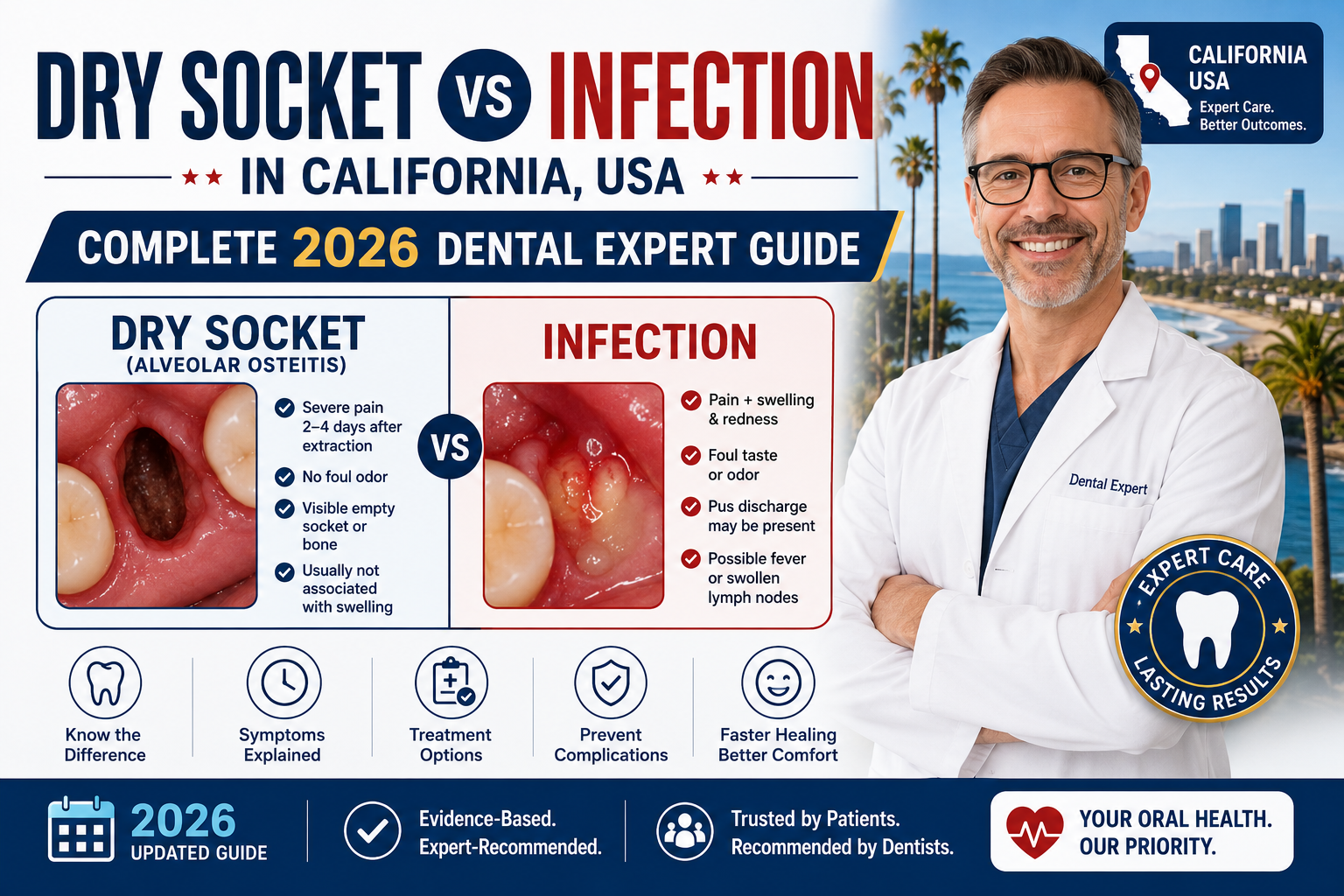
Alveolar osteitis, commonly known as dry socket, remains one of the most painful postoperative complications following tooth extraction.
It occurs when the blood clot that normally protects the exposed bone dissolves or dislodges prematurely, leaving the socket exposed to air, food debris, and bacteria.

Incidence rates range from 2–5% in routine extractions and can reach up to 30% after impacted third molar removal.

Pages