Missing Teeth? Find Your Smile Again.

Day 2 After Extraction: White Stuff in Socket? What’s Normal and What’s Not
Language :
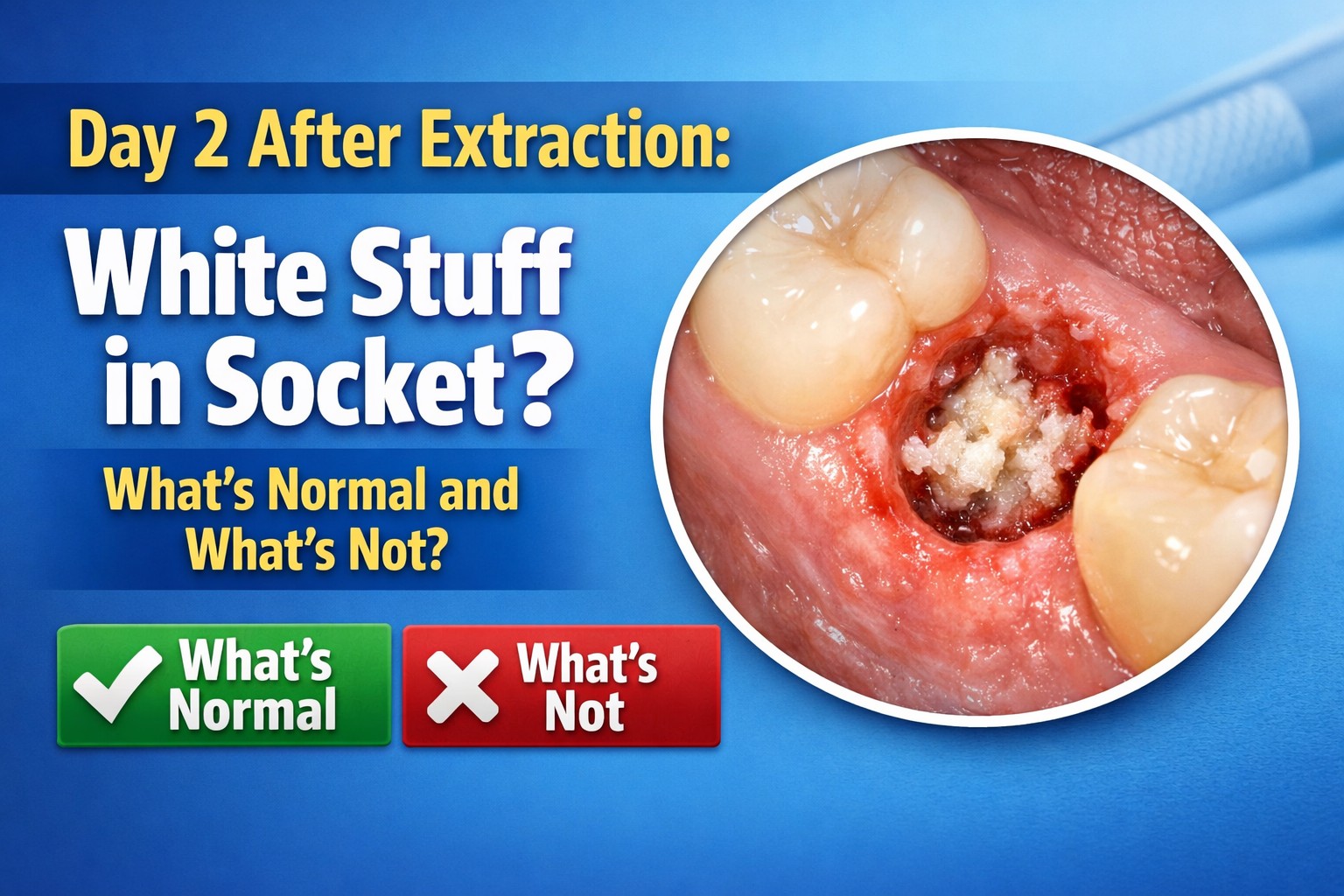
After a tooth extraction, many patients panic when they see white or yellowish material inside the socket on Day 2.
The good news?
In most cases, this is completely normal healing.
But sometimes, it can signal a problem like dry socket.
If you’re a busy worker who can’t afford complications, here’s what you need to know.
What Is the White Stuff in the Tooth Socket?
On Day 1–3 after extraction, your body forms a protective healing layer.
The white material you see is usually:
-
Fibrin (Healing Tissue)
This is the most common cause.
Fibrin is part of your natural blood clot healing process. It looks:
-
White or off-white
-
Slightly yellow
-
Soft or jelly-like
This is NOT pus.
This means your body is healing properly.
Tooth Extraction Day 2 Healing: What’s Normal for Wisdom Teeth?
Tooth extraction day 2 healing after wisdom tooth removal may include:
• Mild swelling (often peaks on Day 2)
• Slight jaw stiffness
• White or creamy tissue inside the hole
• Tenderness when chewing
This does not automatically mean infection.
However, if pain becomes sharp, throbbing, or spreads toward the ear, it could indicate dry socket and should be evaluated.
2. Granulation Tissue
By Day 2–4, new tissue begins forming. It may look white or creamy but is part of healthy healing.
What Is Normal on Day 2?
Here’s what most patients experience:
-
Mild to moderate pain
-
Slight swelling
-
White or yellow layer in socket
-
Mild bad taste
-
Small blood traces in saliva
This is part of the normal tooth extraction healing stages.
Pain should slowly improve, not worsen.
When Is White Stuff NOT Normal?
Sometimes, white material can indicate infection or dry socket.
Warning Signs of Dry Socket
Dry socket usually happens 2–4 days after extraction.
Symptoms include:
-
Severe throbbing pain that radiates to ear or jaw
-
Pain getting worse instead of better
-
Bad smell from mouth
-
Empty-looking socket (no blood clot)
-
Exposed bone visible
If you see white bone and feel strong pain, that is NOT normal healing.
3. Healing Timeline Section
Day 1–2: Blood clot forms
Day 2–5: Granulation tissue appears (whitish)
Day 5–7: Swelling reduces, tissue turning pink
2+ weeks: Socket fully covered
According to Healthline, white material in the socket is usually granulation tissue and part of normal healing.
Dry Socket vs Normal Healing
Normal Healing:
-
White fibrin layer
-
Pain decreasing daily
-
No severe bad odor
Dry Socket:
-
Severe increasing pain
-
Visible bone
-
Strong bad breath
-
Pain spreads to ear or temple
If unsure, always get checked early. Delaying treatment can extend healing by 7–14 days.
Why Busy Workers Often Ignore Early Signs
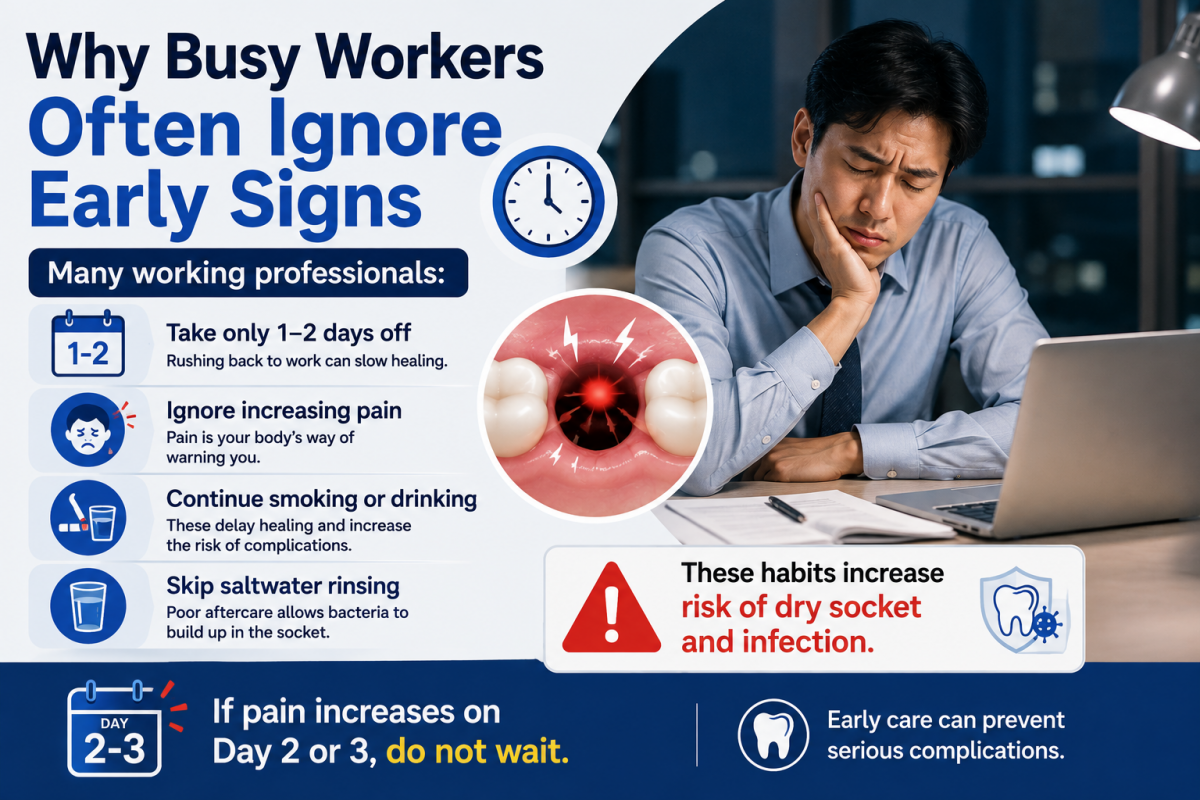
Many working professionals:
-
Take only 1–2 days off
-
Ignore increasing pain
-
Continue smoking or drinking
-
Skip saltwater rinsing
These habits increase risk of dry socket and infection.
If pain increases on Day 2 or 3, do not wait.
How to Protect Your Healing Socket
Follow these instructions:
-
Do not spit forcefully
-
Avoid smoking for at least 72 hours
-
Eat soft food only
-
Rinse gently with warm salt water after 24 hours
-
Avoid using straws
Protecting the clot protects your healing.
When to Visit a Dentist
Visit your dentist immediately if:
-
Pain becomes severe
-
Swelling increases after Day 3
-
Fever develops
-
There is pus discharge
-
You see exposed bone
Early treatment can prevent complications and reduce recovery time.
If you are unsure, visit your nearest clinic for evaluation.
Quick Answer: Is the White Layer in Tooth Socket Normal?
If you see a white layer in your tooth socket on Day 2, it is usually part of normal healing.
This white covering is called granulation tissue. It forms after the blood clot and protects the extraction site while new gum tissue grows. If your pain is slowly improving and there is no strong odor, this is a healthy healing sign — not infection.
What Does a Normal Extraction Wound Look Like?
Many patients worry because they don’t know the normal extraction wound look.
Here is what healthy healing typically shows:
Day 1: Dark red blood clot
Day 2–4: White or cream healing layer
Day 5–10: Tissue turns light pink
2–3 weeks: Gum gradually closes
A white or slightly yellow surface during tooth extraction day 2 healing is expected. It does not automatically mean pus.
Dry socket is extreme pain without pus.Infection is swelling with pus and possible fever. Both require dental attention — but dry socket pain is often sharper and radiates to the ear.
Understanding Healing Socket Appearance on Day 2
The healing socket appearance changes quickly during the first 72 hours.
On Day 2, you may notice:
• A soft white or creamy layer
• Mild swelling
• Slight tenderness
• Small traces of blood in saliva
This white tissue contains collagen, white blood cells, and tiny new blood vessels that rebuild the gum.
If the socket looks white but pain is decreasing, healing is progressing normally.
Tooth Extraction Day 2 Healing: What Should You Expect?
Tooth extraction day 2 healing is part of the inflammatory phase. Your body is actively repairing the wound.
What’s normal:
• Mild to moderate discomfort
• White protective layer forming
• Swelling that peaks around Day 2
• Slight jaw stiffness
What’s not normal:
• Severe throbbing pain
• Empty socket with visible bone
• Strong foul smell
• Pain spreading to the ear
If symptoms worsen instead of improve, consult a dentist early.
H2
Why the White Layer in Tooth Socket Is Important
The white layer in tooth socket is not something to remove.
It protects the underlying bone and nerve endings while new tissue forms. Disturbing this layer by poking, spitting forcefully, or smoking can delay healing and increase dry socket risk.
Protecting this layer protects your recovery.
Final Thoughts: Should You Worry?
On Day 2, white stuff in the socket is usually a sign of healing.
Do not panic immediately.
But monitor your pain level carefully.
If pain decreases daily, healing is on track.
If pain increases sharply, seek dental care immediately.
Early action saves time, money, and missed workdays.
Frequently Asked Questions (FAQ)
Is white stuff on Day 2 normal?
Yes. In most cases, white stuff in the socket on Day 2 is completely normal.
After a tooth extraction, a blood clot forms first. Within 24–48 hours, your body begins creating granulation tissue — a soft white or creamy layer made of collagen, white blood cells, and new blood vessels.
This white layer protects the socket and helps your gum heal.
It is NOT pus if:
-
Pain is improving
-
There is no strong bad smell
-
There is no severe swelling
-
The socket does not look empty with exposed bone
If pain is decreasing daily, healing is progressing normally.
If you want a deeper explanation of normal healing stages, read our guide:
After Tooth Extraction: What’s Normal? Busy Workers Warning Signs
https://cebudentalimplants.com/after-tooth-extraction-whats-normal-busy-workers-warning-signs
How long will the white stuff stay after extraction?
The white healing layer usually appears between Day 2 and Day 4.
Typical timeline:
Day 1–2: Blood clot forms
Day 2–5: White granulation tissue develops
Day 5–10: Tissue slowly turns pink
2–3 weeks: Gum closes over the socket
The white appearance may last several days before gradually changing to pink as new gum tissue forms.
If the white layer remains but pain continues to improve, this is still normal healing.
If you are concerned about delayed healing or worsening pain, you may also review our detailed comparison guide:
Dry Socket vs Infection: What’s the Difference?
https://cebudentalimplants.com/dry-socket-vs-infection-whats-the-difference
When should I worry about infection?
You should contact a dentist if you experience:
-
Severe pain that gets worse instead of better
-
Pain spreading to the ear, temple, or jaw
-
Thick yellow or green pus discharge
-
Strong foul smell from the mouth
-
Fever or increasing swelling
-
Visible bone inside the socket
Normal healing discomfort improves daily. Infection or dry socket usually causes increasing pain between Day 2 and Day 5.
If you suspect infection, read our emergency guide here:
Signs of Tooth Extraction Infection
https://cebudentalimplants.com/signs-of-tooth-extraction-infection
Early treatment can prevent longer recovery time.
When should I worry about infection?
You should contact a dentist if you experience:
-
Severe pain that gets worse instead of better
-
Pain spreading to the ear, temple, or jaw
-
Thick yellow or green pus discharge
-
Strong foul smell from the mouth
-
Fever or increasing swelling
-
Visible bone inside the socket
Normal healing discomfort improves daily. Infection or dry socket usually causes increasing pain between Day 2 and Day 5.
If pain suddenly becomes sharp or throbbing, do not ignore it.
Early treatment can prevent longer recovery time.
Can food debris look like healing tissue?
Yes. Food particles can sometimes look white or yellow and may be mistaken for healing tissue.
Here is how to tell the difference:
Healing tissue:
-
Soft and attached to the socket
-
Creamy white or light yellow
-
Does not move easily
-
Pain is improving
Food debris:
-
May look chunky
-
Can move or rinse away
-
Sometimes causes mild bad taste
-
Usually appears after eating
After 24 hours, gently rinse with warm salt water to clear trapped food. Do not poke the socket with sharp objects.
If unsure, visit your dentist instead of trying to remove material yourself.
Why Workers Who Return to Work Early Are at Higher Dry Socket Risk
Many busy workers go back to work within 24–48 hours after tooth extraction.
This is one of the biggest risk factors for dry socket.
Physical strain, talking all day, stress, and dehydration can disturb the protective blood clot. Once that clot is dislodged, exposed bone leads to severe pain.
Returning to work too soon may turn a simple extraction into a painful complication.
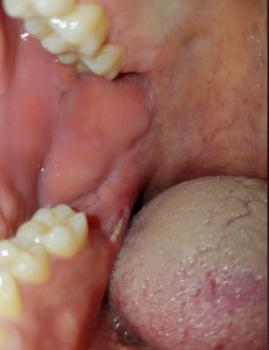
Many patients become alarmed when they look inside their mouth two days after a tooth extraction and notice a white, cream-colored, or yellowish layer covering the extraction socket. It is one of the most common reasons people contact their dentist, fearing the blood clot has fallen out or that an infection has already started.
In reality, this white material is often fibrin, a natural biological healing membrane produced by the body during the early stages of wound repair. Fibrin acts as a protective scaffold that stabilizes the blood clot, supports new blood vessel formation, encourages collagen production, and provides the foundation for new gum tissue to grow over the extraction site. Its appearance is a normal part of healing in most uncomplicated tooth extractions.
This ultra-realistic dental animation illustrates the biological changes occurring 48 hours after a tooth extraction, allowing viewers to understand what is happening beneath the surface rather than relying on appearance alone.
Inside the socket, the healing process is remarkably active. The original blood clot remains attached to the surrounding bone while inflammatory cells remove damaged tissue. Fibroblasts begin producing collagen fibers, endothelial cells create microscopic capillaries, immune cells reduce bacterial contamination, and granulation tissue gradually replaces the initial clot. The visible white coating is often the external sign of these microscopic repair mechanisms.
However, not every white appearance represents healthy healing. The video also demonstrates how dentists distinguish normal fibrin formation from conditions requiring immediate evaluation, including:
- Dry socket (alveolar osteitis) after premature clot loss
- Early bacterial infection producing pus
- Persistent bleeding with tissue breakdown
- Delayed wound healing
- Food debris trapped inside the extraction socket
- Necrotic tissue associated with severe infection
Understanding the difference is essential because appearance alone rarely tells the full story. Dentists evaluate healing based on a combination of symptoms, including pain intensity, odor, swelling progression, fever, drainage, gum color, and overall tissue response.
Normal Day 2 Healing Features
✔ White or cream-colored fibrin layer covering the socket
✔ Mild swelling around the extraction site
✔ Light soreness that gradually improves
✔ Stable blood clot beneath the surface
✔ No foul smell or bad taste
✔ Minimal bleeding or pink saliva only
Warning Signs Requiring Immediate Dental Evaluation
- Increasing pain after initial improvement
- Severe throbbing pain radiating toward the ear or jaw
- Thick yellow, green, or gray pus
- Persistent foul odor or unpleasant taste
- Fever or chills
- Rapidly expanding facial swelling
- Difficulty swallowing or opening the mouth
- Continuous bleeding that does not stop
This medical visualization explains why dentists recommend avoiding smoking, vigorous rinsing, drinking through straws, and aggressive brushing near the extraction site during the first several days. These activities can disrupt the protective blood clot and significantly increase the risk of dry socket and delayed healing.
The animation also highlights the remarkable transition from blood clot stabilization to granulation tissue formation, illustrating one of the earliest phases of oral wound regeneration that ultimately leads to complete gum closure and bone remodeling over the following weeks and months.
Whether you recently had a wisdom tooth removed, underwent a molar extraction, or are simply curious about how oral wounds heal, this video provides a scientifically accurate visualization of the body's natural recovery process.
Disclaimer: This video is intended for educational purposes only and does not replace a professional examination. If your symptoms are worsening or you suspect an infection, contact your dentist or oral surgeon promptly for an in-person evaluation.
#ToothExtraction #HealingSocket #WhiteStuffInSocket #DentalHealing #Fibrin #DrySocket #WisdomToothRemoval #OralSurgery #DentalAnimation #ExtractionRecovery #DentistExplains #OralHealth #DentalEducation #ToothRemoval #HealthyHealing
Can tooth extraction cause infection? Mild inflammation is normal, but increasing swelling, fever, or severe pain may indicate infection.
Learn more about post-extraction infection warning signs in this detailed guide.
Related Patient Guides
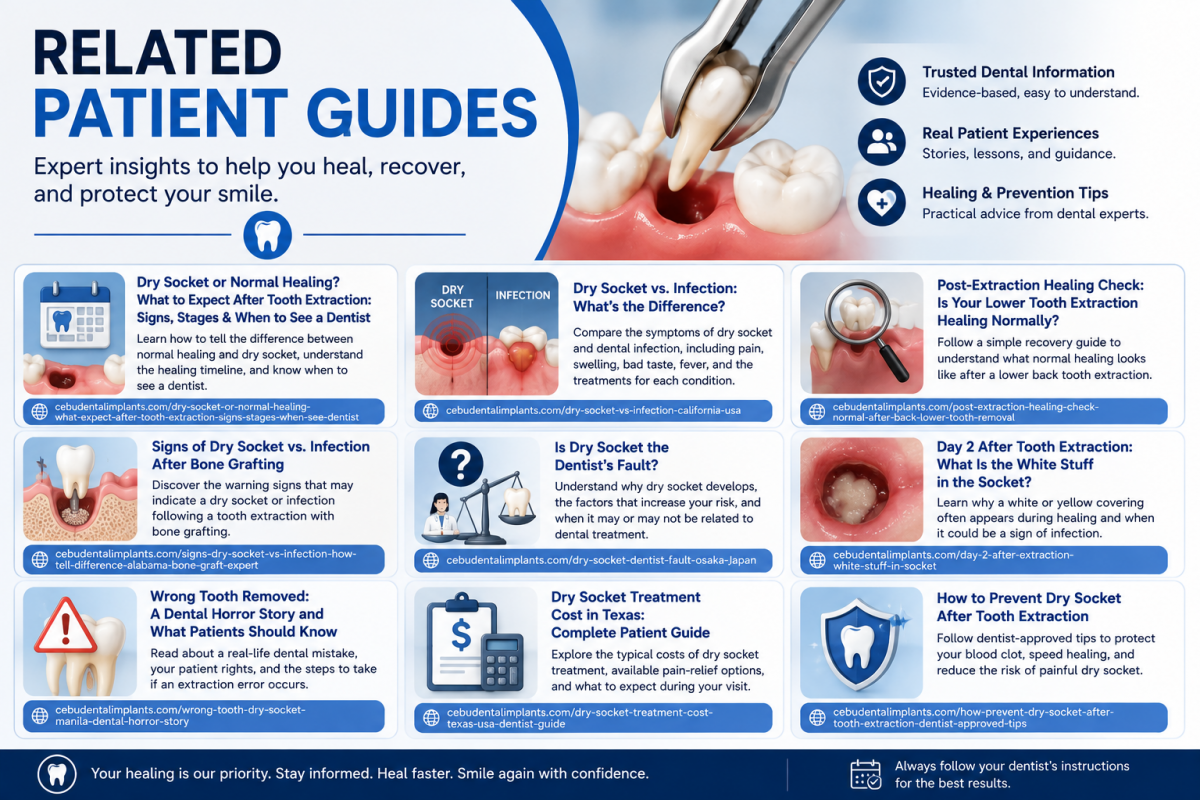
- Dry Socket or Normal Healing? What to Expect After Tooth Extraction: Signs, Stages & When to See a Dentist
Learn how to tell the difference between normal healing and dry socket, understand the healing timeline, and know when professional treatment is needed.
https://cebudentalimplants.com/dry-socket-or-normal-healing-what-expect-after-tooth-extraction-signs-stages-when-see-dentist - Dry Socket vs. Infection: What's the Difference?
Compare the symptoms of dry socket and dental infection, including pain, swelling, bad taste, fever, and the treatments for each condition.
https://cebudentalimplants.com/dry-socket-vs-infection-california-usa - Post-Extraction Healing Check: Is Your Lower Tooth Extraction Healing Normally?
Follow a simple recovery guide to understand what normal healing looks like after a lower back tooth extraction.
https://cebudentalimplants.com/post-extraction-healing-check-normal-after-back-lower-tooth-removal - Signs of Dry Socket vs. Infection After Bone Grafting
Discover the warning signs that may indicate a dry socket or infection following a tooth extraction with bone grafting.
https://cebudentalimplants.com/signs-dry-socket-vs-infection-how-tell-difference-alabama-bone-graft-expert - Is Dry Socket the Dentist's Fault?
Understand why dry socket develops, the factors that increase your risk, and when it may or may not be related to dental treatment.
https://cebudentalimplants.com/dry-socket-dentist-fault-osaka-japan - Day 2 After Tooth Extraction: What Is the White Stuff in the Socket?
Learn why a white or yellow covering often appears during healing and when it could be a sign of infection.
https://cebudentalimplants.com/day-2-after-extraction-white-stuff-in-socket - Wrong Tooth Removed: A Dental Horror Story and What Patients Should Know
Read about a real-life dental mistake, your patient rights, and the steps to take if an extraction error occurs.
https://cebudentalimplants.com/wrong-tooth-dry-socket-manila-dental-horror-story - Dry Socket Treatment Cost in Texas: Complete Patient Guide
Explore the typical costs of dry socket treatment, available pain-relief options, and what to expect during your dental visit.
https://cebudentalimplants.com/dry-socket-treatment-cost-texas-usa-dentist-guide - How to Prevent Dry Socket After Tooth Extraction
Follow dentist-approved tips to protect your blood clot, speed healing, and reduce the risk of painful dry socket.
https://cebudentalimplants.com/how-prevent-dry-socket-after-tooth-extraction-dentist-approved-tips
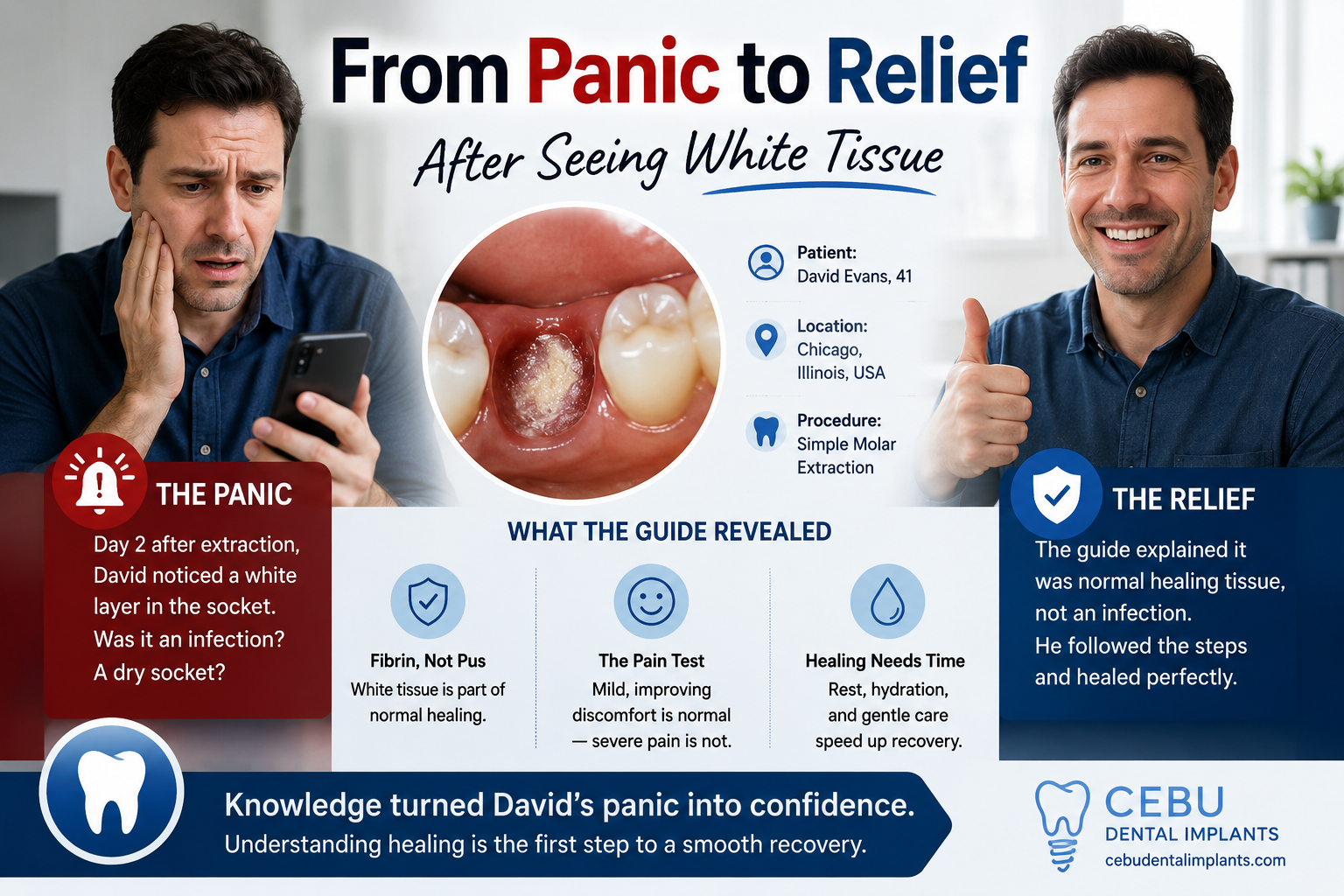
Short Story:
From Panic to Relief After Seeing White Tissue
Patient: David Evans, 41
Location: Chicago, Illinois, USA
Procedure: Simple Molar Extraction
Just two days after having a lower molar extracted, David noticed a soft white layer covering the extraction socket. Worried it was an infection or dry socket, he almost canceled his work meetings to rush back to his dentist.
Before making the call, David found the Cebu Dental Implants guide explaining that a white layer during the first few days is often fibrin and healing tissue, a normal part of recovery. He also learned that dry socket usually causes severe, worsening pain—not the mild discomfort he was experiencing.
Relieved, David continued following his aftercare instructions, stayed hydrated, and gently rinsed with warm salt water. Within a week, the white tissue gradually changed into healthy pink gum, just as the guide described.
Takeaway: Not every white layer after a tooth extraction is an infection. Understanding the normal stages of healing can help reduce unnecessary anxiety while knowing when to seek professional dental care.
Related Clinical Cases
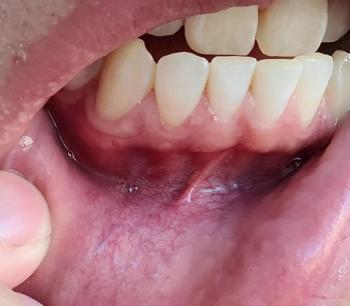
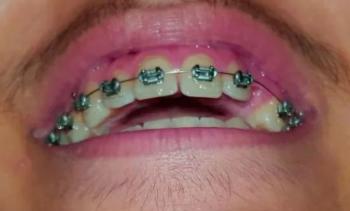
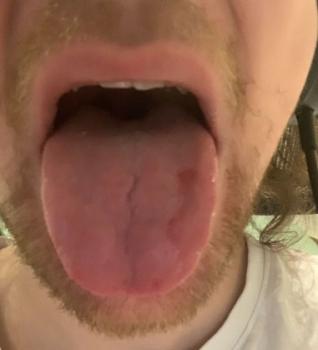
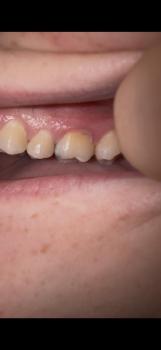
Patients with lower front gum inflammation may also experience tartar buildup, periodontal disease, gum abscesses, or tooth decay. Explore these related clinical case studies.


Other topics:
Other Dental Clinic