Strong Teeth, Fresh Breath, Brighter You.

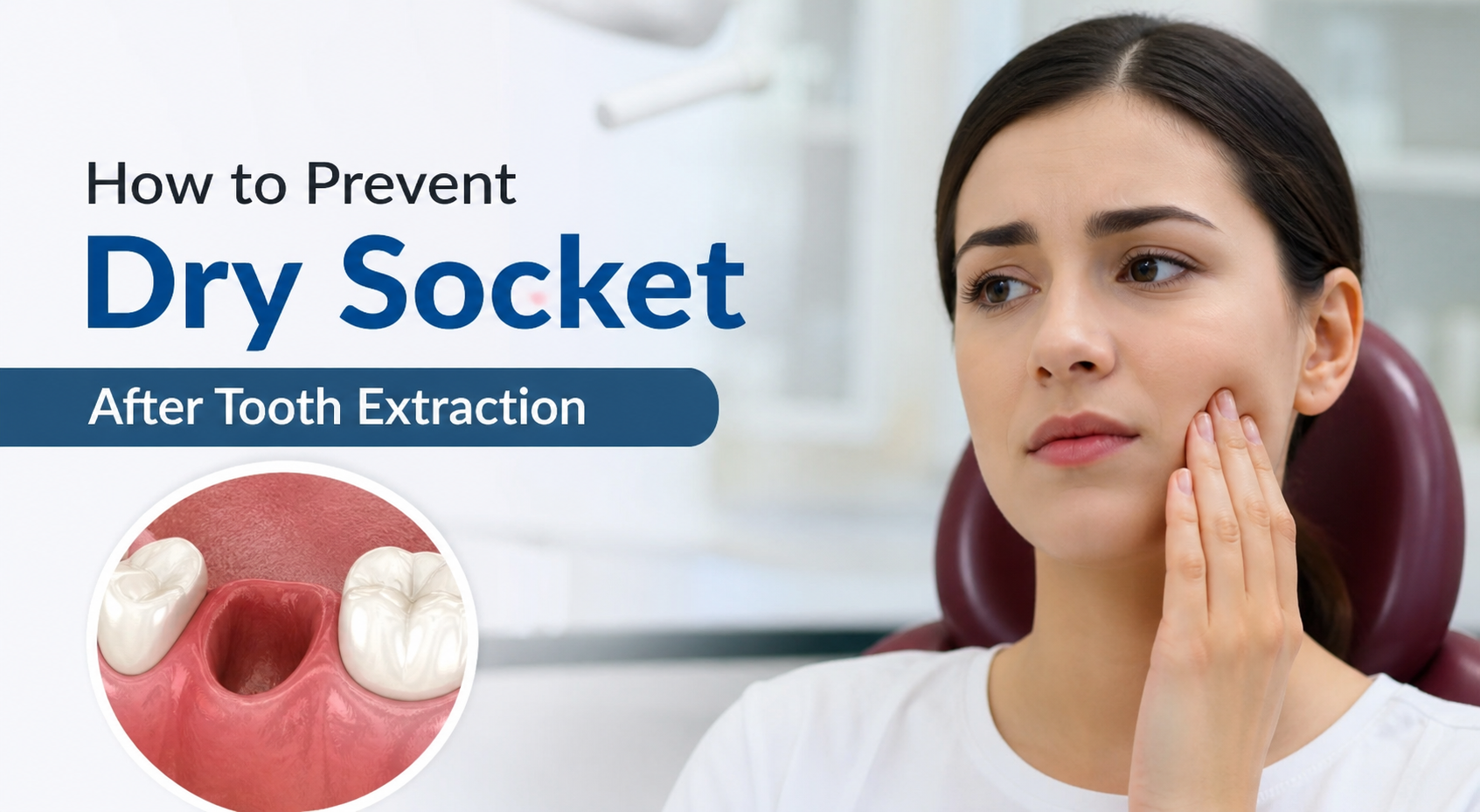
How to Prevent Dry Socket After Tooth Extraction (Dentist-Approved Tips)
Language :
Topics:
A Practical, Experience-Driven Guide from an Illinois Dental Bone Graft Expert (20+ Years)
If you’re planning a tooth extraction—or you’ve just had one—there’s one complication most patients fear:
Dry socket.
After more than 20 years managing extractions and preparing sites for bone grafting and implants across Illinois, I can tell you this with confidence:
Dry socket is highly preventable—when you understand exactly what causes it.
This guide gives you a clear, step-by-step prevention plan based on real clinical experience—not guesswork—so you can heal comfortably and protect your long-term results.
What Is Dry Socket (and Why It Matters)
After a tooth is removed, your body forms a blood clot inside the socket. That clot is essential—it:
- Protects exposed bone and nerves
- Serves as the foundation for new tissue
- Supports proper bone healing
Dry socket occurs when that clot is lost, dislodged, or never forms properly.
When that happens:
- Bone and nerves are exposed
- Pain becomes intense
- Healing is delayed
For patients planning implants or bone grafts, this matters even more—because poor healing today can affect your treatment tomorrow.
Who Is at Higher Risk?
From two decades of clinical observation, these are the patients most at risk:
- Smokers
- Patients with difficult (surgical) extractions
- Those who don’t follow post-op instructions
- Patients with poor oral hygiene
- Women on hormonal medications (e.g., oral contraceptives)
- Patients who resume normal eating too quickly
If any of these apply to you, prevention becomes even more important.
The First 24 Hours: The Critical Window
If you remember nothing else from this article, remember this:
The first 24 hours determine whether your blood clot survives.
What You MUST Do
- Bite on gauze as instructed (usually 30–60 minutes)
- Keep your head elevated
- Rest and avoid activity
- Take medications as prescribed
What You MUST NOT Do
- Do not spit forcefully
- Do not rinse your mouth
- Do not use a straw
- Do not smoke
These actions create suction or pressure that can dislodge the clot immediately.
The First 3 Days: High-Risk Period
Dry socket most commonly develops between Day 2 and Day 4.
During this time, your clot is still fragile.
Key Rule
Protect the clot at all costs.
Step-by-Step Prevention Plan
1. Avoid Suction and Pressure
This is the number one cause of dry socket.
Avoid:
- Drinking through straws
- Spitting forcefully
- Vaping or smoking
- Aggressive rinsing
Why It Matters
These actions create negative pressure that pulls the clot out of the socket.
2. Do NOT Smoke (At Least 5–7 Days)
In my Illinois practice, smoking is the leading cause of dry socket.
Smoking Effects:
- Reduces blood flow
- Delays healing
- Disrupts clot stability
Expert Advice
If you cannot stop long-term, at least pause for one week after extraction.
3. Follow Medication Instructions Carefully
Your dentist may prescribe:
- Antibiotics
- Pain relievers
- Antiseptic mouth rinse
Skipping medication increases infection risk.
4. Eat the Right Foods
First 3 Days: Soft Diet Only
Recommended:
- Yogurt
- Mashed potatoes
- Eggs
- Soup (lukewarm, not hot)
Avoid:
- Hard foods
- Crunchy foods
- Spicy foods
Why It Matters
Food particles and pressure can disturb the clot.
5. Maintain Gentle Oral Hygiene
Cleanliness is critical—but technique matters.
What to Do:
- Brush other teeth normally
- Avoid direct contact with extraction site
- Start gentle rinsing after 24 hours (if advised)
What NOT to Do:
- Do not scrub the socket
- Do not rinse aggressively
6. Limit Physical Activity
Strenuous activity increases blood pressure and can:
- Disrupt clot formation
- Cause bleeding
Recommendation:
- Rest for at least 48–72 hours
- Avoid heavy lifting
7. Stay Hydrated
Hydration supports healing and reduces complications.
Drink water—but no straws.
8. Use Ice Packs (First 48 Hours)
- Reduces inflammation
- Helps stabilize healing
Apply:
- 15 minutes on
- 15 minutes off
9. Attend Follow-Up Appointments
Many patients skip this step—and regret it.
Early detection prevents complications from worsening.
Real Case from My Illinois Practice
Patient: Rachel, 34 years old
Situation:
- Wisdom tooth extraction
- Healthy, no major risk factors
What She Did Right:
- Followed all instructions
- Avoided straws and smoking
- Maintained soft diet
Outcome:
- No dry socket
- Smooth recovery
Contrast Case
Another patient:
- Smoked on Day 2
- Used a straw
Result:
- Severe dry socket
- Intense pain
- Required treatment
Expert Insight
Dry socket is rarely “bad luck.”
It’s almost always behavior-related.
Early Warning Signs of Dry Socket
Even with precautions, stay alert.
Symptoms:
- Severe pain starting Day 2–4
- Pain radiating to ear or jaw
- Bad taste or odor
- Visible bone in socket
What to Do
Contact your dentist immediately. Early treatment provides fast relief.
Treatment (If It Happens)
If dry socket occurs, your dentist will:
- Clean the socket
- Place medicated dressing
- Prescribe pain relief
Pain usually improves within 24–48 hours after treatment.
Why Prevention Is Better Than Treatment
Dry socket is not dangerous—but it is:
- Extremely painful
- Disruptive to daily life
- Delays healinge
Prevention avoids all of this.
How This Affects Dental Implants
If you’re planning implants:
Dry socket can:
- Delay treatment timeline
- Affect bone quality
- Increase need for grafting
Expert Advice
Healthy extraction healing creates the best foundation for implant success.
Common Mistakes Patients Make
- Smoking too early
- Using straws
- Ignoring instructions
- Eating hard foods too soon
- Skipping follow-up visits
FAQ: How to Prevent Dry Socket
1. What is the main cause of dry socket?
Loss of the blood clot.
2. When is the highest risk period?
Days 2–4 after extraction.
3. Can I prevent dry socket completely?
You can significantly reduce the risk.
4. Is smoking really that harmful?
Yes—it is the leading cause.
5. Can I drink coffee?
Yes, but avoid hot liquids in the first 24 hours.
6. What should I do if I suspect dry socket?
Contact your dentist immediately.
Related Topics
1. Dry Socket vs Normal Healing
Learn how to identify early warning signs.
2. Tooth Extraction Healing Stages Day-by-Day
Understand the full recovery process.
3. When Does Pain Peak After Extraction
Know what pain timeline is normal.
Final Thoughts from an Illinois Bone Graft Expert
After 20 years in practice, I can tell you this:
Dry socket is one of the most preventable complications in dentistry.
The key principles are simple:
- Protect the blood clotte
- Follow instructions
- Avoid high-risk behaviors
If you respect the healing process, your recovery will be smooth—and your future dental treatments, including implants, will have a much stronger foundation.
The difference between a painful complication and an easy recovery often comes down to what you do in the first few days.
Can tooth extraction cause infection? Mild inflammation is normal, but increasing swelling, fever, or severe pain may indicate infection. Learn more about post-extraction infection warning signs in this detailed guide.
Book a consultation with our Cebu dental specialists for proper evaluation and care.
Ready to get expert guidance?
If you’re experiencing severe pain or delayed healing, book a consultation with our Cebu dental specialists to get proper evaluation and care.
Consultation or contact page .
Book a Consultation
For severe discomfort or delayed healing, book a consultation with our Cebu dental specialists today.
Looking for a dentist? Browse our Cebu dental directory to find trusted clinics near you.
Medical Review and Clinical Basis
This article is based on clinical dental guidelines and real patient recovery patterns observed after tooth extraction procedures. The information reflects common post-extraction healing stages, including normal clot formation, gum tissue repair, and signs of possible complications such as dry socket or infection.
While mild discomfort is expected after a dental extraction, worsening pain after Day 3, bad odor, exposed bone, or spreading pain may require professional evaluation. These symptoms are consistent with known post-extraction complications described in standard dental practice.
About Cebu Dental Implants
Cebu Dental Implants provides comprehensive tooth extraction, surgical procedures, and dental implant services in the Philippines. Our team evaluates post-extraction healing, manages complications such as dry socket, and advises patients on proper aftercare to prevent infection and delayed healing.
If you experience severe pain or unusual symptoms after extraction, early professional assessment is recommended to prevent further complications.
Important Medical Disclaimer
This content is for educational purposes only and does not replace professional dental diagnosis. Every patient heals differently. If symptoms worsen or do not improve within a few days, consult a licensed dentist for proper evaluation and treatment.
Author
This article was prepared by the Cebu Dental Implants content team in consultation with licensed dental professionals experienced in tooth extraction and implant procedures.
Related Clinical Cases
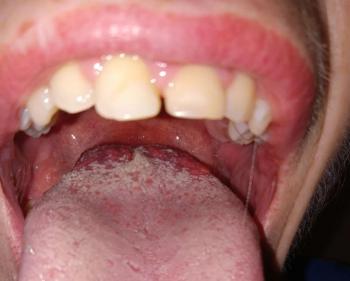
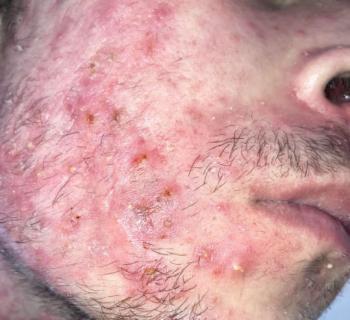
Patients with lower front gum inflammation may also experience tartar buildup, periodontal disease, gum abscesses, or tooth decay. Explore these related clinical case studies.



Other topics:
Other Dental Clinic
 |
 |
 |
 |