Dentures That Feel Natural, Look Beautiful.

Painful Missing Lower Molar: Causes of Gum Inflammation, Diagnosis, and Treatment
Image:
Severity:
Teeth Problems:
Understanding Gum Pain After Losing a Lower Molar
Losing a lower molar can affect more than your ability to chew. The surrounding gum tissue may become painful or inflamed, especially when food becomes trapped in the space, plaque accumulates, or the neighboring tooth and supporting tissues develop a problem.
As a dental professional would explain, a missing tooth does not automatically cause an infection. Pain in the area may come from several conditions, including gum inflammation, decay in an adjacent tooth, a periodontal pocket, a retained root fragment, or an infection that developed before or after the tooth was removed.
A careful dental examination is necessary to identify the actual cause rather than treating the symptoms alone.
Why Does the Gum Hurt Where a Lower Molar Is Missing?
1. Food trapping and plaque accumulation
The gap left by a missing molar can allow food particles to collect around the neighboring teeth and gumline. When plaque is not removed effectively, the gum tissue may become red, swollen, tender, or prone to bleeding.
Treatment may involve professional cleaning, careful home hygiene, and correction of any food-trapping area.
2. Infection or inflammation around a neighboring tooth
The tooth beside the missing molar may have decay, a cracked surface, or periodontal disease. These problems can cause pain that feels as though it originates from the empty tooth socket.
If there is a dental abscess, treatment may require drainage and treatment of the source of infection, such as root canal treatment or extraction when the tooth cannot be saved.
3. A retained root fragment or another local problem
Occasionally, a root fragment or another abnormality may remain after an extraction. A retained fragment does not always cause symptoms, but persistent pain, swelling, or drainage warrants examination and, when indicated, dental imaging.
4. Gum disease and bone loss
Periodontal disease affects the gums and the supporting bone around the remaining teeth. Symptoms can include bleeding gums, bad breath, gum recession, tenderness, and loose teeth. Advanced disease may be present even when pain is mild.
A dentist may assess gum pocket depths, tooth mobility, plaque levels, and bone support to determine the appropriate treatment.
5. A complication after recent tooth extraction
If the molar was removed recently, the socket should be assessed according to the stage of healing. Severe pain that begins or worsens a few days after extraction can be associated with dry socket, particularly when the pain radiates toward the ear or jaw. Dry socket is different from a spreading bacterial infection and requires professional assessment.
Persistent or increasing swelling, pus, fever, or worsening symptoms should not be dismissed as normal healing.
Professional Dental Diagnosis and Treatment
The correct treatment depends on the cause of the pain, the condition of the surrounding teeth, and whether the missing molar was extracted recently or lost long ago.
A dentist may recommend the following assessment and treatment steps.
Clinical examination: The dentist checks the gum tissue, neighboring teeth, bite, swelling, drainage, and tenderness. Periodontal probing may help identify gum pockets or localized periodontal disease.
Dental X-rays when indicated: Imaging can help evaluate the surrounding bone, tooth roots, possible retained fragments, and abnormalities near the missing molar. The type of X-ray depends on the clinical findings.
Professional cleaning: If plaque and hardened deposits are contributing to gum inflammation, professional cleaning and improved home care may help. Deeper periodontal cleaning may be required when gum disease affects the supporting tissues.
NHS
+1
Treatment of infection: If an abscess is present, treatment focuses on eliminating its source and draining the infection when needed. Depending on the diagnosis, this may involve root canal treatment for a neighboring tooth, periodontal treatment, or extraction if a tooth cannot be saved. Antibiotics are not routinely needed for every case of dental pain or localized infection; a dentist determines whether they are appropriate.
American Dental Association
+1
Replacement of the missing molar: Once active disease has been treated and the mouth is suitable for restorative care, the dentist can discuss whether replacing the missing tooth is advisable.
What Can You Do at Home While Waiting for a Dentist?
Home care can help control irritation, but it cannot reliably cure an abscess or identify the underlying cause.
-
Brush gently twice daily with fluoride toothpaste, paying particular attention to the gumline around the neighboring teeth.
-
Clean between the teeth daily using floss or an appropriately sized interdental brush.
-
Rinse gently with warm salt water if comfortable, then spit it out.
-
Choose soft foods and chew on the opposite side if chewing aggravates the area.
-
Avoid smoking and avoid repeatedly pressing, squeezing, or probing the painful gum.
-
If you need pain relief, ask a pharmacist or dentist about an appropriate over-the-counter medicine, taking account of your medical history, other medicines, and the product instructions.
Do not place aspirin directly on the gum, attempt to drain swelling yourself, or take leftover antibiotics without professional advice.
Arrange a prompt dental appointment for persistent pain, swelling, pus, or a bad taste. Seek urgent assessment for suspected dental infection accompanied by fever or rapidly worsening symptoms. Difficulty breathing or swallowing, substantial swelling in the mouth or neck, or swelling around the eye requires emergency medical care.
nhs.uk
+2
Should You Replace a Missing Lower Molar?
A missing lower molar can reduce chewing efficiency and change how the remaining teeth contact each other. Depending on the individual case, adjacent teeth may tilt or the opposing tooth may gradually move into the space. These changes are not inevitable, and not every missing molar requires immediate replacement.
After the gums are healthy and any active infection has been treated, possible options include:
-
Dental implant and crown: An implant placed in the jawbone supports a replacement tooth. Suitability depends on bone volume, gum health, general health, and other clinical factors. Bone grafting may sometimes be necessary.
-
Fixed dental bridge: A replacement tooth is supported by neighboring teeth. Whether this is suitable depends on the condition and position of those teeth.
-
Removable partial denture: A removable appliance replaces the missing tooth and may be appropriate depending on the patient's needs and oral condition.
A dentist should explain the benefits, limitations, costs, maintenance requirements, and risks of each option. Treatment should be individualized rather than selected solely on price.
American Dental Association
Short Patient Story: A Taxi Driver With a Painful Missing Lower Molar
Fictional educational story. This is not a real patient testimonial.
Ramon, a 46-year-old taxi driver in Cebu City, spent long hours on the road transporting passengers. Several months after losing one of his lower molars, he began noticing tenderness in the gum where the tooth had been.
At first, Ramon thought food was getting trapped in the empty space. He rinsed his mouth and continued working, hoping the discomfort would disappear. A few days later, the gum became more painful, and he noticed an unpleasant taste whenever he ate.
Concerned that the problem might interfere with his work, Ramon visited a dentist. During the examination, the dentist checked the gum tissue and neighboring teeth and recommended an X-ray to investigate the area.
The assessment helped the dentist determine the likely source of the symptoms and plan appropriate treatment. Ramon was advised to clean the area carefully and return for follow-up. Once the inflammation was controlled, he could discuss options for replacing his missing molar.
Ramon learned an important lesson: an empty tooth space should not automatically be blamed for every symptom. Persistent pain or swelling deserves a proper dental examination.
The lesson: Whether you drive a taxi, operate a business, or work long hours, do not ignore recurring gum pain. Early diagnosis may prevent a manageable dental problem from becoming more complicated.
Frequently Asked Questions
1. Can a missing lower molar cause gum inflammation?
The missing tooth itself does not automatically cause inflammation. Food trapping, plaque accumulation, gum disease, problems affecting neighboring teeth, or complications related to a recent extraction may contribute to symptoms. A dental examination is needed to establish the cause.
2. Why does the gum hurt even though the tooth is gone?
The gum, jawbone, neighboring teeth, and surrounding tissues can still develop painful conditions after tooth loss. For example, a neighboring tooth may have decay or an infection, or the area may have periodontal inflammation. An X-ray may be appropriate depending on the examination findings.
3. Does swollen gum around an empty molar always mean infection?
No. Swelling can result from irritation or inflammation without a bacterial abscess. However, pus, increasing pain, facial swelling, fever, or feeling generally unwell can indicate a more serious problem that needs urgent assessment.
4. Can antibiotics cure pain from a missing tooth?
Antibiotics do not replace a missing tooth and are not appropriate for every cause of dental pain. When an infection is present, the dentist must identify and treat its source. Antibiotics may be indicated in selected cases, particularly when infection has systemic involvement or other clinical factors warrant them. Never self-prescribe antibiotics.
5. Can I get a dental implant if my lower molar has been missing for years?
Possibly. A dentist must assess the available jawbone, gum health, neighboring teeth, bite, and medical history. Some patients can proceed with implant treatment, while others may need periodontal treatment or bone grafting first. A clinical examination and suitable imaging are necessary before confirming eligibility.
6. How soon should I see a dentist for painful gum tissue?
Book a dental assessment promptly if the pain persists, worsens, or is accompanied by swelling, pus, a bad taste, or pain when biting. Fever, facial swelling, or rapidly worsening symptoms warrant urgent care. Difficulty breathing or swallowing requires emergency medical attention.
7. Is it safe to leave a missing lower molar unreplaced?
Some patients can safely monitor a missing molar rather than replace it immediately. The decision depends on chewing function, tooth position, the opposing tooth, bone condition, and the overall dental situation. Regular dental reviews help identify changes before they become more difficult to manage.
Dental Services for a Painful Missing Lower Molar
A dental assessment may include:
-
Examination of painful or swollen gum tissue.
-
Evaluation of neighboring teeth for decay, cracks, and infection.
-
Dental X-rays when clinically indicated.
-
Professional cleaning and periodontal assessment.
-
Treatment planning for a confirmed dental infection.
-
Assessment for dental implants, bridges, or removable partial dentures.
-
Follow-up recommendations for gum health and long-term oral function.
The exact services required depend on the patient's diagnosis and treatment needs.
Our Dental Care Philosophy
“Treat the cause, protect the remaining teeth, and restore comfort with a personalized dental plan.”
Every missing tooth has a different clinical history. Compassionate dental care begins with listening to the patient's symptoms, examining the affected area, and explaining the available treatment options clearly.
Come Visit Our Clinic
If you have a painful missing lower molar, persistent gum inflammation, or concerns about replacing a lost tooth, arrange an examination with a qualified dentist.
Do not wait for severe pain or facial swelling before seeking advice. Early assessment can help identify the source of discomfort and determine whether you need gum treatment, treatment for a neighboring tooth, or a tooth-replacement consultation.
Visit Cebu Dental Implants to explore dental health information and learn more about missing-tooth treatment options.
Medical disclaimer: This article provides general educational information and does not replace a clinical dental examination, diagnosis, or individualized treatment plan.
Painful Missing Lower Molar With Gum Redness Case Analysis
What Is Seen in This Case
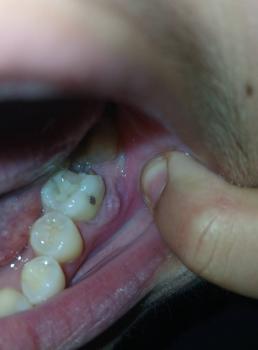
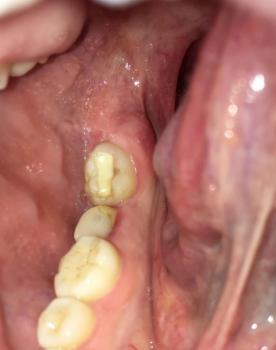
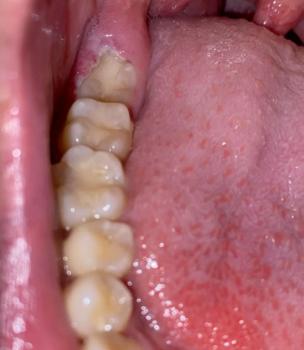
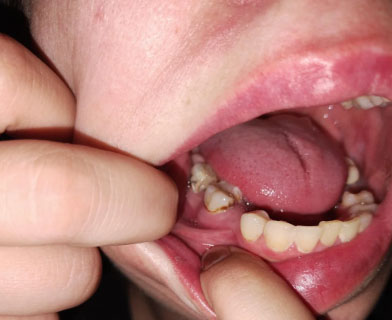
The image shows a missing lower back tooth (molar) with red, inflamed gum tissue around the empty space. Nearby teeth show signs of wear and possible decay, and the gum appears irritated, which may explain the discomfort or pain felt by the patient.
This combination suggests that although the tooth is already missing, the area is not completely stable or healthy.
Most Likely Diagnosis
Based on visual examination, the most likely conditions include:
-
Missing lower molar with incomplete healing or irritation
-
Gum inflammation at the extraction site
-
Possible food impaction in the empty space
-
Early infection or irritation from neighboring teeth
-
Risk of bone loss in the missing tooth area
A dental examination and X-ray are required to confirm bone and gum condition.
What Causes Pain After a Tooth Is Missing
Common causes include:
-
Food trapped in the empty space
-
Gum tissue irritation from chewing forces
-
Shifting of nearby teeth
-
Early infection or inflammation
-
Exposed or thinning bone after extraction
Pain after tooth loss is a sign that the area needs attention.
Is This a Serious Problem
This condition can become serious if ignored. If left untreated, it may scale up into:
-
Persistent gum pain and swelling
-
Infection of the gum or bone
-
Progressive bone loss
-
Tilting of nearby teeth
-
Difficulty chewing
-
Reduced success for future implant placement
Early treatment helps prevent long-term complications.
Recommended Treatment Process
Initial Assessment (Days 1–3)
-
Dental examination
-
Dental X-ray to check bone and gum condition
-
Evaluation of nearby teeth
Active Treatment Phase (Days 4–7)
Treatment may include:
-
Professional cleaning of the area
-
Treatment of gum inflammation or infection
-
Temporary medication if infection is present
-
Planning for tooth replacement
Replacement Planning (Days 8–14)
Depending on bone and budget, options may include:
-
Dental implant
-
Fixed dental bridge
-
Removable partial denture
Expected Healing Time
-
Gum irritation improvement: 5–7 days
-
Full gum stabilization: up to 14 days
-
Bone preservation depends on timely tooth replacement
What Happens If Treatment Is Delayed
If treatment is delayed beyond 14 days, the condition may worsen and lead to:
-
Ongoing pain and swelling
-
Bone shrinkage in the missing tooth area
-
Increased difficulty placing implants
-
Bite imbalance
-
Higher treatment costs
Replacing the tooth early protects oral health.
Home Care While Waiting for Treatment
These steps may reduce discomfort but do not replace dental care:
-
Rinse gently with warm salt water
-
Clean the area carefully after meals
-
Avoid chewing hard food on that side
-
Schedule a dental visit promptly
Professional Comment
This case shows a painful missing lower molar with gum inflammation, indicating the area is under stress. Early evaluation, infection control, and replacement planning are essential to restore comfort and prevent bone loss.
Visit a Dental Clinic Near You
For evaluation and tooth replacement planning, visit:
https://cebudentalimplants.com/map-dental-clinic
Related Clinical Cases
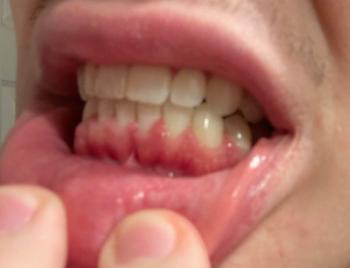
Patients with lower front gum inflammation may also experience tartar buildup, periodontal disease, gum abscesses, or tooth decay. Explore these related clinical case studies.