Where Bright Smiles Begin.

Teenager Bleeding Gums Around Molars: Dental Expert Advice, Scaling, Prevention, and FAQs
Image:
Severity:
Teeth Problems:
Why Do Teenagers Experience Bleeding Gums Around Their Back Teeth?
Bleeding gums around the molars are a common warning sign that the gum tissue may be inflamed. One possible cause is plaque-induced gingivitis, which develops when bacterial plaque accumulates along the gumline.
Teenagers may be more vulnerable to gum inflammation because of inconsistent brushing, frequent snacking, sugary drinks, orthodontic appliances, and difficulty cleaning the back teeth properly. Hormonal changes during puberty can also make the gums more sensitive to plaque.
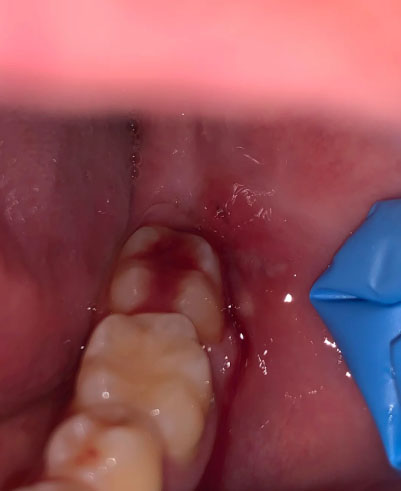
In the case discussed in our teenager bleeding gums and molar scaling analysis, the reported visual findings include localized bleeding, redness, and plaque near a molar. These findings are consistent with possible gingivitis, but a photograph alone cannot confirm the diagnosis or determine whether deeper periodontal disease is present.
Dental Expert Explanation: Why Molar Gum Inflammation Should Not Be Ignored
From a clinical perspective, bleeding during brushing or flossing should not be considered normal. Healthy gums generally do not bleed during routine oral hygiene.
When plaque remains along the gumline, bacteria can trigger an inflammatory response. The affected tissue may become red, swollen, tender, and more likely to bleed when touched.
The molars deserve particular attention because their position and chewing surfaces can make them harder to clean. Plaque may accumulate behind the last teeth and between adjacent molars, especially when brushing is rushed.
Important distinction: Gingivitis affects the gums and is generally reversible with effective plaque control and appropriate professional care. Periodontitis is a more advanced condition involving damage to the tissues and bone supporting the teeth. Bleeding alone does not prove that bone loss has occurred.
How Professional Scaling Helps Bleeding Gums
A dentist or qualified dental professional can examine the teenager's gums, identify plaque and hardened tartar, and determine whether professional cleaning is appropriate.
Treatment may include:
-
Dental examination: The dentist reviews symptoms, oral hygiene, medications, and relevant medical history.
-
Professional scaling: Plaque and hardened calculus are removed from the teeth, including around the molars and gumline.
-
Periodontal assessment: If deeper pockets or other concerning findings are present, the dentist may measure gum pockets and recommend X-rays when clinically indicated.
-
Personalized oral hygiene instruction: The teenager learns how to brush the gumline and clean between the teeth effectively.
-
Follow-up: Persistent bleeding, swelling, or tenderness should be reassessed rather than assumed to be normal healing.
Routine scaling is often sufficient for plaque-induced gingivitis. Deep cleaning below the gumline, also called scaling and root planing, is generally reserved for patients who have periodontal pockets and other findings consistent with periodontitis.
The dentist should determine the appropriate treatment rather than automatically recommending deep cleaning for every teenager with bleeding gums.
At-Home Care After Professional Cleaning
Consistent home care is essential because plaque begins accumulating again after cleaning.
-
Brush twice daily for approximately two minutes with a soft-bristled toothbrush and fluoride toothpaste.
-
Angle the toothbrush gently toward the gumline and clean every tooth surface, including the last molars.
-
Clean between the teeth daily using floss or appropriately sized interdental brushes.
-
Spit out toothpaste after brushing rather than rinsing immediately with water.
-
Reduce frequent sugary snacks and sweetened drinks.
-
Avoid aggressive brushing, sharp toothpicks, and attempts to scrape tartar off at home.
-
Use medicated mouthwash only when recommended by a dental professional.
Mild tenderness or temporary bleeding can occur after cleaning, particularly when the gums were already inflamed. However, persistent or worsening bleeding needs dental reassessment.
Short Story: The Hair Stylist Who Neglected Her Teeth
An illustrative educational story, not a real patient testimonial.
Mia was a young hair stylist who spent most of her day serving customers in a busy salon. She took pride in her appearance, styled her clients' hair carefully, and made sure every appointment ran on time.
However, her own dental routine was often rushed. On busy mornings, she sometimes skipped brushing before leaving home. During work, she frequently sipped sweetened coffee and ate snacks between appointments. At night, exhaustion made her postpone flossing and occasionally fall asleep without brushing.
After several months, Mia noticed blood on her toothbrush and a bad taste in her mouth. Her gums around the back molars looked red, but because the bleeding was painless, she assumed it was harmless.
Eventually, she booked a dental appointment. The dentist explained that plaque accumulation could be irritating her gums and that the molar area needed more careful cleaning. After an examination, she received professional cleaning appropriate for her condition and instructions on improving her daily routine.
Mia began brushing twice daily, cleaning between her teeth, and reducing how frequently she consumed sugary drinks. She also scheduled follow-up care to check her gum health.
The experience taught her an important lesson: looking after other people's appearance should not come at the expense of her own health.
The lesson: Whether you are a hair stylist, student, athlete, or busy professional, bleeding gums deserve attention. A consistent oral hygiene routine and timely dental care can help prevent a manageable gum problem from becoming more serious.
When Should a Teenager See a Dentist?
Arrange a dental appointment if bleeding occurs repeatedly during brushing or flossing, or if the gums are swollen, red, painful, or associated with persistent bad breath.
Seek urgent dental assessment for significant swelling, pus, severe pain, or a loose permanent tooth. Facial or neck swelling accompanied by fever, difficulty swallowing, or difficulty breathing requires urgent medical attention; difficulty breathing or swallowing is an emergency.
Bleeding that is spontaneous, unusually heavy, or accompanied by easy bruising or bleeding elsewhere also warrants prompt medical assessment because causes other than gum disease may be involved.
Frequently Asked Questions
1. Why do my gums bleed around my molars when I brush?
The most common explanation is inflammation caused by plaque along the gumline. Other possibilities include brushing trauma, food impaction, dental decay near the gum, or other oral conditions. A dental examination can identify the cause.
2. Is bleeding gums normal during puberty?
Hormonal changes during puberty can increase the gums' response to plaque, making inflammation more noticeable. However, repeated bleeding should not be dismissed as a normal part of growing up. Good oral hygiene and dental assessment are important.
3. Does every teenager with bleeding gums need scaling?
No. The dentist first determines whether plaque or calculus is present and assesses gum health. Professional scaling is useful when deposits need to be removed, but treatment depends on the clinical findings.
4. Can bleeding gums heal without professional cleaning?
Mild plaque-induced gingivitis may improve with thorough daily brushing and interdental cleaning. However, hardened tartar cannot be reliably removed at home. A dentist should determine whether professional cleaning is needed.
5. How long does it take for gums to stop bleeding after scaling?
Some people notice improvement within several days, while inflammation may take one to two weeks or longer to settle, depending on the severity and consistency of home care. There is no guaranteed healing timeline. Persistent or worsening bleeding should be reviewed by a dentist.
6. Can brushing too hard cause bleeding gums?
Yes. Excessive pressure or a hard-bristled toothbrush can injure gum tissue. Use a soft-bristled brush and gentle, controlled movements. Do not stop cleaning the gumline simply because it bleeds; instead, improve your technique and arrange a dental assessment.
7. Can sugary drinks cause bleeding gums?
Sugar does not directly cause every episode of gum bleeding, but frequent sugar consumption increases the risk of tooth decay. Sugary drinks and frequent snacking can also contribute to an oral environment that makes maintaining dental health more difficult. Plaque control remains essential for preventing gingivitis.
8. Does bleeding around one molar mean periodontitis?
Not necessarily. Localized bleeding can occur with gingivitis, plaque accumulation, food impaction, or other dental problems. Periodontitis requires clinical assessment for signs such as periodontal pocketing and supporting tissue or bone loss.
9. Should teenagers use antiseptic mouthwash for bleeding gums?
Not automatically. Brushing with fluoride toothpaste and cleaning between the teeth are the foundation of care. A dentist may recommend a particular mouthwash for a specific reason. Some antiseptic products can cause staining or other side effects if used incorrectly or for too long.
10. Can untreated bleeding gums lead to tooth loss?
Simple gingivitis does not destroy the bone supporting the teeth. However, if periodontal disease develops and progresses, it can damage supporting tissues and eventually lead to loose teeth or tooth loss. Early assessment helps identify and manage the problem.
11. When is bleeding gums a medical concern rather than just a dental problem?
Seek medical evaluation if bleeding is unexplained, unusually heavy, or associated with frequent nosebleeds, easy bruising, or bleeding elsewhere. Some medications and medical conditions can affect bleeding. Do not stop prescribed medication without consulting the prescribing clinician.
12. How can parents help teenagers prevent bleeding gums?
Parents can encourage twice-daily brushing, daily interdental cleaning, regular dental checkups, fewer sugary snacks and drinks, and early reporting of bleeding or swelling. A practical routine and positive reinforcement are often more effective than waiting until pain develops.
Teeth Case – Zoom 100%
Focused Area: Posterior molar region and surrounding gum tissue (teenage patient)
Full Analysis and Deep Visual Examination
This assessment is based on the provided image only and does not replace a full dental examination, periodontal probing, or X-rays.
Observed Findings
-
Localized active gum bleeding adjacent to the molar
-
Red and inflamed gingival tissue, indicating irritation
-
Presence of plaque accumulation along the gum margin
-
Area is anatomically difficult to clean, increasing bacterial retention
-
Tooth crown appears intact with no obvious fracture visible at this magnification
Probable Diagnosis
-
Plaque-induced gingivitis in the molar region
-
Localized gingival inflammation, possibly aggravated by poor oral hygiene
-
Early periodontal risk if untreated
Recommended Treatment Process
Step 1: Full Mouth Scaling and Polishing (Day 1)
-
Ultrasonic scaling to remove plaque and early calculus
-
Manual scaling around molars and gum margins
-
Polishing to smooth tooth surfaces and reduce plaque retention
Estimated duration: 45–60 minutes
Local anesthesia: May be considered if gum sensitivity is high
Step 2: Healing and Recovery Timeline
| Time Frame | Expected Healing Progress |
|---|---|
| Days 1–3 | Bleeding decreases, tenderness may remain |
| Days 4–7 | Gum inflammation visibly reduces |
| Days 8–14 | Gum tissue stabilizes and returns to healthy color |
A 14-day healing period is realistic with proper oral hygiene and compliance.
Potential Issues if Scaling Is Not Performed
-
Persistent gum bleeding
-
Progression from gingivitis to early periodontitis
-
Formation of periodontal pockets around molars
-
Bone support loss in the posterior region
-
Increased risk of tooth mobility in later stages
Post-Treatment Care Recommendations
-
Brush twice daily using a soft-bristle toothbrush
-
Focus cleaning on back teeth and gum margins
-
Floss daily or use interdental brushes
-
Rinse with warm salt water or dentist-recommended mouthwash
-
Avoid sugary snacks and carbonated drinks during healing
Professional Comment
Gum inflammation in teenagers is often underestimated. Posterior teeth are commonly missed during brushing, allowing gingivitis to progress silently. Early professional scaling can completely reverse this condition when addressed promptly.
Visit a Dental Clinic Near You
For professional scaling and gum evaluation, search for a nearby dental clinic using our directory:
https://cebudentalimplants.com/map-dental-clinic
Final Dental Advice
Bleeding around a teenager's molars is a reason to investigate gum health, not a reason to panic. Plaque-induced gingivitis is a common and treatable possibility, but the correct diagnosis depends on a clinical examination.
Professional cleaning when indicated, consistent oral hygiene, and follow-up care can help protect the gums and preserve the natural teeth.
Medical disclaimer: This article is for educational purposes and does not replace a personalized dental examination, diagnosis, or treatment plan. Seek care from a qualified dental professional for persistent symptoms.
Related Clinical Cases
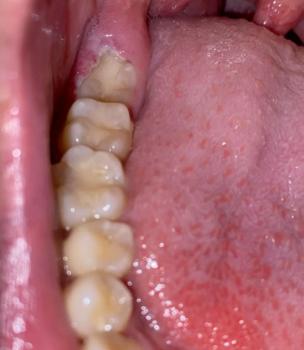
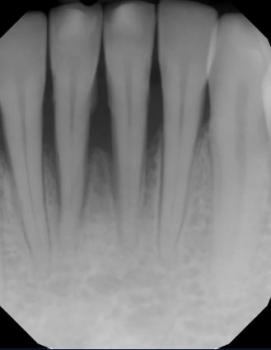
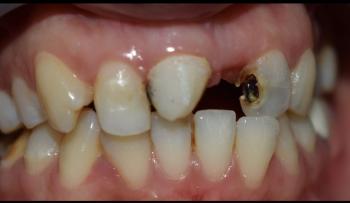
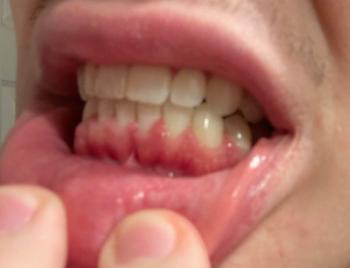
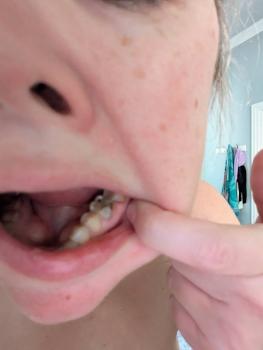
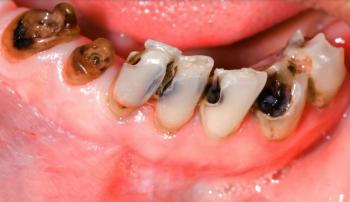
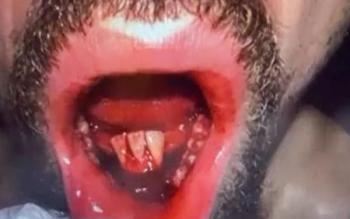
Patients with lower front gum inflammation may also experience tartar buildup, periodontal disease, gum abscesses, or tooth decay. Explore these related clinical case studies.

Other topics:
Other Dental Clinic
 |
 |
 |
 |