Because Every Tooth Deserves Care.

Ear Pain After Tooth Extraction: Causes, Relief & When to Worry
Image:
Severity:
Teeth Problems:
A Clinical Guide from an Idaho Dental Bone Graft Expert (10 Years Experience)
Ear pain after a tooth extraction can feel alarming. Many patients assume something is wrong with their ear—but in most cases, the source is actually your dental procedure.
After 10 years of treating extraction and implant cases in Idaho, I can tell you this clearly:
Ear pain after tooth extraction is usually referred pain—and often completely normal.
But timing and pattern matter. In this guide, you’ll learn:
- Why ear pain happens after extraction
- When it’s normal and when it’s not
- Real case experience
- Recovery timeline
- Cost comparison (USA vs Philippines)
- Insurance and financing options
- How to choose the right clinic
Additional Content: Ear Pain After Tooth Extraction — Causes, Recovery, and Warning Signs
Why Can Tooth Extraction Pain Spread to the Ear?
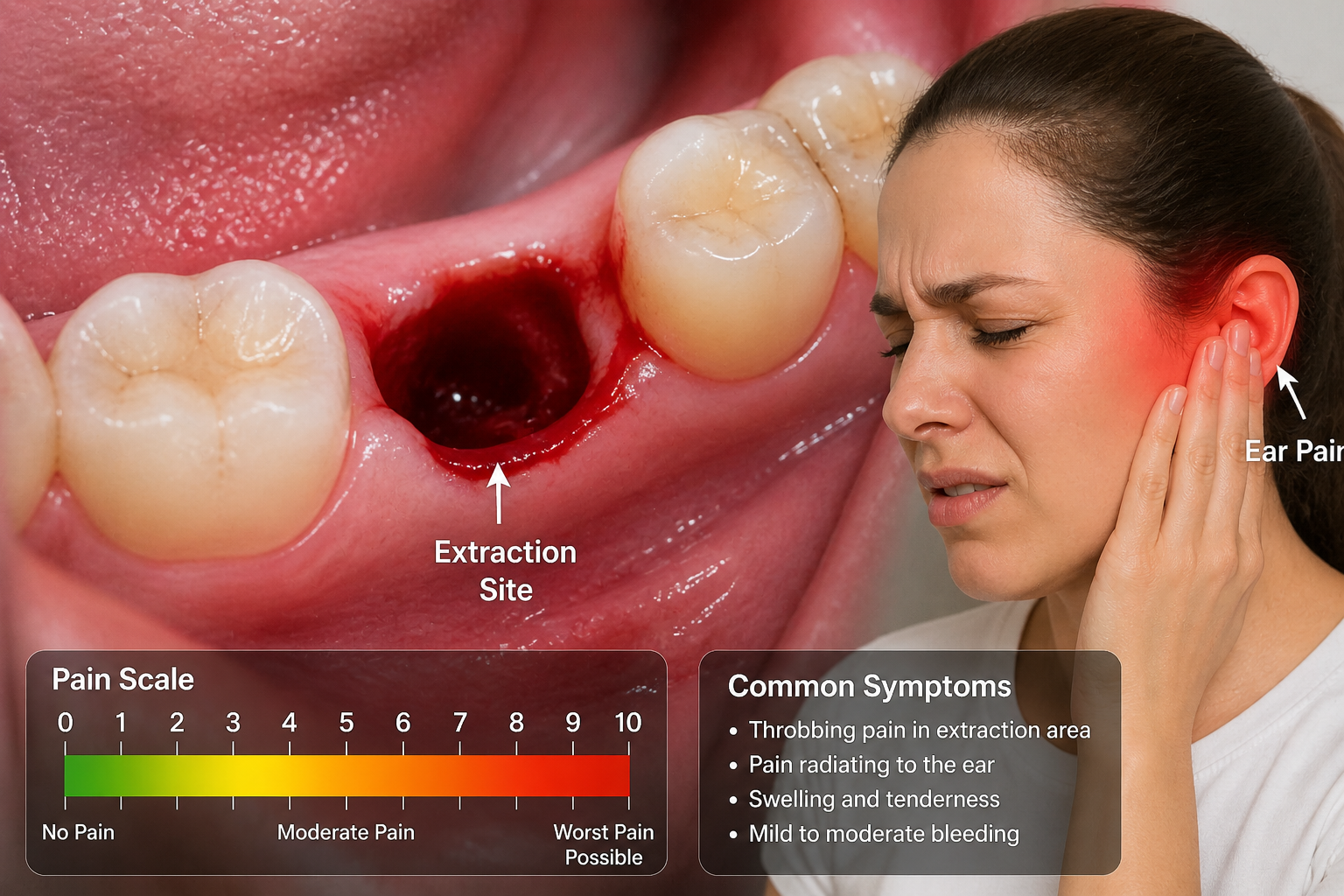
Ear pain after a tooth extraction may occur because the teeth, jaw, and ear region share sensory nerve pathways. The trigeminal nerve, in particular, carries sensation from much of the face, teeth, and jaw. As a result, pain originating in the extraction site or jaw muscles may be perceived near the ear. This is known as referred pain.
This is especially relevant after removing a lower molar or wisdom tooth, because these procedures may involve manipulation of the surrounding gum tissue, jawbone, and muscles.
Mild ear discomfort accompanied by jaw soreness can occur during early recovery. However, ear pain should gradually improve as healing progresses. Severe, persistent, or worsening pain should not automatically be considered a normal part of recovery.
Five Possible Causes of Ear Pain After Tooth Extraction
1. Referred Pain From the Extraction Site
The extraction wound and surrounding tissues may remain tender for several days. Pain can radiate toward the ear, temple, or side of the jaw.
What patients may notice:
-
A dull ache around the jaw and ear.
-
Tenderness when chewing or opening the mouth.
-
Discomfort that gradually improves over the first several days.
What to do: Follow your dentist's aftercare instructions and use recommended pain medication as directed. If the pain worsens rather than improves, arrange a dental examination.
2. Jaw Muscle Strain and Temporomandibular Joint Irritation
Keeping the mouth open for an extended period during extraction may strain the muscles and joints responsible for jaw movement. The temporomandibular joint (TMJ), located just in front of each ear, can also become irritated.
Possible symptoms include jaw stiffness, tenderness near the ear, discomfort when chewing, and difficulty opening the mouth fully.
Resting the jaw, eating soft foods, and avoiding excessive chewing may help. Do not force your mouth open if movement is painful. Contact your dentist if the limitation is significant, worsening, or persistent.
3. Dry Socket (Alveolar Osteitis)
Dry socket occurs when the protective blood clot in the extraction socket is lost or breaks down prematurely, exposing the underlying bone and nerve endings.
It commonly develops within the first few days after extraction and can cause severe pain that radiates to the ear, temple, or jaw.
Warning signs include:
-
Pain that becomes significantly worse after initially improving.
-
Deep, throbbing pain that may interfere with sleep.
-
An unpleasant taste or bad breath.
-
Pain that does not respond adequately to the recommended pain medicine.
A dentist must examine the extraction site to determine whether dry socket is present. Treatment may involve gently cleaning the socket and placing a medicated dressing for pain relief. Antibiotics are not routinely required for dry socket unless there is a separate indication, such as a bacterial infection.
Do not probe the socket or attempt to pack it with household materials.
4. Infection at the Extraction Site
An infection may develop when bacteria affect the healing tissues or a dental abscess or other infection has not fully resolved.
Symptoms that raise concern include increasing facial or gum swelling, pus, fever, worsening pain, or a persistent foul taste. Swelling that continues to increase or returns after initially improving also deserves prompt assessment.
Contact your dentist urgently if these symptoms develop. Treatment depends on the source and severity of the infection and may require drainage or another dental procedure, with antibiotics when clinically indicated.
Important: Antibiotics alone may not resolve an infection if the underlying source requires dental treatment. Do not take leftover antibiotics or begin a new course without professional advice.
5. A Separate Ear Problem
Not all ear pain following a dental procedure originates in the mouth. An ear infection, ear canal inflammation, or another ear condition may occur at the same time.
Ear discharge, noticeable hearing changes, dizziness, or pain that is not clearly associated with jaw movement may suggest that the ear itself needs assessment.
If your dentist cannot identify a dental cause, seek evaluation by a medical professional. Dental and ear conditions can produce similar symptoms, so examination is important.
How Long Should Ear Pain Last After Tooth Extraction?
Recovery varies depending on the tooth removed, the complexity of the procedure, and the patient's health.
-
First 24–48 hours: Tenderness, jaw soreness, and mild referred pain may occur.
-
Days 2–3: Pain and swelling can be relatively pronounced during this period, particularly after surgical or wisdom tooth extraction. The overall trend should begin to improve afterward.
-
Days 4–7: Many patients experience progressively less pain and improved jaw movement. Persistent or increasing pain warrants reassessment.
-
After one week: Continuing or worsening ear pain should be evaluated rather than attributed automatically to normal healing.
These timeframes are general guides, not diagnostic rules. Dry socket may develop during the first few days, while infection or a separate ear condition can follow a different course.
Safe Ways to Relieve Ear Pain at Home
Follow Your Prescribed Pain-Relief Plan
Use pain medicine recommended by your dentist or healthcare professional, following the label and prescribed dose. Ibuprofen or paracetamol (acetaminophen) may be appropriate for some adults, but suitability depends on medical history, other medicines, allergies, pregnancy status, and other risk factors.
Ask a pharmacist or clinician before using these medicines if you have kidney or liver disease, stomach ulcers, take blood-thinning medication, or have other relevant medical conditions.
Apply a Cold Compress When Appropriate
During the first 24–48 hours, a cold pack wrapped in a cloth and applied externally to the cheek for short intervals may help reduce swelling and discomfort. Do not place ice directly on the skin.
After the initial period, gentle warmth may help some muscle-related soreness if your dentist has not advised otherwise. Avoid excessive heat.
Choose Soft Foods
Eat foods that require minimal chewing, such as soft rice, eggs, porridge, mashed vegetables, or yogurt. Avoid hard, crunchy foods and chewing directly over the extraction site while it heals.
Protect the Blood Clot
During the early healing period, avoid smoking, vaping, drinking through a straw, forceful spitting, and vigorous rinsing. These actions can disturb the clot and increase the risk of dry socket.
After the first 24 hours, gentle warm saltwater rinses may be appropriate unless your dentist has instructed otherwise. Let the liquid move gently around the mouth rather than forcefully swishing it.
Maintain Gentle Oral Hygiene
Continue brushing your other teeth carefully while avoiding direct trauma to the extraction wound. Follow any specific instructions provided by your dentist or oral surgeon.
Home care can help manage uncomplicated soreness, but it cannot treat every cause of ear pain.
When Is Ear Pain After Tooth Extraction an Emergency?
Seek emergency medical care immediately if you experience:
-
Difficulty breathing or swallowing.
-
Rapidly spreading swelling of the face, jaw, neck, or floor of the mouth.
-
Severe swelling that interferes with opening the mouth or handling saliva.
-
Signs of a serious systemic illness, such as confusion or marked weakness accompanying a suspected infection.
Contact your dentist urgently for fever, pus, increasing swelling, severe pain, or pain that worsens after initially improving. Do not wait for the pain to become unbearable.
Frequently Asked Questions
Is ear pain normal after wisdom tooth extraction?
It can be. Referred pain and jaw muscle soreness may cause discomfort near the ear, particularly after lower wisdom tooth removal. Severe or worsening pain, however, requires assessment for dry socket, infection, or another cause.
Does ear pain mean I have a dry socket?
No. Ear pain alone cannot diagnose dry socket. Dry socket is more likely when substantial pain develops or worsens a few days after extraction, particularly when the pain radiates toward the ear and is accompanied by an unpleasant taste or odor. A dentist must examine the site.
Can dry socket heal without treatment?
Dry socket eventually heals, but the pain can be intense. Professional cleaning and a medicated dressing can provide relief and support recovery. Contact your dentist rather than waiting through severe pain.
Should I take antibiotics for ear pain after extraction?
Not automatically. Referred pain and dry socket do not necessarily require antibiotics. Antibiotics are used when a bacterial infection warrants them, based on clinical assessment. Unnecessary antibiotics can cause side effects and contribute to antimicrobial resistance.
Can I use ear drops for pain after tooth extraction?
Do not assume ear drops will help. If the pain originates from the extraction site or jaw, ear drops will not address the cause. Ear drops may also be inappropriate for certain ear conditions. Seek medical advice if an ear problem is suspected.
Why does my ear hurt more when I chew?
Chewing activates the jaw muscles and temporomandibular joint near the ear. This may aggravate muscle strain or referred dental pain. If chewing causes severe pain, or symptoms are worsening, arrange an examination.
When can I return to normal activities?
Many patients resume light activities within a day or two, depending on the procedure and how they feel. Follow your dentist's instructions and avoid strenuous exercise for the period recommended after surgery, especially if bleeding or significant pain continues.
What if my ear still hurts one week after extraction?
Persistent ear pain after a week deserves professional evaluation, especially if it is not improving. The cause could be a delayed dental complication, jaw joint irritation, or a separate ear condition. Your dentist or a medical professional can determine the appropriate next step.
Final Clinical Advice
Ear pain after tooth extraction can result from normal tissue healing, referred nerve pain, or jaw muscle strain. Nevertheless, the direction of your symptoms matters more than the number of days alone. Pain that steadily improves is generally more reassuring than pain that becomes severe, returns after improvement, or occurs with fever, pus, or increasing swelling.
If you are uncertain about your recovery, contact the dentist who performed the extraction. Early assessment can identify complications and prevent avoidable delays in treatment.
Medical disclaimer: This article is for educational purposes only and does not replace an individual examination, diagnosis, or treatment plan from a licensed dental or medical professional.
Suggested references for readers:
-
Cleveland Clinic — Dry Socket
-
American Dental Association, MouthHealthy — Dry Socket
-
Cleveland Clinic — Tooth Extraction: Surgery & Healing
-
Cleveland Clinic — Ear Pain (Earache, Otalgia)
Why Ear Pain Happens After Tooth Extraction
Your teeth, jaw, and ear share nerve pathways—especially through the trigeminal nerve.
When a tooth is removed:
- Nearby nerves are irritated
- Pain signals travel to the ear
- The brain interprets it as ear pain
Key Insight
The ear is not the problem—the nerve pathway is.
Common Causes of Ear Pain After Extraction
1. Referred Pain
Most common cause.
- Pain travels from jaw to ear
- Typically occurs in first few days
2. Inflammation
Swelling increases pressure around nerves.
3. Jaw Muscle Strain
Keeping your mouth open during surgery can strain muscles near the ear.
4. Dry Socket
More serious cause.
- Exposed bone
- Intense radiating pain
5. Infection
Less common but serious.
- Pain + swelling + fever
Ear Pain Timeline: What Is Normal
Day 1–2: Mild Ear Discomfort
What You Feel
- Dull ache near ear
- Mild jaw stiffness
Day 2–3: Peak Ear Pain
What You Feel
- Increased ear pressure
- Radiating pain
Clinical Insight
This is the normal peak phase.
Day 4–5: Improvement
- Ear pain decreases
- Jaw movement improves
Day 6–7: Minimal Pain
- Slight sensitivity only
Week 2: Normal
- Ear pain gone
When Ear Pain Is NOT Normal
1. Pain Worsens After Day 3
Likely Cause
Dry socket
2. Severe Radiating Pain to Ear
Likely Cause
Nerve exposure
3. Ear Pain with Fever
Likely Cause
Infection
4. Persistent Pain Beyond 2 Weeks
Likely Cause
Delayed healing or complication
Real Case from My Idaho Practice
Patient: Sarah, 39
Situation
- Wisdom tooth extraction
Day 2–3
- Ear pain developed
- Radiating jaw discomfort
Diagnosis
Normal referred pain
Treatment
- Pain management
- Cold compress
Outcome
- Pain resolved by Day 6
Expert Insight
Ear pain often feels worse than it is—but the timeline tells the truth.
Cost Comparison: USA vs Philippines
USA (Example: Idaho)
- Extraction: $250 – $700
- Follow-up visit: $100 – $300
- Dry socket treatment: $150 – $500
- Infection care: $300 – $1,200
Philippines
- Extraction: $50 – $150
- Follow-up care: $50 – $150
- Dry socket treatment: $50 – $150
- Infection care: $100 – $300
Key Insight
Pain complications increase total cost significantly.
Insurance Policy Coverage
Major Providers
- Delta Dental
- Cigna
Coverage
- Extraction: partial
- Complications: limited
Limitation
Preventable issues may not be covered.
Financing Options (Private & Public)
Private Financing
- CareCredit
- LendingClub
Public Assistance
- Medicaid (limited dental support)
- Veterans dental programs
Expert Advice
Prevent complications to avoid extra cost.
Recovery Timeline Summary
| Stage | Ear Pain Level | Meaning |
|---|---|---|
| Day 1–2 | Mild | Normal |
| Day 2–3 | Peak | Inflammation |
| Day 4–5 | Improving | Healing |
| Day 6–7 | Minimal | Stabilizing |
| Week 2 | None | Recovery |
Best Clinics to Visit (How to Choose)
USA
Look for:
- Oral surgeons
- Implant specialists
- CBCT imaging
Philippines
Top locations:
- Manila
- Cebu
Key Criteria
- Bone graft experience
- Transparent pricing
- Strong patient reviews
How to Reduce Ear Pain
1. Cold Compress (First 48 Hours)
2. Switch to Warm Compress After
3. Take Prescribed Medication
4. Rest Jaw Muscles
5. Eat Soft Foods
Common Mistakes That Worsen Ear Pain
- Chewing hard foods
- Ignoring pain progression
- Smoking early
- Skipping medication
Ear Pain vs Serious Problem
| Symptom | Likely Cause |
|---|---|
| Mild ear ache | Normal |
| Sharp radiating pain | Dry socket |
| Pain + fever | Infection |
| Long-lasting pain | Delayed healing |
FAQ: Ear Pain After Tooth Extraction
1. Is ear pain normal after extraction?
Yes, due to shared nerve pathways.
2. When does ear pain peak?
Day 2–3.
3. When should I worry?
If pain worsens after Day 3 or includes fever.
4. How long does ear pain last?
Typically 3–7 days.
5. Is ear pain a sign of dry socket?
Sometimes—especially if severe and worsening.
6. What helps ear pain most?
Medication, rest, and proper care.
Related Topics
1. Throbbing Pain After Extraction
Understand pain patterns and causes
2. Jaw Pain After Tooth Removal
Learn about muscle and joint involvement
3. How to Prevent Dry Socket
Protect your healing process
Final Thoughts from an Idaho Expert
After a decade of clinical experience, one truth stands out:
Ear pain after tooth extraction is common—but predictable.
The key is simple:
- Expect early discomfort
- Monitor the timeline
- Act if symptoms worsen
Because in recovery:
Pain that improves is normal.
Pain that worsens is a warning.
Understanding this difference can save you from unnecessary stress, cost, and complications—and ensure a smooth recovery.
Related Clinical Cases
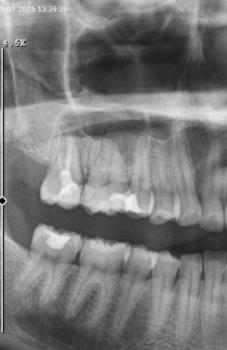
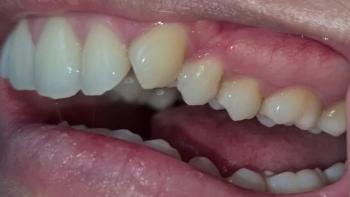
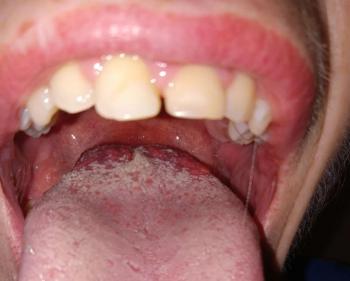
Patients with lower front gum inflammation may also experience tartar buildup, periodontal disease, gum abscesses, or tooth decay. Explore these related clinical case studies.



Other topics:
Other Dental Clinic