Missing Teeth? Find Your Smile Again.

Why Are My Gums Still Swollen After Medicine? Dental Infection Warning Signs Explained
Image:
Severity:
Teeth Problems:
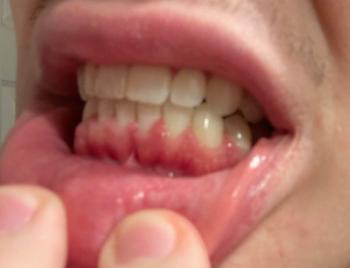
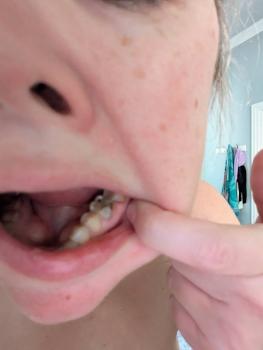
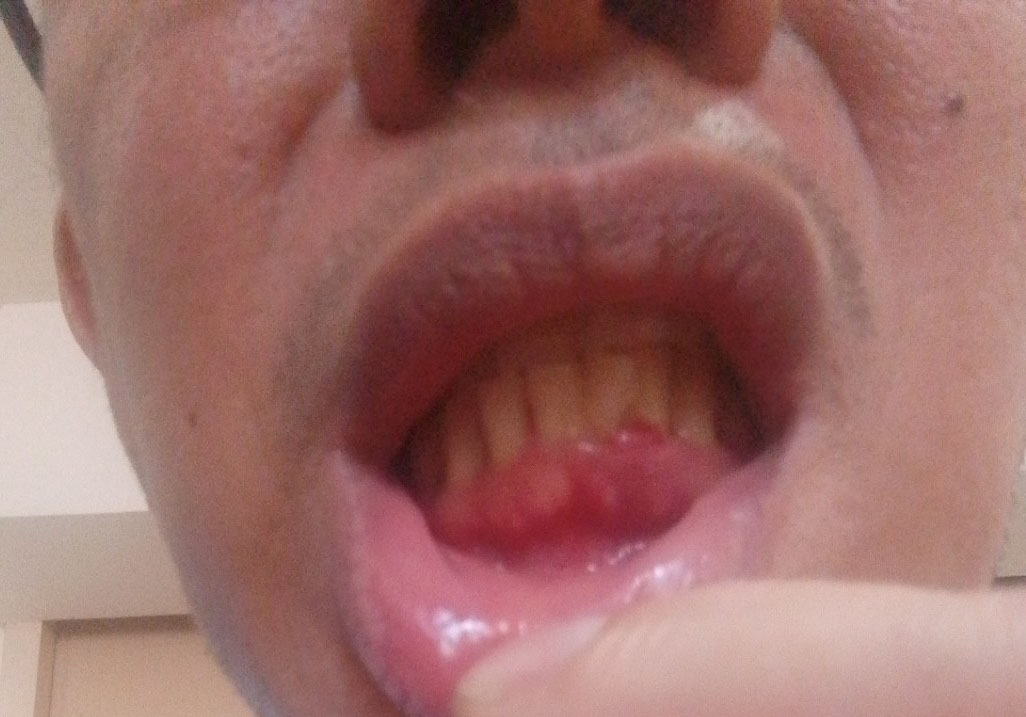
From the photo, the swelling looks like a localized gum infection or gum abscess on the lower front gums. The bright red swollen bump suggests inflammation, and it may be caused by:
- trapped food/bacteria
- tartar buildup
- gum trauma
- infected tooth root nearby
- periodontal infection
It does not look normal simple irritation anymore.
What you should do now:
- Continue Betadine gargle, but only:
- 30–60 seconds
- 2–3x daily maximum
- Start warm saltwater rinses
- This is very important for swelling
- Warm water + 1/2 tsp salt
- Gentle rinse every few hours
- Brush gently around the area
- Use soft toothbrush
- Do not scrub hard
- Keep the area clean
- Avoid:
- smoking
- alcohol
- spicy food
- very hot drinks
- poking the swollen area
- Cold compress outside the lip
- 10–15 minutes
- helps reduce swelling
- Watch for these danger signs:
- pus
- fever
- facial swelling
- throbbing tooth pain
- swelling spreading
- difficulty swallowing
Why Are My Gums Still Swollen After Medicine? Additional Expert Dental Guidance
Understanding Persistent Gum Swelling After Medication
Swollen gums that remain enlarged after medication require careful dental evaluation. Although some inflammation may take time to settle, persistent or worsening swelling can indicate that the underlying cause has not been fully treated.
From a clinical perspective, the most important question is not simply whether the medicine has reduced the pain. It is whether the source of the inflammation or infection has been identified and controlled.
A patient may feel less pain while an infection remains active. Therefore, improvement in discomfort does not always mean that the affected tooth and surrounding gum tissues have healed completely.
According to guidance from the American Dental Association, many dental infections require definitive dental treatment rather than antibiotics alone. Depending on the diagnosis, treatment may involve draining an abscess, performing root canal treatment, removing a tooth that cannot be saved, or treating periodontal disease.
Five Reasons Your Gums May Remain Swollen
1. An Abscess May Still Contain Pus
A dental abscess is a localized collection of pus caused by infection. It may develop near a tooth root or within the gum tissues surrounding a tooth.
Antibiotics may help control bacterial spread when indicated, but they do not always eliminate the collection of pus or remove the original source of infection.
A dentist may need to drain the abscess and treat the affected tooth or periodontal tissues. Never attempt to puncture, squeeze, or drain a gum abscess at home.
2. The Tooth May Have an Infected or Damaged Pulp
Deep tooth decay, cracks, or trauma can damage the dental pulp, which contains nerves and blood vessels inside the tooth.
When the pulp becomes irreversibly inflamed or dies, bacteria may spread through the root canal system and produce inflammation or an abscess near the root.
Depending on the examination and X-ray findings, treatment may involve root canal therapy or extraction. Antibiotics alone generally cannot resolve the underlying problem inside a tooth with infected or necrotic pulp.
3. Gum Disease or Tartar May Be Maintaining the Inflammation
Plaque accumulation and hardened tartar can irritate the gums and contribute to periodontal disease. In some cases, bacteria become trapped in a periodontal pocket and form an abscess.
Possible symptoms include red or swollen gums, bleeding during brushing, persistent bad breath, tenderness, and sometimes pus around a tooth.
Treatment may require professional cleaning, periodontal treatment, or drainage if an abscess is present. Brushing more aggressively will not remove hardened tartar and may injure already inflamed tissues.
4. Food Trapping, Braces, or Local Trauma May Be Irritating the Gum
Swelling does not always mean there is a bacterial abscess. Food trapped between teeth, poorly fitting dental appliances, braces rubbing against the cheek or gum, and injury from hard foods can also cause localized inflammation.
However, swelling that persists, becomes more painful, develops a pus-filled bump, or repeatedly returns should not automatically be attributed to irritation. A dentist should examine the area to distinguish trauma from infection or periodontal disease.
5. The Original Diagnosis or Treatment May Need Reassessment
If swelling has not improved as expected, the diagnosis, severity of the infection, medication choice, adherence to the prescribed regimen, and need for a dental procedure may need reassessment.
Do not increase the dose, extend the course, switch antibiotics, or use leftover medication without professional advice. Contact the prescribing dentist promptly if symptoms persist or worsen.
Additional Clinical Guidance: Why Gum Swelling May Persist After Antibiotics
Persistent Gum Swelling: What the Symptoms May Reveal
When gum swelling continues despite taking prescribed antibiotics, the next step is to identify the underlying cause rather than simply extending medication. Swollen gums can result from a periodontal abscess, an infection originating inside a tooth, advanced gum disease, trapped food, plaque and tartar accumulation, or local tissue irritation.
The appearance of the swelling alone cannot confirm which condition is present. A dental examination, and sometimes dental X-rays, may be necessary to identify the source.
One important clinical distinction is whether the swelling is gradually improving, remaining unchanged, or getting worse. Each pattern provides useful information, but none can replace a professional examination.
-
Swelling is decreasing: This may indicate improvement, but the underlying tooth or gum problem may still require definitive treatment.
-
Swelling remains unchanged: Persistent infection, an undrained abscess, or ongoing gum inflammation should be considered.
-
Swelling is increasing: Worsening swelling may indicate that the infection is progressing and requires urgent assessment.
-
Swelling disappears and returns: This can occur when an infection drains temporarily but its underlying source remains untreated.
Patients should not assume that reduced pain means the infection has completely resolved.
Why Antibiotics May Not Be Enough
Antibiotics can help control certain bacterial dental infections, particularly when there is spreading infection or systemic involvement. However, they do not remove infected tooth tissue, eliminate hardened tartar, or reliably resolve a collection of pus that requires drainage.
Depending on the diagnosis, definitive treatment may include:
1. Drainage of a dental abscess
A dentist may need to release accumulated pus to reduce pressure and help control the infection. The procedure must be performed by a qualified dental or medical professional.
2. Root canal treatment
When the infection originates inside a tooth with irreversibly damaged or infected pulp, root canal treatment may remove the diseased tissue and preserve the tooth when appropriate.
3. Tooth extraction
If the tooth cannot be predictably restored, extraction may be necessary to remove the source of infection.
4. Periodontal treatment
An infection originating in the gum pocket may require professional cleaning, drainage, or other periodontal treatment, depending on its severity.
The correct treatment depends on the location and extent of the infection, the condition of the tooth, and the patient's overall health.
How Quickly Should Gum Swelling Improve?
There is no single recovery timeline for every dental infection. Improvement depends on the original diagnosis, whether the source of infection has been treated, the medication prescribed, and the patient's health.
Some patients begin to improve within a few days of appropriate treatment. However, swelling that is not improving or that becomes worse should not be managed by waiting for the entire medication course to finish.
Contact the prescribing dentist promptly if symptoms persist, worsen, or return. The dentist may reassess the diagnosis and determine whether drainage, additional dental treatment, or a change in management is needed.
Do not independently increase the dose, extend the course, restart leftover antibiotics, or switch medications.
Warning Signs That Require Urgent Attention
Persistent gum swelling becomes more concerning when it is accompanied by symptoms suggesting that infection may be spreading beyond the original site.
Seek urgent dental evaluation for increasing gum swelling, pus, persistent severe toothache, facial swelling, fever, or difficulty opening the mouth.
Go to a hospital emergency department immediately if you experience:
-
Difficulty breathing or swallowing.
-
Rapidly increasing swelling of the face, mouth, or neck.
-
Swelling extending toward the eye.
-
Significant swelling beneath the tongue or in the floor of the mouth.
-
Inability to swallow saliva or signs of serious systemic illness.
These symptoms may indicate a serious infection requiring emergency treatment. Do not wait for an antibiotic course to finish.
What Can You Safely Do While Waiting for Dental Care?
Home care can provide temporary comfort, but it cannot eliminate the source of a dental abscess.
-
Gently brush your teeth with a soft-bristled toothbrush.
-
Rinse gently with warm salt water if you can swallow normally.
-
Choose soft foods and avoid chewing directly on the affected area.
-
Avoid smoking and anything that clearly aggravates the swelling.
-
Take prescribed medication exactly as directed.
-
Do not squeeze, puncture, or attempt to drain a swollen gum yourself.
-
Do not place aspirin directly against the gums because it can damage the tissue.
If you have facial swelling, fever, or worsening symptoms, do not rely on home remedies instead of professional care.
Clinical Takeaway
Persistent gum swelling after antibiotics should be treated as a reason to reassess the diagnosis, not as an automatic reason to prescribe stronger medication.
The most effective approach is to determine whether the problem originates inside a tooth, within the periodontal tissues, or from another source. When necessary, treating the underlying cause through drainage, root canal treatment, extraction, or periodontal care is essential for lasting improvement.
Patients who have completed antibiotics but still have visible swelling should arrange a prompt dental reassessment. Early treatment can help prevent complications and reduce the risk of a localized infection spreading into surrounding tissues.
Frequently Asked Questions
1. Why are my gums still swollen after taking antibiotics?
Persistent swelling may mean that the underlying infection has not been eliminated, an abscess still needs drainage, or gum inflammation has another cause. A dentist should reassess the area to determine the appropriate treatment.
2. How many days should gum swelling take to go down after antibiotics?
Some patients begin to improve within a few days of appropriate treatment, but the timeline varies. If swelling is not improving, is worsening, or returns after treatment, contact your dentist promptly rather than waiting indefinitely.
3. Can a dental abscess heal with antibiotics alone?
Not always. Antibiotics may help control the infection in selected cases, but an abscess may also require drainage and treatment of the affected tooth or gum tissue. Antibiotics alone do not reliably eliminate every dental infection.
4. Does painless gum swelling mean the infection is gone?
No. An infection can remain even when pain decreases. A draining abscess may temporarily relieve pressure, but the underlying cause can persist. Ongoing or recurrent swelling needs dental evaluation.
5. Why does my gum swelling return after I finish antibiotics?
The original source may remain untreated, or the infection may not have been fully controlled. For example, an infected tooth pulp, periodontal pocket, or undrained abscess may continue to cause symptoms. A dental examination is needed to establish the reason.
6. Should I take another course of antibiotics if my gums are still swollen?
Do not restart leftover antibiotics or request another course without reassessment. Your dentist needs to determine whether antibiotics are indicated or whether a dental procedure is necessary. Unnecessary antibiotic use can cause adverse effects and contribute to antibiotic resistance.
7. Is drainage necessary for every swollen gum?
No. Drainage is appropriate for certain abscesses, but not every swollen gum contains a collection of pus. Gingivitis, irritation, and other conditions require different management. A dentist must establish the diagnosis before deciding on treatment.
8. Can I use warm salt water to cure swollen gums?
Warm salt-water rinses may provide temporary comfort and help keep the mouth clean. They cannot cure an established dental abscess or replace professional treatment when an infection is present.
9. Can a swollen gum infection spread to the face or neck?
Yes. Some dental infections can spread into facial and neck tissues. Increasing facial swelling, fever, difficulty opening the mouth, or swelling under the jaw requires urgent evaluation. Difficulty breathing or swallowing, rapidly progressing swelling, or swelling involving the eye or neck warrants emergency care.
10. When should I go to the emergency room for swollen gums?
Seek emergency care immediately if swelling causes difficulty breathing or swallowing, rapidly spreads through the face or neck, involves the floor of the mouth, or is accompanied by other signs of serious illness. Do not delay emergency treatment to see whether antibiotics work.
11. Can diabetes make gum infections harder to control?
Poorly controlled diabetes can impair the body's response to infection and affect healing. Patients with diabetes and persistent gum swelling should inform their dentist about their condition and medications and seek timely assessment.
12. Do I need a dental X-ray if my gums remain swollen?
Not every patient requires an X-ray, but dental imaging may help identify infection around a tooth root, bone changes, or other problems that are not visible during a routine examination. The dentist will decide whether imaging is appropriate.
13. Should I wait until I finish all my antibiotics before seeing my dentist again?
No. If the swelling is getting worse, facial swelling develops, or you develop fever or other concerning symptoms, seek reassessment without waiting for the medication course to end. Emergency symptoms require immediate hospital care.
14. What is the difference between gingivitis and a gum abscess?
Gingivitis is inflammation of the gums, often associated with plaque accumulation. A gum abscess is a localized collection of pus caused by infection. Both may cause redness and swelling, but an abscess may require drainage and additional treatment.
15. What is the most important thing to remember about swollen gums after medicine?
Medication should not replace diagnosis. Persistent swelling needs reassessment to determine whether the original problem remains, another condition is responsible, or additional dental treatment is required.
Medical Disclaimer
This educational content is intended to explain common causes of persistent gum swelling and general principles of dental infection management. It does not establish a diagnosis or replace an examination by a licensed dentist or physician. Treatment decisions, including antibiotic use and dental procedures, must be individualized to the patient's condition.
What Should You Do If Your Gums Are Still Swollen?
Step 1: Arrange a Dental Reassessment
Contact your dentist as soon as possible, preferably the same day if the swelling is persistent after treatment, painful, or associated with pus. The dentist may examine the tooth, gums, periodontal pockets, and surrounding tissues and obtain dental X-rays if indicated.
Step 2: Follow the Prescribed Medication Instructions
Take prescribed medicines exactly as directed. If you develop a suspected allergic reaction or significant side effects, seek appropriate medical advice promptly. Do not independently restart or change antibiotics.
Step 3: Keep the Area Clean Without Causing More Injury
Brush gently with a soft-bristled toothbrush and clean between the teeth carefully if tolerable. Warm salt-water rinses may provide temporary comfort for some adults who can rinse and spit safely, but they do not cure an abscess.
Avoid squeezing the swollen gum, applying aspirin directly to the tissue, or using harsh chemicals or unprescribed substances.
Step 4: Monitor for Warning Signs
Watch for increasing swelling, spreading facial swelling, fever, worsening pain, pus, or difficulty opening your mouth.
Seek emergency medical care immediately if you develop difficulty breathing or swallowing, swelling of the neck or floor of the mouth, rapidly spreading facial swelling, or swelling near the eye. These symptoms may indicate a serious spreading infection.
When Can You Expect the Swelling to Go Down?
The recovery period depends on the cause, severity, and treatment provided. Mild irritation may settle after the source of trauma is removed. After treatment of a dental abscess, swelling should generally begin to improve, but the exact timeline varies.
If swelling is getting worse at any point, or if there is no clear improvement within approximately 24–48 hours after starting prescribed treatment, contact your dentist for reassessment. Do not wait for this interval if you have emergency warning signs.
The key principle is simple: persistent gum swelling needs a diagnosis, not just another course of medicine.
If any of these happen, you should see a dentist urgently because antibiotics or drainage may be needed.
Based on the image, I strongly recommend a dental check within a few days if swelling does not improve. Gum abscesses sometimes improve temporarily with gargle but return because the source of infection remains under the gum.
You can also tell me:
- how many days this has been swollen
- if there is pain level 1–10
- whether the tooth feels loose or painful when biting
and I can help assess how serious it may be.
If it has already been swollen for 16 days even after finishing the medicine, you really should have this examined by a dentist soon. A gum swelling that persists that long is commonly caused by:
- a hidden dental abscess
- infected tooth root
- periodontal pocket infection
- cyst-like gum infection
- tartar deep below the gums
The photo shows a very inflamed localized swelling, and mouthwash alone usually cannot fully cure the source if infection is trapped underneath.
For now:
- Continue warm saltwater rinses frequently
- Limit Betadine Gargle and Mouthwash to short 30–60 second rinses only
- Keep brushing gently
- Avoid squeezing or popping the swelling
Very important:
If the bump feels soft, has pus, bad taste, or keeps enlarging, it may need:
- drainage
- deep cleaning
- X-ray
- root canal treatment
- or tooth extraction depending on the cause
Because it has lasted over 2 weeks despite medication, I would not rely on gargling alone anymore.
You should seek urgent care sooner if you develop:
- fever
- facial swelling
- severe throbbing pain
- swollen lymph nodes
- difficulty swallowing or breathing
A dental X-ray is usually the fastest way to find the real source.
Related Resources
If your gums remain swollen even after taking antibiotics, the underlying infection may not have been completely eliminated. The following expert guides explain the most common causes, warning signs, treatment options, and when immediate dental care is necessary:
- Swollen Gums Around a Dental Crown: Learn why gum tissue around a dental crown may become painful, swollen, or infected, and discover the next treatment steps.
https://cebudentalimplants.com/swollen-gums-around-dental-crown-yonkers-dentist-explains-why-it-hurts-and-what-do-next - Swollen Gums (100% Clinical Analysis): A comprehensive guide covering the causes of swollen gums, healing timelines, emergency warning signs, and professional treatment options.
https://cebudentalimplants.com/content/swollen-gums-100-zoom-deep-clinical-analysis-causes-healing-timeline-when-worry - Red Gums Around a Root Canal Tooth: Understand why gums may remain red or swollen after root canal treatment and whether the tooth can still be successfully saved.
https://cebudentalimplants.com/red-gums-around-root-canal-tooth-santa-rosa-california-can-tooth-still-be-saved-2026-expert-guide - Lower Front Gum Inflammation Case Analysis: Review a real clinical case involving inflamed lower front gums, plaque accumulation, and professional periodontal treatment.
https://cebudentalimplants.com/lower-front-gum-inflammation-case-analysis - Smoking and Receding Gums: Discover how smoking damages gum tissue, accelerates gum disease, and slows healing after dental treatment.
https://cebudentalimplants.com/smoking-and-receding-gums-40-year-olds-story-tooth-damage-gum-disease-and-recovery - Bleeding Gums and Bad Breath: Learn why daily bleeding gums and persistent bad breath may indicate advanced gum disease rather than a temporary infection.
https://cebudentalimplants.com/my-gums-bleed-every-day-and-my-breath-smells-bad-usa-dentist-explains-how-drinking-soda-may-be - Swelling Around a Root Canal Tooth: Explore the possible causes of continued swelling after root canal therapy, including reinfection, fractured roots, and treatment failure.
https://cebudentalimplants.com/swelling-and-red-coloring-around-root-canal-tooth-stockton-california-expert-diagnosis-causes-and - Plaque-Induced Gum Inflammation: Learn how plaque buildup leads to gum inflammation, bleeding, and periodontal disease, and how professional cleaning can reverse early-stage gingivitis.
https://cebudentalimplants.com/gum-inflammation-plaque-buildup-treatment-cebu - Split Tooth Root Canal Guide: Find out whether a cracked or split tooth causing persistent gum swelling can still be saved with root canal treatment or if extraction is the better option.
https://cebudentalimplants.com/split-tooth-root-canal-modesto-california
Video :
Related Clinical Cases
Patients with lower front gum inflammation may also experience tartar buildup, periodontal disease, gum abscesses, or tooth decay. Explore these related clinical case studies.