Building Confidence One Smile at a Time.

Red Gums Around a Root Canal Tooth in Santa Rosa, California: Can the Tooth Still Be Saved? (2026 Expert Guide) Introduction
Language :
Topics:
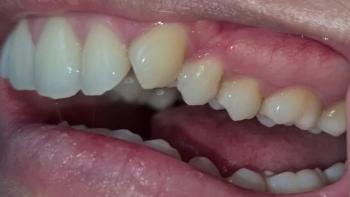
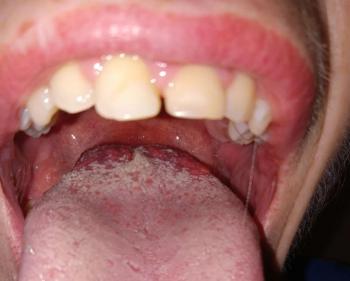
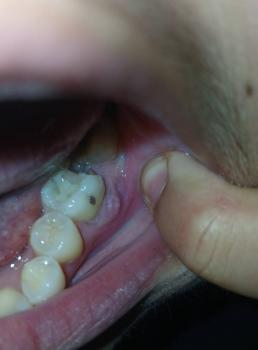
Seeing red, swollen, or irritated gums around a tooth that has already undergone root canal treatment can be alarming. Many patients in Santa Rosa, California assume that once a root canal is completed, the tooth should never cause problems again. Unfortunately, that is not always the case.
Red gums around a root canal tooth may indicate anything from mild gum inflammation to a serious infection that threatens the long-term survival of the tooth. The good news is that many root canal teeth can still be rescued, even when symptoms develop months or years after treatment.
Modern dental technology, advanced imaging systems, specialized endodontic equipment, and improved restoration techniques have significantly increased the success rate of saving previously treated teeth.
This comprehensive guide explains why gums become red around root canal teeth, what dentists look for during diagnosis, treatment options available in Santa Rosa, California, and whether the affected tooth can still be preserved.
Understanding Root Canal Treatment
A root canal procedure removes infected or damaged pulp tissue from inside the tooth.
The treatment typically involves:
- Removing infected pulp.
- Cleaning and disinfecting root canals.
- Filling the canals with specialized materials.
- Sealing the tooth.
- Restoring the tooth with a filling or crown.
The primary goal is to eliminate infection while preserving the natural tooth structure.
In many cases, a properly treated root canal tooth can function for decades.
However, complications can occur.
Why Are My Gums Red Around a Root Canal Tooth?
Red gums indicate inflammation.
Inflammation is the body's response to:
- Infection
- Irritation
- Trauma
- Bacterial buildup
- Failed dental restorations
The redness may appear:
- Around one tooth
- Along the gumline
- Between teeth
- Near the root tip
- Under a dental crown
The exact cause determines whether the tooth can be saved.
Common Symptoms Accompanying Red Gums
Patients in Santa Rosa often report:
Mild Symptoms
- Slight redness
- Tender gums
- Bleeding while brushing
- Mild sensitivity
Moderate Symptoms
- Persistent swelling
- Bad taste
- Bad breath
- Gum tenderness
Severe Symptoms
- Facial swelling
- Pus drainage
- Severe pain
- Gum abscess
- Loose tooth
The more severe the symptoms, the more urgent the dental evaluation becomes.
Scenario 1: Simple Gum Inflammation
The best-case scenario is localized gingivitis.
Even if the tooth had a root canal years ago, plaque and bacteria can accumulate around the gumline.
Common causes include:
- Inadequate brushing
- Poor flossing habits
- Food accumulation
- Smoking
- Diabetes
Signs
- Bright red gums
- Bleeding during brushing
- No deep pain
- No swelling near root tip
Can It Be Saved?
Yes.
The tooth itself is usually healthy.
Professional cleaning and improved oral hygiene often resolve the problem.
Scenario 2: Infection Beneath the Crown
Many root canal-treated teeth receive crowns.
Crowns can develop:
- Small leaks
- Open margins
- Cracks
- Cement failure
When bacteria enter underneath the crown, reinfection can occur.
Symptoms
- Red gums around crowned tooth
- Tenderness
- Bad taste
- Intermittent swelling
Dental Analysis
Dentists examine:
- Crown fit
- Crown integrity
- Gum condition
- Bone levels
Can It Be Saved?
Often yes.
Treatment may involve:
- Crown replacement
- Root canal retreatment
- Deep cleaning
Early intervention significantly improves outcomes.
Scenario 3: Root Canal Failure
Root canal treatment is highly successful but not perfect.
Failure may occur due to:
- Missed canals
- Incomplete cleaning
- Complex anatomy
- Recurrent infection
Bacteria can remain hidden inside tiny canal branches.
Months or years later, symptoms may appear.
Symptoms
- Red gums
- Swelling
- Gum boil
- Pressure sensation
Diagnostic Findings
Dentists often discover:
- Dark areas around root tips
- Bone loss
- Persistent infection
Can It Be Saved?
Frequently yes.
Retreatment can remove remaining infection and preserve the tooth.
Scenario 4: Vertical Root Fracture
A vertical root fracture is one of the most challenging complications.
Root canal-treated teeth are often more brittle than vital teeth.
Cracks may develop due to:
- Chewing forces
- Teeth grinding
- Trauma
- Aging restorations
Symptoms
- Persistent red gums
- Localized swelling
- Deep periodontal pocket
- Recurrent infection
Diagnostic Challenge
Vertical root fractures can be difficult to detect.
Even advanced imaging may not always reveal the fracture immediately.
Can It Be Saved?
Sometimes no.
If the fracture extends deeply through the root, extraction may be necessary.
Scenario 5: Gum Abscess Near a Root Canal Tooth
An abscess is a pocket of infection.
It often appears as:
- Swollen red bump
- Gum pimple
- Drainage site
Patients frequently notice:
- Pus discharge
- Bad taste
- Pressure relief after drainage
Why It Happens
Possible causes include:
- Failed root canal
- Deep gum infection
- Fractured tooth
Can It Be Saved?
Many abscessed teeth can still be rescued if treatment begins early.
Scenario 6: Deep Periodontal Disease
Sometimes the problem is not the root canal itself.
The issue may involve advanced gum disease.
Symptoms
- Red gums
- Bleeding
- Bone loss
- Tooth mobility
Evaluation
Dentists measure:
- Pocket depth
- Gum attachment loss
- Bone support
Can It Be Saved?
Depends on remaining support.
Many teeth with moderate periodontal disease can still be preserved through periodontal therapy.
How Santa Rosa Dentists Diagnose Red Gums Around Root Canal Teeth
Accurate diagnosis is critical.
Modern dental offices use multiple tools.
Clinical Examination
The dentist checks:
- Gum color
- Swelling
- Tooth mobility
- Crown condition
Digital X-Rays
Digital radiographs help identify:
- Bone loss
- Infection
- Previous treatment quality
CBCT 3D Imaging
Cone Beam Computed Tomography provides detailed three-dimensional images.
CBCT can reveal:
- Hidden infections
- Fractures
- Missed canals
- Bone destruction
This technology has dramatically improved diagnosis accuracy.
Bite Analysis
Uneven biting forces can create inflammation around root canal teeth.
Dentists evaluate:
- Bite pressure
- Grinding patterns
- Occlusal trauma
Modern Dental Equipment Used for Root Canal Rescue
Advanced technology has transformed endodontics.
Dental Operating Microscope
Allows dentists to locate:
- Tiny canals
- Fractures
- Hidden anatomy
Ultrasonic Instruments
Used to:
- Remove old filling material
- Clean difficult areas
- Improve retreatment success
Electronic Apex Locators
Help determine precise root canal length.
Rotary Endodontic Systems
Provide efficient and thorough canal cleaning.
CBCT Imaging
Improves treatment planning and diagnosis.
Can a Root Canal Tooth Be Retreated?
Yes.
Retreatment is often the first choice when the tooth remains structurally sound.
Retreatment Process
Step 1
Remove crown if necessary.
Step 2
Access existing root canal.
Step 3
Remove previous filling material.
Step 4
Locate missed canals.
Step 5
Disinfect canals thoroughly.
Step 6
Refill and seal canals.
Step 7
Restore tooth with new crown.
Success rates remain high when performed by experienced clinicians.
What Is Apicoectomy?
When retreatment alone cannot solve the problem, an apicoectomy may be recommended.
Procedure Overview
The endodontist:
- Accesses the root tip surgically.
- Removes infected tissue.
- Removes root tip.
- Places a sealing material.
- Closes the surgical site.
This procedure allows preservation of many teeth that would otherwise require extraction.
When Is Extraction Necessary?
Not every tooth can be saved.
Extraction may be recommended if:
- Severe vertical root fracture exists.
- Extensive decay extends below bone.
- Bone support is severely compromised.
- Tooth structure is insufficient for restoration.
The goal is always to preserve natural teeth whenever possible.
Root Canal Retreatment vs Extraction
| Factor | Retreatment | Extraction |
|---|---|---|
| Preserves Natural Tooth | Yes | No |
| Surgical Complexity | Moderate | Moderate |
| Recovery Time | Usually Short | Varies |
| Function Retained | Excellent | Requires Replacement |
| Long-Term Outcome | Often Excellent | Depends on Implant or Bridge |
Natural tooth preservation is generally preferred whenever feasible.
Can Dental Implants Replace a Failed Root Canal Tooth?
If rescue is impossible, dental implants offer an excellent replacement solution.
Benefits include:
- Stable chewing function
- Natural appearance
- Bone preservation
- Long-term durability
However, saving a healthy natural tooth is usually the first choice.
How Long Can You Wait Before Seeking Treatment?
Red gums should never be ignored.
Seek prompt evaluation if you experience:
- Persistent redness
- Swelling
- Gum boils
- Pain
- Drainage
- Bleeding
Early diagnosis often means simpler treatment and better outcomes.
Home Care While Waiting for Your Appointment
Temporary measures may help reduce irritation.
Gentle Brushing
Use a soft-bristle toothbrush.
Daily Flossing
Remove plaque carefully.
Warm Saltwater Rinses
Can soothe inflamed tissue.
Avoid Excessive Pressure
Do not chew hard foods on the affected side.
Stay Hydrated
Promotes healthy oral tissues.
These measures do not replace professional treatment.
Warning Signs Requiring Immediate Attention
Contact a dentist immediately if you experience:
- Facial swelling
- Fever
- Difficulty swallowing
- Difficulty breathing
- Severe pain
- Rapidly spreading infection
These symptoms may indicate a serious dental emergency.
Realistic Rescue Scenarios
Highly Favorable
- Mild gum inflammation
- Crown leakage without fracture
- Early reinfection
- Missed canal
Success rate is generally excellent.
Moderately Favorable
- Chronic infection
- Localized bone loss
- Small abscess
Many teeth remain salvageable.
Less Favorable
- Significant bone destruction
- Extensive periodontal involvement
Treatment becomes more complex but may still succeed.
Poor Prognosis
- Vertical root fracture
- Severe structural damage
- Advanced mobility
Extraction may become necessary.
Long-Term Prevention After Root Canal Treatment
Protecting a root canal tooth requires ongoing care.
Professional Cleanings
Regular maintenance reduces bacterial accumulation.
Dental Examinations
Early detection prevents major complications.
Protective Crowns
Crowns strengthen treated teeth.
Night Guards
Helpful for patients who grind their teeth.
Excellent Oral Hygiene
Daily brushing and flossing remain essential.
Frequently Asked Questions
Why are my gums red around a root canal tooth?
Common causes include gum inflammation, crown leakage, recurrent infection, periodontal disease, or root fracture.
Can a root canal infection return years later?
Yes. Reinfection may occur months or even years after treatment if bacteria re-enter the tooth.
Is redness always a sign of failure?
No. Sometimes simple gum irritation causes redness without affecting the root canal.
Can antibiotics fix the problem?
Antibiotics may temporarily control infection but usually do not eliminate the underlying cause.
Can the tooth still be saved?
In many cases, yes. Early diagnosis greatly improves the chances of successful rescue.
Is retreatment painful?
Modern anesthesia and endodontic techniques make retreatment significantly more comfortable than many patients expect.
Should I choose an implant immediately?
Not necessarily. Dentists typically evaluate whether the natural tooth can be preserved before recommending extraction and implant placement.
Expert Dental Advice for Santa Rosa, California Patients
If you notice red gums around a root canal tooth, do not assume the tooth is automatically lost. Many cases involve manageable problems such as localized inflammation, crown leakage, or recurrent infection that can often be corrected through retreatment or specialized endodontic procedures.
The key factor is accurate diagnosis. Modern technologies such as CBCT imaging, dental microscopes, and advanced endodontic instruments allow dentists to identify the true cause of the inflammation and develop a targeted treatment plan.
The sooner symptoms are evaluated, the higher the likelihood of preserving the tooth.
Red gums around a root canal tooth in Santa Rosa, California can range from a minor gum issue to a more serious infection or structural problem. While the appearance of redness can be concerning, it does not automatically mean the tooth must be extracted.
Many root canal-treated teeth can be successfully rescued through professional cleaning, crown replacement, root canal retreatment, periodontal therapy, or surgical endodontic procedures. Modern dental technology has made saving compromised teeth more predictable than ever before.
If you notice persistent redness, swelling, bleeding, or discomfort around a root canal tooth, schedule a comprehensive dental evaluation as soon as possible. Early intervention provides the best opportunity to eliminate infection, protect surrounding bone, and preserve your natural smile for years to come.
Can tooth extraction cause infection? Mild inflammation is normal, but increasing swelling, fever, or severe pain may indicate infection. Learn more about post-extraction infection warning signs in this detailed guide.
Book a consultation with our Cebu dental specialists for proper evaluation and care.
Ready to get expert guidance?
If you’re experiencing severe pain or delayed healing, book a consultation with our Cebu dental specialists to get proper evaluation and care.
Consultation or contact page .
Book a Consultation
For severe discomfort or delayed healing, book a consultation with our Cebu dental specialists today.
Looking for a dentist? Browse our Cebu dental directory to find trusted clinics near you.
Medical Review and Clinical Basis
This article is based on clinical dental guidelines and real patient recovery patterns observed after tooth extraction procedures. The information reflects common post-extraction healing stages, including normal clot formation, gum tissue repair, and signs of possible complications such as dry socket or infection.
While mild discomfort is expected after a dental extraction, worsening pain after Day 3, bad odor, exposed bone, or spreading pain may require professional evaluation. These symptoms are consistent with known post-extraction complications described in standard dental practice.
About Cebu Dental Implants
Cebu Dental Implants provides comprehensive tooth extraction, surgical procedures, and dental implant services in the Philippines. Our team evaluates post-extraction healing, manages complications such as dry socket, and advises patients on proper aftercare to prevent infection and delayed healing.
If you experience severe pain or unusual symptoms after extraction, early professional assessment is recommended to prevent further complications.
Important Medical Disclaimer
This content is for educational purposes only and does not replace professional dental diagnosis. Every patient heals differently. If symptoms worsen or do not improve within a few days, consult a licensed dentist for proper evaluation and treatment.
Author
This article was prepared by the Cebu Dental Implants content team in consultation with licensed dental professionals experienced in tooth extraction and implant procedures.
Related Clinical Cases
Patients with lower front gum inflammation may also experience tartar buildup, periodontal disease, gum abscesses, or tooth decay. Explore these related clinical case studies.