Modern Dentistry, Timeless Smiles.

Cold Sores (Herpes Simplex/HSV-1): Symptoms, Stages, Treatment, Healing Timeline & Expert Clinical Case Analysis
Image:
Severity:
Teeth Problems:
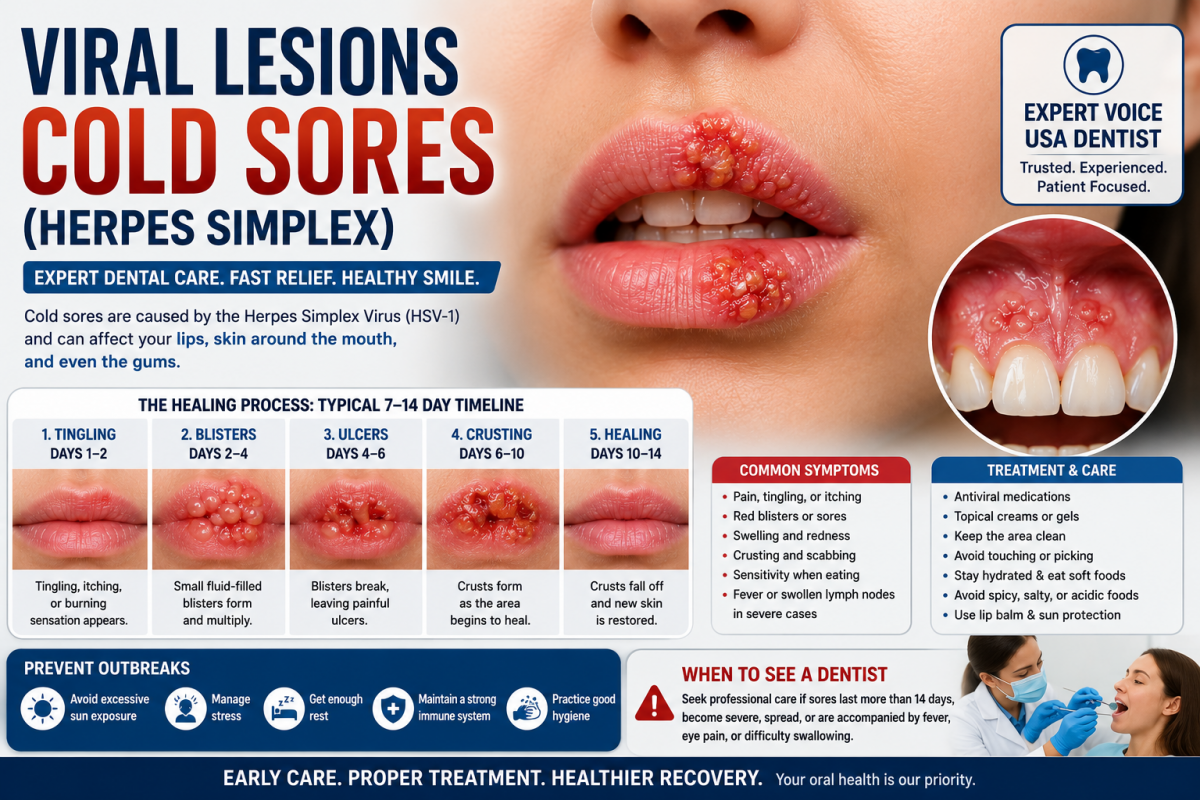
Clinical Case Analysis (100% Zoom Examination)
Chief Clinical Findings
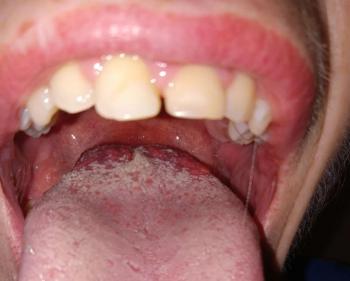
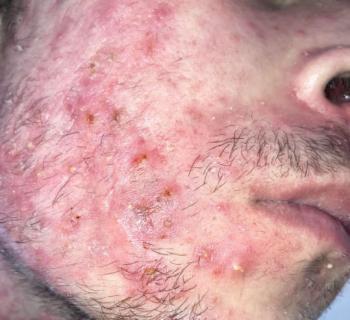
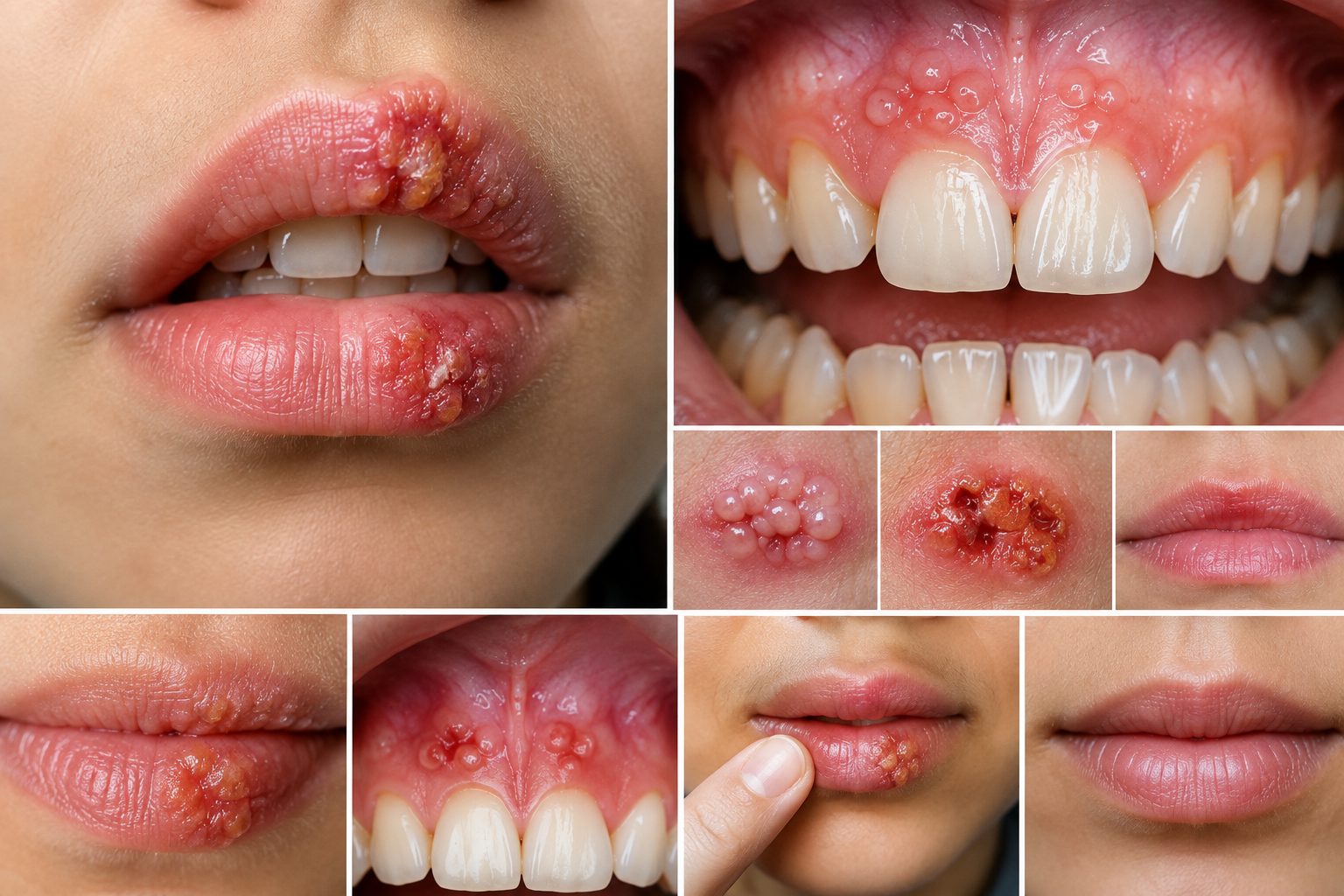
After examining the lesion at high magnification, several classic findings strongly suggest Recurrent Herpes Labialis (HSV-1) involving the lips with possible intraoral extension.
Visible findings include:
- Multiple clustered fluid-filled vesicles
- Yellow-brown crust formation
- Ulcerated lip tissue
- Localized redness around lesions
- Mild tissue swelling
- Lesions crossing the vermillion border
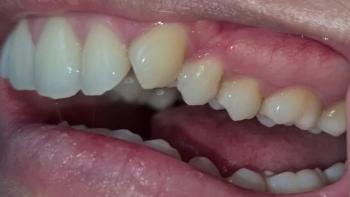
- Gingival vesicles above upper front teeth
- Healthy surrounding teeth
- No obvious dental decay causing the lesions
The grouped blister appearance is highly characteristic of Herpes Simplex Virus Type 1 (HSV-1) rather than a bacterial infection.
Most Likely Diagnosis
Primary Diagnosis
Recurrent Herpes Labialis (HSV-1 Infection)
Confidence:
★★★★★ (Very High)
The clustered vesicles, ulceration, crusting, and typical location strongly support recurrent HSV-1.
Differential Diagnosis
A dentist or oral medicine specialist may also consider:
- Aphthous ulcer (canker sore)
- Impetigo
- Angular cheilitis
- Allergic contact stomatitis
- Traumatic ulcer
- Hand-Foot-and-Mouth Disease
- Varicella-Zoster Virus
- Erythema Multiforme
- Autoimmune blistering disease
Disease Stage
Based on the appearance:
The lesions appear to be between:
Stage 3–4
- Blisters have ruptured
- Ulceration present
- Crusting has begun
- Active viral replication decreasing
- Healing beginning
Dentist-Reviewed Guide: Cold Sore Stages, HSV-1 Treatment, and When to Seek Medical Care
How a Dentist Evaluates Cold Sores Caused by Herpes Simplex Virus
Cold sores, also called fever blisters, are commonly caused by herpes simplex virus type 1 (HSV-1). They typically appear on or around the lips and may begin with tingling, burning, itching, or tenderness before visible blisters develop.
From a dental perspective, recognizing the difference between a typical cold sore and other oral lesions is important. Not every sore around the mouth is caused by herpes. Traumatic ulcers, canker sores, bacterial skin infections, and other oral conditions can sometimes look similar.
A dentist or physician evaluates the lesion's location, appearance, duration, recurrence pattern, and associated symptoms. When the diagnosis is uncertain, a swab from a fresh blister or ulcer for HSV PCR testing may help confirm the infection.
Clinical reminder: A visual examination alone cannot always confirm HSV-1. Persistent, unusual, or nonhealing lesions may require further investigation.
The Five Clinical Stages of a Cold Sore
Cold sores commonly progress through the following stages. The timing varies between individuals, and not every outbreak follows every stage.
Stage 1: Tingling, Burning, or Itching
The first sign may be tingling, itching, burning, or localized tenderness around the lip. This early phase is called the prodromal stage.
-
The affected area may feel sensitive before anything is visible.
-
Mild redness or swelling may develop.
-
Antiviral treatment is generally most effective when started at this early stage.
A person may be contagious even before a blister appears.
Stage 2: Blister Formation
Small, fluid-filled blisters appear, often grouped together on or near the lip border. The area may become painful, swollen, or sensitive to touch.
The fluid contains infectious virus, so touching the blisters and then touching the eyes or other areas of broken skin can spread the infection.
Avoid squeezing, puncturing, or picking at the blisters.
Stage 3: Blister Rupture and Ulcer Formation
The blisters may rupture, leaving shallow, painful erosions or ulcers. Eating acidic or salty foods may cause discomfort.
This stage can be particularly uncomfortable because the skin barrier is disrupted.
Maintain hydration, eat soft foods if necessary, and keep the area clean. Avoid applying alcohol, bleach, concentrated essential oils, or other irritating substances to the lesion.
Stage 4: Crusting and Scab Formation
The affected area may dry out and develop a crust or scab. This is part of the normal healing process.
Do not pull off the scab. Picking can cause bleeding, delay healing, and increase the risk of secondary bacterial infection.
Cold sores remain contagious until they have completely healed.
Stage 5: Healing and Restoration of the Skin
The crust gradually separates, and new skin forms underneath. A typical recurrent cold sore usually heals within approximately 7–10 days, although some outbreaks take longer.
Avoid rubbing the area and continue good hand hygiene until healing is complete. If the sore is not beginning to heal within 10 days, arrange a medical assessment.
HSV-1 Cold Sore Healing Timeline
| Approximate period | Typical clinical findings |
|---|---|
| Day 1 | Tingling, itching, burning, or tenderness |
| Days 1–2 | Redness and formation of small blisters |
| Days 2–4 | Blisters may rupture and form painful erosions |
| Days 4–7 | Drying, crusting, and scab formation |
| Days 7–10 | Progressive healing and restoration of the skin |
Important: This timeline is an approximate guide, not a diagnostic rule. The stages can overlap, and an initial HSV infection may be more severe and last longer than a recurrent cold sore. New lesions, extensive mouth sores, or worsening symptoms warrant clinical evaluation.
Evidence-Based Treatment for HSV-1 Cold Sores
There is currently no treatment that completely eliminates HSV-1 from the body. After infection, the virus remains latent in nerve cells and may reactivate later.
Treatment focuses on reducing symptoms, supporting healing, and limiting transmission.
1. Topical antiviral medication
A pharmacist or clinician may recommend an appropriate topical antiviral, such as aciclovir cream, where available and suitable. It generally works best when applied at the first signs of an outbreak.
Follow the product instructions. Do not place skin creams inside the mouth or in or near the eyes unless the specific product is intended for that use.
2. Oral antiviral medication
A physician may prescribe oral antivirals, including aciclovir, valaciclovir, or famciclovir, for selected patients with severe, frequent, or otherwise complicated outbreaks.
These medicines may shorten an outbreak or reduce its severity, particularly when treatment begins early. The choice and dose depend on the clinical situation, kidney function, other medicines, and individual risk factors.
3. Pain relief and supportive care
-
Use a cool, clean compress for temporary relief.
-
Drink sufficient fluids.
-
Choose soft foods if the lesion makes eating uncomfortable.
-
Consider an appropriate pain reliever after checking its suitability with a pharmacist or physician.
-
Avoid picking the lesion or using irritating home remedies.
4. Reduce exposure to known triggers
Some people experience recurrent cold sores after illness, stress, or significant sunlight exposure. If sunlight triggers outbreaks, a lip balm with SPF 15 or higher may help reduce recurrence.
Not everyone has identifiable triggers, and preventing every recurrence is not always possible.
Dental Considerations: Can Cold Sores Affect Dental Treatment?
A typical cold sore on the external lip is different from an ulcer inside the mouth. This distinction matters when planning dental care.
If you develop an active cold sore before a dental appointment, contact your dentist before attending. Elective treatment may need to be postponed if the lesion makes treatment difficult or creates an avoidable infection-control concern.
Urgent dental treatment should not be delayed without professional advice, particularly when there is significant tooth pain, facial swelling, or a suspected dental infection.
For patients with widespread oral sores, painful swollen gums, fever, or difficulty drinking, a clinician should assess whether this is a primary HSV infection or another condition.
A cold sore does not automatically mean that a patient has a dental abscess. Dental abscesses are generally bacterial infections originating from a tooth or surrounding periodontal tissues and require different treatment.
Preventing HSV-1 Transmission
HSV-1 can spread through direct contact with infected skin, saliva, or the affected area. Transmission risk is particularly high during an active cold sore outbreak, but the virus can sometimes spread even when no lesion is visible.
To reduce transmission:
-
Avoid kissing while symptoms are present and until the cold sore has completely healed.
-
Avoid oral sex during an outbreak because oral HSV-1 can cause genital herpes.
-
Do not share items that have direct contact with the affected area, such as lip balm.
-
Wash your hands before and after touching or treating the lesion.
-
Avoid touching your eyes after contact with the sore.
-
Do not kiss newborn babies while you have an active cold sore.
These precautions reduce risk but cannot guarantee that transmission will never occur.
When Is a Cold Sore a Medical Concern?
Seek prompt medical assessment if:
-
The lesion is very large, unusually painful, spreading, or not healing as expected.
-
Symptoms have not started to improve within about 10 days.
-
You develop extensive mouth sores, swollen painful gums, fever, or difficulty drinking.
-
You have a weakened immune system or are receiving immune-suppressing treatment.
-
You develop a cold sore-like lesion for the first time and are uncertain about the diagnosis.
Seek urgent same-day eye care for eye pain, a red eye with light sensitivity, blurred vision, or blisters around the eye. HSV eye infection can threaten vision and requires prompt specialist assessment.
For babies, particularly newborns, possible herpes infection requires urgent medical evaluation.
Clinical Takeaway
Cold sores caused by HSV-1 usually follow a recognizable progression from early tingling to blister formation, ulceration, crusting, and healing. Most uncomplicated recurrent outbreaks resolve within 7–10 days.
Early antiviral treatment may help, while good hygiene and avoiding direct contact during an outbreak reduce the risk of transmission. A dentist can help evaluate oral lesions and distinguish them from dental or periodontal conditions, but suspected eye involvement, severe illness, or complicated infection requires appropriate medical care.
Frequently Asked Questions About Cold Sores and HSV-1
1. How long does a cold sore take to heal completely?
Most recurrent cold sores heal within 7–10 days. A first symptomatic HSV infection can take longer, particularly when there are extensive oral sores or swollen gums. Seek medical advice if the lesion is not beginning to heal within 10 days.
2. What is the fastest way to heal a cold sore?
Starting an appropriate antiviral treatment at the first tingling or burning sensation offers the best opportunity to shorten an outbreak. Oral antivirals may be appropriate for severe or recurrent cases after clinical assessment. No treatment guarantees immediate healing.
3. Is a cold sore contagious before the blister appears?
Yes. HSV can be transmitted during the early tingling or burning phase before a visible blister develops. Avoid kissing and oral sex from the onset of symptoms until the lesion has completely healed.
4. Can HSV-1 stay in the body permanently?
Yes. After the initial infection, HSV-1 remains in the body in a latent state and may reactivate later. Some people experience recurrent cold sores, while others never notice another outbreak.
5. Are cold sores the same as canker sores?
No. Cold sores are generally caused by HSV and commonly appear on the outer lip or nearby skin. Canker sores are usually ulcers inside the mouth and are not caused by HSV. Appearance and location help guide the diagnosis, but unusual lesions may need examination.
6. Can a cold sore cause swollen gums and mouth ulcers?
Yes. A primary oral HSV infection can cause painful sores inside and around the mouth, swollen and inflamed gums, fever, and difficulty eating or drinking. This condition is called primary herpetic gingivostomatitis. Other illnesses can produce similar symptoms, so clinical evaluation may be necessary.
7. Can I visit the dentist while I have an active cold sore?
Contact the dental clinic before your appointment. Elective treatment may be postponed until healing, depending on the lesion and procedure. Urgent dental problems should still be assessed promptly, with appropriate infection-control precautions.
8. Can a cold sore cause a dental abscess?
No. A typical cold sore is a viral infection and is not itself a dental abscess. A dental abscess is generally a bacterial infection associated with a tooth or periodontal tissues. Both conditions can occur at the same time, so persistent tooth pain, pus, or facial swelling needs separate evaluation.
9. Should I pop a cold sore to make it heal faster?
No. Popping or squeezing a blister can injure the skin, spread infectious material, and increase the risk of secondary infection. Allow the lesion to heal naturally.
10. Can I use antibiotics to treat HSV-1?
Antibiotics do not treat herpes simplex viruses because they act against bacteria, not viruses. Antiviral medicines are used when treatment is indicated. Antibiotics may be necessary only if a clinician identifies a separate bacterial infection.
11. Can I use aciclovir cream inside my mouth?
Do not use standard skin aciclovir cream inside the mouth. Some formulations are intended only for external skin. Ask a pharmacist or physician about an appropriate treatment for oral lesions.
12. When should I worry about a cold sore near my eye?
Treat eye symptoms seriously. Eye pain, redness, sensitivity to light, blurred vision, or blisters near the eye require urgent medical assessment because herpes can affect the cornea and threaten vision.
13. Can stress trigger recurrent cold sores?
Stress is a possible trigger for some people, along with illness and sunlight exposure. However, not every outbreak has an identifiable trigger. Adequate sleep, stress management, and sun protection when relevant may help some individuals reduce recurrences.
14. Does a healed cold sore mean HSV-1 is gone?
No. The visible lesion can heal completely while HSV-1 remains latent in the body. The virus may reactivate in the future, and transmission can occasionally occur even without visible sores.
15. When should a persistent mouth ulcer be examined?
An ulcer or lesion that lasts more than two weeks, repeatedly appears in the same area without a clear explanation, or has unusual features should be examined by a dentist or physician. Do not assume that every persistent oral lesion is herpes.
Healing Timeline
Day 1–2
- Tingling
- Burning sensation
- Itching
- Mild redness
Day 2–4
Small grouped blisters develop.
Virus actively replicates.
Patient is highly contagious.
Day 4–6
Blisters rupture.
Pain increases.
Ulcers appear.
Eating becomes uncomfortable.
Day 6–10
Crusting develops.
Swelling gradually decreases.
Virus becomes less active.
Day 10–14
Scabs naturally separate.
New healthy skin forms.
Pain resolves.
Most lesions heal completely.
Recommended Treatment Process
Step 1
Clinical examination
↓
Medical history
↓
Confirm HSV diagnosis
Step 2
If within first 48 hours:
Prescription antiviral medication may be recommended, including:
- Acyclovir
- Valacyclovir
- Famciclovir
Early treatment can shorten healing time.
Step 3
Supportive Care
- Drink plenty of water
- Avoid spicy foods
- Avoid acidic foods
- Avoid salty foods
- Soft diet
- Good oral hygiene
Step 4
Pain Management
Depending on the patient's needs, a healthcare professional may recommend:
- Topical anesthetic gels
- Over-the-counter pain relievers
- Protective lip moisturizers
Step 5
Healing Monitoring
Follow-up if lesions:
- Persist beyond two weeks
- Become larger
- Spread extensively
- Frequently recur
- Show signs of secondary infection
What Can Happen if Left Untreated for 14 Days?
Most uncomplicated recurrent cold sores begin healing within 7–14 days even without antiviral medication. However, if the lesions are unusually severe, become secondarily infected, or occur in someone with a weakened immune system, problems can develop.
Possible complications include:
- Larger ulcer formation
- Secondary bacterial infection
- Increased pain
- Difficulty eating
- Difficulty drinking
- Dehydration
- Lip cracking and bleeding
- Spread to surrounding skin
- Eye infection if the virus is transferred to the eyes (a medical emergency)
- More prolonged healing
- Frequent future outbreaks if triggers are not managed
Persistent lesions lasting longer than 14 days should be evaluated promptly because another condition or a complication may be present.
Prognosis
With proper care:
Excellent
Healing typically occurs within:
7–14 days
Recurrences are possible because HSV-1 remains dormant in nerve tissue after the initial infection.
Expert Comments (USA Dental Perspective)
Cold sores are caused by a viral infection—not by tooth decay—and antibiotics alone do not treat the virus. Early antiviral therapy, when started within the first 24 to 48 hours of symptoms, can reduce the severity and duration of an outbreak. Avoid touching the sores, sharing utensils, towels, lip balm, or kissing while lesions are active to reduce transmission. If outbreaks become frequent, severe, or fail to heal within two weeks, a dentist, oral medicine specialist, or physician should evaluate the condition for additional treatment or to rule out other oral diseases.
Need a Dentist Near You?
If you have persistent mouth sores, recurrent cold sores, painful oral ulcers, or are unsure whether the lesion is viral, bacterial, or dental in origin, schedule an examination with a qualified dental professional.
Find a nearby dental clinic using our nationwide directory:
https://cebudentalimplants.com/map-dental-clinic
Early diagnosis helps distinguish viral lesions from dental infections, traumatic ulcers, or potentially more serious oral conditions, ensuring you receive the most appropriate treatment as soon as possible.
Dentist Expert Guidance: Understanding Cold Sores (HSV-1)
Cold sores are usually caused by herpes simplex virus type 1 (HSV-1). They most commonly appear as groups of small, painful fluid-filled blisters around the lips or the border of the mouth. After the blisters break, they can form a crust and gradually heal.
From a dental perspective, it is important to distinguish a cold sore from conditions such as a canker sore, traumatic ulcer, bacterial infection, or a dental abscess. These conditions can look different and require different treatment.
What a Dentist May Look For
A dentist may consider several features when evaluating a suspected cold sore:
-
Location and appearance of the lesion
-
Whether there are grouped blisters or ulcers
-
Pain, burning, tingling, or itching before the lesion appears
-
Recent history of similar outbreaks
-
Presence of fever, swollen glands, or other symptoms
-
Whether lesions are located on the lip, hard palate, or gums
-
Whether there are signs of an underlying dental infection
Cold sores frequently begin with a tingling, burning, itching, or painful sensation before visible blisters develop. This early period is sometimes called the prodrome.
Cold Sore vs. Dental Abscess
A cold sore does not usually originate from an infected tooth.
A dental abscess, on the other hand, is associated with infection involving a tooth or surrounding tissues. Warning signs may include:
-
Significant toothache
-
Pain when biting
-
Sensitivity to hot or cold
-
Swelling of the gum or face
-
Pus or drainage
-
Fever
-
A persistent swelling near a tooth
If facial swelling, fever, difficulty swallowing, difficulty breathing, or rapidly increasing swelling develops, urgent dental or medical assessment is important.
Can a Dentist Diagnose a Cold Sore?
Often, a healthcare professional can recognize a typical cold sore based on its appearance and clinical history. In uncertain cases, laboratory testing such as a swab/PCR test may sometimes be considered.
A dentist should not assume that every mouth ulcer is HSV-1. Persistent, unusual, recurrent, or unexplained lesions may require additional evaluation.
Treatment and Healing
Many uncomplicated cold sores heal on their own within approximately 1–2 weeks.
Antiviral medicines can be useful for some patients, particularly when treatment is started early in an outbreak. Depending on the situation, a clinician may recommend a topical or oral antiviral medication.
Treatment decisions can depend on:
-
How severe the outbreak is
-
How frequently outbreaks occur
-
How early treatment is started
-
The patient's overall health
-
Whether the infection involves areas beyond the usual lip region
Antibiotics do not treat HSV-1 because HSV-1 is a virus, not a bacterial infection.
Dentist Expert Voice
Clinical perspective: “When a patient presents with a painful lesion around the lip or mouth, the key is not simply to label it a cold sore. A dental professional should consider the lesion's location, appearance, symptoms, timing, and the possibility of other oral conditions. A suspected cold sore and a tooth-related infection require very different management.”
This type of clinical assessment is particularly important when a patient also has tooth pain, gum swelling, facial swelling, or fever.
Frequently Asked Questions About Cold Sores and HSV-1
1. Are cold sores caused by HSV-1?
Yes. HSV-1 is the most common cause of cold sores, although HSV-2 can also occasionally cause oral herpes.
2. Are cold sores contagious?
Yes. HSV can spread through contact with infected skin, saliva, or oral secretions. The risk of transmission is generally highest when an active lesion or symptoms are present, but HSV can sometimes be transmitted even when no visible sore is present.
3. Can I kiss someone when I have a cold sore?
It is safest to avoid kissing and oral contact while an active cold sore is present, particularly from the early tingling stage until the lesion has completely healed.
4. Can HSV-1 spread to another part of the body?
Yes. HSV-1 can infect other areas through direct contact. Touching an active lesion and then touching another body area can potentially spread the virus.
Good hand hygiene is important, especially after touching a sore.
5. Can a cold sore cause swollen gums?
HSV infection can sometimes involve the gums and mouth, particularly during a primary oral infection. However, swollen gums are also very commonly caused by plaque, gingivitis, periodontal disease, trauma, or dental infection.
Therefore, swollen gums should not automatically be attributed to HSV.
6. Can a cold sore cause tooth pain?
A cold sore itself does not normally cause a classic toothache. If a patient has significant tooth pain together with a lip lesion, the dentist should consider whether there is a separate dental problem such as decay, pulp inflammation, or a dental abscess.
7. How long does a cold sore usually take to heal?
An uncomplicated cold sore commonly heals within about 1–2 weeks, although healing time varies between individuals.
8. Can I pop a cold sore?
It is generally better not to intentionally pop or squeeze a cold sore. Breaking the blister can increase irritation and may increase the opportunity for the virus to spread to other areas through contaminated fingers or secretions.
9. Do antibiotics cure cold sores?
No. Antibiotics treat bacterial infections and do not eliminate HSV-1.
Antiviral treatment may be considered when clinically appropriate.
10. Can cold sores come back?
Yes. After the initial infection, HSV remains in the body in a latent state and can reactivate. Some people experience recurrent cold sores, while others may have few or no noticeable recurrences.
Possible triggers include illness, stress, sunlight, and other individual factors.
11. When should I see a dentist or doctor?
Seek professional evaluation if:
-
The diagnosis is uncertain.
-
The lesion is unusually large or severe.
-
Lesions keep recurring frequently.
-
The sore does not heal as expected.
-
There is significant mouth or gum involvement.
-
You have severe pain.
-
You have fever or significant swelling.
-
You have a weakened immune system.
-
You develop eye symptoms after touching an active lesion.
12. When is a cold sore an emergency?
Seek urgent medical care for difficulty breathing, difficulty swallowing, rapidly progressing facial or neck swelling, severe systemic illness, or eye involvement.
A painful oral lesion accompanied by substantial facial swelling may indicate a serious infection that requires prompt assessment rather than treatment as a simple cold sore.
13. Can cold sores be confused with canker sores?
Yes, but they are different conditions.
Cold sores caused by HSV commonly occur around the lips and may begin as clusters of blisters. Canker sores (aphthous ulcers) typically occur inside the mouth and are not caused by HSV.
A dentist can help distinguish between them when the diagnosis is unclear.
14. Should I go to the dentist if I have an active cold sore?
If you need urgent dental care, do not delay necessary treatment simply because you have a cold sore. However, tell the dental office before your appointment. For non-urgent procedures, the dental team may decide whether treatment should be postponed until the lesion has healed.
15. Can a cold sore be permanently cured?
There is currently no treatment that removes latent HSV from the body. However, antiviral medicines can help shorten or reduce outbreaks in appropriate patients.
Important Medical Disclaimer
This information is for educational purposes and does not replace an examination by a dentist or physician. A lesion around the mouth is not automatically a cold sore. Persistent, unusual, severe, or unexplained lesions should be professionally evaluated to establish the correct diagnosis and treatment.
Frequently Asked Questions (FAQ): Viral Lesions (Cold Sores / Herpes Simplex)
Expert Answers by a Board-Certified Oral Medicine & Restorative Dentist (USA)
1. What are cold sores, and what causes them?
Expert Answer:
Cold sores are caused by Herpes Simplex Virus Type 1 (HSV-1), a highly contagious virus that commonly affects the lips, skin around the mouth, and occasionally the gums and oral tissues.
Once a person becomes infected, the virus remains dormant inside nearby nerve tissue for life. Although the initial outbreak heals, HSV-1 can reactivate periodically, causing recurrent cold sores.
Common triggers include:
- Emotional stress
- Fever or illness
- Sun exposure
- Fatigue
- Hormonal changes
- Dental procedures
- Reduced immune function
While there is no permanent cure for HSV-1, modern antiviral medications can shorten outbreaks and reduce symptoms when started early.
2. Are cold sores contagious?
Expert Answer:
Yes.
Cold sores are most contagious from the time tingling begins until the lesions have completely healed and new skin has formed.
The virus spreads through:
- Kissing
- Sharing drinking glasses
- Sharing utensils
- Lip balm
- Toothbrushes
- Towels
- Direct skin contact
Children, older adults, and individuals with weakened immune systems are particularly vulnerable.
Avoid close contact until all crusts have disappeared.
3. How can I tell the difference between a cold sore and a canker sore?
Expert Answer:
Although they are often confused, they are completely different conditions.
Cold sores (HSV-1):
- Usually appear on the lips or around the mouth
- Begin as clusters of small blisters
- Form crusts during healing
- Highly contagious
- Caused by a virus
Canker sores:
- Develop inside the mouth
- Usually affect cheeks, tongue, or inside lips
- Appear as shallow ulcers with a white or yellow center
- Not contagious
- Exact cause remains uncertain
A dental examination can usually distinguish between the two.
4. What are the first warning signs of a cold sore?
Expert Answer:
Many patients notice symptoms before the blister becomes visible.
Early warning signs include:
- Tingling
- Burning
- Itching
- Mild tenderness
- Tightness of the lip
- Slight redness
These symptoms often appear 24 to 48 hours before blisters develop.
This is the ideal time to begin antiviral treatment.
5. How long does a typical cold sore last?
Expert Answer:
In healthy individuals, most outbreaks heal within 7 to 14 days.
Typical healing stages include:
- Days 1–2: Tingling and redness
- Days 2–4: Fluid-filled blisters
- Days 4–6: Blisters rupture into ulcers
- Days 6–10: Crusting and scab formation
- Days 10–14: New skin develops and healing completes
Large or severe lesions may require a longer recovery period.
6. Can dental treatment trigger a cold sore outbreak?
Expert Answer:
Yes.
Dental procedures occasionally trigger recurrent HSV-1 outbreaks, especially in individuals with a history of cold sores.
Possible triggers include:
- Lip stretching during treatment
- Local tissue trauma
- Emotional stress
- Fatigue after lengthy appointments
Patients with frequent outbreaks should inform their dentist before treatment. In some cases, preventive antiviral medication may be recommended.
7. What treatments are available?
Expert Answer:
Treatment depends on the severity and timing of the outbreak.
Options may include:
- Oral antiviral medications
- Antiviral creams
- Pain-relieving gels
- Cold compresses
- Lip moisturizers
- Increased hydration
- Soft foods
- Good oral hygiene
Beginning antiviral medication within the first 24 to 48 hours usually provides the greatest benefit.
8. What foods should I avoid during an outbreak?
Expert Answer:
Certain foods may irritate ulcers and increase discomfort.
During healing, I recommend avoiding:
- Citrus fruits
- Tomatoes
- Pineapple
- Hot peppers
- Spicy foods
- Salty snacks
- Alcohol
- Very hot beverages
Choose softer foods such as yogurt, oatmeal, mashed potatoes, smoothies, eggs, soups, and well-cooked vegetables until healing improves.
9. What complications can occur if a cold sore is left untreated?
Expert Answer:
Most recurrent cold sores resolve without complications, but delayed evaluation is important if symptoms become severe or fail to improve.
Potential complications include:
- Secondary bacterial infection
- Larger painful ulcers
- Difficulty eating or drinking
- Dehydration
- Spread of the virus to the eyes (herpetic eye infection)
- Delayed healing
- More extensive outbreaks in people with weakened immune systems
If a lesion persists beyond two weeks, or if you develop fever, facial swelling, severe pain, or vision changes, seek prompt medical or dental evaluation.
10. Should I visit my dentist or my physician?
Expert Answer:
Either may be appropriate depending on your symptoms.
A dentist can:
- Examine lesions affecting the lips and mouth
- Rule out dental infections
- Differentiate viral lesions from canker sores or traumatic ulcers
- Recommend supportive care and referral if needed
A physician may manage:
- Severe HSV outbreaks
- Widespread skin involvement
- Eye symptoms
- Systemic illness
- Patients who may benefit from prescription antiviral medication
In many cases, dentists and physicians work together to provide comprehensive care.
11. Can cold sores come back after they heal?
Expert Answer:
Yes.
HSV-1 remains dormant in nerve tissue for life.
Future outbreaks may occur when triggered by:
- Stress
- Illness
- Fever
- Sun exposure
- Fatigue
- Hormonal changes
- Immune suppression
Some individuals experience only one outbreak, while others may have recurrent episodes several times each year.
12. How can I reduce future outbreaks?
Expert Answer:
Although HSV-1 cannot be eliminated, several preventive measures can reduce recurrence.
I recommend:
- Maintaining good sleep habits
- Managing stress
- Using lip balm with sunscreen outdoors
- Staying well hydrated
- Eating a balanced diet
- Practicing excellent oral hygiene
- Avoiding known personal triggers
- Discussing preventive antiviral therapy with your healthcare provider if outbreaks are frequent
Preventive care often reduces both the frequency and severity of future episodes.
13. When is a cold sore considered a dental or medical emergency?
Expert Answer:
Seek immediate evaluation if you experience:
- Cold sores lasting longer than 14 days
- Severe facial swelling
- Difficulty swallowing
- Difficulty breathing
- Eye redness, pain, or blurred vision
- High fever
- Extensive lesions throughout the mouth
- Inability to eat or drink
- Severe pain that is worsening
- Signs of secondary bacterial infection such as increasing redness, pus, or rapidly spreading swelling
Prompt treatment can prevent complications and improve recovery.
14. What is the overall prognosis?
Expert Answer:
For most healthy adults and children, recurrent cold sores heal completely with appropriate supportive care. Early antiviral therapy can shorten the duration of symptoms, reduce discomfort, and limit viral shedding. The best outcomes occur when patients recognize the earliest warning signs, avoid spreading the virus to others, and seek professional evaluation if lesions are unusually severe, recurrent, or fail to heal within the expected timeframe. While HSV-1 remains in the body for life, most people can successfully manage the condition and continue to enjoy good oral health with proper preventive care and timely treatment.
Video :
Related Clinical Cases
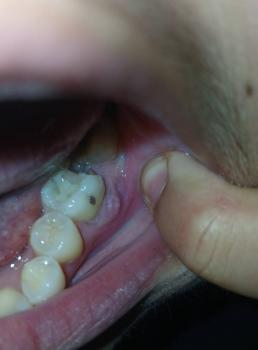
Patients with lower front gum inflammation may also experience tartar buildup, periodontal disease, gum abscesses, or tooth decay. Explore these related clinical case studies.