Where Bright Smiles Begin.

Infected Gum Socket With Exposed Bone - Dental Case Analysis
Image:
Severity:
Teeth Problems:
Infected Gum Socket With Exposed Bone: Warning Signs, Treatment Options, and Healing Advice
Understanding an Infected Extraction Socket
An open gum socket with visible bone can be concerning, particularly when accompanied by pain, redness, swelling, an unpleasant taste, or discharge. After a tooth extraction, the socket normally passes through several stages of healing. When healing is delayed or complications develop, the underlying bone may remain exposed.
However, exposed bone alone does not confirm a bacterial infection. Conditions such as dry socket (alveolar osteitis), delayed wound healing, local trauma, and, less commonly, infection involving the jawbone can produce overlapping symptoms. A dentist must examine the area to determine the most likely diagnosis.
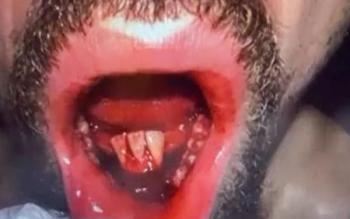
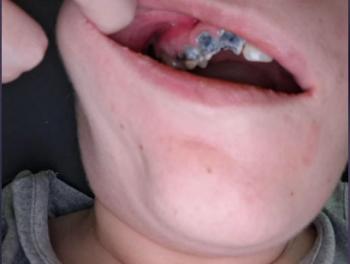
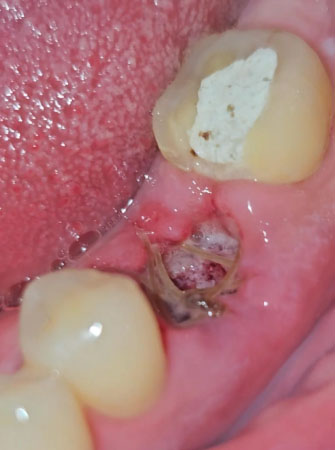
In this dental case analysis, the lower molar region shows an open socket with exposed bone and inflamed surrounding gum tissue. These findings warrant prompt professional assessment, especially if the patient experiences increasing pain, swelling, or drainage.
What Causes Exposed Bone in a Gum Socket?
Several factors may contribute to an extraction socket that fails to heal normally.
1. Dry socket (alveolar osteitis)
Dry socket can develop when the blood clot in an extraction site breaks down or is lost prematurely. The exposed bone can cause significant pain, often beginning or worsening a few days after extraction. Pain may radiate toward the ear or temple. Dry socket is not necessarily a bacterial infection, and antibiotics are not routinely required for uncomplicated cases.
2. Localized dental infection
Bacteria can cause infection in the soft tissues surrounding an extraction site. Possible symptoms include increasing tenderness, gum swelling, pus, a bad taste, or persistent discharge. A dental examination is needed to determine whether the infection is confined to the socket or has spread into surrounding tissues.
3. Delayed socket healing
Healing can be affected by local trauma, food debris, smoking, certain medical conditions, medications, and impaired healing capacity. Diabetes and immune suppression may increase the risk of complications in some patients.
4. Possible jawbone infection
Osteomyelitis is an infection involving bone. It is a less common but potentially serious diagnosis that may be considered when symptoms persist, the socket does not heal, or clinical and imaging findings suggest deeper involvement. Exposed bone alone is not sufficient to diagnose osteomyelitis.
Symptoms That Require Dental Attention
Patients should arrange a prompt dental assessment if they notice:
-
Persistent or worsening pain after tooth extraction.
-
Visible bone inside an open socket.
-
Increasing redness, swelling, or tenderness around the gums.
-
Pus, persistent drainage, or a foul taste.
-
Fever or feeling generally unwell.
-
A socket that does not appear to be healing as expected.
Seek emergency medical care immediately if swelling spreads rapidly into the face, under the jaw, or into the neck, or if breathing or swallowing becomes difficult. Significant difficulty opening the mouth, especially with fever or spreading swelling, also requires urgent assessment.
Do not wait for a routine dental appointment when these warning signs are present.
How Dentists Evaluate an Infected or Non-Healing Socket
An appropriate diagnosis begins with a review of the extraction date, the onset and severity of pain, previous treatment, medications, and relevant medical conditions.
The dentist may then:
-
Inspect the socket and surrounding gum tissue.
-
Assess for swelling, drainage, tenderness, retained debris, or exposed bone.
-
Examine nearby teeth for another possible source of infection.
-
Obtain dental X-rays when indicated to evaluate the surrounding bone, retained tooth fragments, or other underlying abnormalities.
-
Request additional imaging or specialist assessment if deeper infection or osteomyelitis is suspected.
The final diagnosis should be based on the combined clinical findings and any necessary investigations, rather than appearance alone.
Treatment Options for an Exposed or Infected Gum Socket
Treatment depends on the underlying cause.
Gentle socket cleaning: A dentist may irrigate the area to remove debris and help manage local inflammation. Further cleaning or removal of unhealthy tissue may be appropriate in selected cases.
Dry socket management: Treatment may include gentle irrigation, appropriate pain relief, and a temporary medicated dressing when indicated. The dentist will determine whether the dressing is suitable and whether follow-up is needed.
Treatment of a confirmed infection: If an abscess is present, drainage and treatment of the source may be necessary. A dentist may need to address retained infected material or other contributing problems.
Antibiotics when indicated: Antibiotics are not automatically necessary for exposed bone, dry socket, or every localized dental problem. They may be indicated when there is spreading infection, systemic involvement, or another specific clinical reason. The prescribing dentist should select the appropriate medicine based on the diagnosis, medical history, and allergies.
Specialist care for suspected bone infection: If osteomyelitis or another complex condition is suspected, an oral and maxillofacial surgeon or other appropriate specialist may be required. Treatment can involve imaging, targeted medication, and surgery in selected cases.
Treatment should be individualized. No single procedure or fixed healing timetable is appropriate for every patient.
What Patients Can Do While Waiting for Their Appointment
-
Follow the extraction aftercare instructions provided by the treating dentist.
-
Keep the mouth clean using gentle brushing around the area.
-
If appropriate for the stage of healing, gently rinse with warm salt water; do not vigorously swish or spit, particularly during the first 24 hours after extraction.
-
Eat soft foods and avoid chewing directly over the affected site.
-
Avoid smoking and vaping, which can interfere with healing.
-
Do not probe the socket with fingers, toothpicks, or other objects.
-
Do not apply aspirin, alcohol, household antiseptics, or unprescribed substances directly to the exposed bone.
-
Use pain medication only according to professional advice and the product instructions.
-
Do not start leftover antibiotics or stop a prescribed course without consulting the prescriber.
Home care can support comfort and hygiene, but it cannot replace treatment for a confirmed dental infection.
Short Educational Case Story: When a Healing Socket Raises Concern
The following is an illustrative story, not a verified patient history or a report of an actual treatment outcome.
After having a lower molar removed, a patient expected the discomfort to gradually improve. Instead, several days later, the patient noticed persistent pain and an unusual opening in the gum where the tooth had been. A pale area of bone appeared visible, and the surrounding tissue looked irritated.
Concerned about a possible infection, the patient arranged a dental examination rather than attempting to clean the socket at home.
The dentist reviewed the extraction history, examined the area, and considered several possible causes, including dry socket, delayed healing, and localized infection. Additional investigation was planned according to the clinical findings.
The patient was advised to protect the area, maintain gentle oral hygiene, follow the recommended pain-management plan, and return for reassessment. The dentist explained that treatment would depend on the diagnosis rather than the appearance of exposed bone alone.
The lesson: A socket that remains painful or appears abnormal deserves professional evaluation. Early assessment can identify complications and help prevent a treatable problem from progressing.
Frequently Asked Questions
1. Is exposed bone in a gum socket always infected?
No. Exposed bone may occur with dry socket, delayed healing, trauma, or other conditions. Redness, pus, swelling, fever, and worsening pain increase concern for infection, but a clinical examination is needed to establish the diagnosis.
2. How can I tell the difference between dry socket and an infected socket?
Dry socket commonly causes significant pain after the blood clot is lost or breaks down, often a few days after extraction. A bacterial infection may cause swelling, pus, spreading redness, or systemic symptoms. These conditions can overlap, so symptoms alone cannot reliably distinguish every case.
3. Can exposed bone heal without surgery?
Yes, some cases heal with conservative care, but the appropriate treatment depends on the cause and extent of the problem. Surgery is not automatically necessary. Persistent non-healing wounds or suspected bone infection may require specialist evaluation.
4. Do I need antibiotics for an exposed extraction socket?
Not necessarily. Antibiotics do not routinely treat uncomplicated dry socket and are not a substitute for appropriate dental treatment. A dentist determines whether antibiotics are justified by the diagnosis, spreading infection, systemic symptoms, and individual risk factors.
5. How long does an exposed gum socket take to heal?
Healing time varies according to the original extraction, the extent of tissue damage, the presence of infection, and the patient's general health. The gum may take several weeks to close, while bone remodeling continues for months. A persistently open, painful, or worsening socket should be reassessed rather than managed by waiting for a particular deadline.
6. Can food debris cause an infected socket?
Food debris can irritate the area and complicate cleaning, but its presence alone does not prove infection. The socket should be cleaned gently according to the dentist's instructions. Avoid digging into the wound or attempting to remove material with sharp objects.
7. Can smoking delay socket healing?
Yes. Smoking can impair wound healing and is associated with a higher risk of post-extraction complications, including dry socket. Avoid smoking during recovery and follow the treating dentist's recommendations.
8. When should I see a dentist urgently?
Seek prompt dental care for worsening pain, pus, increasing swelling, a persistently open socket, or exposed bone accompanied by other concerning symptoms. Fever or spreading facial swelling requires urgent assessment. Difficulty breathing or swallowing, or rapidly progressing swelling, is an emergency.
9. Can an infection spread from the gum socket to the jawbone?
Yes, a dental infection can occasionally extend into deeper tissues or bone. However, this is not inevitable, and exposed bone alone does not establish that spread has occurred. Persistent symptoms or clinical suspicion may require X-rays, advanced imaging, and specialist evaluation.
10. Should I wait for the socket to close on its own?
Do not rely on waiting if the area is increasingly painful, swollen, draining pus, or associated with fever. Even without severe symptoms, a socket that remains open or has visible bone should be assessed by a dentist, particularly when healing is not progressing as expected.
Final Dental Advice
An exposed extraction socket is a finding that deserves attention, but accurate diagnosis matters more than assuming every case is infected. Prompt examination helps distinguish dry socket from bacterial infection, delayed healing, and uncommon bone complications.
For patients with concerning symptoms, the safest next step is a professional dental assessment and a treatment plan based on the actual clinical findings.
Related resource: Read the original case analysis, Infected Gum Socket With Exposed Bone – Dental Case Analysis.
Find local dental care: CebuDentalImplants.com Dental Clinic Directory.
Medical information notice: This article is for general education and does not replace an in-person dental examination or individualized medical advice.
Dental Case Analysis – Infected Gum Socket With Exposed Bone
Case Overview
This clinical image shows a localized infection in the lower posterior jaw with an open gum socket and visible exposed bone. The surrounding tissue is inflamed, indicating an active infection that may involve both soft tissue and underlying bone.
Full Analysis and Diagnosis
Clinical Findings
-
Open socket in the molar region
-
Visible exposed bone inside the socket
-
Surrounding gum tissue appears red and inflamed
-
Debris and necrotic tissue present
-
Adjacent teeth remain structurally intact
Infection Characteristics
-
Active localized bacterial infection
-
Likely post-extraction or unresolved socket healing
-
Poor clot formation or clot loss
-
High risk of deeper bone involvement
Diagnosis
-
Infected extraction socket
-
Possible alveolar osteitis or localized osteomyelitis
-
Soft tissue infection with exposed alveolar bone
Deep Clinical Examination
Tissue and Bone Assessment
-
Delayed healing response
-
Bone exposure indicates compromised blood supply
-
Infection may be extending into alveolar bone
-
Pain and sensitivity likely present
Contributing Factors
-
Incomplete socket healing
-
Bacterial contamination
-
Food debris accumulation
-
Reduced local immune response
Time Frame to Heal
With Proper Treatment
-
Infection control: 7–10 days
-
Soft tissue closure: 10–14 days
-
Bone surface stabilization: 2–4 weeks
-
Full socket healing: 6–8 weeks
Without Treatment
-
Progressive bone infection
-
Severe pain and swelling
-
Spread of infection to jawbone
-
Chronic non-healing socket
-
Possible surgical intervention required
Process to Execute (14-Day Window)
Days 1–3
-
Clinical evaluation
-
Socket irrigation and debridement
-
Removal of necrotic tissue
-
Medicated dressing placement
-
Antibiotics if clinically indicated
Days 4–7
-
Re-evaluation of socket
-
Additional debridement if needed
-
Pain and inflammation monitoring
-
Reinforce oral hygiene instructions
Days 8–14
-
Assess soft tissue closure
-
Monitor bone coverage
-
Plan further treatment if healing is delayed
Issues That Will Scale Up If Untreated
-
Deep jawbone infection
-
Chronic osteomyelitis
-
Facial swelling
-
Persistent pain
-
Delayed or failed healing
-
Need for surgical bone removal
-
Risk to adjacent teeth
Clinical Comments
Exposed bone in a gum socket is a serious finding and rarely resolves without professional care. Early treatment significantly improves healing and prevents long-term complications. Prompt dental evaluation is strongly advised.
Find a Dental Clinic Near You
Use our directory to locate a dental clinic in your area:
https://cebudentalimplants.com/map-dental-clinic
Related Clinical Cases
Patients with lower front gum inflammation may also experience tartar buildup, periodontal disease, gum abscesses, or tooth decay. Explore these related clinical case studies.