Smile Again with Comfort and Confidence.

Bleeding and Swollen Gums Around the Molars: Expert Dental Guidance, Scaling, and Prevention
Image:
Severity:
Teeth Problems:
Why Do the Gums Around Back Teeth Bleed and Swell?
Bleeding or swollen gums around the molars may indicate plaque-induced gingivitis, irritation from trapped food, or more advanced periodontal disease. Because the back teeth are difficult to reach with a toothbrush and floss, plaque can accumulate along the gumline and between the teeth.
Plaque is a sticky bacterial film that forms continuously on teeth. When it is not removed effectively, it can irritate the gums, causing redness, tenderness, swelling, and bleeding during brushing or flossing. Over time, plaque can harden into dental calculus, commonly called tartar, which cannot be completely removed with ordinary brushing.
According to the American Dental Association, gingivitis is an early stage of gum disease and can often be reversed with professional cleaning and consistent oral hygiene. However, when the supporting tissues and bone are affected, the condition may progress to periodontitis and require more extensive treatment.
Dental Expert Analysis: Gum Swelling in the Molar Region
When evaluating a patient with bleeding gums near the upper or lower molars, a dentist considers several possible causes:
-
Plaque-induced gingivitis: Red, swollen gums that bleed easily, particularly along the gumline.
-
Dental calculus accumulation: Hardened deposits that retain plaque and contribute to persistent inflammation.
-
Food impaction: Food trapped between molars may irritate the surrounding gum tissue.
-
Periodontitis: Deeper periodontal pockets, gum recession, loss of supporting bone, or loose teeth may indicate more advanced disease.
-
Tooth decay or dental abscess: A damaged or infected molar can cause localized pain and swelling near the gumline.
A visual examination alone cannot confirm the precise diagnosis. A dentist may need to measure periodontal pocket depths, examine the affected teeth, and obtain dental X-rays when indicated.
How Professional Scaling Helps Swollen Gums
Dental scaling removes plaque and hardened calculus from tooth surfaces, including the gumline. For patients with uncomplicated plaque-induced gingivitis, professional cleaning combined with effective daily oral hygiene often allows the gums to recover.
If periodontal pockets have developed, the dentist may recommend scaling and root planing, a deeper cleaning beneath the gumline. Treatment is selected according to the severity and extent of the disease.
Important: Scaling does not cure every cause of gum swelling. An infected molar, deep cavity, or dental abscess may require additional treatment, such as drainage, root canal treatment, or extraction when the tooth cannot be saved.
What to Expect After Scaling
Some patients experience mild gum tenderness, temporary sensitivity, or slight bleeding after professional cleaning, particularly when their gums were already inflamed.
Symptoms should generally improve as inflammation settles, although the recovery period varies according to the severity of gum disease and the type of treatment performed. Persistent bleeding, worsening swelling, or increasing pain warrants reassessment by a dentist.
Daily Care for Bleeding and Swollen Gums
-
Brush twice daily with fluoride toothpaste and a soft-bristled toothbrush.
-
Gently clean the gumline and the chewing surfaces of the back molars.
-
Clean between the teeth daily with dental floss or appropriately sized interdental brushes.
-
Avoid aggressive brushing, which can traumatize already inflamed gum tissue.
-
Reduce frequent sugary snacks and acidic drinks.
-
Avoid tobacco products, which increase the risk of periodontal disease and can impair healing.
-
Arrange a dental examination if bleeding or swelling persists or repeatedly returns.
Do not stop cleaning an area solely because it bleeds. Use gentle technique, but seek professional assessment rather than assuming the bleeding is harmless.
Short Story: The Salesman Who Neglected His Teeth
This is a fictional educational story.
A Busy Salesman Learns an Important Lesson
Marco was a 38-year-old salesman who spent most of his working day visiting customers, driving between appointments, and eating quick meals. Because he was often tired when he arrived home, he regularly skipped brushing his teeth at night. Flossing was something he rarely considered.
After several months, Marco noticed that the gums around his lower molars were swollen and bled whenever he brushed. He also began experiencing persistent bad breath. At first, he blamed the symptoms on stress and promised himself he would visit a dentist when his schedule became less demanding.
One morning, while preparing for an important client presentation, he felt discomfort near a back tooth and noticed blood when he rinsed his mouth. Concerned that the problem might become worse, he finally booked a dental appointment.
During the examination, the dentist found inflamed gums and hardened deposits around several teeth. The dentist explained that the findings were consistent with gum inflammation, but further periodontal assessment was needed to determine whether deeper tissue damage was present.
Marco received professional cleaning and instructions on brushing and interdental cleaning. The dentist also checked the painful molar to rule out tooth decay or infection.
Over the following days, Marco became more consistent with his oral hygiene routine. He scheduled follow-up care and stopped treating gum bleeding as an inconvenience to ignore.
Marco learned that taking care of his teeth was not a luxury reserved for people with extra time. It was an important part of protecting his health, confidence, and ability to work comfortably.
The lesson: A busy schedule may explain neglected oral hygiene, but it does not make persistent gum bleeding normal. Early dental care can prevent a manageable problem from becoming a more serious one.
When Should You Seek Urgent Dental Care?
Arrange a dental appointment promptly if you experience persistent gum bleeding, recurring swelling, bad breath, pain when chewing, gum recession, or loose teeth.
Seek urgent dental care for a painful swelling or suspected dental abscess. Facial or neck swelling, fever with worsening dental symptoms, or rapidly spreading swelling requires urgent medical assessment. Difficulty breathing or swallowing is an emergency and requires immediate emergency care.
Do not rely on antibiotics or mouthwash alone to treat an underlying dental infection. The cause must be assessed and treated appropriately.
Frequently Asked Questions
1. Why do my gums bleed around my molars?
The most common cause is plaque-related gum inflammation. Trapped food, tartar, tooth decay, and periodontal disease can also contribute. A dental examination is needed to identify the cause.
2. Can swollen gums around molars heal without scaling?
Mild gingivitis may improve with thorough brushing and daily interdental cleaning. However, hardened tartar cannot be removed reliably at home. Professional scaling may be needed to eliminate the deposits contributing to inflammation.
3. Is bleeding after dental scaling normal?
Mild bleeding or tenderness can occur after cleaning, especially when the gums were inflamed beforehand. Symptoms should improve rather than progressively worsen. Contact your dentist if bleeding is heavy, persistent, or accompanied by increasing pain or swelling.
4. How long does it take for swollen gums to improve after scaling?
Some patients notice improvement within several days, while others need longer depending on the extent of inflammation and whether deeper periodontal treatment is required. There is no guaranteed healing timeline for every patient.
5. Can gingivitis develop into periodontitis?
Yes. Untreated gingivitis can progress to periodontitis in susceptible individuals. Periodontitis affects the tissues supporting the teeth and can cause bone loss and tooth mobility. Early evaluation and consistent maintenance help reduce the risk of progression.
6. Can a cavity cause gum swelling near a molar?
Yes. Decay that reaches the dental pulp can lead to infection around the tooth root, potentially causing localized swelling or an abscess. Scaling alone will not treat this underlying problem.
7. Should I use antibiotics for swollen gums?
Antibiotics are not routinely needed for uncomplicated gingivitis. Most cases require plaque control and professional cleaning. Antibiotics may be appropriate in selected infections, but a dentist or physician should determine whether they are necessary.
8. Can I use salt water to treat bleeding gums?
A gentle warm salt-water rinse may provide temporary comfort, but it does not remove tartar or treat periodontitis or a dental abscess. It should not replace brushing, interdental cleaning, or professional care.
9. Does gum swelling mean I will lose my molar?
No. Gum swelling does not automatically mean tooth loss. Early gingivitis is often reversible. However, advanced periodontitis or an untreated tooth infection can threaten a molar, making timely diagnosis important.
10. When should I worry about gum swelling?
Seek prompt dental care if swelling persists, returns repeatedly, or is accompanied by tooth pain, pus, or a bad taste. Facial swelling, fever with worsening symptoms, or difficulty opening the mouth requires urgent assessment; breathing or swallowing difficulty is an emergency.
Final Dental Guidance
Bleeding and swollen gums around the molars should not be dismissed as a normal part of brushing. Effective home care and professional scaling can often control plaque-related gingivitis, while more advanced periodontal disease and infected teeth require individualized treatment.
The best approach is to identify the cause early, remove plaque and calculus appropriately, and maintain consistent oral hygiene to protect the gums and the teeth they support.
Medical disclaimer: This educational content does not establish a diagnosis for an individual patient and is not a substitute for an in-person dental examination. Treatment recommendations depend on clinical findings, periodontal measurements, and dental imaging when indicated.
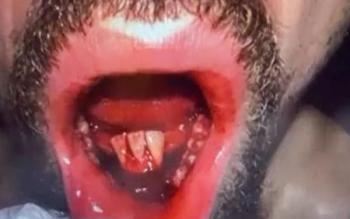
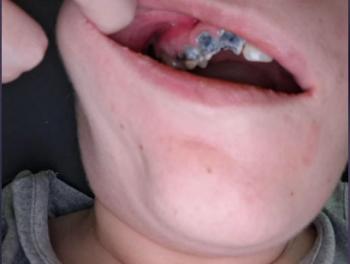
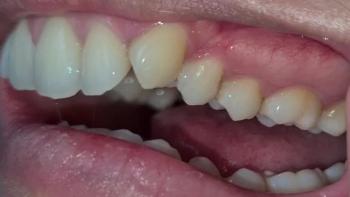
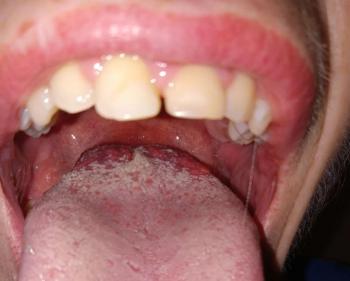
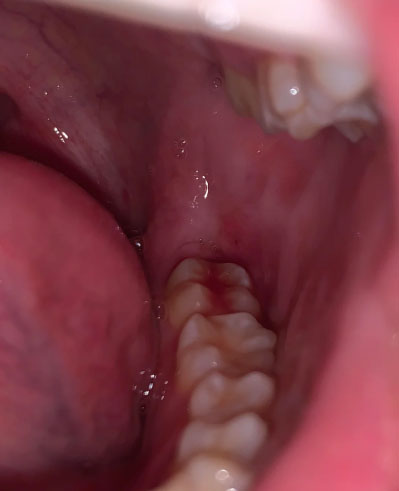
Teeth Case – Zoom 100%
Focused Area: Posterior teeth (molar region) and surrounding gingival tissue
Full Analysis and Visual Examination
This evaluation is based solely on the provided image and does not replace a full clinical examination or dental X-rays.
Observed Findings
-
Localized gum redness and bleeding near the molar gum margin
-
Soft tissue appears inflamed and irritated
-
Area is difficult to clean, making it prone to plaque retention
-
No obvious fracture or large cavity visible at this zoom level
-
Possible early pocket formation cannot be ruled out without probing
Probable Diagnosis
-
Plaque-induced gingivitis in the molar region
-
Localized gingival trauma or inflammation
-
Early risk of posterior periodontal disease if untreated
Recommended Treatment Process
Step 1: Full Mouth Scaling and Polishing (Day 1)
-
Ultrasonic scaling to remove plaque and calculus around molars
-
Hand scaling in deep posterior areas
-
Polishing to reduce plaque re-accumulation
Estimated duration: 45–60 minutes
Anesthesia: May be required if gums are very sensitive
Step 2: Healing and Recovery Timeline
| Time Frame | Expected Healing Response |
|---|---|
| Days 1–3 | Bleeding reduces, tenderness may persist |
| Days 4–7 | Gum inflammation decreases |
| Days 8–14 | Gums return to healthier color and firmness |
A 14-day healing period is realistic with proper oral hygiene.
Potential Issues If Scaling Is Delayed
-
Persistent gum bleeding
-
Progression to periodontitis in hard-to-clean molar areas
-
Formation of periodontal pockets
-
Bone loss around molars
-
Increased risk of tooth mobility and tooth loss
Post-Treatment Care Recommendations
-
Brush twice daily with a soft-bristle toothbrush
-
Pay special attention to molar and back teeth
-
Use dental floss or interdental brushes daily
-
Rinse with warm salt water or dentist-prescribed mouthwash
-
Avoid smoking and reduce sugary foods during healing
Professional Comment
Posterior gum inflammation often progresses faster than front teeth issues due to poor visibility and cleaning difficulty. Early professional scaling is essential to prevent long-term periodontal damage in this area.
Visit a Dental Clinic Near You
For professional scaling and gum assessment, search for a nearby dental clinic using our directory:
Related Clinical Cases
Patients with lower front gum inflammation may also experience tartar buildup, periodontal disease, gum abscesses, or tooth decay. Explore these related clinical case studies.