Gum bleeding after cleaning

Bleeding and Swollen Gums Around the Molars: Expert Dental Guidance, Scaling, and Prevention
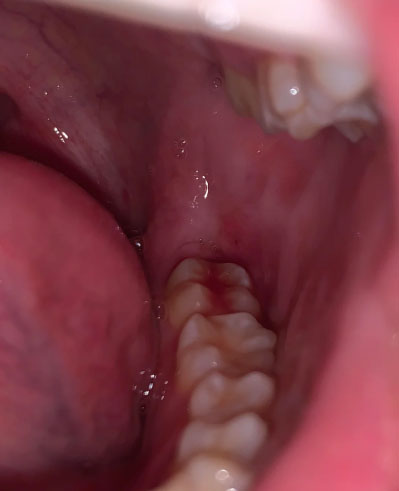
Severity: 

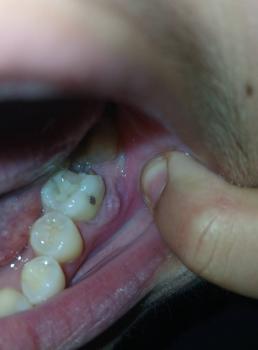
Why Do the Gums Around Back Teeth Bleed and Swell?

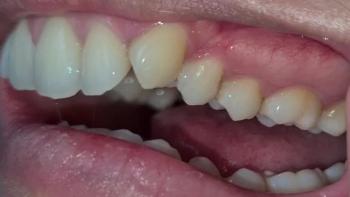
Bleeding or swollen gums around the molars may indicate plaque-induced gingivitis, irritation from trapped food, or more advanced periodontal disease. Because the back teeth are difficult to reach with a toothbrush and floss, plaque can accumulate along the gumline and between the teeth.
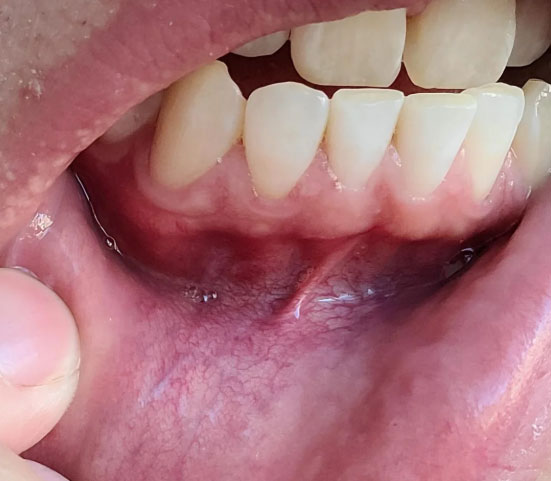
Severe Tartar Buildup and Gum Inflammation: Why Delaying Dental Scaling Can Cost More

Severity: 

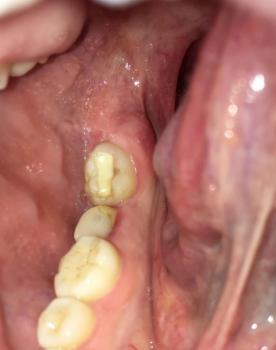
Understanding the Difference Between Plaque and Tartar

Dental plaque is a sticky biofilm containing bacteria that continually forms on teeth. When plaque remains on tooth surfaces, minerals in saliva can harden it into dental calculus, commonly called tartar. Once calculus has formed, brushing and flossing alone cannot reliably remove it. A dental professional must remove it using appropriate scaling instruments.

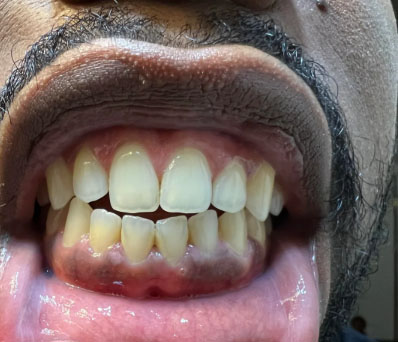
Gingivitis, Early Gum Recession, and Severe Tartar Buildup: What Busy Professionals Need to Know

Severity: 

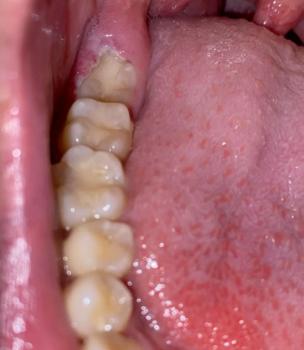
Why Plaque and Tartar Require More Than Brushing

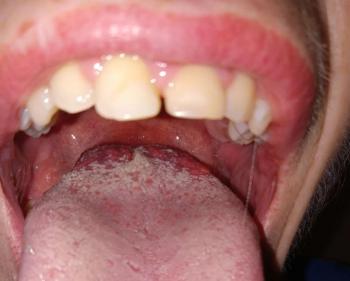
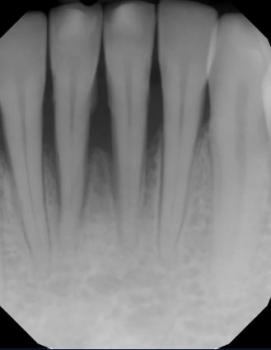
Dental plaque is a sticky bacterial film that forms continuously on teeth. When it is not removed effectively, it can harden into calculus, commonly called tartar. Tartar often accumulates near the gumline and behind the lower front teeth, where cleaning can be difficult.

Severe Tooth Decay and Multiple Cavities | Advanced Dental Case Analysis

Severity: 

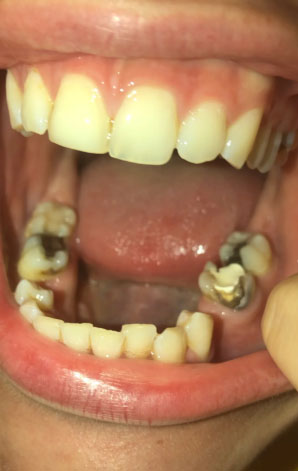
Severe Multi-Tooth Decay With Advanced Cavities – Full Dental Case Analysis (100% Zoom)

Medical Disclaimer
This assessment is image-based and for educational purposes only. A confirmed diagnosis requires an in-clinic dental examination, X-rays, and vitality testing. However, the visible findings indicate a serious and urgent dental condition that should not be delayed.

Cleaned My Teeth at the Dentist - Now My Gums Bleed. Is This Normal?

Have you ever left the dentist after a routine cleaning only to notice your gums feel tender, bleed when you brush, or even that your teeth seem slightly loose? If so, you're not alone, and this doesn’t mean the cleaning harmed you. In fact, these sensations are often a sign that your cleaning was necessary, effective, and is revealing pre-existing issues that were hidden. Let’s explore why this happens and what it means for your long-term oral health.

Pages