Missing Teeth? Find Your Smile Again.

Severe Tooth Decay and Multiple Cavities | Advanced Dental Case Analysis
Image:
Severity:
Teeth Problems:
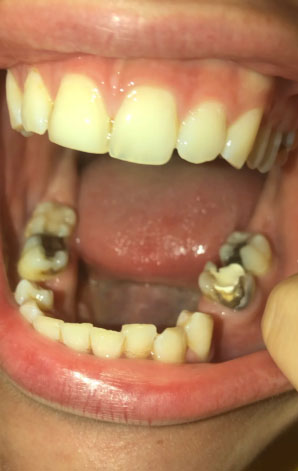
Severe Multi-Tooth Decay With Advanced Cavities – Full Dental Case Analysis (100% Zoom)
Medical Disclaimer
This assessment is image-based and for educational purposes only. A confirmed diagnosis requires an in-clinic dental examination, X-rays, and vitality testing. However, the visible findings indicate a serious and urgent dental condition that should not be delayed.
Case Overview (Zoom 100%)
The image shows multiple severely decayed posterior teeth (molars) with large open cavities, darkened dentin, and structural tooth breakdown. Several teeth appear partially destroyed, with food impaction and plaque accumulation. This indicates long-standing untreated dental caries, likely progressing toward pulp infection and abscess formation.
Both sides of the lower jaw are affected, increasing the risk of widespread infection and tooth loss.
Primary Diagnosis
-
Advanced Dental Caries (Multiple Teeth)
-
Deep cavities extending into dentin
-
High likelihood of pulp (nerve) involvement
-
-
Possible Pulpitis / Necrotic Pulp
-
Large cavitations suggest exposed or infected pulp
-
Pain may be present or intermittently absent (silent infection risk)
-
-
High Risk of Dental Abscess
-
Infection may spread to surrounding bone and soft tissues
-
-
Poor Oral Hygiene–Related Disease Progression
-
Plaque and food debris accelerating decay across multiple teeth
-
Deep Examination Findings (Image-Based)
-
Extensive enamel and dentin loss
-
Broken and weakened tooth structure
-
Food trapping inside cavities
-
Adjacent teeth at high risk of secondary decay
-
Increased fracture risk during chewing
Can This Heal in 14 Days?
No — advanced tooth decay cannot heal on its own.
However, 14 days is a critical intervention window to:
-
Control infection
-
Prevent abscess spread
-
Reduce pain and inflammation
-
Begin tooth-saving procedures
Delaying beyond this period significantly increases the likelihood of extractions and surgical treatment.
What Will Scale Up If Untreated
Within 1–2 Weeks
-
Severe toothache or throbbing pain
-
Gum swelling and tenderness
-
Bad taste or odor from infected teeth
Within 1–3 Months
-
Dental abscess formation
-
Jawbone infection
-
Facial swelling
-
Tooth fractures
Long-Term
-
Multiple tooth loss
-
Need for dentures or implants
-
Spread of infection to other body systems
Recommended Treatment Process
Step 1: Comprehensive Dental Assessment (Day 1–3)
-
Full oral examination
-
Dental X-rays (periapical and panoramic if needed)
-
Identification of restorable vs non-restorable teeth
Step 2: Infection & Disease Control (Day 3–7)
-
Pain and infection management
-
Scaling and deep cleaning
-
Temporary restorations if required
Step 3: Definitive Treatment (Day 7–14)
Depending on severity:
-
Root canal treatment for salvageable teeth
-
Crowns for structurally weakened teeth
-
Extractions for non-restorable teeth
-
Treatment planning for replacements (bridges, dentures, implants)
Expected Healing Timeline
-
Pain relief: 1–3 days after treatment starts
-
Gum inflammation reduction: 7–10 days
-
Soft tissue healing: 2–3 weeks
-
Full rehabilitation depends on number of teeth treated
Professional Comments
-
This is a high-risk, late-stage dental case
-
Absence of pain does not mean absence of infection
-
Early professional intervention can still save some teeth
-
Delaying treatment increases cost, complexity, and health risks
Strong Recommendation
Please visit the nearest dental clinic immediately for proper diagnosis and treatment planning.
You can find a dental clinic near your location using our directory:
https://cebudentalimplants.com/map-dental-clinic
Prompt care can prevent serious infection and permanent tooth loss.
Related Clinical Cases
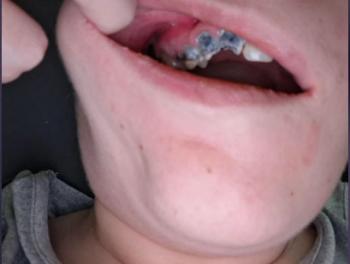
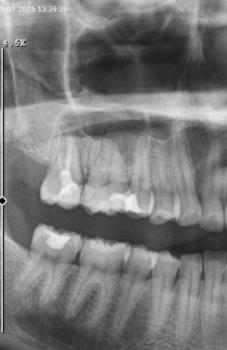
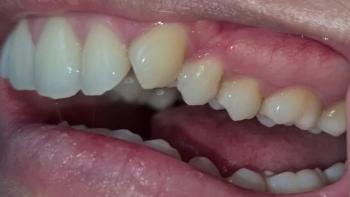
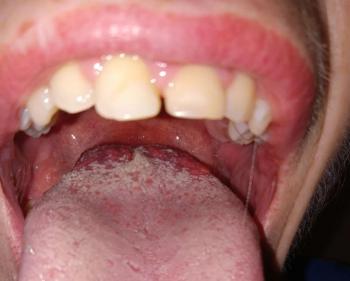
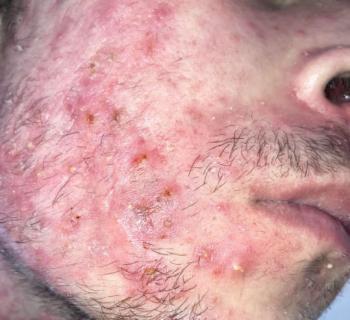
Patients with lower front gum inflammation may also experience tartar buildup, periodontal disease, gum abscesses, or tooth decay. Explore these related clinical case studies.



Other topics:
Other Dental Clinic
 |
 |
 |
 |