Smile Again with Comfort and Confidence.

Decayed Molar With Gum Abscess Inner Cheek Side Case
Image:
Severity:
Teeth Problems:
Expert Dentist Guide: Decayed Molar With a Gum Abscess on the Inner Cheek Side
A severely decayed molar accompanied by swelling along the inner cheek side of the gum may indicate an underlying dental infection. When bacteria penetrate deep into a tooth, they can reach the dental pulp—the soft tissue containing nerves and blood vessels—and potentially spread into the tissues surrounding the tooth root.
From a clinical perspective, the combination of extensive molar decay and localized gum swelling deserves prompt dental assessment. However, a photograph alone cannot confirm whether the swelling is a periapical abscess, periodontal abscess, or another oral condition.
Why Does a Decayed Molar Cause Swelling on the Inner Cheek Side?
The molars are responsible for grinding food and have grooves that can retain plaque and food debris. When tooth decay progresses, bacteria can damage the enamel and dentin and eventually infect the pulp.
Several mechanisms may explain swelling beside a decayed molar:
1. Periapical dental abscess
A periapical abscess develops when infection involving the dental pulp spreads toward the tip of the tooth root and surrounding tissues. The infection may produce pus and swelling that becomes noticeable near the gum or inner cheek.
2. Periodontal abscess
A periodontal abscess develops within the supporting tissues around a tooth, often in association with a deep gum pocket. Food impaction, periodontal disease, or a trapped foreign object may contribute to the problem.
3. Localized gum inflammation
Food debris trapped around a badly damaged tooth can irritate the surrounding gum. However, persistent swelling, pus, or worsening pain should not be assumed to be simple irritation.
4. Spreading dental infection
In some cases, infection extends beyond the immediate tooth area and causes swelling of the cheek, jaw, or other facial tissues. This may require emergency medical assessment, particularly when swelling progresses rapidly or affects swallowing or breathing.
Clinical Signs That Require Attention
A dentist assessing a decayed molar with suspected gum abscess will look for symptoms and examination findings such as:
-
A large cavity, dark discoloration, or breakdown of the molar.
-
Localized redness, tenderness, or a raised area of gum tissue.
-
Pain when chewing or biting.
-
Sensitivity to hot or cold foods and drinks.
-
A bad taste, pus discharge, or a gum boil.
-
Swelling extending toward the cheek or jaw.
-
Fever, feeling unwell, or tender lymph nodes.
Not every patient experiences severe pain. If the nerve inside a tooth has died, the tooth may become less sensitive even while infection remains around its root. Therefore, reduced pain does not necessarily mean that the infection has resolved.
How Does a Dentist Diagnose a Molar Gum Abscess?
A proper diagnosis requires an in-person examination rather than visual inspection alone.
The dentist may:
-
Examine the decayed molar, surrounding gum, and inner cheek tissue.
-
Check for tenderness, gum pockets, drainage, and tooth mobility.
-
Perform appropriate pulp vitality or sensibility tests to assess the condition of the tooth nerve.
-
Take dental X-rays to evaluate the roots, surrounding bone, and possible areas of infection.
-
Assess whether the infection is localized or spreading into facial tissues.
These findings help determine whether the tooth can be preserved or whether extraction is the more appropriate option.
Treatment Options for a Decayed Molar With an Abscess
Treatment depends on the source and extent of infection, the amount of healthy tooth structure remaining, and the patient's overall health.
1. Root canal treatment and restoration
If the tooth is restorable, root canal treatment may remove infected or irreversibly damaged pulp tissue. The root canals are cleaned, disinfected, and sealed, followed by an appropriate restoration.
A badly damaged molar may require a crown to protect the remaining tooth structure. A crown is only appropriate when sufficient healthy tooth structure remains to support it.
2. Abscess drainage
When pus has accumulated, the dentist may need to drain the abscess. Drainage may be performed through the tooth during endodontic treatment or through an appropriate surgical opening, depending on the infection's location.
Drainage can relieve pressure, but the underlying source must also be treated.
3. Tooth extraction
If the molar is too extensively damaged to restore predictably, extraction may be recommended. The dentist will assess the infection, surrounding bone, and any factors affecting safe removal.
Replacing the tooth later with a dental implant, bridge, or another suitable option can be discussed after the infection has been managed and the extraction site has been evaluated.
4. Antibiotics when indicated
Antibiotics are not routinely required for every localized dental abscess. Definitive dental treatment—such as drainage, root canal treatment, or extraction—is central to controlling the source.
A dentist or physician may prescribe antibiotics when there is spreading infection, systemic involvement, or another specific clinical indication. Antibiotics alone generally do not eliminate the underlying cause of an infected tooth.
Patients should not use leftover antibiotics, share medication, or change a prescribed course without consulting the treating professional.
What Can You Do Before Your Dental Appointment?
Home care may help reduce discomfort while you arrange treatment, but it cannot cure a dental abscess.
-
Rinse gently with warm salt water and spit it out.
-
Brush carefully with a soft-bristled toothbrush.
-
Eat soft foods and avoid chewing on the affected side.
-
Avoid very hot, cold, or sugary foods if they trigger pain.
-
Use an appropriate over-the-counter pain reliever according to its label and your health circumstances; ask a pharmacist or clinician if you are unsure.
-
Do not squeeze, puncture, or attempt to drain the swollen gum.
-
Do not place aspirin directly against the gum or tooth.
Arrange an urgent dental appointment, preferably the same day if an abscess is suspected. Do not wait for the swelling to disappear on its own.
Emergency Warning Signs: When to Seek Immediate Help
A suspected dental abscess needs prompt treatment. Go to an emergency department immediately if you develop:
-
Difficulty breathing or swallowing.
-
Rapidly increasing swelling of the face, mouth, or neck.
-
Significant difficulty opening your mouth.
-
Swelling around the eye or changes in vision.
-
Severe swelling that interferes with speaking or handling saliva.
Fever, spreading facial swelling, or feeling increasingly unwell also requires urgent assessment. Do not delay emergency care while waiting for a dental appointment.
Expert Dentist's Clinical Takeaway
A decayed molar with swelling on the inner cheek side should be evaluated for a possible dental abscess and other causes of localized oral inflammation. The visible cavity may be only part of the problem; infection can extend into the pulp, root tissues, or surrounding bone.
The most appropriate treatment is determined by examination and dental imaging, not by the appearance of the tooth alone. Early treatment may help preserve a restorable molar and reduce the risk of a more extensive infection.
Medical disclaimer: This article provides general dental education and is not a substitute for an in-person examination, radiographs, or individualized treatment by a qualified dental professional.
Frequently Asked Questions
1. Can a decayed molar cause a gum abscess on the inner cheek side?
Yes. Deep tooth decay can lead to infection around the tooth root, while periodontal disease or a deep gum pocket can cause an abscess alongside the tooth. An examination and appropriate X-rays help establish the source.
2. Is a gum abscess beside a molar dangerous?
It can become serious if the infection spreads into surrounding facial or neck tissues. Even a localized abscess needs prompt dental treatment because it will not reliably resolve without addressing its source.
3. Why is my cheek swollen when the problem appears to be in my molar?
Infection and inflammation can extend from the tooth or its supporting tissues into adjacent soft tissues. Cheek swelling may indicate that the infection is spreading and should be assessed urgently.
4. Can a dental abscess heal without antibiotics?
Some localized abscesses can be treated successfully without antibiotics when appropriate dental treatment is provided. Drainage, root canal treatment, or extraction may be necessary. Antibiotics are indicated in selected cases, especially when infection is spreading or systemic symptoms are present.
5. Will antibiotics alone cure a decayed molar with an abscess?
Usually not. Antibiotics may help control a spreading bacterial infection when indicated, but they do not repair the cavity or reliably eliminate the source inside an infected tooth. Definitive dental treatment is still necessary.
6. Can the dentist save a severely decayed molar?
Possibly. If enough healthy tooth structure remains and the tooth can be restored predictably, root canal treatment followed by an appropriate restoration may be an option. Extraction may be necessary if the tooth is structurally unsalvageable or has a poor prognosis.
7. Should I pop a gum boil or squeeze out the pus?
No. Attempting to puncture or squeeze an abscess can injure the tissues and will not reliably eliminate the infection. A dentist can determine whether professional drainage or another treatment is required.
8. What if the gum abscess drains and the pain disappears?
Drainage may reduce pressure and pain, but the infection can remain. A draining gum opening does not prove that the tooth has healed. Arrange dental assessment even if symptoms temporarily improve.
9. How long does a molar gum abscess take to heal after treatment?
Recovery varies with the infection's extent and the treatment performed. Pain and swelling should generally begin to improve after effective treatment, but complete recovery may take longer. Worsening swelling, fever, or new difficulty swallowing or breathing requires urgent reassessment.
10. Can I wait a week if the swelling is small?
It is not advisable to delay a suspected abscess for a week simply because the swelling is small. Contact a dentist for an urgent appointment, preferably the same day. Seek emergency medical care immediately if symptoms suggest spreading infection or compromise of breathing or swallowing.
11. Does every dark or black molar have an abscess?
No. Dark discoloration can result from decay, staining, or other changes in tooth structure. An abscess cannot be confirmed from tooth color alone; clinical examination and, when indicated, dental X-rays are needed.
12. Can a dental implant replace a molar after an abscess?
Yes, an implant may be an option if the tooth must be removed, but suitability depends on the condition of the bone and gums, overall oral health, and other clinical factors. The infection must first be managed, and the dentist will determine the appropriate timing for implant placement.
13. When should I seek emergency care instead of waiting for a dentist?
Seek emergency care immediately for difficulty breathing or swallowing, rapidly spreading swelling, significant difficulty opening the mouth, or swelling around the eye with vision changes. Fever or facial swelling that is progressing also warrants urgent assessment.
Suggested internal-link topics for readers: Dental abscess treatment, severe tooth decay treatment, gum swelling near a back tooth, root canal treatment versus extraction, and dental implant options after molar extraction.
Decayed Molar With Gum Abscess on Inner Cheek Side Case Analysis
What Is Seen in This Case
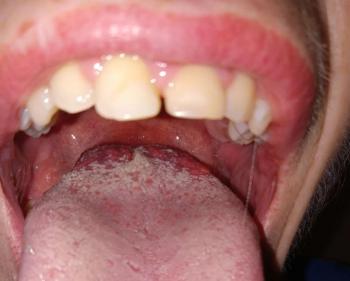
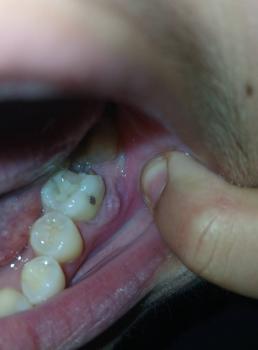
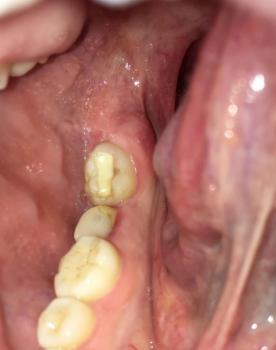
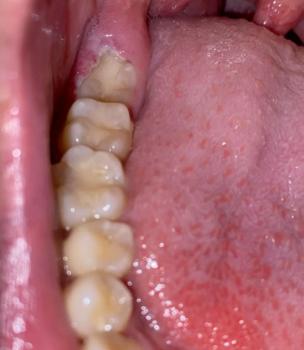
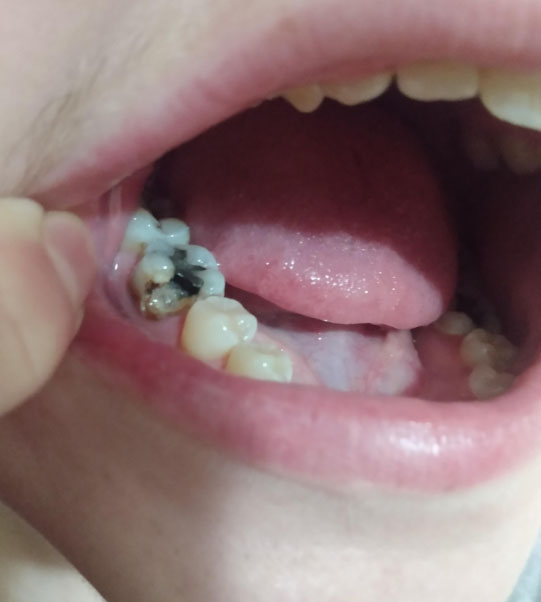
The image shows a severely decayed back molar with dark discoloration and breakdown of the tooth structure. The gum tissue beside the tooth (inner cheek side) appears swollen and irritated, suggesting a localized gum abscess or active infection. The tongue is close to the area, increasing discomfort and irritation.
This location often traps food and bacteria, making infections harder to notice early.
Most Likely Diagnosis
Based on visual examination, the most likely conditions include:
-
Deep tooth decay reaching near the pulp
-
Gum abscess adjacent to a decayed molar
-
Localized periodontal infection
-
Possible early tooth abscess
-
Risk of infection spreading to surrounding tissues
Dental X-ray is required to determine if the infection has reached the tooth root or bone.
What Causes This Type of Infection
Common causes include:
-
Untreated tooth decay
-
Broken or leaking filling
-
Food and bacteria trapped along the inner gumline
-
Poor access for brushing and flossing
-
Delayed dental treatment
Back molars are especially vulnerable due to their position.
Is This a Serious Problem
Yes. This is an active dental infection. If untreated, it may scale up into:
-
Increasing pain and swelling
-
Pus drainage and bad taste
-
Tooth nerve infection
-
Jawbone involvement
-
Tooth loss
-
Facial swelling or fever
Early intervention is strongly recommended.
Recommended Treatment Process
Initial Assessment (Days 1–3)
-
Dental examination
-
X-ray to assess decay depth
-
Evaluation of gum and bone involvement
Active Treatment Phase (Days 4–7)
Treatment may include:
-
Drainage of the abscess
-
Deep cleaning around the tooth
-
Root canal treatment if tooth can be saved
-
Tooth extraction if damage is severe
-
Antibiotics if infection is spreading
Healing and Follow-Up Phase (Days 8–14)
-
Swelling and pain should reduce
-
Gum tissue begins to heal
-
Follow-up to confirm infection resolution
Expected Healing Time
-
Pain relief: 2–4 days after treatment
-
Gum healing: 7–14 days
-
Full recovery depends on treatment type
What Happens If Treatment Is Delayed
Delaying care may result in:
-
Rapid spread of infection
-
Bone loss around the molar
-
More complex surgery
-
Emergency dental or hospital visit
-
Higher treatment cost
Home Care While Waiting for Treatment
These steps may reduce discomfort but do not cure infection:
-
Rinse with warm salt water
-
Keep the area clean but brush gently
-
Avoid chewing on the affected side
-
Avoid sugary and sticky foods
Seek dental care as soon as possible.
Professional Comment
This case shows a decayed molar with signs of gum abscess on the inner cheek side, a common but serious dental problem. Early treatment can often save the tooth and prevent deeper infection.
Visit a Dental Clinic Near You
For professional evaluation and treatment, visit:
https://cebudentalimplants.com/map-dental-clinic
Related Clinical Cases
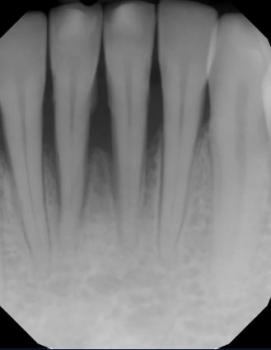
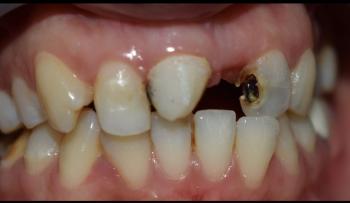
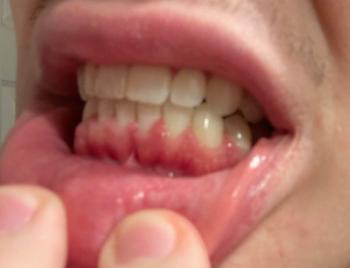
Patients with lower front gum inflammation may also experience tartar buildup, periodontal disease, gum abscesses, or tooth decay. Explore these related clinical case studies.