Healthy Teeth, Happy Life.

Cleaned My Teeth at the Dentist - Now My Gums Bleed. Is This Normal?
Language :

Topics:
Have you ever left the dentist after a routine cleaning only to notice your gums feel tender, bleed when you brush, or even that your teeth seem slightly loose? If so, you're not alone, and this doesn’t mean the cleaning harmed you. In fact, these sensations are often a sign that your cleaning was necessary, effective, and is revealing pre-existing issues that were hidden. Let’s explore why this happens and what it means for your long-term oral health.
1. The "Tartar Cast" Effect: Why Teeth Can Feel Loose
One of the most surprising sensations after a cleaning is temporary, mild tooth mobility. Here’s the science behind it:
-
Tartar as a False Support: Over time, hardened plaque (calculus or tartar) builds up around teeth, especially below the gumline. This crusty deposit can act like a splint or “cast,” physically holding teeth together and masking underlying bone loss.
-
The Revealing Clean: When a dental hygienist removes this tartar through professional scaling, the teeth are returned to their true, natural state. If there was pre-existing bone loss due to gum disease, the teeth may now feel slightly loose because the artificial “support” is gone.
-
A Positive Sign: This exposure is actually the first step toward healing. Without tartar, the gums can now properly reattach to clean tooth roots, and with consistent care, inflammation reduces and stability can improve.
2. Why Gums Bleed After a Professional Cleaning
Bleeding gums post-cleaning are almost always a sign of gingivitis (gum inflammation) that was already present.
-
Inflamed Tissue: Tartar harbors bacteria that irritate and infect the gums, making them swollen, red, and fragile. This tissue is already in a state of low-grade bleeding readiness.
-
The Cleaning Process: Scaling inevitably contacts this inflamed tissue. Think of it like removing a splinter from an infected finger—the area is tender and may bleed when cleaned, but cleaning is essential for healing.
-
Healing Response: The bleeding should subside within a few days to a week as the inflammation decreases. Healthy gums do not bleed with gentle brushing or professional cleaning.
3. Common "Issues" You Might Feel (And Why They're Temporary)
-
Gum Tenderness/Soreness: Your gums are healing from chronic irritation. It’s similar to muscles being sore after a good workout—the process is beneficial.
-
Increased Sensitivity: Tartar buildup can recede gums and expose roots. Once the tartar is removed, those newly exposed areas can be sensitive to temperature and touch until they remineralize or the gums heal.
-
Spacing or Gaps: Tartar can fill spaces between teeth. After removal, you might notice small gaps (tartar had been visually and physically filling them). These are your natural, clean spaces.
4. What This Reveals About Your Oral Health
These sensations are your body’s signals telling you:
-
You had active gum disease (gingivitis or early periodontitis) that was being masked.
-
The cleaning was thorough and reached the problem areas below the gumline.
-
Your home care routine needs adjustment to prevent tartar from building up again.
5. Your Action Plan: Post-Cleaning Care & Prevention
To ensure quick healing and prevent recurrence:
-
Be Gentle But Consistent: Continue brushing gently with a soft-bristled toothbrush and flossing daily. The bleeding will decrease as gums become healthier.
-
Use Antiseptic Rinse: Your dentist may recommend a saltwater rinse or an alcohol-free antimicrobial mouthwash for a few days.
-
Monitor: Sensitivity and minor mobility should improve within 1-2 weeks. If it worsens or persists, contact your dentist.
-
Upgrade Your Routine: Consider an electric toothbrush for more effective plaque removal and discuss fluoride or desensitizing toothpaste options with your dentist.
-
Stay Regular: Professional cleanings every 6 months (or as recommended) prevent tartar from building up to the point where it causes these issues again.
Feeling gum issues after a cleaning is not a sign of damage—it’s a sign of successful intervention. The temporary sensitivity, bleeding, or looseness is the unmasking of a problem that was silently progressing. By removing the tartar, your dental team has given your gums the chance to heal, reduced the bacterial load, and protected the long-term health of your teeth and bone.
Remember: Dentistry’s goal is not just to clean, but to reveal the true state of your oral health and guide it toward recovery. What you feel after a cleaning is an honest conversation starting between your gums and you.
Looking for dentist : Visit directory list
Related Clinical Cases
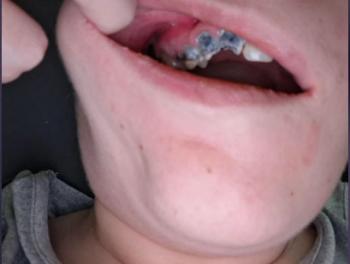
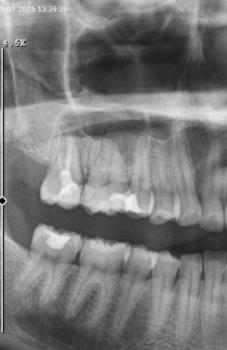
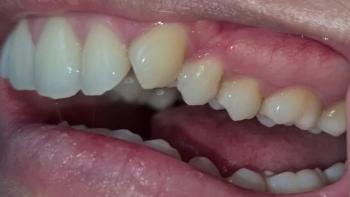
Patients with lower front gum inflammation may also experience tartar buildup, periodontal disease, gum abscesses, or tooth decay. Explore these related clinical case studies.



Other topics:
Other Dental Clinic