Modern Dentistry, Timeless Smiles.

Gum Abscess Near Upper Front Teeth Case Analysis
Image:
Severity:
Teeth Problems:
Gum Abscess Near Upper Front Teeth: Expert Dental Advice, Treatment Options, and Warning Signs
Why a Swollen Gum Above Your Front Teeth Needs Attention
A small, red bump or swollen area above the upper front teeth may look harmless, but it can sometimes indicate a localized dental infection. Patients may notice tenderness when touching the gum, discomfort while brushing, a bad taste in the mouth, or a small pimple-like swelling that releases pus.
A gum abscess is a collection of pus caused by infection. However, not every swollen gum is an abscess. Similar symptoms may occur with gingivitis, periodontal disease, irritation, or an infection originating inside a tooth.
From a clinical perspective, the most important step is identifying where the infection begins. An examination by a licensed dentist, sometimes combined with dental X-rays and gum-pocket measurements, can help determine the appropriate treatment.
What Causes an Abscess Near the Upper Front Teeth?
Several conditions can cause swelling in this area:
1. Infection at the Root of a Tooth
Deep decay, a crack, or trauma may damage the dental pulp, allowing infection to develop near the root tip. The infection may eventually drain through the gum, creating a small bump above the affected tooth.
2. Periodontal Infection
Bacteria and plaque can accumulate below the gumline, especially in patients with periodontal pockets. A localized infection may produce swelling, tenderness, pus, or bleeding.
3. Trapped Food or Foreign Material
Small particles or other material trapped beneath the gum can irritate the tissue and occasionally contribute to a localized infection.
4. Previous Dental Treatment or Trauma
A history of injury to a front tooth, a previous root canal, or a dental restoration may be relevant when investigating swelling. Some dental infections develop even when the visible tooth surface appears relatively normal.
Important: The appearance of a gum bump alone cannot reliably identify its cause. A dental examination is necessary to distinguish a gum abscess from an infection around a tooth root or another type of lesion.
How a Dentist Evaluates Gum Swelling
A dentist may assess the affected area through the following steps:
-
Visual examination: Checking the color, size, location, and tenderness of the swelling.
-
Tooth vitality testing: Determining whether the tooth's pulp may be damaged or non-vital.
-
Gum examination: Measuring periodontal pockets and checking for bleeding, pus, and supporting-tissue damage.
-
Dental imaging: Taking an appropriate X-ray when necessary to evaluate the tooth roots and surrounding bone.
These findings help guide treatment rather than relying on the appearance of the swelling alone.
Treatment Options for a Gum Abscess
Treatment depends on the source of the infection.
Drainage: If pus has accumulated, a dentist may need to drain the abscess safely.
Professional periodontal cleaning: When the infection originates in a gum pocket, treatment may involve cleaning beneath the gumline and removing trapped debris.
Root canal treatment: If the infection originates inside the tooth and the tooth can be saved, root canal treatment may remove infected or damaged pulp tissue.
Tooth extraction: Extraction may be necessary if the affected tooth cannot be predictably restored.
Antibiotics: These may be appropriate when there are signs of spreading infection or systemic involvement. Antibiotics are not a substitute for drainage or definitive dental treatment and are not routinely needed for every localized dental abscess.
The dentist will determine the appropriate treatment based on the clinical findings, medical history, and severity of the infection.
What Can You Do While Waiting for a Dental Appointment?
If you notice swelling above an upper front tooth:
-
Arrange an urgent dental assessment, preferably the same day if an abscess is suspected.
-
Rinse gently with warm salt water if you can rinse and spit safely.
-
Brush gently with a soft-bristled toothbrush.
-
Avoid squeezing, puncturing, or attempting to drain the swelling yourself.
-
Avoid placing aspirin, alcohol, or irritating substances directly on the gum.
-
Use an over-the-counter pain reliever only if it is safe for you and according to its label or a healthcare professional's advice.
Do not use leftover antibiotics or start prescription medication without professional guidance.
When Is It an Emergency?
Seek emergency medical care immediately if you develop difficulty breathing or swallowing, rapidly spreading facial or neck swelling, swelling around the eye with pain or vision changes, or severe difficulty opening your mouth.
Fever, feeling significantly unwell, or increasing facial swelling alongside a suspected dental infection requires urgent assessment because the infection may be spreading.
Short Story: A Swollen Gum in Quezon City, Philippines
The following is a fictional educational scenario, not a documented patient case.
The Small Bump That Changed Marco's Routine
Marco, a 38-year-old office worker living in Quezon City, noticed a tiny red bump above one of his upper front teeth while brushing before work. It was only mildly tender, so he assumed he had brushed too hard.
Over the next two days, the swelling became more noticeable. He also experienced an unpleasant taste in his mouth, especially in the morning. Because he had meetings and a long commute, Marco considered waiting until the weekend to have it checked.
When the gum began to throb, he decided to visit a dental clinic near his neighborhood instead of continuing to monitor it at home.
The dentist examined the swollen area, checked the nearby teeth, and recommended a dental X-ray. The evaluation helped investigate whether the infection originated from the gum or the root of a tooth. Marco learned that treating the underlying cause was more important than simply making the bump disappear.
After receiving the appropriate treatment plan, he was advised to maintain gentle oral hygiene, attend his follow-up appointment, and return promptly if swelling or pain worsened.
Marco's experience illustrates an important lesson: a small gum bump can be the first visible sign of a deeper dental problem. Prompt evaluation can help prevent complications and identify the treatment needed to protect the affected tooth and surrounding tissues.
Frequently Asked Questions
1. Is a gum abscess above the upper front teeth dangerous?
It can be. A localized abscess requires prompt dental treatment because infection can damage surrounding tissues and, in some cases, spread into the face or other areas. Seek emergency care if you have breathing or swallowing difficulty or rapidly spreading swelling.
2. Can a gum abscess disappear without treatment?
The swelling may temporarily decrease or drain on its own, but that does not necessarily mean the infection has resolved. The underlying cause may remain and require professional treatment.
3. Why is there a pus-filled bump above my front tooth?
Possible causes include an infection around the tooth root, a periodontal abscess, or another localized gum infection. An examination and sometimes an X-ray are needed to identify the source.
4. Does a gum abscess always cause toothache?
No. Some abscesses cause significant pain, while others produce only mild tenderness, pressure, a bad taste, or intermittent drainage. Little or no pain does not rule out an infection.
5. Will antibiotics cure the abscess?
Not necessarily. Many localized dental abscesses need direct treatment, such as drainage, periodontal care, or root canal treatment. Antibiotics are reserved for situations in which they are clinically indicated, including certain spreading infections or systemic symptoms.
6. Can I pop the gum abscess at home?
No. Puncturing or squeezing it can injure the tissue and does not treat the underlying source of infection. Allow a dental professional to determine whether drainage is needed.
7. How long does a gum abscess take to heal?
Recovery varies according to the infection's source, severity, and treatment. Discomfort and swelling may begin to improve after appropriate treatment, but complete healing may take longer. Follow your dentist's instructions and seek reassessment if symptoms persist or worsen.
8. Can a gum abscess damage my front teeth?
Yes, depending on the cause and extent of infection. An infection originating inside a tooth can damage the surrounding tissues, while periodontal infection may affect the supporting gum and bone. Early treatment may help preserve the tooth when it remains restorable.
9. Is a gum abscess the same as gingivitis?
No. Gingivitis is inflammation of the gums, commonly associated with plaque buildup. An abscess is a localized collection of pus caused by infection. Gingivitis does not automatically mean an abscess is present.
10. What should I do if the swelling returns after treatment?
Contact your dentist for reassessment. Recurrent swelling may indicate that the underlying infection has not been fully controlled or that additional treatment is needed.
Gum Abscess Near Upper Front Teeth Case Analysis
What Is Seen in This Case
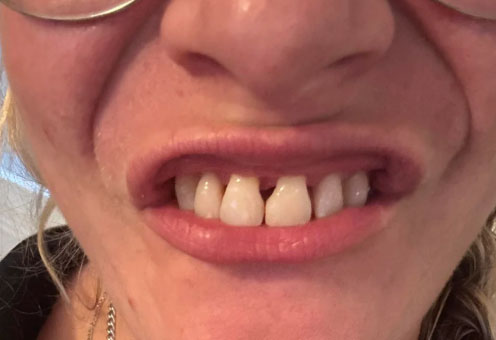
The image shows localized swelling and redness on the gum near the upper front teeth, visible when the patient pulls the lip back. The teeth appear generally intact, but the gum tissue around one or more front teeth looks inflamed and raised, suggesting a localized gum abscess or infection.
This area is part of the smile zone, so changes are easily noticed by the patient.
Most Likely Diagnosis
Based on visual examination, the most likely conditions include:
-
Localized gum abscess near upper front teeth
-
Early periodontal infection
-
Bacterial infection trapped under the gum
-
Inflammation caused by plaque buildup or minor trauma
A dental examination and X-ray are recommended to confirm whether the infection is limited to the gum or involves the tooth root.
What Causes a Gum Abscess in the Upper Front Area
Common causes include:
-
Plaque and tartar buildup along the gumline
-
Food debris trapped under the gum
-
Incomplete brushing or flossing
-
Gum injury or irritation
-
Early gum disease
Even front teeth can develop abscesses if bacteria remain under the gum.
Is This a Serious Problem
At this stage, the condition is usually mild to moderate, but if ignored it may scale up into:
-
Increased swelling and pain
-
Pus formation
-
Gum tissue damage
-
Tooth sensitivity or loosening
-
Infection spreading to nearby tissues
Early treatment helps prevent visible damage to the smile.
Recommended Treatment Process
Initial Assessment (Days 1–3)
-
Dental examination
-
Gum evaluation around affected teeth
-
Dental X-ray if deeper infection is suspected
Active Treatment Phase (Days 4–7)
Treatment may include:
-
Professional dental cleaning
-
Drainage of the abscess if present
-
Removal of plaque and bacteria
-
Medication if infection is spreading
Healing and Follow-Up Phase (Days 8–14)
-
Swelling should reduce
-
Gum redness improves
-
Tissue begins to return to normal
Further gum care may be advised to prevent recurrence.
Expected Healing Time
-
Mild infection: 3–5 days after treatment
-
Moderate gum abscess: 7–14 days
Healing depends on early care and oral hygiene.
What Happens If Treatment Is Delayed
If delayed beyond 14 days, the condition may worsen and lead to:
-
Larger abscess formation
-
Bone loss around front teeth
-
Tooth mobility
-
Cosmetic changes to the smile
-
More complex periodontal treatment
Home Care While Waiting for Treatment
These steps may reduce irritation but do not cure infection:
-
Brush gently twice daily
-
Floss carefully around front teeth
-
Rinse with warm salt water
-
Avoid pressing or squeezing the swollen area
Schedule a dental visit if swelling persists.
Final Dental Advice
Swelling near the upper front teeth deserves attention because several different dental conditions can produce similar symptoms. The safest approach is to identify the source of the problem and treat it directly rather than relying on home remedies or antibiotics alone.
If you notice a painful gum bump, pus, persistent swelling, or a bad taste near an upper front tooth, arrange an urgent dental appointment. Early diagnosis can help protect your oral health and reduce the risk of more complicated treatment.
Medical disclaimer: This article is for educational purposes and does not replace an in-person examination by a licensed dentist. Treatment decisions depend on the patient's symptoms, examination findings, and diagnostic imaging when indicated.
Professional Comment
This case shows a localized gum abscess near the upper front teeth, which often responds well to early treatment. Prompt dental care helps protect both oral health and smile appearance.
Visit a Dental Clinic Near You
For gum infection evaluation and treatment, visit:
https://cebudentalimplants.com/map-dental-clinic
Related Clinical Cases
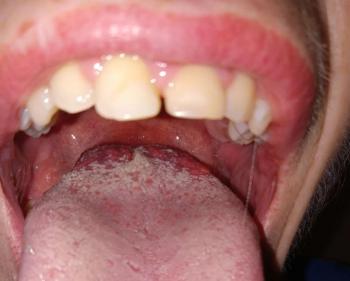
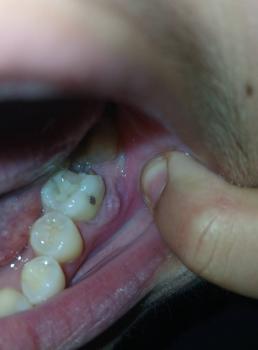
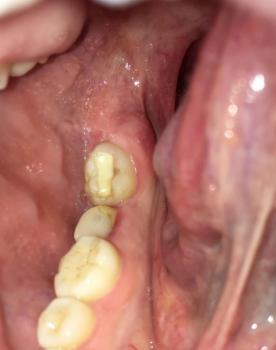
Patients with lower front gum inflammation may also experience tartar buildup, periodontal disease, gum abscesses, or tooth decay. Explore these related clinical case studies.

Other topics:
Other Dental Clinic
 |
 |
 |
 |