Missing Teeth? Find Your Smile Again.

Rapid Spread of Infection After a Root Canal in Glendale, California (2026 Expert Guide): Diagnosis, Treatment, Worst-Case Scenarios, and How to Save Your Health
Language :

As a USA dentist who has treated root canal infections for many years, one of the most serious situations I encounter is the rapid spread of dental infection following a root canal procedure. While root canal treatment is highly successful and saves millions of teeth every year, there are cases where infection can progress quickly and become a medical emergency.
Patients in Glendale, California often ask:
- Why is my face swelling after a root canal?
- Why is the pain getting worse instead of better?
- Can a root canal infection spread to my neck or brain?
- When should I seek emergency dental care?
- Can the tooth still be saved?
The answer depends on how quickly the infection is diagnosed and treated.
Most root canal infections remain localized around the tooth. However, when bacteria gain access to surrounding tissues, infection may spread into facial spaces, the jawbone, the neck, and in rare situations even become life-threatening.
This comprehensive guide explains the causes, diagnosis, symptoms, treatment options, and the worst-case scenarios that can occur when a root canal infection spreads rapidly.
Understanding Root Canal Infections
A root canal procedure removes infected or damaged pulp from inside a tooth.
The treatment involves:
- Removing infected tissue
- Cleaning root canals
- Disinfecting the canal system
- Filling the canals
- Restoring the tooth
When performed properly, the success rate is extremely high.
However, infection can continue or return when:
- Bacteria remain inside the canal system
- A canal is missed
- The tooth fractures
- The crown leaks
- Reinfection occurs
- The patient delays treatment
Once bacteria escape into surrounding tissues, infection may spread aggressively.
Why Can Infection Spread Rapidly?
The mouth contains hundreds of bacterial species.
When these bacteria gain access to deeper tissues, they may travel through:
- Root tips
- Bone spaces
- Facial tissue planes
- Blood vessels
- Lymphatic channels
Some infections remain small.
Others spread surprisingly fast within 24 to 72 hours.
Factors that increase risk include:
- Diabetes
- Smoking
- Weakened immune system
- Advanced age
- Poor oral hygiene
- Delayed treatment
- Severe untreated decay
Patients with compromised immunity may experience much faster progression.
Common Signs of a Spreading Infection
Early symptoms often include:
Persistent Tooth Pain
Pain may:
- Throb continuously
- Wake patients at night
- Worsen when chewing
- Increase despite pain medication
Gum Swelling
The gum near the tooth may become:
- Puffy
- Red
- Tender
- Painful
Pus Drainage
A small pimple-like bump may develop.
This bump is known as a fistula or sinus tract.
It allows infection to drain temporarily.
Unfortunately, drainage does not mean the infection is gone.
Facial Swelling: A Serious Warning Sign
Facial swelling is one of the clearest indicators that infection is spreading.
Patients frequently notice:
- Swollen cheek
- Swollen jawline
- Puffy eye area
- Enlarged facial appearance
Swelling may begin small and then expand rapidly over several hours.
This progression requires immediate professional evaluation.
Difficulty Opening the Mouth
A spreading infection may involve muscles responsible for jaw movement.
Patients often report:
- Jaw stiffness
- Limited opening
- Pain when speaking
- Pain when eating
This condition is known as trismus.
Trismus frequently indicates deeper tissue involvement.
Difficulty Swallowing
Difficulty swallowing is a major red flag.
Patients may experience:
- Pain swallowing saliva
- Sensation of throat pressure
- Difficulty eating
- Difficulty drinking
At this stage, infection may be extending toward the neck spaces.
Emergency treatment is recommended.
Difficulty Breathing: A Medical Emergency
One of the most dangerous complications occurs when swelling threatens the airway.
Warning signs include:
- Shortness of breath
- Noisy breathing
- Rapid breathing
- Throat tightness
- Inability to lie flat
These symptoms require immediate emergency room evaluation.
Airway compromise can become life-threatening.
How Dentists Diagnose a Rapidly Spreading Infection
Accurate diagnosis is critical.
The diagnostic process usually includes:
Clinical Examination
The dentist evaluates:
- Swelling location
- Pain intensity
- Gum condition
- Tooth stability
- Drainage
Percussion Testing
The tooth is tapped gently.
Severe pain often indicates inflammation around the root tip.
Pulp Testing
Nearby teeth may be tested to identify additional infected teeth.
Digital X-Rays
Radiographs reveal:
- Bone loss
- Root fractures
- Previous treatment quality
- Periapical abscesses
CBCT 3D Imaging
Modern cone beam CT scans provide detailed views of:
- Hidden canals
- Bone destruction
- Fractures
- Infection spread
CBCT technology often identifies problems invisible on conventional X-rays.
Common Causes of Failed Root Canal Infections
Missed Canals
Many teeth contain complex anatomy.
A missed canal may continue harboring bacteria.
Molars are especially vulnerable.
Missed canals remain one of the leading causes of persistent infection.
Cracked Tooth
A fracture allows bacteria to enter deep structures.
Even an excellent root canal may fail if the tooth develops a crack.
Leaking Crown
A defective crown may permit bacterial contamination.
Over time, reinfection develops.
Delayed Restoration
Patients sometimes postpone crown placement.
This increases the risk of:
- Fracture
- Leakage
- Reinfection
Severe Initial Infection
Some teeth have massive bacterial involvement before treatment begins.
These infections may require additional procedures.
Worst-Case Scenario #1: Dental Abscess
The most common severe complication is a dental abscess.
An abscess contains:
- Pus
- Dead tissue
- Bacteria
- Inflammatory fluid
Symptoms include:
- Severe pain
- Swelling
- Fever
- Bad taste
- Drainage
Untreated abscesses continue expanding.
Worst-Case Scenario #2: Cellulitis
Cellulitis occurs when infection spreads through soft tissues.
Symptoms include:
- Diffuse swelling
- Warm skin
- Redness
- Fever
- Facial tenderness
Cellulitis can progress rapidly.
Hospital treatment may become necessary.
Worst-Case Scenario #3: Facial Space Infection
The head and neck contain numerous tissue compartments.
Infection can spread into:
- Buccal space
- Submandibular space
- Sublingual space
- Masticator space
These infections often cause dramatic facial swelling.
Patients may require:
- IV antibiotics
- Surgical drainage
- Hospitalization
Worst-Case Scenario #4: Jawbone Infection
Infection may spread into bone.
This condition is called osteomyelitis.
Symptoms include:
- Persistent pain
- Swelling
- Bone destruction
- Delayed healing
Osteomyelitis can require prolonged treatment.
Worst-Case Scenario #5: Ludwig's Angina
Ludwig's angina is one of dentistry's most feared emergencies.
The infection spreads beneath the tongue and into neck spaces.
Symptoms include:
- Swollen tongue
- Difficulty swallowing
- Difficulty breathing
- Drooling
- Airway obstruction
Immediate hospitalization is required.
Without treatment, the condition may become fatal.
Worst-Case Scenario #6: Infection Entering the Bloodstream
Bacteria can occasionally enter the bloodstream.
This may lead to:
- Bacteremia
- Sepsis
- Multi-organ complications
Warning signs include:
- Fever
- Chills
- Rapid heart rate
- Confusion
- Weakness
Sepsis requires emergency medical care.
Worst-Case Scenario #7: Brain Infection
Although rare, upper tooth infections may spread toward the cranial region.
Potential complications include:
- Brain abscess
- Meningitis
- Cavernous sinus thrombosis
Symptoms may include:
- Severe headache
- Vision changes
- Neurological symptoms
- Fever
Immediate hospitalization is necessary.
Treatment Options for Rapidly Spreading Root Canal Infection
Treatment depends on severity.
Antibiotics
Antibiotics help control bacterial spread.
Common choices may include:
- Amoxicillin
- Augmentin
- Clindamycin
- Metronidazole combinations
Antibiotics alone rarely solve the underlying dental problem.
The infection source must also be treated.
Emergency Drainage
When significant swelling exists, drainage may be required.
Benefits include:
- Reduced pressure
- Reduced pain
- Faster healing
- Better antibiotic effectiveness
Root Canal Retreatment
If infection originates from failed treatment, retreatment may be recommended.
The dentist:
- Removes old filling material
- Cleans canals again
- Disinfects thoroughly
- Refills the canal system
Many previously failed root canals can be successfully saved.
Apicoectomy
An apicoectomy removes the infected root tip.
This procedure is useful when conventional retreatment is insufficient.
Tooth Extraction
Sometimes the tooth cannot be saved.
Reasons include:
- Vertical root fracture
- Severe bone destruction
- Extensive decay
- Advanced infection
Extraction removes the infection source.
Replacement options may include:
- Dental implants
- Bridges
- Partial dentures
Can the Tooth Still Be Saved?
Many patients fear extraction.
Fortunately, numerous infected root canal teeth can still be preserved.
Factors favoring success include:
- Early diagnosis
- Limited bone loss
- No vertical fracture
- Good overall health
- Prompt treatment
The sooner treatment begins, the greater the chance of saving the tooth.
A Realistic Glendale Success Story
A 46-year-old Glendale resident arrived with severe swelling on the lower right side of his face.
Three years earlier he had received a root canal on a molar.
Over several weeks he noticed:
- Mild discomfort
- Occasional swelling
- Sensitivity while chewing
He delayed treatment because the symptoms would temporarily disappear.
One morning he awoke with:
- Significant facial swelling
- Severe pain
- Difficulty opening his mouth
CBCT imaging revealed a missed canal and a large abscess.
Emergency treatment included:
- Drainage
- Antibiotics
- Root canal retreatment
Within 48 hours, swelling began improving.
Several months later:
- Bone healing was visible
- Pain disappeared
- The tooth remained functional
Early intervention prevented hospitalization and preserved the natural tooth.
Preventing Future Root Canal Infections
Patients can reduce risks by:
Attending Follow-Up Visits
Regular examinations identify problems early.
Obtaining the Final Crown
Permanent restorations protect treated teeth.
Practicing Excellent Oral Hygiene
Daily brushing and flossing remain essential.
Avoiding Delayed Treatment
Minor symptoms can become major emergencies.
Monitoring Changes
Seek evaluation if you notice:
- Swelling
- Persistent pain
- Gum bumps
- Bad taste
- Sensitivity
When Should Glendale Patients Seek Emergency Care?
Contact a dentist immediately if you develop:
- Facial swelling
- Increasing pain
- Fever
- Pus drainage
- Difficulty chewing
Seek emergency medical care immediately if you experience:
- Difficulty breathing
- Difficulty swallowing
- Rapidly expanding swelling
- High fever
- Severe neck swelling
These symptoms can indicate a serious spreading infection.
Final Thoughts From a USA Dentist
A rapidly spreading infection after a root canal is not something patients should ignore. While modern root canal treatment remains one of the most successful procedures in dentistry, untreated infection can escalate quickly and lead to serious complications.
The good news is that most cases can be successfully managed when diagnosed early. Advanced imaging, modern endodontic techniques, antibiotics, drainage procedures, retreatment, and surgical therapies allow dentists to stop infection and preserve many teeth that would once have been lost.
If you live in Glendale, California and notice swelling, persistent pain, drainage, fever, difficulty swallowing, or worsening symptoms after a root canal, seek professional evaluation immediately. Prompt treatment can mean the difference between saving a tooth and facing a potentially life-threatening emergency.
Can tooth extraction cause infection? Mild inflammation is normal, but increasing swelling, fever, or severe pain may indicate infection. Learn more about post-extraction infection warning signs in this detailed guide.
Book a consultation with our Cebu dental specialists for proper evaluation and care.
Ready to get expert guidance?
If you’re experiencing severe pain or delayed healing, book a consultation with our Cebu dental specialists to get proper evaluation and care.
Consultation or contact page .
Book a Consultation
For severe discomfort or delayed healing, book a consultation with our Cebu dental specialists today.
Looking for a dentist? Browse our Cebu dental directory to find trusted clinics near you.
Medical Review and Clinical Basis
This article is based on clinical dental guidelines and real patient recovery patterns observed after tooth extraction procedures. The information reflects common post-extraction healing stages, including normal clot formation, gum tissue repair, and signs of possible complications such as dry socket or infection.
While mild discomfort is expected after a dental extraction, worsening pain after Day 3, bad odor, exposed bone, or spreading pain may require professional evaluation. These symptoms are consistent with known post-extraction complications described in standard dental practice.
About Cebu Dental Implants
Cebu Dental Implants provides comprehensive tooth extraction, surgical procedures, and dental implant services in the Philippines. Our team evaluates post-extraction healing, manages complications such as dry socket, and advises patients on proper aftercare to prevent infection and delayed healing.
If you experience severe pain or unusual symptoms after extraction, early professional assessment is recommended to prevent further complications.
Important Medical Disclaimer
This content is for educational purposes only and does not replace professional dental diagnosis. Every patient heals differently. If symptoms worsen or do not improve within a few days, consult a licensed dentist for proper evaluation and treatment.
Author
This article was prepared by the Cebu Dental Implants content team in consultation with licensed dental professionals experienced in tooth extraction and implant procedures.
Related Clinical Cases
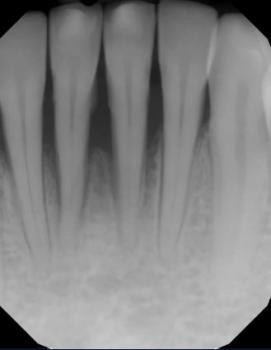
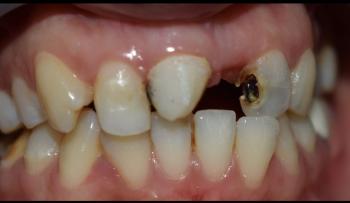
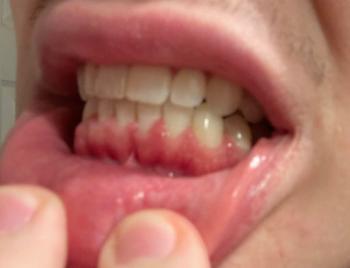
Patients with lower front gum inflammation may also experience tartar buildup, periodontal disease, gum abscesses, or tooth decay. Explore these related clinical case studies.