Healthy Teeth, Happy Life.

Scientific Evidence: Stone Tools Were Used to Remove Tooth Decay 59,000 Years Ago
Language :
Topics:
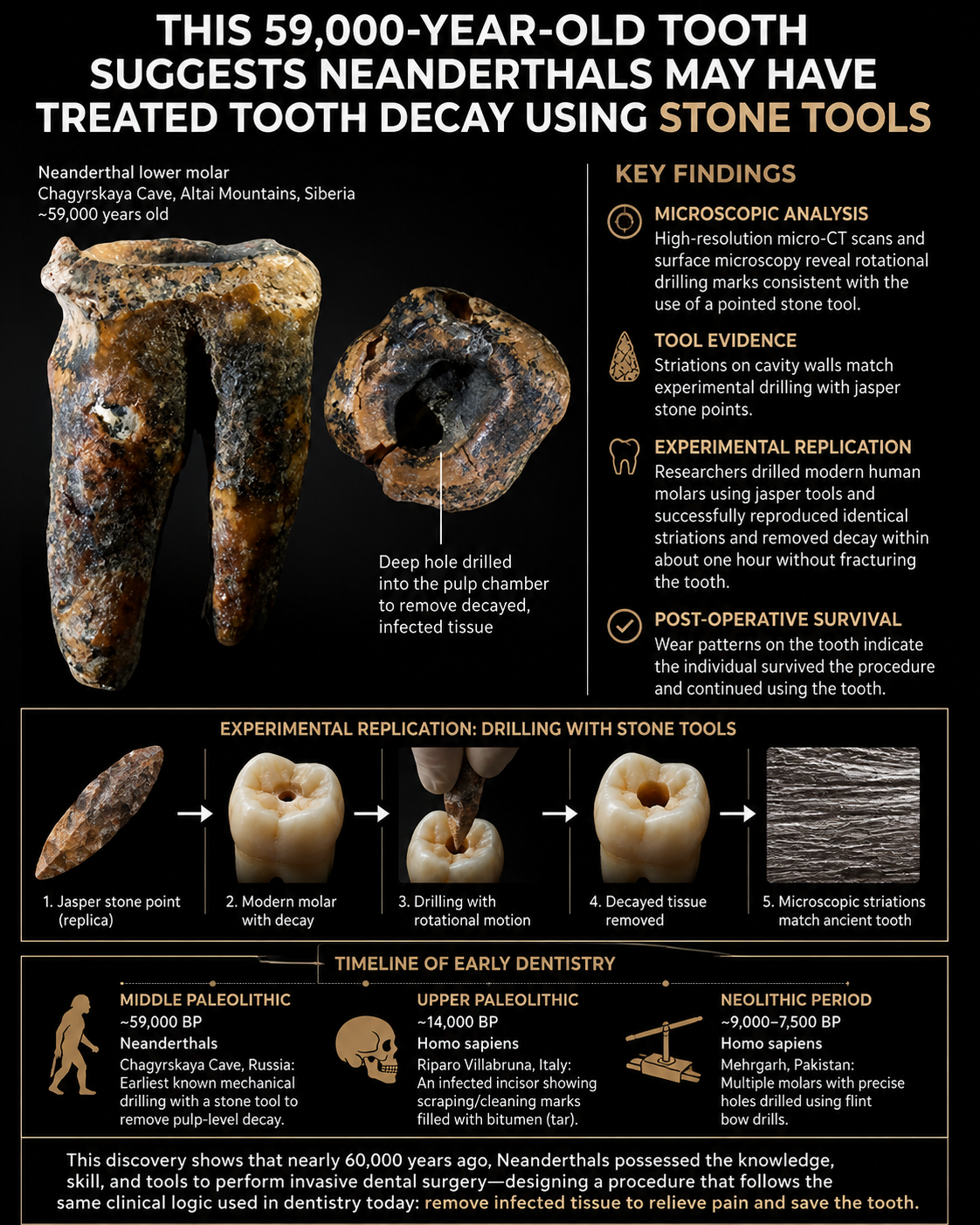
A landmark study published in PLOS ONE provides the earliest known evidence of invasive dental treatment in human history. Researchers led by Dr. Alisa Zubova examined a 59,000-year-old Neanderthal molar discovered in Chagyrskaya Cave in the Altai Mountains of Siberia.
Using high-resolution micro-computed tomography (micro-CT) and microscopic surface analysis, the team identified a deep, intentionally created cavity extending into the tooth's pulp chamber. The microscopic striations showed rotational drilling movements that are inconsistent with natural wear and strongly indicate the use of a pointed stone tool.
Experimental Evidence
To test their hypothesis, archaeologists reproduced the procedure using replicas of prehistoric stone tools.
Their experiments demonstrated that:
- Pointed jasper stone tools successfully drilled into extracted human molars.
- The tools removed decayed dentin and infected pulp tissue without fracturing the tooth.
- The drilling process took approximately one hour.
- The microscopic scratch patterns produced during the experiments were virtually identical to those observed on the Neanderthal tooth.
These findings provide strong experimental evidence that prehistoric stone tools could effectively remove infected dental tissue.
What Was Removed?
The study indicates that the procedure was intended to remove:
- Carious (decayed) dentin
- Infected pulp tissue
- Necrotic material responsible for severe tooth pain
Importantly, the evidence does not suggest that a stone object was removed. Instead, a sharpened stone tool served as the surgical instrument to excavate diseased tooth structure.
Evidence of Survival
Researchers also observed wear facets on the treated tooth, indicating that the Neanderthal survived the procedure and continued chewing with the tooth afterward. This suggests the treatment was successful enough to preserve the tooth's function.
Significance
We often assume that ancient technology was primitive and ineffective. Yet this remarkable discovery challenges that belief. Nearly 59,000 years ago, Neanderthals appear to have treated painful tooth decay using carefully crafted stone tools. Modern experimental studies have even replicated the technique, showing that sharpened jasper tools could remove decayed tooth tissue without breaking the tooth. While today's dentistry is far more advanced, the basic principle of removing infected tissue to relieve pain may have begun tens of thousands of years ago. Sometimes the oldest ideas become the foundation of modern medicine.
The discovery reveals remarkable cognitive and technical abilities among Neanderthals, including:
- Recognition that tooth decay caused pain.
- Skilled use of precision stone tools for invasive treatment.
- Fine motor control required for careful drilling.
- Likely social cooperation, as treating a lower molar would have been extremely difficult without assistance.
Timeline of Early Dentistry
| Period | Approximate Age | Species | Evidence |
|---|---|---|---|
| Middle Paleolithic | ~59,000 years ago | Neanderthals | Mechanical drilling using a stone tool to remove infected tooth tissue |
| Upper Paleolithic | ~14,000 years ago | Modern humans | Tooth scraping and filling with bitumen in Italy |
| Neolithic | ~9,000–7,500 years ago | Modern humans | Flint bow-drill dentistry in Mehrgarh, Pakistan |
Conclusion
The research provides compelling evidence that stone tools were capable of performing invasive dental treatment nearly 60,000 years ago. Through microscopic analysis and successful experimental replication, researchers demonstrated that sharpened jasper tools could remove decayed and infected tooth tissue while preserving the tooth itself. This represents the earliest known example of mechanical dental surgery and shows that the core principle of treating tooth decay by removing diseased tissue has remained fundamentally unchanged for tens of thousands of years.
Can tooth extraction cause infection? Mild inflammation is normal, but increasing swelling, fever, or severe pain may indicate infection. Learn more about post-extraction infection warning signs in this detailed guide.
Book a consultation with our Cebu dental specialists for proper evaluation and care.
Ready to get expert guidance?
If you’re experiencing severe pain or delayed healing, book a consultation with our Cebu dental specialists to get proper evaluation and care.
Consultation or contact page .
Book a Consultation
For severe discomfort or delayed healing, book a consultation with our Cebu dental specialists today.
Looking for a dentist? Browse our Cebu dental directory to find trusted clinics near you.
Medical Review and Clinical Basis
This article is based on clinical dental guidelines and real patient recovery patterns observed after tooth extraction procedures. The information reflects common post-extraction healing stages, including normal clot formation, gum tissue repair, and signs of possible complications such as dry socket or infection.
While mild discomfort is expected after a dental extraction, worsening pain after Day 3, bad odor, exposed bone, or spreading pain may require professional evaluation. These symptoms are consistent with known post-extraction complications described in standard dental practice.
About Cebu Dental Implants
Cebu Dental Implants provides comprehensive tooth extraction, surgical procedures, and dental implant services in the Philippines. Our team evaluates post-extraction healing, manages complications such as dry socket, and advises patients on proper aftercare to prevent infection and delayed healing.
If you experience severe pain or unusual symptoms after extraction, early professional assessment is recommended to prevent further complications.
Important Medical Disclaimer
This content is for educational purposes only and does not replace professional dental diagnosis. Every patient heals differently. If symptoms worsen or do not improve within a few days, consult a licensed dentist for proper evaluation and treatment.
Author
This article was prepared by the Cebu Dental Implants content team in consultation with licensed dental professionals experienced in tooth extraction and implant procedures.
Video:
Related Clinical Cases
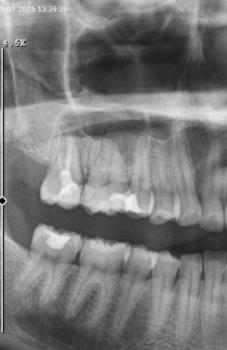
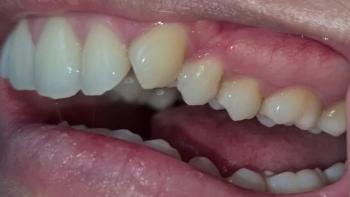
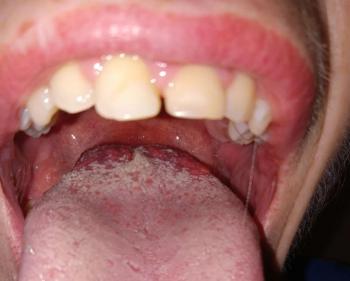
Patients with lower front gum inflammation may also experience tartar buildup, periodontal disease, gum abscesses, or tooth decay. Explore these related clinical case studies.



Other topics:
Other Dental Clinic