Modern Dentistry, Timeless Smiles.

The Velocity of Vitality: How Moving Fast (Not Just Often) Builds a SuperAger Brain

For decades, the prescription for an ageless mind seemed simple: do the crossword, learn a language, play Sudoku. We've been sold the idea that cognitive vitality is a sedentary sport, won from the comfort of an armchair. But a revolutionary study from the Queen Sofia Foundation Alzheimer Centre in Spain has shattered that notion. By studying "SuperAgers"—extraordinary individuals over 80 with the memory and sharpness of people 30 years younger—scientists discovered the true secret isn't in a puzzle book. It's in your pace.
The research revealed that while typical aging involves a loss of precious gray matter in critical memory centers, SuperAgers retain it. Their brains look decades younger. When scientists sifted through the data to find the lifestyle factor that predicted this remarkable preservation, the answer was strikingly physical: movement speed.
Rethinking "Exercise": It's About Velocity, Not Just Volume
This isn't merely a call to log more gym hours. The SuperAgers' advantage wasn't defined by structured workouts alone, but by the velocity woven into their daily lives.
-
Gait Speed: They walked with purpose. Their natural, comfortable walking pace was significantly faster than their peers.
-
Fine Motor Agility: Tasks like rapid finger tapping showed superior speed and coordination, indicating a highly responsive neural-muscular connection.
-
Incidental, High-Demand Movement: They consistently chose the more physically demanding option: taking the stairs, engaging in vigorous gardening, or opting to walk instead of drive for short trips.
This "speed-centric" movement creates a unique, whole-system challenge that passive brain games cannot match. Moving quickly requires instantaneous integration:
-
Your brain must process the environment and make split-second decisions.
-
Your neural pathways must fire rapidly to send signals.
-
Your muscles, joints, and balance systems must coordinate with precision.
This constant, high-speed dialogue between mind and body appears to be the ultimate maintenance program for gray matter. It doesn't just maintain the brain's hardware; it keeps the communication software lightning-fast.
The Second Pillar: Mental Velocity
The study identified a second, equally critical trait in SuperAgers: remarkable mental resilience. They exhibited significantly lower levels of anxiety and depression.
This is no coincidence. Mental and physical speed are deeply connected. Chronic anxiety and depression often manifest as psychomotor retardation—a tangible slowing of thought and movement. Conversely, the act of moving briskly can break cycles of rumination, release endorphins, and foster a forward-facing mindset. SuperAgers don't just move fast; they process emotional setbacks and keep moving forward. Their psychological flexibility is the companion to their physical agility.
The SuperAger Protocol: Your Action Plan
Forget the idea that you need to become a marathon runner. Building a SuperAger brain is about integrating velocity into your existing life.
1. Recalibrate Your Daily Pace:
-
The Walk Test: Next time you walk, consciously increase your speed by 10-20%. Aim for a pace where talking is possible but singing would be difficult.
-
The Stair Mandate: Make "always take the stairs" a non-negotiable rule for anything under four flights.
-
The Errand Sprint: Turn short trips into power walks. Set a timer and challenge yourself to get to the local store and back faster than usual.
2. Incorporate "Speed Play" into Your Routine:
-
Add Intervals: On your next walk or jog, intersperse 30-60 seconds of brisk, high-intensity movement every 3-5 minutes.
-
Practice Agility: Simple drills like alternating high knees, fast feet (running in place with quick, small steps), or lateral shuffles in your living room challenge coordination and speed.
-
Choose Dynamic Hobbies: Take up gardening that involves digging and hauling, active dancing, or table tennis—anything that requires quick, reactive movements.
3. Cultivate Mental Momentum:
-
Practice Decisiveness: In low-stakes situations, make small decisions quickly. Order the coffee, choose the movie, pick the route without over-deliberation.
-
Break the Rumination Cycle: When you catch yourself in a worry loop, physically get up and change your environment with a brisk 5-minute walk.
-
Embrace Novelty: Regularly try a new activity that requires learning physical skills, like a dance class or pickleball. Novelty forces your brain to adapt quickly.
The message is liberatingly clear: the path to a younger brain is not paved with crossword answers. It's paved with purposeful, fast-moving steps. The very act of speeding up your body sends a powerful signal to your brain: "It's not time to slow down yet." By marrying physical velocity with mental resilience, you're not just adding years to your life; you're adding vibrant, capable life to your years.
So, lace up your shoes. Take the stairs. Walk like you're late for a meeting with your younger self. Your 80-year-old brain will thank you for the hurry.
Related Clinical Cases
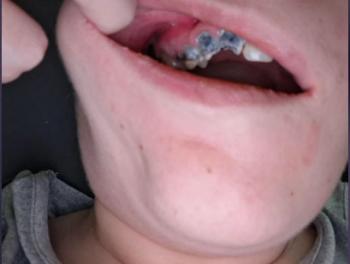
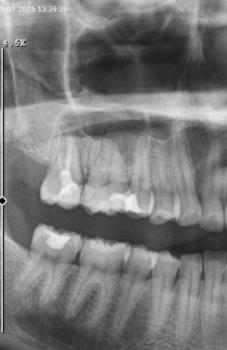
Patients with lower front gum inflammation may also experience tartar buildup, periodontal disease, gum abscesses, or tooth decay. Explore these related clinical case studies.






Other topics:
Other Dental Clinic