We Bring Back the Sparkle in Your Smile.

Central Tongue Redness and Fissures: Dental Expert Guide to Causes, Treatment, and Healing
Image:
Severity:
Teeth Problems:
Understanding a Red, Cracked Line in the Middle of the Tongue
A red area running along the center of the tongue, especially when accompanied by a deep groove or fissure, can have several explanations. Some cases are harmless variations in tongue anatomy, while others involve inflammation, irritation, fungal infection, or an underlying nutritional problem.
From a dental perspective, the most important step is to evaluate the appearance of the tongue together with the patient's symptoms, medical history, medications, and oral hygiene habits. A central fissure does not automatically mean that an infection is present.
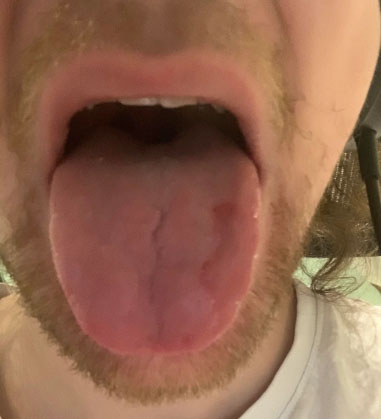
In the case discussed in our central tongue redness and fissure case analysis, the observed features include a prominent longitudinal groove and reddish tissue along the midline. These findings can guide the differential diagnosis, but an in-person examination is necessary to establish the cause.
What Can Cause Central Tongue Redness and a Deep Fissure?
1. Fissured Tongue With Local Irritation
A fissured tongue has grooves or cracks across its upper surface. These grooves may be present for many years and are often harmless.
Food particles and debris can collect in deeper grooves, sometimes contributing to irritation, unpleasant breath, or discomfort. When the surrounding tissue becomes inflamed, the central area may appear redder than the surrounding tongue.
Dental management: Gentle daily tongue cleaning, adequate hydration, and removal of local irritants can help. Avoid scraping deeply into the fissure, as excessive friction may worsen irritation.
2. Median Rhomboid Glossitis
Median rhomboid glossitis typically appears as a well-defined, smooth, red or pink patch in the middle of the posterior dorsal tongue, usually just in front of the circumvallate papillae.
It is often associated with Candida, a fungus that can live naturally in the mouth. However, the presence of a red central patch alone does not prove that Candida is responsible.
Possible contributing factors include smoking, diabetes, dry mouth, immunosuppression, and the use of inhaled corticosteroids.
Dental management: A dentist or physician should examine the lesion and determine whether fungal infection is likely. Antifungal treatment may be appropriate when clinically indicated. A deep central groove by itself is not sufficient evidence to prescribe an antifungal medication.
3. Nutritional Deficiencies and Atrophic Glossitis
Iron deficiency and vitamin B12 deficiency can cause the tongue to become unusually smooth, red, sore, or burning. Other nutritional deficiencies may also affect the tongue.
Associated symptoms can include fatigue, weakness, pale skin, or changes in sensation, although these symptoms are not specific to nutritional deficiency.
Dental management: If the examination or medical history suggests a deficiency, a healthcare professional may recommend blood tests, such as a complete blood count, ferritin, iron studies, or vitamin B12 testing. Treatment should address the confirmed deficiency rather than relying on supplements without an assessment.
4. Geographic Tongue
Geographic tongue produces irregular, smooth, red patches that may have pale or whitish borders. These patches can change shape or location over time.
Some patients experience sensitivity to spicy, acidic, or hot foods. Fissures may occur alongside geographic tongue.
Dental management: Geographic tongue is generally benign and often needs no treatment. Symptom relief may involve avoiding foods that trigger discomfort and using gentle oral hygiene measures.
5. Trauma, Dry Mouth, and Chemical Irritation
A sharp tooth, rough dental restoration, accidental tongue biting, tobacco, alcohol, or irritating oral-care products can contribute to soreness and redness.
Dry mouth can also make the tongue more susceptible to discomfort and irritation. Certain medications may reduce saliva production.
Dental management: Identify and address the suspected irritant. A dentist can check for sharp tooth edges or defective restorations, while a physician or pharmacist can review medications that may be contributing to dry mouth.
How a Dentist Evaluates a Red Central Tongue Lesion
A proper assessment considers more than the color of the tongue.
The clinician may evaluate:
-
Location and shape: Whether the lesion is in the posterior midline, along the sides, or spread across the tongue.
-
Surface characteristics: Whether the area is smooth, fissured, ulcerated, raised, or covered by removable material.
-
Symptoms: Pain, burning, altered taste, bleeding, difficulty eating, or swallowing problems.
-
Duration and progression: Whether the lesion is new, recurrent, changing, or persistent.
-
Risk factors: Smoking, alcohol use, diabetes, dry mouth, recent antibiotics, inhaled steroids, and nutritional concerns.
Depending on the findings, further investigations may include blood tests, an oral fungal assessment, or a biopsy or specialist referral for a persistent or suspicious lesion.
A red patch that cannot be explained by a simple, temporary cause should not be assumed to be benign. Persistent red or red-and-white patches, particularly those that are irregular, ulcerated, firm, or bleeding, require prompt professional assessment.
Safe Home Care for a Red or Fissured Tongue
While waiting for an appointment, the following measures may help reduce irritation:
-
Clean gently. Use a soft toothbrush to clean the tongue without forcing bristles into deep grooves.
-
Drink enough water. Maintaining hydration may help when dry mouth contributes to discomfort.
-
Avoid irritants. Temporarily avoid tobacco, alcohol-containing mouthwash, and foods that trigger burning, especially very spicy or acidic foods.
-
Choose a gentle oral-care routine. Consider a mild toothpaste if your usual product seems to cause irritation.
-
Do not self-medicate with antifungals or antibiotics. The correct treatment depends on the diagnosis, and unnecessary medication can cause side effects or delay appropriate care.
-
Monitor changes. Note when the redness began, whether it is changing, and whether pain, swelling, bleeding, or other symptoms develop.
A gentle warm salt-water rinse may provide temporary comfort. It does not cure fungal infection, nutritional deficiency, or other underlying conditions.
How Long Does a Red, Fissured Tongue Take to Heal?
Healing time depends on the cause rather than the depth of the fissure alone.
-
Temporary irritation: May improve over several days after the irritant is removed.
-
Fissured tongue: The grooves may remain indefinitely because they are often a normal anatomical variation.
-
Geographic tongue: Red patches may change or recur over weeks or longer.
-
Confirmed oral candidiasis: Symptoms often improve with appropriate treatment, but the expected course depends on severity and the prescribed regimen.
-
Nutritional deficiency: Improvement depends on correcting the deficiency and addressing its cause.
-
Persistent unexplained lesions: Require clinical evaluation rather than waiting for a presumed healing timeline.
If the redness is not improving within approximately two weeks, or if it persists, recurs frequently, or becomes more pronounced, arrange an oral examination. Do not wait two weeks if the lesion is worsening or has concerning features.
When Is Central Tongue Redness an Emergency?
Seek emergency medical care immediately if tongue or floor-of-mouth swelling develops with difficulty breathing, difficulty swallowing saliva, drooling, or rapidly progressive swelling. These can indicate a serious condition affecting the airway.
Arrange prompt dental or medical evaluation for unexplained bleeding, a firm or growing lesion, persistent ulceration, a red or red-and-white patch that does not resolve, or a lump in the neck.
Frequently Asked Questions About Central Tongue Redness and Fissures
1. Is a red line in the middle of the tongue dangerous?
Not necessarily. It may represent a normal fissure with local irritation, but a red central area can also occur with glossitis, median rhomboid glossitis, or other conditions. The appearance, duration, and associated symptoms help determine whether further evaluation is needed.
2. Does a deep tongue fissure mean I have a fungal infection?
No. Fissured tongue is often benign and can occur without infection. Candida may be associated with median rhomboid glossitis, but a fissure alone does not establish a fungal diagnosis.
3. Can vitamin B12 or iron deficiency cause a red tongue?
Yes. Iron and vitamin B12 deficiencies can cause changes in the tongue, including smoothness, redness, soreness, or burning. Testing may be appropriate when symptoms and medical history suggest a deficiency.
4. Can I brush or scrape the red area?
Use a soft toothbrush and gentle pressure. Avoid aggressive scraping, sharp instruments, or attempts to remove tissue. Stop any cleaning method that causes pain or bleeding.
5. Should I use an antifungal mouth gel?
Only when a healthcare professional determines that antifungal treatment is appropriate. Not every red tongue lesion is caused by Candida, and treatment depends on the specific diagnosis, medication, and individual health circumstances.
6. Can smoking or alcohol cause tongue redness?
Yes. Tobacco and alcohol can irritate oral tissues, and smoking is associated with several oral health risks. Avoiding these exposures is beneficial, but persistent lesions still need examination.
7. Can stress cause a fissured or red tongue?
Stress may influence oral habits, dry mouth, or the perception of burning and discomfort. However, it should not be assumed to be the cause of a visible red lesion without evaluating other possible explanations.
8. Does a fissured tongue need surgery?
Usually not. Fissured tongue generally requires no surgical treatment. Management focuses on gentle cleaning and addressing irritation or associated conditions.
9. When should I see a dentist for a red tongue?
Arrange an examination if the redness is unexplained, persistent, painful, recurrent, or worsening. Seek prompt assessment for bleeding, ulceration, a firm area, or a growing lesion. Breathing or swallowing difficulties require emergency care.
10. Can a photograph confirm median rhomboid glossitis?
No. A photograph can help describe the lesion and suggest possible diagnoses, but it cannot reliably establish the cause. An in-person examination and, when appropriate, additional tests are needed.
Clinical Takeaway
Central tongue redness with a fissure is a clinical finding, not a diagnosis by itself. A careful dental examination can help distinguish a harmless fissured tongue from inflammation, possible Candida-associated disease, nutritional deficiency, trauma, or a persistent lesion requiring further investigation.
The safest approach is to maintain gentle oral hygiene, remove potential irritants, avoid unprescribed medication, and seek professional assessment when the lesion persists or has concerning features.
Medical disclaimer: This educational case discussion is not a substitute for an individual dental or medical examination. Treatment should be based on clinical findings and the patient's medical history.
Teeth Case – Full Analysis and Provisional Diagnosis (Zoom 100%)
This assessment is based on a photographic image only. A definitive diagnosis requires an in-person oral examination and, if needed, laboratory tests. Persistent tongue changes should be evaluated by a licensed dental or medical professional.
1. Visual Findings (Deep Examination)
-
Tongue (dorsal surface):
-
Prominent central longitudinal fissure.
-
Diffuse reddish/pink erythema along the midline with a smoother surface compared to surrounding tissue.
-
No obvious thick white plaques visible in this image.
-
-
Surrounding tissues:
-
Lips and adjacent oral tissues appear intact without marked swelling.
-
-
Functional signs:
-
Appearance suggests irritation rather than acute trauma.
-
2. Most Likely Diagnosis (Provisional)
-
Median rhomboid glossitis (often associated with Candida overgrowth)
-
Central tongue fissuring with inflammatory changes
-
Possible oral candidiasis variant without classic white plaques
3. Differential Diagnosis (If Course Is Atypical)
-
Fissured tongue with secondary inflammation
-
Nutritional deficiency–related glossitis (iron, B vitamins)
-
Chronic irritation from smoking, alcohol, or dry mouth
-
Geographic tongue (less likely given midline pattern)
4. Recommended Treatment Process
Phase 1: Assessment and Control (Days 1–3)
-
Clinical oral examination.
-
Review of risk factors: smoking, inhaled steroids, recent antibiotics, diabetes, dry mouth.
-
Initiate antifungal therapy if candidiasis is confirmed (topical agents commonly first-line).
-
Improve oral hygiene of tongue surface (gentle tongue cleaning).
Phase 2: Healing Support (Days 4–7)
-
Continue prescribed antifungal regimen as directed.
-
Avoid alcohol, smoking, and spicy or acidic foods.
-
Maintain hydration; consider saliva substitutes if dry mouth is present.
Phase 3: Re-evaluation (Days 8–14)
-
Expect reduction in redness and discomfort.
-
If no improvement, reassess diagnosis and consider laboratory confirmation or referral.
Expected healing time:
-
Symptomatic improvement typically within 7–14 days once appropriate treatment begins.
5. If Healing Takes 14 Days – What May Scale Up
-
Persistent inflammation and discomfort
-
Recurrent fungal overgrowth
-
Burning mouth symptoms
-
Secondary infection due to fissures
-
Need for further investigation to exclude systemic causes
6. Home Care Recommendations (Interim)
-
Gently clean the tongue once daily; avoid aggressive scraping.
-
Rinse with plain water after meals.
-
Avoid tobacco and alcohol.
-
Maintain balanced nutrition.
7. Professional Commentary
Midline tongue redness with fissuring is commonly benign and treatable. When associated with fungal overgrowth, outcomes are good with timely antifungal care. Any lesion persisting beyond two weeks or worsening despite treatment requires professional reassessment.
Visit Nearest Dental Clinic
Locate a clinic for proper diagnosis and management:
https://cebudentalimplants.com/map-dental-clinic
Related Clinical Cases
Patients with lower front gum inflammation may also experience tartar buildup, periodontal disease, gum abscesses, or tooth decay. Explore these related clinical case studies.