Modern Dentistry, Timeless Smiles.

The Gentle Detectives: How New Digital Tools are Transforming Childhood Caries Prevention
Language :

Topics:
The Gentle Detectives: How New Digital Tools are Transforming Childhood Caries Prevention
Tooth decay remains the single most common chronic disease affecting children worldwide. For generations, the dental check-up for a child has followed a familiar, and often intimidating, script: the metal explorer, the bright light, the anxious wait for the dreaded "cavity" pronouncement. However, a quiet revolution in dental technology is rewriting this narrative, shifting the paradigm from reactive drilling to proactive, painless, and highly precise prevention. Emerging digital tools are not just finding cavities faster; they are helping dentists see the earliest signs of trouble long before a drill is ever needed, fundamentally changing what it means to care for a child's smile.
This transformation is critical. Cavities have a permanent effect on tooth structure, and early detection is paramount to preserving a child's long-term oral health. While traditional visual and tactile exams will always be part of a dentist's toolkit, new devices offer a level of insight that was previously impossible.
The Problem with Traditional Detection
For years, the primary methods for finding cavities were visual inspection, tactile probing with a dental explorer, and X-rays. While useful, these methods have significant limitations
.
-
They are reactive, not proactive: They often only detect decay that has already progressed to a visible hole or a significant subsurface lesion
-
They can be uncomfortable: The physical "poke and probe" can be unpleasant, especially for young children with sensitive teeth
-
They miss early stages: Decay frequently begins invisibly in the deep grooves of teeth or between them, where explorers and X-rays cannot reach
- . A dentist may even need to open a tooth to confirm a suspected cavity
The New Generation of Diagnostic Tools
The latest technologies move beyond the surface, using light, lasers, and 3D imaging to detect problems at their molecular or microscopic beginnings. Here’s a breakdown of three key innovations:
1. Laser Fluorescence Detection (DIAGNOdent)
This handheld device uses a safe, low-intensity laser to scan tooth surfaces. It works by measuring the "fluorescence" or light reflection of tooth structure. Healthy enamel reflects one wavelength, while areas demineralized by early decay reflect another-
How it helps: It can pinpoint the exact location and size of demineralization with over 90% accuracy, often long before it's visible
. This allows for micro-interventions like targeted fluoride treatments or sealants, potentially avoiding a filling altogether
-
-
Patient Benefit: The process is completely non-invasive, painless, and requires no radiation
2. Near-Infrared Transillumination (CariVu)
Think of this as a "light flashlight" for the tooth. The CariVu device uses near-infrared light, which passes through healthy enamel but is blocked by decay
-
How it helps: When the light is directed at a tooth, areas of decay or cracks appear as dark shadows on a screen, providing a clear map of the problem
. It excels at finding hidden decay between teeth and under existing fillings
-
Patient Benefit: Like laser detection, it is a painless, radiation-free alternative to X-rays, making it ideal for pregnant women and children
3. Advanced 3D Intraoral Scanners
These are the most versatile tools in the new digital arsenal. While famously used for taking precise digital impressions for crowns and aligners, their diagnostic capabilities are expanding rapidly. The latest generation of scanners, such as the iTero Element 5D Series, combine high-resolution 3D surface scanning with Near-Infrared Imaging (NIRI) technology.
-
How it helps: They create a detailed digital twin of a child's entire mouth. This model can be used to monitor minute changes over time. More advanced systems can use special light wavelengths to visualize early mineral changes in enamel and even help assess plaque levels objectively
-
Patient Benefit: The scan is fast, comfortable (no gag-inducing impression material), and provides a powerful visual aid. Dentists can show parents and children a 3D model of the teeth, clearly explaining areas of concern and the benefits of preventive car.
Trusted Devices and Brands for Modern Practices
For dental professionals looking to integrate these technologies, here are some of the leading and most trusted brands on the market:
| Technology Type | Leading Brands & Key Models | Primary Use Case |
|---|---|---|
| Laser Fluorescence Detection | DIAGNOdent (by KaVo) | Precise, early cavity detection on chewing surfaces and smooth surfaces |
| . | ||
| Near-Infrared Transillumination | CariVu (by DEXIS/Carestream) | Visualizing hidden decay, particularly between teeth and under restorations |
| . | |
| 3D Intraoral Scanners (with advanced diagnostic features) | iTero Element 5D/Plus Series (by Align Technology) |
3Shape TRIOS 5
Carestream CS 3800
Sirona PrimescanComprehensive digital impressions, restorative planning, plus early caries detection with adjunctive imaging modes (e.g., NIRI on iTero)
| . | |
| General 3D Intraoral Scanners | Medit i700 |
Planmeca Emerald S
| High-accuracy digital impressions for a wide range of restorative and orthodontic applications. |
Analysis and Impact: More Than Just a Faster Diagnosis
The true power of these tools lies not in speed alone, but in the profound shift they enable in dental care, especially for pediatric and community health settings.
-
The Shift to "Preventive Precision": Dentistry is moving from a model of "watch and wait" to "see and seal." By identifying demineralization zones early, dentists can apply ultra-targeted preventive measures, preserving the maximum amount of healthy tooth structure
-
Building Trust and Reducing Anxiety: A painless scan or laser check is a vastly different experience for a child than a metal probe. These gentle tools help build positive dental associations, reducing fear and improving lifelong compliance with oral care.
-
Objective Data for Better Decisions: Digital tools provide visual, objective evidence. This improves diagnostic consistency between clinicians and serves as an unparalleled educational tool for parents, helping them understand the "why" behind treatment recommendations
-
The Future is Integrated: The trend is toward multi-functional devices. The intraoral scanner that captures a 3D model for an orthodontic appliance today may, with a software update, also perform advanced caries screening tomorrow. This makes the technology a scalable, long-term investment for a forward-thinking practice.
Conclusion
The advent of digital detection tools like laser scanners, transillumination devices, and advanced intraoral scanners represents a new golden age of preventive dentistry. For children, this means a future where dental visits are less about fixing problems and more about ensuring problems never start. For dentists, it provides an unprecedented window into oral health, empowering them to be true architects of lifelong wellness. The goal is no longer just to find cavities faster, but to render the traditional cavity a rarity—a goal that is now firmly within our clinical reach.
I hope this analysis provides a comprehensive overview. If you would like a deeper dive into the cost-benefit analysis for a dental practice considering these technologies, or more detailed clinical studies on their efficacy, I would be happy to provide further information.
Looking for dentist : Visit directory list
Related Clinical Cases
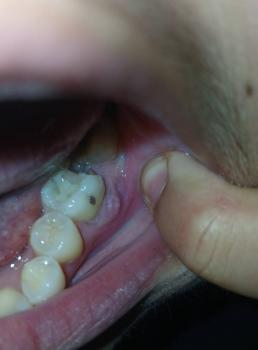
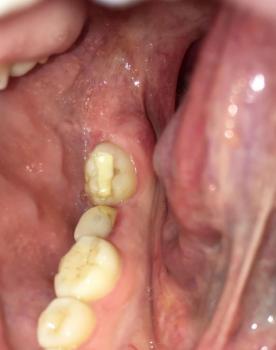
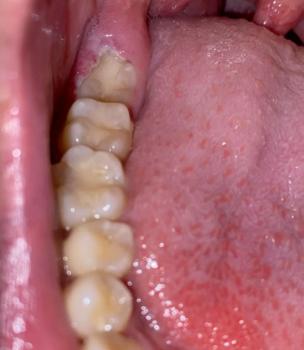
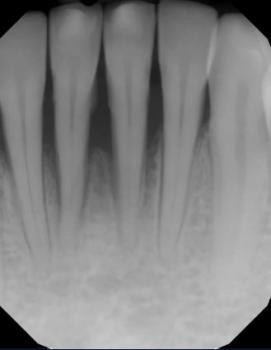
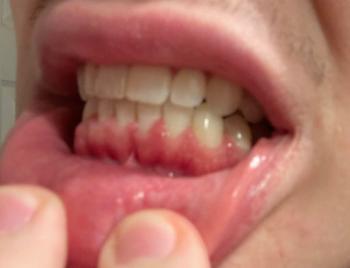
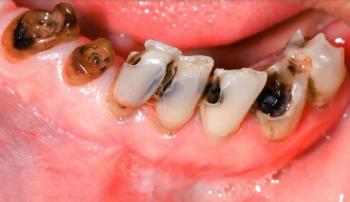
Patients with lower front gum inflammation may also experience tartar buildup, periodontal disease, gum abscesses, or tooth decay. Explore these related clinical case studies.