Your Smile, Perfected with Precision.

The Future of Access: Building a Profitable and Inclusive Dental Practice with Teledentistry
Language :
Topics:
Bridging Distances: How Teledentistry and Smart Payment Plans are Democratizing Dental Care in the Philippines
The archipelagic nature of the Philippines, with its thousands of islands and vast geographic spread, has long been a formidable barrier to consistent, quality dental care. For Filipinos in remote provinces and the millions of Overseas Filipino Workers (OFWs) supporting their families from afar, accessing a simple dental consultation often meant significant travel, lost time, and high costs. Today, a powerful combination of technology and innovative business models is dismantling these barriers, making expert dental advice more accessible and affordable than ever before.
The Teledentistry Revolution: Expert Care, Anytime, Anywhere
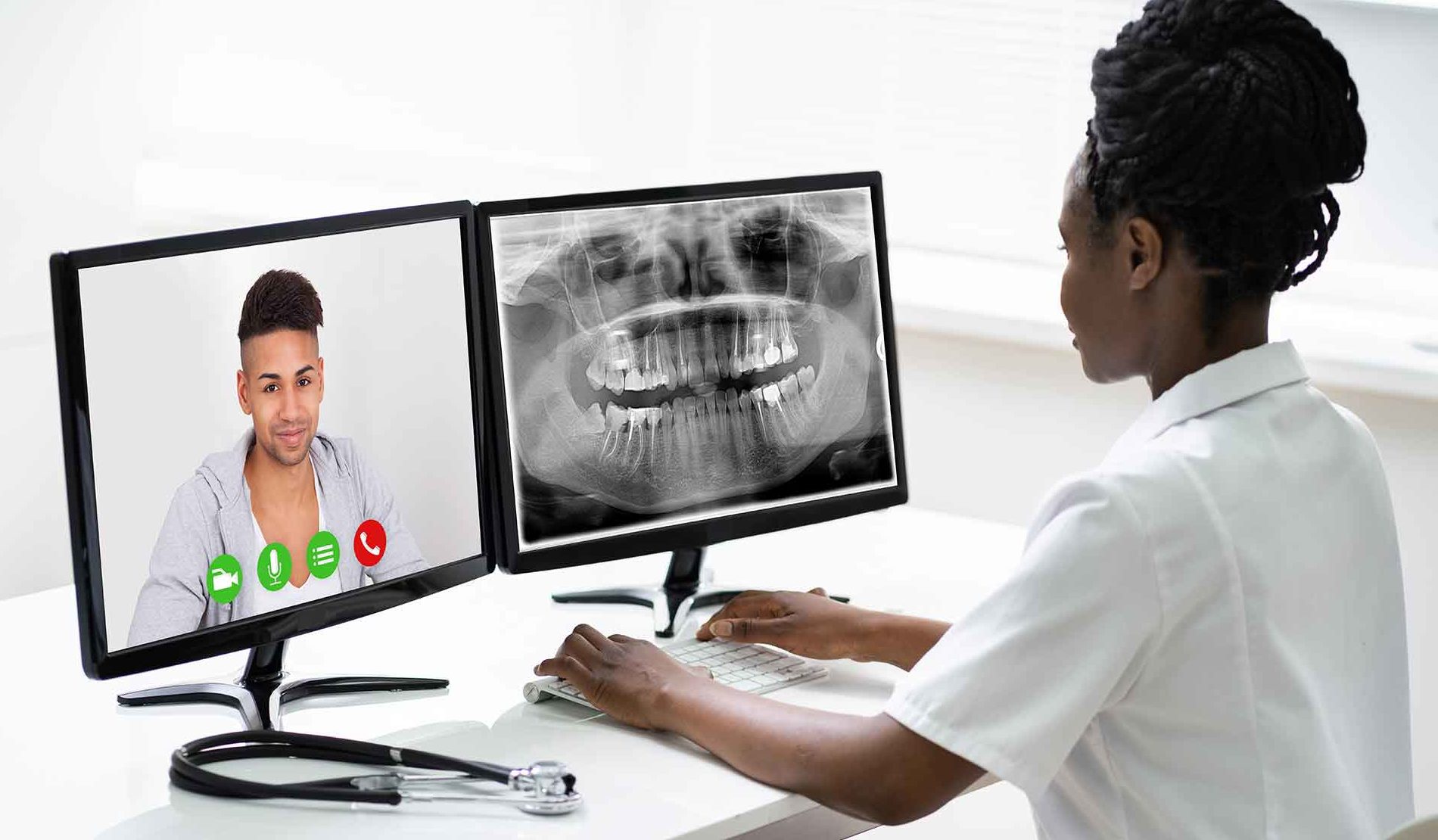
Teledentistry is no longer a futuristic concept; it's a practical, scalable solution addressing core Filipino needs. By leveraging secure video platforms, mobile apps, and digital imaging, patients can now have initial consultations, follow-ups, and preventive coaching without leaving their homes or host countries.
Key Applications Transforming Access:
-
For OFWs and Their Families: An OFW in the Middle East can have a virtual consultation for a toothache while simultaneously facilitating an online check-up for their child in the province. This ensures the entire family receives coordinated care guidance.
-
Triage and Referrals in Remote Areas: Community health workers in isolated islands can use smartphone attachments to capture images of a dental issue. A dentist in Manila or Cebu can provide a professional assessment, determine urgency, and create a clear referral plan, saving patients from unnecessary and costly trips for minor issues.
-
Continuous Preventive Care: Post-operative check-ins, orthodontic progress monitoring, and preventive education can all be conducted virtually, improving treatment outcomes and compliance.
The Economic Advantage: For dental practices, this isn't just a service—it's a scalable revenue stream. By offering consultations in USD or other foreign currencies to OFWs abroad, clinics can tap into a stable, dollar-earning market, insulating themselves from local economic fluctuations and funding further technological investments at home.
Demystifying Affordability: High-Tech Care Within Reach
The perception that advanced dentistry—like AI-guided diagnosis or dental implants—is prohibitively expensive is being challenged by transparency and smart financial models.
The Real Cost Comparison: Cebu vs. The United States
The value proposition of Philippine dental care, particularly in hubs like Cebu, is staggering when viewed on a global scale.
| Procedure Component | Average Cost in the United States (USD) | Average Cost in Cebu, Philippines (USD) | Potential Savings |
|---|---|---|---|
| Single Dental Implant | $3,000 - $6,000 | $1,000 - $2,500 | 50-70% |
| AI-Guided Diagnostic Scan | $200 - $500 (often bundled) | $50 - $150 | 60-70% |
| Full Mouth Rehabilitation | $30,000 - $90,000+ | $12,000 - $25,000 | 60-75% |
This table provides a general comparison. Specific costs vary by clinic, case complexity, and materials used.
The savings aren't from a compromise in quality. They stem from lower operational costs, favorable exchange rates, and the high concentration of skilled, internationally-trained dentists competing in a robust dental tourism market.
Making It Accessible: Beyond the Sticker Price
Progressive clinics are moving beyond simple pricing to offer true financial accessibility:
-
Transparent, All-Inclusive Quoting: Providing a single, detailed quote that covers the implant, abutment, crown, AI scan, and all follow-up visits, with no hidden fees.
-
Structured Payment Plans: Partnering with medical financiers to offer installment plans over 6 to 24 months, breaking down a significant investment into manageable monthly payments.
-
The Value of AI and Precision: Educating patients that an AI-guided implant plan isn't an extra cost—it's an investment in predictable outcomes, reduced surgery time, and long-term success. This technology minimizes risk, a value that far outweighs its cost.
A Practical Guide for Patients: Navigating the New Landscape
-
Choosing a Teledentistry Provider: Look for clinics that use HIPAA-compliant or GDPR-compliant secure platforms. Ensure they have a clear process for what happens after the consultation—be it an e-prescription, a referral letter, or a follow-up plan.
-
Preparing for a Virtual Consultation: Have a good internet connection, be ready to describe your dental history, and if possible, take clear photos of the area of concern using your smartphone flashlight.
-
Asking the Right Questions for High-Tech Care:
-
"Can you provide a detailed, all-inclusive cost breakdown?"
-
"Do you use AI or 3D imaging for treatment planning, and how does that improve my results?"
-
"What kind of payment plans or medical financing partnerships do you offer?"
-
The Future is Integrated
The most forward-thinking clinics are not offering teledentistry or affordable high-tech care—they are integrating them into a seamless patient journey. An OFW can have a virtual consultation, receive a transparent AI-generated treatment plan and quote for procedures their family needs in Cebu, and secure a payment plan—all before they even book a flight home.
This model doesn't just solve practical problems; it rebuilds trust and expands access. It proves that the future of Philippine dentistry is not just about world-class technology, but about deploying that technology with empathy, creativity, and a deep commitment to overcoming the unique barriers faced by Filipinos everywhere. By embracing these tools, the dental industry is not only scaling its services but also fulfilling a vital role in enhancing the nation's overall health and well-being.
Looking for dentist : Visit directory list
Related Clinical Cases
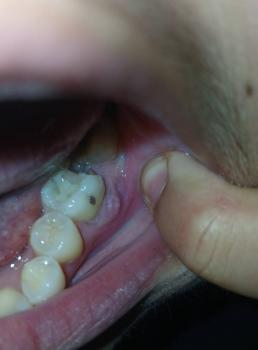
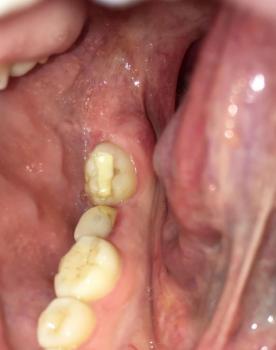
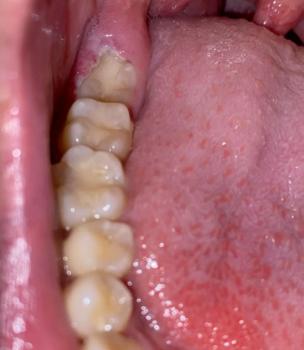
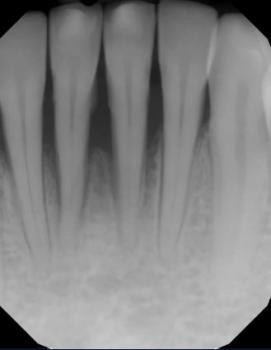
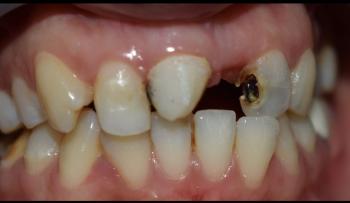
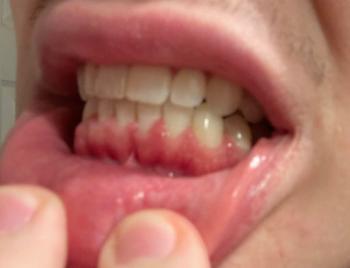
Patients with lower front gum inflammation may also experience tartar buildup, periodontal disease, gum abscesses, or tooth decay. Explore these related clinical case studies.