Building Confidence One Smile at a Time.

Child Front Teeth Decay Case Analysis and Treatment Timeline
Image:
Severity:
Teeth Problems:
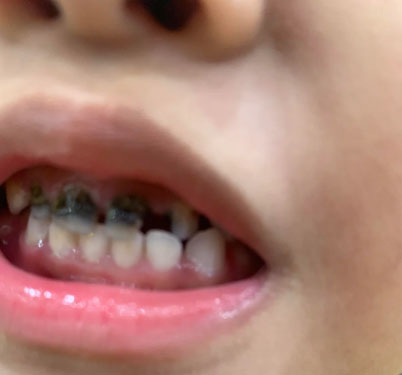
Teeth Case – Full Analysis and Provisional Diagnosis (Zoom 100%)
This evaluation is based only on the provided image. A definitive diagnosis requires a clinical dental examination, appropriate radiographs, and professional assessment by a licensed dentist, particularly for pediatric patients.
1. Visual Findings (Deep Image Review)
-
Upper and lower anterior teeth (front teeth):
-
Visible dark discoloration and plaque accumulation along the gumline.
-
Signs consistent with early childhood caries (ECC), commonly affecting front teeth first.
-
-
Enamel condition:
-
Areas of enamel demineralization (chalky or dull appearance).
-
Possible early cavitation on at least one anterior tooth.
-
-
Gingival tissues:
-
Mild inflammation suggesting plaque-induced gingivitis.
-
-
Dentition stage:
-
Appears to be primary or mixed dentition, which is more vulnerable to rapid decay.
-
2. Most Likely Diagnosis
-
Early childhood caries (anterior teeth)
-
Enamel demineralization
-
Plaque-induced gingivitis
-
High caries-risk pediatric profile
3. Issues That May Scale Up if Untreated
If not treated within 14–30 days, the following progression is likely:
-
Expansion of decay from enamel into dentin
-
Tooth sensitivity progressing to pain
-
Pulp infection of front teeth
-
Dental abscess or gum swelling
-
Premature loss of primary front teeth
-
Speech development issues
-
Aesthetic and confidence concerns in children
4. Recommended Clinical Treatment Process
Phase 1: Assessment (Days 1–3)
-
Full oral examination
-
Bitewing or periapical radiographs (if child cooperation allows)
-
Caries risk assessment
-
Professional dental cleaning
Phase 2: Active Treatment (Days 4–7)
-
Removal of plaque and decayed tooth structure
-
Restoration options:
-
Tooth-colored composite fillings
-
Fluoride-based interim restorations for very young patients
-
-
Fluoride varnish application
Phase 3: Review and Prevention (Days 8–14)
-
Re-evaluation of treated teeth
-
Additional fluoride application if required
-
Oral hygiene and diet counseling for caregiver
Estimated healing time:
-
Gum tissue recovery: 3–5 days
-
Tooth comfort and stabilization: up to 14 days
5. If Treatment Takes Up to 14 Days
Closely monitor for:
-
Pain when biting or brushing
-
Sensitivity to sweet foods or drinks
-
Swelling of gums near front teeth
-
Persistent bad breath
If symptoms worsen, immediate dental care is required.
6. Home Care While Awaiting Treatment
-
Brush twice daily with fluoride toothpaste (pea-sized amount)
-
Avoid bottle-feeding or sugary drinks at night
-
Rinse mouth with water after meals
-
Limit sweets, juices, and sticky snacks
7. Professional Commentary
Anterior tooth decay in children often progresses rapidly but is highly manageable when treated early. Prompt intervention prevents infection, preserves tooth structure, and supports proper speech and oral development.
Visit Nearest Dental Clinic
Locate a verified dental clinic near you using our directory:
https://cebudentalimplants.com/map-dental-clinic
Frequently Asked Questions (FAQ): Understanding & Managing Early Childhood Front Teeth Decay
Expert Case Analysis by a Board-Certified Pediatric Dentist (USA)
1. Why do cavities usually appear on the upper front baby teeth first?
Expert Answer:
In my years of treating young children across the United States, the upper front baby teeth are by far the most common location where Early Childhood Caries (ECC) begins.
The reason is simple: when a child falls asleep with a bottle or frequently sips milk, formula, juice, or sweetened drinks, these liquids collect around the upper front teeth. During sleep, saliva production decreases significantly, reducing the mouth's natural ability to wash away sugars and neutralize acids.
Oral bacteria convert these sugars into acids that attack the enamel repeatedly. Since baby teeth have much thinner enamel than adult teeth, decay progresses much faster.
Children who frequently snack throughout the day or use sippy cups filled with sweet beverages also have a significantly higher risk of developing cavities in the front teeth.
2. What do the earliest signs of front tooth decay look like?
Expert Answer:
One of the biggest advantages parents have is recognizing decay before it becomes a cavity.
Early warning signs include:
- White chalky spots near the gumline
- Loss of the tooth's natural shine
- Yellow or light brown discoloration
- Rough or dull enamel
- Plaque buildup that remains after brushing
- Mild gum redness surrounding affected teeth
At this early stage, the damage may still be reversible through fluoride therapy, improved brushing habits, and dietary changes.
Unfortunately, many parents mistake white spots as "normal staining" and wait until a visible hole appears, at which point restorative treatment becomes necessary.
3. Can white spots on my child's teeth heal naturally?
Expert Answer:
Yes—but only if they are diagnosed early.
White spots represent the first stage of enamel demineralization. The enamel has begun losing minerals but has not yet collapsed into a cavity.
Professional treatment may include:
- Fluoride varnish applications
- Prescription fluoride products when appropriate
- Dietary counseling
- Improved daily brushing with fluoride toothpaste
- Reduction in sugary drinks and snacks
If the surface breaks down into a cavity, the tooth cannot rebuild itself and will require restorative treatment.
Early intervention often saves children from fillings or crowns.
4. Are baby teeth really important if permanent teeth will replace them?
Expert Answer:
Absolutely.
Primary teeth serve many essential functions that directly affect a child's future oral health.
Healthy baby teeth help:
- Guide permanent teeth into proper position
- Maintain space for adult teeth
- Support normal jaw development
- Allow efficient chewing and proper nutrition
- Assist speech and language development
- Build confidence during social interaction
- Prevent infections that may affect developing permanent teeth
Losing baby teeth too early often results in crowding, bite problems, and expensive orthodontic treatment later.
5. How quickly can decay spread in baby teeth?
Expert Answer:
Much faster than most parents expect.
Because primary enamel is approximately half as thick as permanent enamel, bacteria can penetrate into the dentin and eventually the dental pulp within a relatively short period.
The progression often follows this pattern:
- White spot lesions
- Small cavity formation
- Rapid enlargement of decay
- Nerve involvement
- Toothache
- Infection
- Dental abscess
- Facial swelling
Children may not complain until the infection has already reached the nerve.
This is why routine examinations are far more effective than waiting for pain.
6. Can untreated front tooth decay become dangerous?
Expert Answer:
Yes.
While many parents view cavities as minor problems, untreated infections can become serious medical concerns.
Advanced decay may lead to:
- Severe tooth pain
- Difficulty eating
- Poor sleep
- Gum abscess
- Facial swelling
- Fever
- Difficulty opening the mouth
- Spread of infection into surrounding tissues
In rare but serious cases, dental infections can spread into the facial spaces and bloodstream, requiring hospitalization and intravenous antibiotics.
Any child with facial swelling, fever, or difficulty swallowing should receive immediate dental or emergency medical evaluation.
7. Will my child always need fillings?
Expert Answer:
Not necessarily.
Treatment depends on how advanced the decay has become.
Possible treatment options include:
- Fluoride varnish for early white spot lesions
- Silver Diamine Fluoride (SDF) to slow active decay in selected cases
- Tooth-colored composite fillings
- Glass ionomer restorations
- Pediatric zirconia crowns
- Stainless steel crowns for extensive decay
- Pulp therapy (baby root canal)
- Tooth extraction when the tooth cannot be saved
Our goal is always to preserve healthy tooth structure whenever possible.
8. What happens during a pediatric dental examination?
Expert Answer:
A comprehensive examination includes much more than looking for cavities.
The dentist evaluates:
- Existing decay
- Gum health
- Bite development
- Tooth eruption pattern
- Plaque accumulation
- Oral hygiene habits
- Diet
- Fluoride exposure
- Overall cavity risk
Digital low-radiation X-rays may be recommended when clinically appropriate to detect cavities hidden between teeth or beneath the enamel.
Parents also receive individualized home-care recommendations based on the child's risk level.
9. How can I stop cavities from getting worse before the dental appointment?
Expert Answer:
Parents can significantly reduce ongoing damage by following several important steps.
Until your dental visit:
- Brush twice daily using fluoride toothpaste.
- Clean along the gumline carefully.
- Avoid bedtime bottles containing milk, juice, or sweetened drinks.
- Offer only water after nighttime brushing.
- Limit frequent snacking.
- Reduce sticky candies and sugary foods.
- Encourage drinking water after meals.
- Avoid sharing spoons or cleaning pacifiers with your mouth, which can transfer cavity-causing bacteria.
These measures cannot eliminate existing cavities but can slow their progression.
10. When should my child see a dentist immediately?
Expert Answer:
Schedule an urgent dental visit if your child develops:
- Tooth pain lasting more than 24 hours
- Facial swelling
- Gum swelling with pus
- Fever associated with dental pain
- Difficulty chewing
- Broken front teeth from trauma
- Persistent bleeding around the gums
- Dark discoloration that rapidly worsens
- Visible holes in the teeth
- Sensitivity that interferes with eating or sleeping
Early treatment usually results in simpler, less invasive care.
11. How can parents prevent Early Childhood Caries?
Expert Answer:
Most cases of Early Childhood Caries are preventable with consistent daily habits.
I recommend parents:
- Schedule the first dental visit by age one.
- Brush twice daily with fluoride toothpaste.
- Supervise brushing until at least age seven or eight.
- Avoid putting children to bed with bottles containing anything except water.
- Limit sugary beverages and snacks.
- Encourage drinking fluoridated water when available.
- Maintain regular dental examinations every six months or as recommended.
- Consider fluoride varnish applications for children at increased cavity risk.
Prevention is always safer, less expensive, and far more comfortable than treating advanced decay.
12. What is the long-term outlook if early front tooth decay is treated promptly?
Expert Answer:
The prognosis is excellent when treatment begins early.
Most children who receive timely diagnosis, proper restorative care, and preventive guidance go on to maintain healthy smiles throughout childhood. Preserving baby teeth supports normal speech, nutrition, jaw development, and the proper eruption of permanent teeth.
The greatest successes occur when dentists and parents work together. Regular checkups, good brushing habits, healthy nutrition, and early intervention can stop Early Childhood Caries before it leads to pain, infection, or more complex treatment. Early action today helps protect your child's lifelong oral health.
Related Articles
Every Child Deserves a Healthy Smile: Why Early Dental Care Shapes a Brighter Future
https://cebudentalimplants.com/content/smile-every-child-indias-race-build-future-confident-smiles
Discover how preventive pediatric dentistry is helping children build healthier futures through early cavity detection, fluoride protection, routine dental examinations, and parent education. Learn why protecting baby teeth today contributes to better nutrition, speech development, confidence, and lifelong oral health.
A Mother's Regret: How One Small Cavity Nearly Cost Her Son His Front Teeth
Follow the emotional true-to-life journey of a family who underestimated a tiny white spot on a child's front tooth. See how a minor cavity rapidly progressed into infection and understand why early intervention can prevent pain, emergency treatment, and premature tooth loss.
The Hidden Blueprint: How Neglecting Baby Teeth Shapes the Future of Filipino Smiles
Baby teeth do far more than help children chew. Explore how untreated decay influences jaw growth, permanent tooth eruption, speech development, facial symmetry, and orthodontic health. This article explains why protecting primary teeth is an investment in a child's lifelong smile.
Endodontic Treatment for Primary Teeth: When Can Baby Teeth Be Saved?
https://cebudentalimplants.com/endodontic-posts-primary-teeth
Not every severely decayed baby tooth needs extraction. Learn when pediatric pulp therapy, pulpotomy, pulpectomy, and restorative procedures can successfully preserve infected primary teeth, reducing discomfort while maintaining proper space for permanent teeth.
America's Pediatric Dental Crisis: How Poverty and Limited Access Are Affecting Children's Oral Health
Explore the growing challenges facing families in underserved communities, where limited access to preventive dental care often leads to advanced childhood cavities. Discover how public health initiatives, school dental programs, and early intervention can reduce preventable oral disease.
The Hidden Cost of a Forgotten Toothbrush: How Daily Habits Affect Children's Smiles
A few missed brushing sessions may seem harmless, but consistent neglect can lead to rapid enamel breakdown and serious childhood cavities. Learn how proper brushing techniques, fluoride toothpaste, healthy nutrition, and parental supervision dramatically reduce cavity risk.
Teen Tooth Erosion in the USA: Why Acidic Drinks Are Destroying Young Smiles
https://cebudentalimplants.com/teen-tooth-erosion-usa
Frequent consumption of soda, sports drinks, and energy beverages is increasing enamel erosion among teenagers. Discover the warning signs of acid damage, how erosion differs from cavities, and practical strategies to preserve healthy teeth throughout adolescence.
Video :
Related Clinical Cases
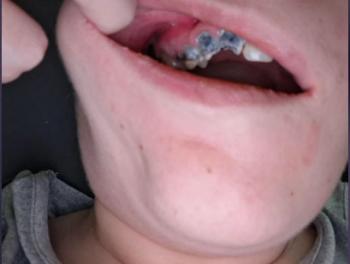
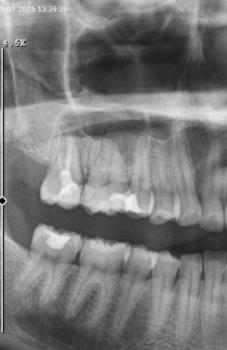
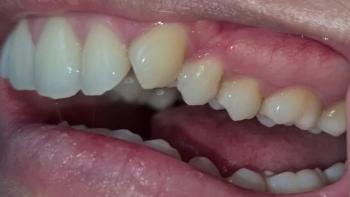
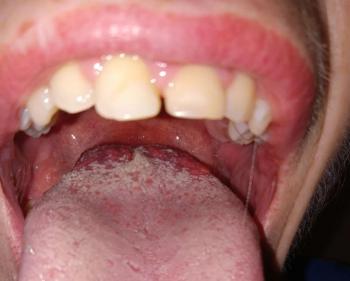
Patients with lower front gum inflammation may also experience tartar buildup, periodontal disease, gum abscesses, or tooth decay. Explore these related clinical case studies.



Other topics:
Other Dental Clinic