Because Every Tooth Deserves Care.

Advanced Tooth Decay and Bleeding Gums: Why Scaling Alone May Not Be Enough
Image:
Severity:
Teeth Problems:
Understanding the Connection Between Dental Cavities and Gum Inflammation
Advanced tooth decay and bleeding gums can occur at the same time, but they do not always have the same cause. Dental caries develops when acids produced by bacteria damage tooth enamel and dentin. Bleeding gums are commonly associated with plaque-induced gingivitis or periodontitis.
When a cavity develops near the gumline, damaged tooth structure may trap food and plaque, making cleaning more difficult. The surrounding gum tissue can become irritated and bleed. However, a dentist must examine the tooth and gums to determine whether decay, gum disease, an abscess, or another condition is responsible.
Why Professional Scaling Matters
Professional dental scaling removes hardened plaque deposits known as calculus or tartar. It can help control gum inflammation caused by plaque and calculus, especially when combined with effective home oral hygiene.
However, scaling does not repair a cavity or remove decay inside the tooth. Treatment depends on the extent of the damage:
-
Early decay: Fluoride treatment and preventive care may help selected non-cavitated lesions.
-
Established cavity: A filling or another restorative procedure may be required.
-
Deep decay affecting the pulp: Root canal treatment may be appropriate if the tooth can be saved.
-
Extensive structural damage: A crown may be needed after appropriate treatment.
-
Non-restorable tooth: Extraction may be necessary when the tooth cannot predictably be repaired.
-
Gum disease: Professional cleaning or scaling and root planing may be recommended depending on the severity.
A dentist may recommend treating the cavity and gum condition in a coordinated treatment plan. The order and timing depend on the findings, pain level, and whether an active infection is present.
Clinical Warning Signs That Should Not Be Ignored
Arrange a dental assessment promptly if you experience persistent gum bleeding, a visible cavity, pain when chewing, sensitivity to hot or cold foods, persistent bad breath, or swelling around a tooth.
Seek urgent dental care for severe or worsening tooth pain, pus, facial swelling, or fever associated with a suspected dental infection. Difficulty breathing or swallowing, or rapidly spreading swelling involving the face or neck, requires emergency medical care.
Do not assume that a tooth is healthy simply because it does not hurt. Tooth decay can progress before noticeable symptoms develop.
A Short Story: The Busy Lawyer Who Delayed Dental Care
This is a fictional educational story.
Atty. Miguel Santos was a busy lawyer in Cebu City. His schedule was filled with client consultations, court appearances, document reviews, and urgent legal deadlines. He often skipped lunch and drank sweetened coffee while preparing case files late into the evening.
One morning, he noticed blood on his toothbrush. He also felt a brief, sharp sensation in a back tooth whenever he drank cold water. Because the discomfort disappeared quickly, he decided to postpone his dental appointment until his workload became lighter.
Several weeks later, food repeatedly became trapped in the same tooth, and chewing became uncomfortable. Concerned that the problem might interfere with an important court appearance, Miguel finally scheduled a dental examination.
The dentist found a deep cavity in the affected molar and inflamed gum tissue nearby. An examination and appropriate imaging were needed to determine how deeply the decay had progressed and whether the tooth's pulp was involved.
Miguel learned that professional scaling could help address plaque and tartar around his gums, but the cavity required separate treatment. His dentist developed a treatment plan based on the tooth's condition and explained how to brush with fluoride toothpaste, clean between his teeth, and reduce frequent exposure to sugary drinks.
Miguel began reserving time for dental appointments just as he did for important legal meetings. He realized that postponing treatment could create a bigger problem during an already demanding work schedule.
Lesson from the story: A busy professional does not need to wait for severe pain before seeking dental care. Early assessment can help identify the appropriate treatment before a dental problem becomes more complicated.
Frequently Asked Questions
1. Can advanced tooth decay cause bleeding gums?
Advanced decay can contribute to local irritation when food and plaque collect around a damaged tooth. However, bleeding is more commonly associated with inflamed gum tissue caused by plaque. A dental examination is needed to identify the actual cause.
2. Will dental scaling cure a cavity?
No. Scaling removes plaque and tartar from tooth surfaces and around the gumline. It does not restore missing enamel or dentin. A cavity may require a filling, a crown, root canal treatment, or extraction, depending on its extent.
3. Should I have scaling before treating my cavity?
Not always. The dentist determines the sequence based on the severity of gum inflammation, the depth of decay, and whether there is pain or infection. Some patients need urgent treatment of the affected tooth before routine cleaning, while others can have both problems managed in a coordinated plan.
4. How long do bleeding gums take to improve after scaling?
Mild gum irritation may improve over several days, while more significant inflammation can take longer. Healing depends on the extent of gum disease, oral hygiene, and other health factors. Persistent or worsening bleeding should be reassessed by a dentist rather than assumed to be normal.
5. Does bleeding during brushing mean I should stop brushing?
Usually, no. Use a soft-bristled toothbrush and gentle technique, and clean between your teeth daily. Avoid aggressive scrubbing. If bleeding persists, arrange a dental examination because untreated gum disease can worsen.
6. Can a deep cavity heal naturally?
A cavity that has already formed a hole in the tooth generally cannot regenerate the lost tooth structure on its own. Some early, non-cavitated lesions may be arrested or remineralized with appropriate preventive treatment, including fluoride. Established cavities usually require professional restorative care.
7. Can tooth decay cause a dental abscess?
Yes. If bacteria reach the pulp or surrounding tissues, an infection may develop and form an abscess. Warning signs include severe pain, swelling, pus, and sometimes fever. A suspected abscess needs prompt professional treatment; antibiotics alone do not eliminate the source of infection.
8. Are antibiotics necessary for bleeding gums and tooth decay?
Not routinely. Antibiotics are not a substitute for removing decay, treating an infected pulp, draining an abscess when indicated, or providing appropriate gum treatment. A dentist or physician decides whether antibiotics are appropriate based on the clinical findings and evidence of spreading or systemic infection.
9. Can I wait until my work schedule becomes less busy?
It is safer to arrange an assessment as soon as possible when a cavity is accompanied by bleeding gums, pain, or swelling. If you have facial swelling, fever with a suspected dental infection, or rapidly worsening symptoms, seek urgent care. Breathing or swallowing difficulty requires emergency medical attention.
10. How can busy professionals prevent tooth decay and gum disease?
Brush twice daily with fluoride toothpaste, clean between teeth every day, limit frequent sugary snacks and drinks, and attend dental check-ups at intervals recommended by your dentist. Keeping a recurring appointment in your calendar can help prevent work commitments from repeatedly delaying care.
Final Dental Guidance
Advanced tooth decay with bleeding gums should be evaluated as two potentially related problems: damage to the tooth and inflammation of the surrounding gum tissue. Professional scaling can improve gum health when plaque and tartar are contributing factors, but it cannot replace treatment for a deep cavity.
The most appropriate care plan depends on a clinical examination, gum assessment, and dental X-rays when indicated. Early evaluation may help preserve a restorable tooth and reduce the risk of more complex treatment later.
Medical disclaimer: This educational content does not establish a diagnosis for an individual patient or replace an in-person examination by a licensed dentist.
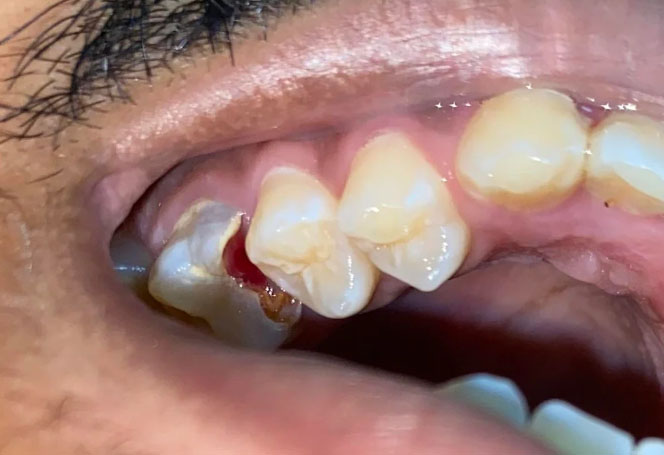
Teeth Case – Zoom 100%
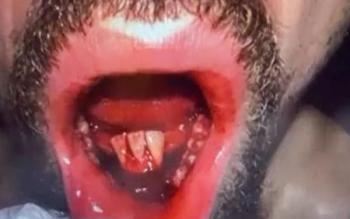
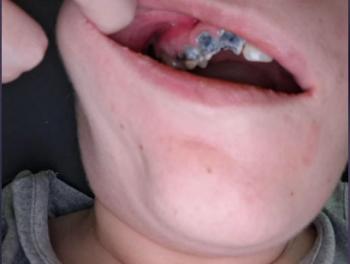
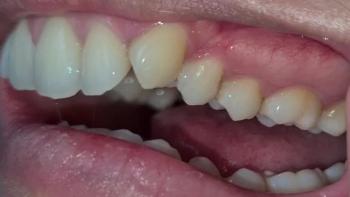
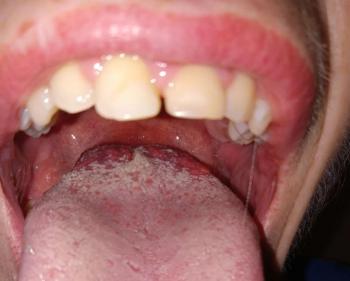
Focused Area: Posterior tooth with visible cavity and adjacent bleeding gum tissue
Full Analysis and Deep Examination
This analysis is based on the provided image only and does not replace a full clinical examination, dental probing, or radiographic assessment.
Observed Findings
-
Large cavitated lesion on the posterior tooth, with visible loss of enamel and dentin
-
Active gum bleeding adjacent to the decayed tooth
-
Inflamed gingival tissue, likely aggravated by bacterial leakage from the cavity
-
Brownish discoloration inside the tooth structure indicating advanced dental caries
-
Irregular tooth surface that promotes further plaque and food retention
Probable Diagnosis
-
Advanced dental caries (deep cavity)
-
Plaque-induced gingivitis localized to the affected tooth
-
Possible pulp involvement cannot be ruled out without X-ray
-
Risk of localized dental infection
Recommended Treatment Process
Step 1: Immediate Full Mouth Scaling (Day 1)
-
Ultrasonic scaling to remove plaque and calculus
-
Manual scaling around the affected tooth and gumline
-
Polishing to reduce bacterial re-adhesion
Estimated duration: 45–60 minutes
Local anesthesia: May be required due to gum sensitivity
Step 2: Definitive Tooth Treatment (Day 1–7)
Depending on cavity depth:
-
Dental filling if decay has not reached the pulp
-
Root canal treatment if pulp exposure or infection is confirmed
-
Crown restoration if structural loss is significant
-
Extraction only if the tooth is non-restorable
Healing and Recovery Timeline
| Time Frame | Expected Outcome |
|---|---|
| Days 1–3 | Gum bleeding reduces after scaling |
| Days 4–7 | Inflammation decreases, pain stabilizes |
| Days 8–14 | Gum tissue heals if infection is controlled |
A 14-day healing period is realistic for gum tissue, provided the cavity is properly treated.
What Will Scale Up If Left Untreated
-
Progression to pulp infection or abscess
-
Severe tooth pain and swelling
-
Spread of infection to surrounding bone
-
Increased gum destruction and bone loss
-
Eventual tooth loss
-
Higher treatment cost and more invasive procedures
Post-Treatment Care Instructions
-
Brush twice daily with fluoride toothpaste
-
Use dental floss or interdental brushes daily
-
Avoid chewing on the affected side until treated
-
Reduce sugar intake and acidic beverages
-
Follow all dentist-prescribed medications if given
Professional Comment
This case represents a high-risk dental condition. Scaling alone is not sufficient. The decayed tooth must be definitively treated to stop bacterial spread and prevent serious infection.
Visit a Dental Clinic Near You
For urgent dental care, cavity treatment, and professional scaling, locate a nearby clinic using our directory:
Related Clinical Cases
Patients with lower front gum inflammation may also experience tartar buildup, periodontal disease, gum abscesses, or tooth decay. Explore these related clinical case studies.