Healthy Teeth, Happy Life.

Early Gum Inflammation Around the Upper Teeth — Why Professional Scaling Matters
Image:
Severity:
Teeth Problems:
A Dentist's Guide to Recognizing and Treating Early Gum Disease
Early gum inflammation, commonly called gingivitis, develops when plaque—a sticky film containing bacteria—accumulates along the gumline. Around the upper front teeth and upper molars, the first warning signs may include red or swollen gums, bleeding during brushing, tenderness, and persistent bad breath.
Healthy gums generally appear firm and do not bleed during routine brushing or flossing. When plaque remains on the teeth, the surrounding gum tissue can become irritated and inflamed. If the buildup hardens into tartar (calculus), ordinary brushing cannot reliably remove it.
As a dental health professional would explain, early gum inflammation deserves attention even when it causes little or no pain. Gingivitis is often reversible with effective daily oral hygiene and professional treatment when needed.
Why Do the Upper Teeth Develop Gum Inflammation?
Several factors may contribute to inflammation around the upper teeth:
-
Plaque accumulation: Bacterial plaque collects near the gumline, especially when brushing and interdental cleaning are inconsistent.
-
Tartar buildup: Plaque that mineralizes becomes calculus, which requires professional removal.
-
Inadequate brushing technique: Missing the gumline or brushing too quickly can leave plaque behind.
-
Smoking or tobacco use: These can increase periodontal disease risk and may mask bleeding.
-
Dry mouth: Reduced saliva can make it easier for plaque-related problems to develop.
-
Medical and hormonal factors: Diabetes, certain medications, hormonal changes, and other health conditions can influence gum health.
Inflammation affecting the upper gums does not automatically mean the upper teeth are infected or that the bone is damaged. A dental examination is necessary to determine the cause and severity.
How Professional Dental Scaling Helps
Professional scaling removes plaque and hardened tartar from tooth surfaces and around the gumline. A dentist or qualified dental professional may recommend scaling when calculus or persistent plaque-related inflammation is present.
A typical assessment and treatment process includes:
-
Examination: The dentist checks gum color, swelling, bleeding, plaque, tartar, and any areas of tenderness.
-
Periodontal assessment: When indicated, the dentist measures the spaces between the teeth and gums to check for periodontal pockets and possible attachment loss.
-
Scaling: Suitable dental instruments remove tartar and plaque deposits from the affected surfaces.
-
Home-care instruction: The patient receives advice on brushing, interdental cleaning, and other measures suited to their condition.
-
Follow-up: The dentist reassesses the gums if inflammation or bleeding persists.
Routine professional cleaning is often sufficient for gingivitis. If the examination reveals deeper periodontal pockets or supporting-tissue damage, more extensive periodontal treatment may be needed.
What Happens After Scaling?
Some patients experience temporary gum tenderness, mild bleeding, or sensitivity after cleaning, particularly when inflammation or tartar buildup was substantial. These symptoms should generally improve rather than progressively worsen.
Previously covered tooth surfaces may feel more exposed after tartar removal, making teeth seem longer or more sensitive. This does not necessarily mean scaling has damaged the teeth.
To support healing:
-
Brush twice daily with a soft-bristled toothbrush and fluoride toothpaste.
-
Clean between the teeth daily using floss or appropriately sized interdental brushes.
-
Use gentle pressure along the gumline rather than scrubbing aggressively.
-
Follow any individualized instructions from your dentist.
-
Avoid tobacco and arrange recommended follow-up visits.
If pain, swelling, bleeding, or sensitivity becomes severe or continues to worsen, contact your dental professional.
Can Early Gingivitis Be Reversed?
Yes. Gingivitis can often be reversed when plaque and tartar are appropriately managed and daily oral hygiene improves. However, established periodontitis—which involves loss of the supporting tissues around the teeth—cannot simply be reversed through brushing or routine cleaning alone. It requires professional periodontal management.
Important: Do not use antibiotics as a substitute for scaling or daily plaque control. Antibiotics are not routinely indicated for uncomplicated gingivitis and should only be prescribed when a dentist identifies a condition that warrants them.
When Should You See a Dentist?
Arrange a dental appointment if your gums repeatedly bleed, remain swollen, or develop persistent redness or tenderness. Seek urgent dental care for significant facial swelling, pus accompanied by worsening symptoms, or severe dental pain. Difficulty breathing or swallowing, or rapidly spreading swelling around the mouth or neck, requires emergency medical attention.
Early assessment can help distinguish uncomplicated gingivitis from other problems, including periodontal disease, a dental abscess, or irritation caused by another condition.
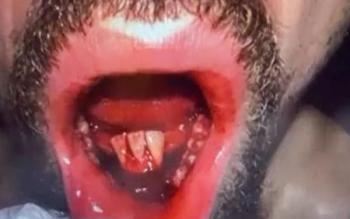
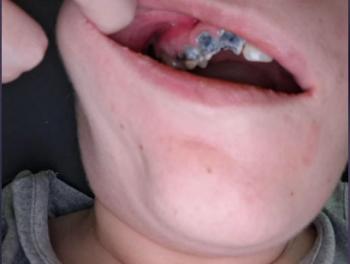
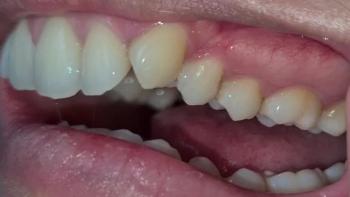
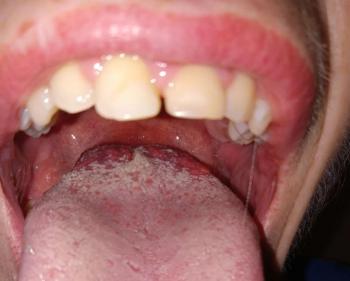
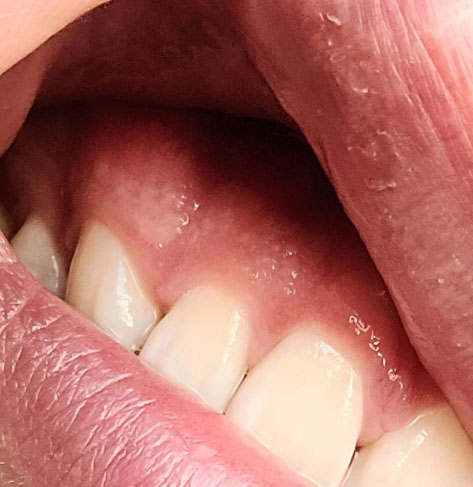
Teeth Case – Zoom 100%
Focused Area: Upper anterior teeth and gingival margin
Full Analysis and Visual Examination
This assessment is based solely on the provided image and does not replace an in-person dental examination or radiographs.
Observed Findings
-
Mild to moderate gingival redness along the gum margin
-
Slight puffiness of the gum tissue, indicating inflammation
-
Early signs of plaque accumulation near the cervical area of the teeth
-
Gum contour appears mostly intact with no severe recession visible
-
Tooth surfaces appear intact with no obvious cavities at this zoom level
Probable Diagnosis
-
Plaque-induced gingivitis
-
Early-stage gum inflammation
-
Increased risk of periodontal progression if oral hygiene is inadequate
Recommended Treatment Process
Step 1: Full Mouth Scaling and Polishing (Day 1)
-
Ultrasonic scaling to remove plaque and early calculus
-
Hand scaling around the gum margins for precision
-
Polishing to reduce plaque retention and smooth enamel surfaces
Estimated duration: 30–60 minutes
Anesthesia: Usually not required
Step 2: Healing and Recovery Timeline
| Time Frame | Expected Healing Response |
|---|---|
| Days 1–3 | Reduced redness and gum tenderness |
| Days 4–7 | Decreased inflammation and improved gum tone |
| Days 8–14 | Stable, healthier gum attachment |
A 14-day healing period is realistic if brushing and flossing are done correctly.
Potential Issues if Scaling Is Not Performed
-
Progression from gingivitis to early periodontitis
-
Development of gum recession over time
-
Increased tooth sensitivity
-
Persistent bad breath due to bacterial buildup
-
Possible bone support loss in advanced stages
Post-Scaling Care Recommendations
-
Brush twice daily with a soft-bristle toothbrush
-
Use fluoride toothpaste
-
Floss daily or use interdental cleaners
-
Rinse with warm salt water or dentist-recommended mouthwash
-
Avoid smoking and limit sugary foods during healing
Professional Comment
This case appears mild and highly manageable. Early intervention with professional scaling can fully reverse the inflammation and prevent long-term periodontal complications.
Visit a Dental Clinic Near You
For professional scaling and gum evaluation, search for a nearby clinic using our directory:
Related Clinical Cases
Patients with lower front gum inflammation may also experience tartar buildup, periodontal disease, gum abscesses, or tooth decay. Explore these related clinical case studies.