Your Smile, Perfected with Precision.

Your Flight vs. Your X-Ray: Understanding Radiation Exposure for Travelers
Language :
Topics:
Clearing the Air: A Traveler’s Guide to Dental X-Ray Safety in the Philippines
For the modern traveler, a trip to the Philippines is an adventure of stunning landscapes, vibrant culture, and—sometimes—unexpected events. While you meticulously plan your itinerary through Cebu’s waterfalls or Palawan’s lagoons, one thing you likely don't plan for is a dental emergency. If you find yourself in a clinic needing an X-ray, a common concern arises: "How much radiation am I being exposed to?"
It's a valid question, especially when you're far from home. The good news is that the science is clear and remarkably reassuring. When put into a traveler's perspective, the radiation from a dental X-ray is not a cause for alarm but a standard, safe part of modern diagnostics.
The Travel Comparison: Your Flight vs. Your X-Ray
Let's start with a comparison you know well: air travel. During a flight, you are exposed to increased levels of cosmic radiation because the Earth's protective atmosphere is thinner at cruising altitude. A typical one-hour commercial flight exposes a passenger to a small, measurable dose of this natural background radiation.
Now, consider a routine single dental X-ray (like a periapical or bitewing image). The effective radiation dose from this procedure is approximately 0.005 millisieverts (mSv).
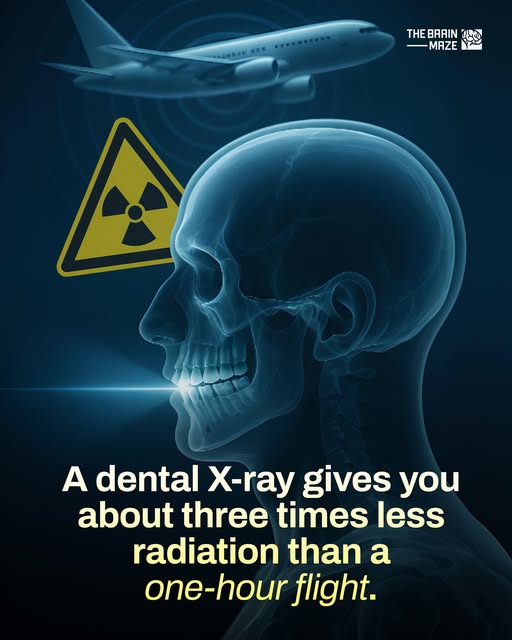
Here’s the key takeaway: The radiation from that single dental X-ray is about three times less than the dose you received during your flight to the Philippines. In essence, the diagnostic image that helps a dentist accurately identify a hidden cavity or infection involves less radiation exposure than a routine part of your journey.
The Rigorous Safety Framework of Modern Dentistry
Dental X-rays are not administered casually. They are part of a highly regulated and technologically advanced practice designed with safety as the top priority.
-
ALARA Principle: Every dental professional is trained in the ALARA principle—As Low As Reasonably Achievable. This means dentists use the minimum amount of radiation necessary to obtain a diagnostically useful image. Techniques include using fast digital sensors (which require far less radiation than old film), precise collimation to narrow the X-ray beam, and leaded aprons with thyroid collars for patient protection.
-
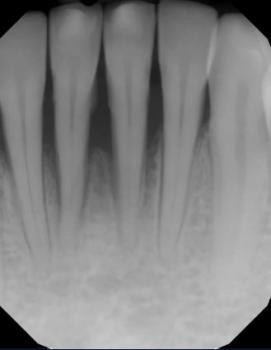
Clinical Necessity: X-rays are prescribed based on clinical need, not routine. A dentist will recommend them to diagnose specific problems invisible to the naked eye, such as decay between teeth, bone loss from gum disease, or issues below the gum line. For a traveler with sudden tooth pain, an X-ray is a crucial tool to pinpoint the problem and avoid unnecessary treatment.
-
Expert Endorsement: Authorities like Harvard Medical School consistently state that the radiation from modern dental imaging is minimal. They affirm that when proper techniques and precautions are used—as is the standard in accredited Philippine clinics—the diagnostic benefits far outweigh the negligible risks.
Why This Matters for Travelers in the Philippines
Understanding this information empowers you as a traveler:
-
Informed Decision-Making: If you experience a dental issue, you can consent to an X-ray knowing it is a standard, low-risk procedure. Avoiding a necessary X-ray out of fear could lead to misdiagnosis and a more serious, painful problem later in your trip.
-
Trust in Local Care: Reputable dental clinics in major Philippine cities and tourist hubs (like Manila, Cebu, or Boracay) use modern, digital X-ray equipment that adheres to international safety standards. The technology and protocols are globally consistent.
-
Focus on the Real Issue: The primary concern during a travel dental emergency should be resolving pain and infection, not undue worry about X-ray exposure. The radiation dose is a fraction of the natural background radiation you're exposed to annually from the sun and soil.
Final Travel Advice
Your adventure should be defined by the memories you make, not by dental distress. Should the need arise, you can confidently walk into a well-reviewed dental clinic in the Philippines. When a dentist recommends an X-ray to best care for you, understand that it is a safe, precise, and essential tool.
The exposure is minimal, the regulations are strict, and the comparison is clear: the flight that brought you to paradise exposed you to more radiation than the X-ray that can help you enjoy it pain-free. So, explore with confidence, and know that modern dental care, even abroad, is designed to protect your health in every way.
Looking for dentist : Visit directory list
Related Clinical Cases
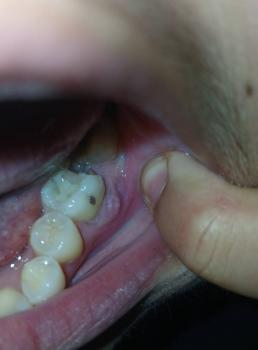
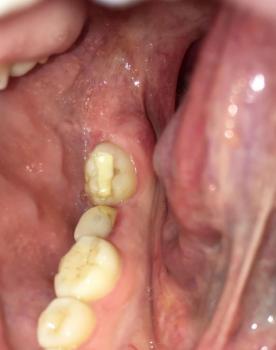
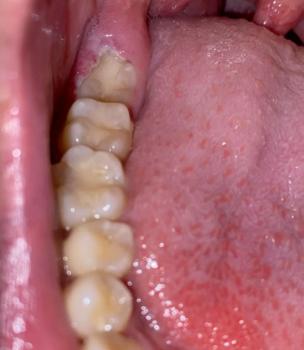
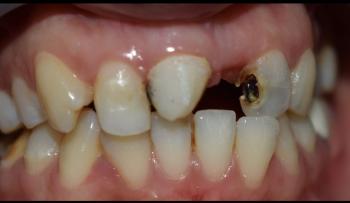
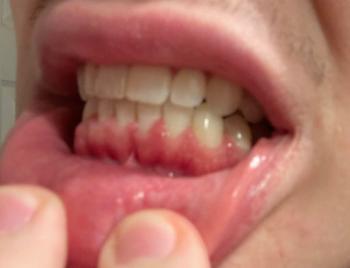
Patients with lower front gum inflammation may also experience tartar buildup, periodontal disease, gum abscesses, or tooth decay. Explore these related clinical case studies.