Transforming Smiles, Restoring Confidence.

Interproximal Cavity Near a Premolar — Gum Irritation, Symptoms, Treatment, and Prevention
Image:
Severity:
Teeth Problems:
Understanding a Cavity Between Teeth
An interproximal cavity is a form of tooth decay that develops on the side surfaces of two neighboring teeth. It commonly occurs where a toothbrush cannot easily reach, particularly between the premolars and molars.
Premolars are the teeth located between the canine teeth and molars. Because their contact areas can trap food and dental plaque, decay may develop between them without being immediately visible.
When a cavity develops near the gumline, the surrounding gum tissue may become irritated. However, gum irritation does not automatically mean the cavity is responsible. Plaque accumulation, food impaction, gingivitis, a cracked tooth, or other dental problems may produce similar symptoms.
Common Signs and Symptoms
Patients with an interproximal cavity may experience:
-
Food frequently becoming trapped between neighboring teeth.
-
Sensitivity to cold drinks, hot foods, or sweet foods.
-
Pain when chewing, especially if the cavity has progressed.
-
A rough or damaged area along the side of a tooth.
-
Localized gum redness, tenderness, or bleeding.
-
Persistent discomfort between the premolars.
Early cavities may cause no noticeable symptoms. A cavity hidden between two teeth may also be difficult to identify through visual inspection alone.
Important: Gum swelling, bleeding, or persistent pain requires proper evaluation. These symptoms should not be assumed to be caused by a simple cavity without a dental examination.
How Dentists Diagnose an Interproximal Cavity
A dentist will examine the affected teeth, the surrounding gums, and the spaces between neighboring teeth. Depending on the findings, a bitewing dental X-ray may help reveal decay that cannot be seen directly.
The dentist may also assess:
-
Whether food is being trapped because of an open contact between teeth.
-
Whether the gum tissue shows signs of plaque-related inflammation.
-
Whether the cavity has reached the deeper dentin layer.
-
Whether the tooth responds normally to pulp vitality or sensitivity testing when indicated.
-
Whether there are signs of a crack, infection, or another cause of pain.
The appropriate treatment depends on the depth and activity of the decay, the condition of the tooth, and the patient's overall oral health.
Treatment Options for an Interproximal Premolar Cavity
1. Fluoride Treatment for Early Decay
Some early enamel lesions can be arrested or remineralized with appropriate fluoride treatment, good oral hygiene, and dietary changes. This is most applicable before a substantial cavity has formed.
A hole or established structural defect generally cannot be restored simply by brushing with fluoride toothpaste.
2. Dental Filling
When decay has created a cavity, the dentist typically removes the damaged tooth structure as appropriate and restores the area with a filling. Tooth-colored composite resin is commonly used for cavities between premolars.
A properly shaped restoration helps restore the tooth's contour and contact with the neighboring tooth, reducing food trapping when that is caused by a defective contact or restoration.
3. Root Canal Treatment and Crown
If the decay reaches the pulp inside the tooth and causes irreversible pulp inflammation or pulp death, root canal treatment may be necessary. A crown may be recommended when substantial tooth structure has been lost.
Not every deep cavity requires a root canal. A dentist must evaluate the pulp and determine the most appropriate treatment.
4. Treatment for Gum Inflammation
If plaque accumulation has caused gingivitis, professional cleaning and effective daily plaque removal may help the gums recover.
If the gum irritation is caused by trapped food, a poorly shaped filling, or another local problem, the underlying cause must also be corrected.
Antibiotics are not routinely required for uncomplicated tooth decay or gingivitis. They are generally reserved for specific infections when clinically indicated and do not replace definitive dental treatment.
Home Care While Waiting for a Dental Appointment
-
Brush twice daily with fluoride toothpaste.
-
Gently clean between the teeth every day using dental floss or an appropriately sized interdental brush.
-
Avoid forcing floss into an inflamed area or snapping it against the gums.
-
Reduce frequent sugary snacks and sweetened drinks.
-
Avoid chewing hard foods on a painful tooth.
-
Do not place aspirin, concentrated alcohol, or irritating substances directly on the gum.
-
Arrange a dental appointment if sensitivity, food trapping, bleeding, or pain persists.
Home care can reduce plaque and discomfort, but it cannot repair an established cavity.
When to Seek Urgent Dental Care
Arrange prompt dental care for increasing pain, persistent swelling, pain that interferes with sleep, or sensitivity that lingers after a trigger is removed.
Facial swelling, fever associated with dental pain, pus, or rapidly worsening symptoms may indicate an infection requiring urgent assessment.
Seek emergency medical care immediately if swelling causes difficulty breathing or swallowing, or if it spreads rapidly toward the neck or eye.
Short Patient Story: The Busy IT Professional
Illustrative fictional case for patient education.
Mark, a 34-year-old IT professional, spent most of his workday troubleshooting server problems, attending online meetings, and writing code. His schedule was so demanding that he often ate lunch at his desk and postponed dental appointments.
One afternoon, Mark noticed that food repeatedly became trapped between his upper premolars. A few days later, the gum in that area became tender and occasionally bled when he brushed. He assumed that the problem would disappear if he brushed harder.
Instead, the discomfort continued. During a break between projects, Mark finally scheduled a dental examination.
The dentist examined the neighboring teeth and recommended a bitewing X-ray. The image revealed decay between the premolars that was not easily visible during a routine glance. The dentist also assessed the irritated gum to determine whether plaque accumulation and food trapping were contributing to the symptoms.
Because the cavity had formed a defect in the tooth, Mark received a suitable restorative treatment. He was also shown how to clean between his teeth gently and effectively.
Mark realized that taking care of his teeth did not require abandoning his busy IT career. It required scheduling preventive care, recognizing warning signs, and addressing dental problems before they became more complicated.
Lesson: A busy schedule can make dental care easy to postpone, but early evaluation may help prevent a small cavity from progressing into a more extensive problem.
Frequently Asked Questions
1. Can a cavity between premolars cause gum irritation?
Yes, it can contribute indirectly, especially if the area traps food or plaque. However, gum irritation may have other causes, so an examination is needed to identify the source.
2. Why can't I see my cavity between my teeth?
The contact area between neighboring teeth is difficult to inspect directly. Bitewing X-rays can help dentists detect decay in these hidden surfaces.
3. Can an interproximal cavity heal naturally?
Very early enamel demineralization may be reversible or arrestable with fluoride and improved oral hygiene. Once a physical cavity has formed, the lost tooth structure generally requires restorative treatment.
4. Will brushing harder remove the cavity?
No. Brushing harder does not remove established decay and may injure the gums. Use a soft-bristled toothbrush and gentle technique.
5. Does bleeding gum always mean I have a cavity?
No. Bleeding gums are commonly associated with gingivitis, but food impaction, local trauma, and other conditions can also cause bleeding. A cavity and gum inflammation may occur together.
6. Is a dental filling painful?
Many fillings can be completed comfortably using local anesthesia when needed. The level of discomfort depends on the cavity's depth, the condition of the tooth, and individual sensitivity.
7. Do I need a root canal for a deep premolar cavity?
Not necessarily. The decision depends on the condition of the pulp and the extent of the decay. Some deep cavities can be managed with pulp-preserving treatment, while others require root canal treatment.
8. Can dental floss prevent cavities between teeth?
Daily flossing or suitable interdental cleaning helps remove plaque and food debris. Combined with fluoride toothpaste, reduced sugar frequency, and regular dental examinations, it helps lower the risk of decay. It cannot guarantee that cavities will never develop.
9. Should I take antibiotics for a cavity with swollen gums?
Do not self-prescribe antibiotics. Most uncomplicated cavities and plaque-related gingivitis are treated with dental procedures and plaque control rather than antibiotics. Spreading infection or systemic symptoms require professional assessment.
10. How quickly should I see a dentist?
Book an appointment promptly if you notice recurring food trapping, sensitivity, bleeding, or persistent pain. Seek urgent care for significant swelling, fever with dental symptoms, or worsening pain.
Final Dental Guidance
An interproximal cavity near a premolar can remain unnoticed until sensitivity, food trapping, or gum irritation develops. Early diagnosis can help preserve healthy tooth structure and reduce the likelihood of more extensive treatment.
The best approach combines a professional dental examination, appropriate X-rays when indicated, treatment of the underlying cause, and consistent preventive care at home.
Medical disclaimer: This article provides general dental education and does not establish an individual diagnosis or replace an examination by a licensed dentist.
Teeth Case – Zoom 100%
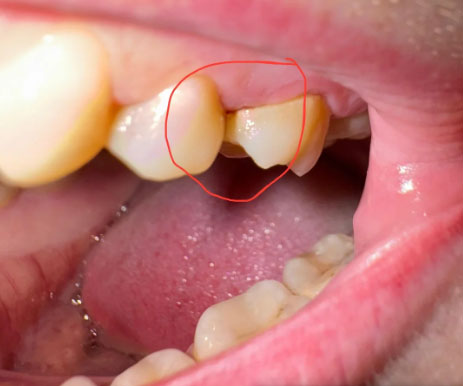
Focused Area: Upper posterior teeth (premolar region) with circled interproximal defect near the gumline
Full Analysis and Deep Visual Examination
This assessment is based on the provided image only and does not replace a comprehensive dental examination, bitewing X-rays, or periodontal probing.
Observed Findings
-
Visible structural defect on the circled tooth consistent with an interproximal cavity and/or fractured enamel
-
Plaque-retentive margin at the cervical (neck) area of the tooth
-
Localized gingival irritation adjacent to the defect
-
Irregular contact point that traps food and bacteria
-
Tooth surface discoloration suggesting active decay rather than stain
Probable Diagnosis
-
Interproximal dental caries (moderate to advanced)
-
Possible enamel fracture with secondary decay
-
Localized plaque-induced gingivitis
-
Risk of pulp involvement depending on cavity depth (X-ray required)
Recommended Treatment Process
Step 1: Full Mouth Scaling and Polishing (Day 1)
-
Ultrasonic scaling to remove plaque and calculus
-
Manual scaling around the affected contact area
-
Polishing to reduce bacterial re-adhesion
Estimated duration: 30–60 minutes
Local anesthesia: May be required due to sensitivity near the lesion
Step 2: Definitive Tooth Repair (Day 1–7)
Treatment choice depends on depth and structure:
-
Composite filling if decay is confined to enamel/dentin
-
Onlay or crown if significant tooth structure is lost
-
Root canal treatment if pulp exposure or infection is confirmed
Healing and Recovery Timeline
| Time Frame | Expected Outcome |
|---|---|
| Days 1–3 | Gum tenderness and irritation reduce |
| Days 4–7 | Gingival tissue stabilizes |
| Days 8–14 | Healthy gum contour if defect is properly restored |
A 14-day healing period is realistic for gum tissue once the cavity is sealed.
What Will Scale Up If Left Untreated
-
Enlargement of the cavity into deeper dentin and pulp
-
Persistent food impaction and bad breath
-
Increased gum inflammation and pocket formation
-
Development of tooth abscess or infection
-
Eventual tooth fracture or tooth loss
-
More invasive and costly treatment later
Post-Treatment Care Instructions
-
Brush twice daily with a soft-bristle toothbrush
-
Floss daily, especially between the affected teeth
-
Use fluoride toothpaste; consider high-fluoride products if advised
-
Avoid chewing hard foods on the treated side until restored
-
Reduce sugar and acidic food intake
Professional Comment
This case represents a high-risk interproximal lesion. Scaling alone will not stop progression. Prompt restoration of the tooth surface is essential to protect the gum and prevent deeper infection.
Visit a Dental Clinic Near You
For scaling, X-rays, and definitive cavity treatment, find a nearby clinic using our directory:
Related Clinical Cases
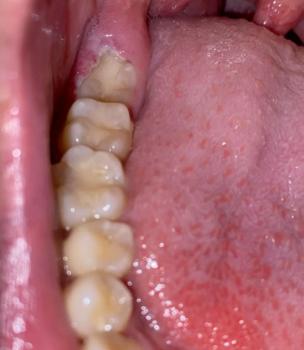
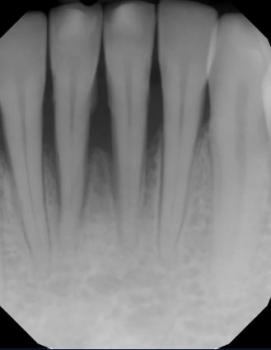
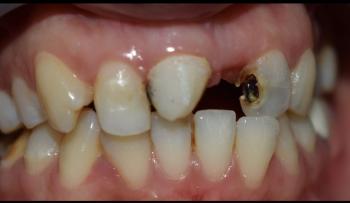
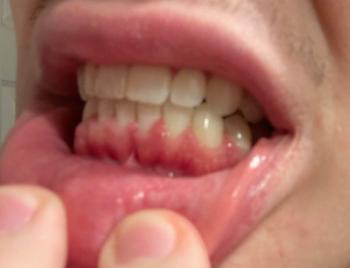
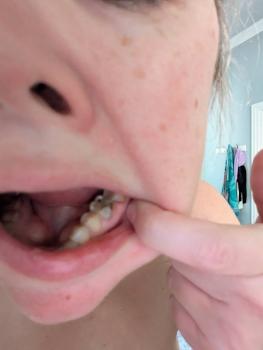
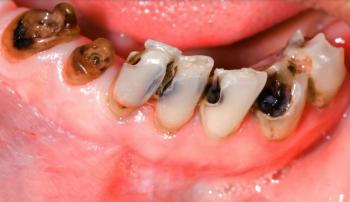
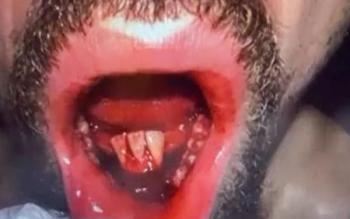
Patients with lower front gum inflammation may also experience tartar buildup, periodontal disease, gum abscesses, or tooth decay. Explore these related clinical case studies.

Other topics:
Other Dental Clinic
 |
 |
 |
 |