From Pain to Perfect — We Care for Your Smile.

Jake Paul Mandibular Fracture and Dental Trauma Case - In-Depth Jaw and Teeth Injury Analysis
Language :

Teeth & Jaw Case Analysis (Zoom 100% – Clinical Perspective)
Case basis: Analysis is derived from the provided image set and the referenced news report. This is an educational discussion and not a substitute for an in-person clinical diagnosis.
1. Visual Findings (Scaled Dental & Jaw Assessment)
Extra-oral / Jaw
-
Evidence of mandibular fracture (lower jaw), likely involving the angle or body of the mandible
-
Facial swelling and soft-tissue trauma consistent with high-impact injury
-
Jaw instability suggested by fixation hardware visible in imaging
Intra-oral / Teeth
-
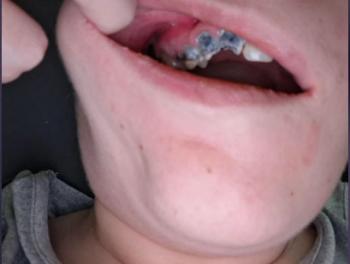
Dental displacement and trauma in the lower anterior/posterior region
-
Possible tooth subluxation or fracture, especially near the fracture line
-
Presence of blood and soft tissue laceration, indicating gingival and mucosal injury
-
Risk of occlusal misalignment (malocclusion) due to jaw fracture
Radiographic (CT-style image shown)
-
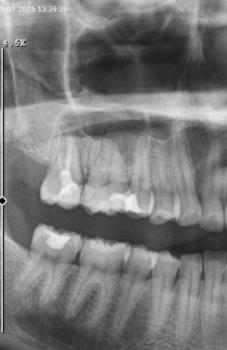
Clear fracture line in the mandible
-
Fixation plate and screws indicate open reduction and internal fixation (ORIF)
-
Bone discontinuity with potential involvement of the inferior alveolar nerve canal
Diagnosis (Likely)
-
Mandibular fracture (moderate to severe)
-
Dental trauma secondary to jaw fracture
-
Soft tissue injury (gingiva, oral mucosa)
-
Possible nerve involvement (numbness of lower lip/chin)
-
High risk of infection if oral hygiene is compromised
Treatment Process Executed / Recommended
Acute Phase (Day 0–3)
-
Emergency stabilization
-
Imaging (CT scan / panoramic X-ray)
-
ORIF surgery with titanium plates and screws
-
Pain control and antibiotics
Early Healing Phase (Day 4–14)
-
Soft or liquid diet only
-
Strict oral hygiene with antiseptic rinses
-
Limited jaw movement
-
Monitoring for infection, swelling, or hardware failure
Dental Management
-
Stabilization of traumatized teeth
-
Delay definitive dental restorations until bone healing progresses
-
Vitality testing of affected teeth after 2–4 weeks
Healing Time Frame
-
Initial bone stability: ~2 weeks
-
Functional bone healing: 4–6 weeks
-
Complete bone remodeling: 3–6 months
-
Dental rehabilitation (if needed): after 8–12 weeks
If only 14 days of healing:
Bone is not fully healed. The fracture is still vulnerable to re-injury, infection, and malocclusion if stressed too early.
Issues That May Scale Up if Not Managed Properly
-
Chronic jaw pain or TMJ disorder
-
Permanent bite misalignment
-
Non-union or delayed union of the fracture
-
Tooth loss near the fracture site
-
Nerve damage causing long-term numbness
-
Infection around fixation hardware
-
Need for revision surgery
Clinical Comments
-
Jaw fractures with dental involvement require combined care from oral surgeons and restorative dentists
-
Early return to physical stress can reverse healing
-
Long-term success depends on diet compliance, oral hygiene, and follow-up imaging
-
Dental implants or crowns should only be planned after confirmed bone consolidation
Recommendation
If you or a patient experiences similar trauma symptoms:
-
Seek immediate oral and maxillofacial consultation
-
Do not ignore bite changes, numbness, or loose teeth
-
Early treatment significantly improves long-term outcomes
Visit Nearest Dental & Surgical Care
Find trusted dental and oral surgery clinics near you using our directory:
https://cebudentalimplants.com/map-dental-clinic
Early expert intervention can prevent complications and restore full function safely.
image source: https://www.geo.tv/latest/640521-jake-paul-suffers-broken-jaw-in-knockou...
Looking for dentist : Visit directory list
Related Clinical Cases
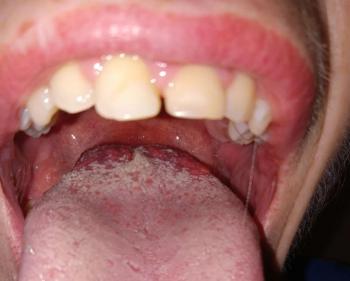
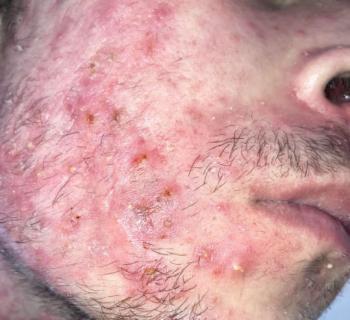
Patients with lower front gum inflammation may also experience tartar buildup, periodontal disease, gum abscesses, or tooth decay. Explore these related clinical case studies.



Other topics:
Other Dental Clinic