Missing Teeth? Find Your Smile Again.

Back Tooth Decay: Symptoms, Pain, Treatment & FAQs
Image:
Severity:
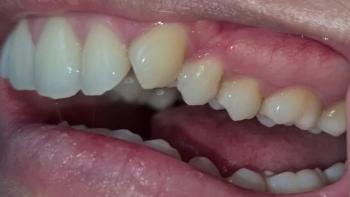
What Is Seen in This Case?
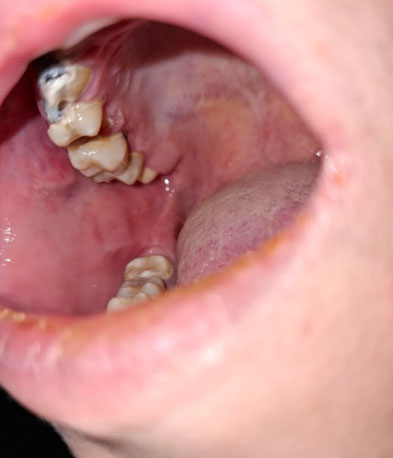
The image shows visible decay on back teeth (molars), with damaged tooth structure and discoloration. The surrounding gum tissue appears slightly irritated, which may indicate early inflammation caused by trapped bacteria.
Back teeth are more prone to decay because they are harder to clean and have deep grooves that trap food and plaque.
Persistent pain, pain when biting, or swelling warrants prompt dental assessment. Highlight facial swelling and difficulty swallowing or breathing as urgent warning signs.
What the Image May Suggest
The visible appearance may be consistent with tooth decay affecting a back tooth. However, an image alone cannot determine the depth of decay or whether the dental pulp is affected. A dentist may need a clinical examination and dental X-ray to establish the diagnosis.
Based on the visual findings, the most likely conditions include:
-
Dental caries (tooth decay) on molars
-
Possible decay reaching the dentin layer
-
Early gum inflammation near the affected teeth
-
Risk of pulp infection if untreated
A dental examination and X-ray are required to determine how deep the decay has progressed.
Treatment depends on the severity of the decay. A dentist may recommend a filling or restoration for a repairable cavity, root canal treatment when the dental pulp is affected, or tooth extraction when the tooth cannot be restored.
| Section | Anchor text | Link purpose |
|---|---|---|
| Diagnosis | dental X-rays and tooth decay diagnosis | Diagnosis intent |
| Treatment | root canal treatment | Deep decay/pulp intent |
| Treatment | tooth extraction | Non-restorable tooth intent |
| Cost | dental treatment costs in the Philippines | Cost intent |
| Replacement | dental implant cost in the Philippines | Missing-tooth/implant intent |
How Much Does Back Tooth Decay Treatment Cost?
The cost of treating back tooth decay depends on the extent of damage and the procedure required. A simple filling is generally different in cost from root canal treatment, a crown, or extraction. Diagnostic X-rays and additional procedures may also affect the total cost. See our dental treatment cost guide in the Philippines for more information.
What Causes Back Tooth Decay?
Common causes include:
-
Incomplete brushing of molars
-
Lack of flossing
-
Frequent sugar or carbohydrate intake
-
Deep grooves on chewing surfaces
-
Delayed dental checkups
When plaque remains on teeth, bacteria slowly break down enamel and create cavities.
If the Tooth Cannot Be Saved
If a severely damaged tooth cannot be restored and extraction becomes necessary, the missing tooth may later be replaced with a dental implant, dental bridge, or partial denture, depending on the patient's oral condition and treatment plan.
Tooth Decay Causes
- Back Tooth Decay Case Analysis
- Early Tooth Decay Symptoms
- Tooth Decay Pain
- Deep Tooth Decay
- Cracked / Broken Tooth
- Root Canal Treatment
- Tooth Extraction
- Dental Implant After Tooth Loss
If decay reaches the inner part of the tooth, see our guide to deep tooth decay and root canal treatment.
Is This a Serious Problem?
At this stage, the condition is treatable, but delaying care may lead to:
-
Tooth pain or sensitivity
-
Infection reaching the tooth nerve
-
Dental abscess formation
-
Swelling of gums or face
-
Tooth fracture or tooth loss
Early treatment is simpler and less costly.
Back Tooth Decay Case Analysis — an example-based explanation of how decay can affect a molar.
Recommended Treatment Process
Step 1: Dental Assessment (Days 1–3)
-
Clinical examination of affected teeth
-
Dental X-rays to check decay depth
-
Evaluation of tooth restorability
Step 2: Active Treatment (Days 4–7)
Treatment depends on severity and may include:
-
Removal of decayed tooth material
-
Tooth-colored filling or restoration
-
Crown placement if tooth structure is weak
-
Root canal treatment if the nerve is infected
-
Extraction if the tooth cannot be saved
Step 3: Healing and Review (Days 8–14)
-
Gum irritation should reduce
-
Chewing comfort improves
-
Treated tooth stabilizes
Follow-up may be needed to monitor healing and plan long-term care.
Expected Healing Time
-
Minor fillings: a few days to 1 week
-
Deeper restorations or gum healing: up to 14 days
Healing depends on the extent of decay and the treatment provided.
What Happens If Back Tooth Decay Is Left Untreated?
Untreated tooth decay can gradually progress deeper into the tooth. Depending on the extent of the decay, it may eventually cause sensitivity, toothache, pulp involvement, infection, abscess formation, or tooth loss. The rate of progression varies from person to person.
-
Severe toothache
-
Dental abscess
-
Spread of infection to jawbone
-
Fever or facial swelling
-
Tooth loss and higher treatment costs
Dental infections should never be ignored.
What You Can Do at Home (Temporary Only)
These steps do not cure decay, but may reduce discomfort:
-
Rinse with warm salt water
-
Brush gently twice daily
-
Avoid sugary and sticky foods
-
Avoid chewing on the affected side
Professional dental treatment is still required.
What Can Happen If Treatment Is Delayed?
Then explain that progression varies depending on the depth of decay, oral hygiene, diet, bacterial activity, and individual factors.
- Diagnosis — explain examination + X-ray and limitations of visual assessment.
- Treatment cost — link to a Philippines dental-cost guide rather than inserting unsupported prices.
- Replacement options — explain implant/bridge/partial denture only when the tooth cannot be restored.
What This Back Tooth Decay Case Covers
-
What does the case show?
-
What can cause back tooth decay?
-
How is tooth decay diagnosed?
-
What are the treatment options?
-
How much can treatment cost?
-
What happens if tooth decay is left untreated?
-
How can further tooth decay be prevented?
-
What happens if the tooth cannot be saved?
-
What are the tooth replacement options?
-
Dental implant
-
Dental bridge
-
Partial denture
-
Back Tooth Decay Case Analysis: Causes, Treatment, and Healing Timeline
Understanding tooth decay involves more than identifying a cavity. The typical care pathway includes evaluation and diagnosis, treatment, cost considerations, prevention, and—when a tooth cannot be saved—replacement options.
Treatment
Depending on the extent of decay, treatment may include a dental filling, crown, root canal treatment, or extraction.
Cost
The cost of treating tooth decay depends on the severity of the decay and the procedure required. See our Dental Treatment Cost Philippines guide for additional information.
Replacement
If severe decay results in tooth loss, replacement options may include a dental implant, bridge, or partial denture.
Frequently Asked Questions About Back Tooth Decay
1. Why does my back tooth hurt when I chew food?
Pain when chewing may be caused by tooth decay, a cracked tooth, a damaged filling, or inflammation inside the tooth. If food gets trapped in a cavity, it may also cause discomfort.
Advice: Avoid chewing on the painful side and arrange a dental examination. Pain during chewing should not be ignored, especially if it is getting worse.
2. Can a cavity in my back tooth cause severe toothache?
Yes. A cavity can gradually progress through the enamel and dentin toward the dental pulp, which contains nerves and blood vessels. When the pulp becomes inflamed or infected, pain may become severe, spontaneous, or persistent.
Advice: Seek prompt dental care if you have severe or lingering pain. A dentist may recommend a filling, crown, root canal treatment, or extraction depending on the condition of the tooth.
3. How do I know if my back tooth decay is serious?
Warning signs include a visible hole, dark discoloration, sensitivity to hot or cold foods, pain when biting, persistent toothache, or swollen gums near the affected tooth.
However, the color or size of a cavity alone cannot reliably determine its depth.
Advice: A dentist can examine the tooth and take dental X-rays when indicated to assess how far the decay has progressed.
4. Can I save a badly decayed back tooth?
In many cases, yes. A decayed tooth may still be saved if enough healthy tooth structure remains and the tooth can be properly restored.
Depending on the damage, treatment may involve a filling, a crown, or root canal treatment followed by an appropriate restoration.
Advice: Do not assume that a badly damaged tooth must be removed. Ask your dentist whether the tooth is restorable before deciding on extraction.
5. When does tooth decay require a root canal?
Root canal treatment may be necessary when the dental pulp is irreversibly inflamed or infected. Possible symptoms include prolonged sensitivity to hot or cold, spontaneous pain, or pain that wakes you at night.
Some infected teeth cause little or no pain, so symptoms alone cannot confirm whether a root canal is needed.
Advice: Have a dentist evaluate the tooth. If root canal treatment is appropriate, the tooth will usually need a suitable final restoration to protect it from fracture.
6. Should I remove my back tooth if the decay is severe?
Not necessarily. Extraction may be recommended when the tooth is too damaged to restore, has an unfavorable fracture, or cannot be predictably treated.
If the tooth can be saved, preserving it may help maintain normal chewing and avoid the need to replace a missing tooth.
Advice: Discuss the benefits, risks, cost, and long-term outlook of saving versus removing the tooth with your dentist.
7. What should I do if my decayed tooth hurts at night?
Nighttime toothache can occur when decay or inflammation affects the inner tissues of the tooth. Lying down may also make some dental pain feel more noticeable.
Advice: Keep your head slightly elevated, avoid foods and drinks that trigger the pain, and arrange prompt dental care. If you can safely take an over-the-counter pain reliever, follow its label instructions and ask a pharmacist if you are unsure whether it is suitable for you.
Do not place aspirin directly on the tooth or gum, as it can damage the tissue.
8. Can tooth decay cause swollen gums or a swollen face?
Yes. Decay that leads to infection around the tooth root may cause gum swelling, pus, or facial swelling. However, swollen gums can also have other causes.
Advice: Seek urgent dental assessment if you have swelling with tooth pain. Facial or neck swelling, fever, or rapidly worsening symptoms need urgent medical evaluation. Difficulty breathing or swallowing requires emergency care.
9. Can I treat back tooth decay at home?
Home care can help control plaque and temporarily reduce discomfort, but it cannot repair an established cavity or eliminate an infection inside the tooth.
Advice: Brush gently twice daily with fluoride toothpaste, clean between your teeth, rinse with warm salt water if comfortable, and avoid very sugary foods. Do not try to scrape or drill out the cavity yourself.
Arrange professional treatment even if the pain temporarily disappears.
10. How long can I wait before treating a decayed back tooth?
There is no reliable number of days that is safe for every cavity. Some cavities progress slowly, while others cause complications sooner. Pain that disappears does not necessarily mean the tooth has healed.
Advice: Book a dental appointment as soon as practical, particularly if you have pain, a visible hole, or sensitivity that persists. Seek urgent care for swelling, fever, pus, or worsening pain.
11. How much does it cost to treat back tooth decay in the Philippines?
The cost depends on the severity of the decay, the tooth's location, the clinic, and the treatment required. A simple filling generally costs less than a crown or root canal treatment. Extraction and replacement with a dental implant involve different costs.
Advice: Ask your dentist for an examination and an itemized treatment estimate before proceeding. Treating decay early may help avoid more complex treatment later.
12. Can I prevent decay from returning to my back teeth?
Yes. Although no prevention method eliminates all risk, good daily oral hygiene and regular dental care can substantially reduce the risk of new cavities.
Advice:
-
Brush twice daily with fluoride toothpaste.
-
Clean between your teeth every day.
-
Reduce frequent sugary snacks and drinks.
-
Drink water regularly.
-
Attend dental checkups at intervals recommended for your oral health.
13. What happens if I ignore a decayed molar?
Untreated decay can deepen and cause increasing sensitivity, pulp inflammation, infection, an abscess, or loss of the tooth. More extensive treatment may then be necessary.
Advice: Do not wait for severe pain before seeing a dentist. Early assessment gives you a better opportunity to discuss simpler treatment options.
14. Where can I learn more about real dental problems and treatment options?
Every dental case is different. Learning about symptoms, possible diagnoses, and treatment options can help you prepare useful questions for your dentist, but online case studies cannot replace an examination.
Explore more dental case analyses, tooth decay guides, root canal information, extraction advice, and dental implant resources at CebuDentalImplants.com.
Visit our dental case studies and educational resources to learn more about common dental problems and their possible treatments.
Introduction
1. What Is Seen in This Case?
2. What Causes Back Tooth Decay?
3. Diagnosis: How a Dentist Evaluates Tooth Decay
4. Treatment Options for Back Tooth Decay
├── Dental filling
├── Crown
├── Root canal treatment
└── Tooth extraction
5. How Much Does Tooth Decay Treatment Cost?
├── Filling
├── Root canal
├── Crown
└── Extraction
6. What Happens If Tooth Decay Is Left Untreated?
7. Prevention: How to Protect Back Teeth
8. If the Tooth Cannot Be Saved: Replacement Options
├── Dental implant
├── Dental bridge
└── Partial denture
9. Healing and Follow-Up
10. Related Dental Resources
Frequently ask questions:
- Can back tooth decay cause jaw pain?
- Can a cavity in a molar be repaired?
- When does tooth decay require a root canal?
- Can a badly decayed tooth be saved?
- How much does treatment cost?
Related Dental Resources
- Dental Implant Cost Philippines
- Root Canal Treatment Guide
- Tooth Extraction Guide
- Dental Clinic Directory
- How to Prevent Tooth Decay
Related Services
- Composite Veneers
- Porcelain Veneers
- Dental Bonding
- Teeth Whitening
- Smile Makeover
- Tooth Contouring
- Dental Crowns
- Veneer Repair and Replacement
- Veneer Maintenance
- Bruxism and Teeth Grinding
- Worn or Damaged Enamel
- Tooth Discoloration
Professional Comment
Back tooth decay is common but preventable. Early dental care preserves natural teeth, reduces pain, and avoids more complex procedures. Regular dental visits and proper cleaning of molars are essential.
Visit a Dental Clinic Near You
Find a nearby dental clinic using our directory:
https://cebudentalimplants.com/map-dental-clinic
Dental Clinics in Philippines
- Dainty Smiles Dental Clinic
- DOC Demis Dental Clinic
- Gaviola Dental Clinic
- Lacsamana Dental Clinic
- Ouano North Dental Clinic
- Rafols Dental Clinic
- Smile 360 Dental Clinic
Video :
Related Clinical Cases
Patients with lower front gum inflammation may also experience tartar buildup, periodontal disease, gum abscesses, or tooth decay. Explore these related clinical case studies.




Other topics:
Other Dental Clinic