Healthy Teeth, Happy Life.

Back Tooth Decay Case Analysis: Causes, Treatment, and Healing Timeline
Image:
Severity:
What Is Seen in This Case?
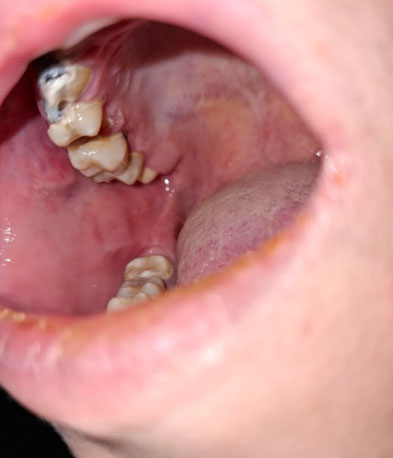
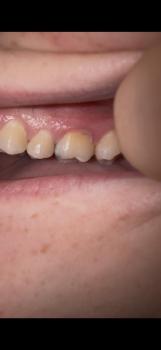
The image shows visible decay on back teeth (molars), with damaged tooth structure and discoloration. The surrounding gum tissue appears slightly irritated, which may indicate early inflammation caused by trapped bacteria.
Back teeth are more prone to decay because they are harder to clean and have deep grooves that trap food and plaque.
Most Likely Diagnosis
Based on the visual findings, the most likely conditions include:
-
Dental caries (tooth decay) on molars
-
Possible decay reaching the dentin layer
-
Early gum inflammation near the affected teeth
-
Risk of pulp infection if untreated
A dental examination and X-ray are required to determine how deep the decay has progressed.
What Causes Back Tooth Decay?
Common causes include:
-
Incomplete brushing of molars
-
Lack of flossing
-
Frequent sugar or carbohydrate intake
-
Deep grooves on chewing surfaces
-
Delayed dental checkups
When plaque remains on teeth, bacteria slowly break down enamel and create cavities.
Is This a Serious Problem?
At this stage, the condition is treatable, but delaying care may lead to:
-
Tooth pain or sensitivity
-
Infection reaching the tooth nerve
-
Dental abscess formation
-
Swelling of gums or face
-
Tooth fracture or tooth loss
Early treatment is simpler and less costly.
Recommended Treatment Process
Step 1: Dental Assessment (Days 1–3)
-
Clinical examination of affected teeth
-
Dental X-rays to check decay depth
-
Evaluation of tooth restorability
Step 2: Active Treatment (Days 4–7)
Treatment depends on severity and may include:
-
Removal of decayed tooth material
-
Tooth-colored filling or restoration
-
Crown placement if tooth structure is weak
-
Root canal treatment if the nerve is infected
-
Extraction if the tooth cannot be saved
Step 3: Healing and Review (Days 8–14)
-
Gum irritation should reduce
-
Chewing comfort improves
-
Treated tooth stabilizes
Follow-up may be needed to monitor healing and plan long-term care.
Expected Healing Time
-
Minor fillings: a few days to 1 week
-
Deeper restorations or gum healing: up to 14 days
Healing depends on the extent of decay and the treatment provided.
What Happens If Treatment Is Delayed?
If untreated beyond 14–30 days, decay may progress to:
-
Severe toothache
-
Dental abscess
-
Spread of infection to jawbone
-
Fever or facial swelling
-
Tooth loss and higher treatment costs
Dental infections should never be ignored.
What You Can Do at Home (Temporary Only)
These steps do not cure decay, but may reduce discomfort:
-
Rinse with warm salt water
-
Brush gently twice daily
-
Avoid sugary and sticky foods
-
Avoid chewing on the affected side
Professional dental treatment is still required.
Professional Comment
Back tooth decay is common but preventable. Early dental care preserves natural teeth, reduces pain, and avoids more complex procedures. Regular dental visits and proper cleaning of molars are essential.
Visit a Dental Clinic Near You
Find a nearby dental clinic using our directory:
https://cebudentalimplants.com/map-dental-clinic
Related Clinical Cases
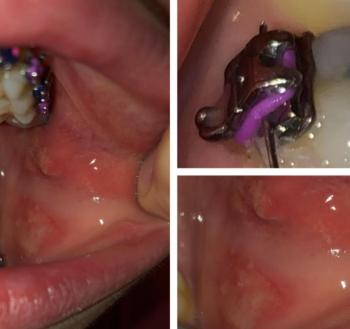
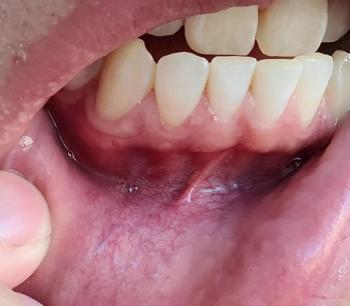
Patients with lower front gum inflammation may also experience tartar buildup, periodontal disease, gum abscesses, or tooth decay. Explore these related clinical case studies.


Other topics:
Other Dental Clinic