Transforming Smiles, Restoring Confidence.

Beyond the Big Numbers: How the 2026 National Budget Funds Healthier Smiles
Language :

Topics:
The inclusion and bolstering of dental health initiatives in the 2026 budget is not a minor detail; it's a meaningful step toward holistic healthcare. For too long, dental care has been treated as a secondary concern, often out of reach for millions of Filipinos due to cost and accessibility. This has led to widespread oral health issues that impact overall well-being, nutrition, children's school attendance, and even adults' employability.
The specific allocation for dental health outreach programs signals a shift in understanding. It recognizes that:
-
Prevention is Cost-Effective: Funding for community-based fluoride varnish applications, dental sealant programs for children, and oral health education in schools can prevent severe and costly dental problems down the line. It reduces the burden on hospital emergency rooms for dental abscesses and infections.
-
Health is Interconnected: Poor oral health is linked to systemic conditions like diabetes, cardiovascular disease, and adverse pregnancy outcomes. By investing in dental care, the government is proactively investing in mitigating broader public health crises.
-
It Reaches the Underserved: Outreach programs—whether through "Brigada Ngipin" mobile clinics in remote barangays or integrated services in "Konsulta" packages—are essential for bridging the gap. They bring basic services like dental check-ups, cleanings, extractions, and health literacy directly to communities that need them most.
What This Could Look Like on the Ground
With this budgetary support, we can expect the Department of Health (DOH) and local government units (LGUs) to potentially expand:
-
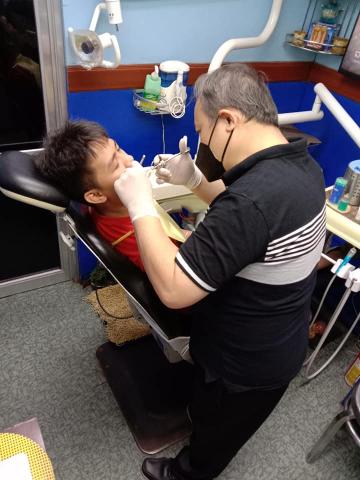
School-Based Programs: Regular oral health assessments and preventive treatments for public school students.
-
Training for Barangay Health Workers: Equipping frontline health volunteers with the skills to provide basic oral health education and referrals.
-
Mobile Dental Clinic Units: Enhancing the reach of these units to cover more geographically isolated and disadvantaged areas.
-
Integration with Nutrition Programs: Linking dental check-ups with child feeding programs to address the twin issues of malnutrition and dental caries.
A Reason to Smile, But Vigilance is Key
While the dedicated funding is a cause for optimism, its success hinges on efficient implementation and transparency. It will be crucial for civil society and the media to monitor how these funds are disbursed and utilized at the local level to ensure they truly translate into better services.
The signing of the 2026 budget is more than a ceremonial act; it's a commitment of resources. The fact that dental health outreach has secured its place in this ₱6.7-trillion plan is a clear acknowledgment that a healthy nation needs healthy smiles. This is an investment in the people's well-being, productivity, and future—proof that sometimes, the most impactful changes start with a small, but significant, part of a big plan.
Looking for dentist : Visit directory list
Related Clinical Cases
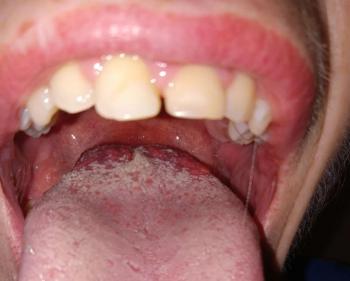
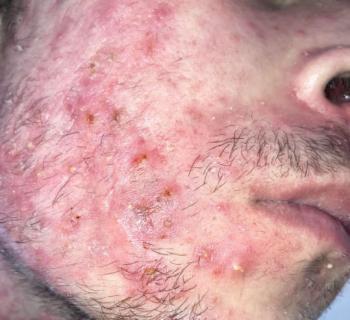
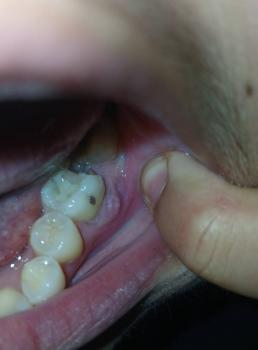
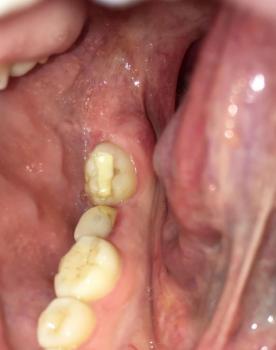
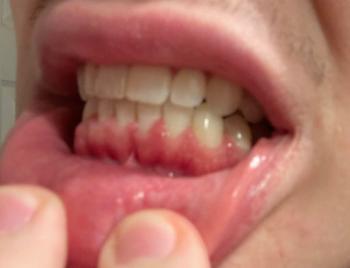
Patients with lower front gum inflammation may also experience tartar buildup, periodontal disease, gum abscesses, or tooth decay. Explore these related clinical case studies.