Strong Teeth, Fresh Breath, Brighter You.

Pediatric Tooth Decay Case Analysis and Treatment Timeline
Image:
Severity:
Teeth Problems:
Teeth Case – Full Analysis and Provisional Diagnosis (Zoom 100%)
This assessment is based solely on a photographic image. A confirmed diagnosis requires an in-clinic dental examination, radiographs, and professional evaluation by a licensed dentist, especially for pediatric patients.
1. Visual Findings (Image-Based)
-
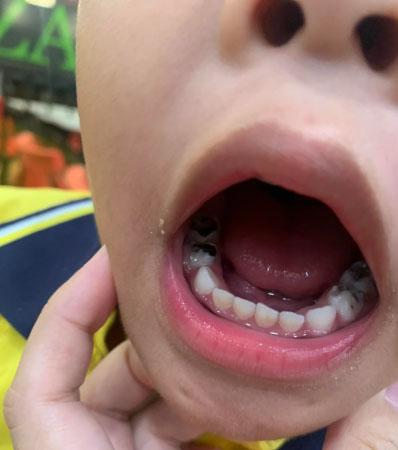
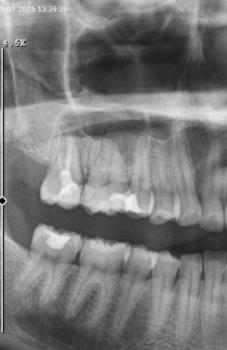
Lower posterior teeth show silver restorations consistent with amalgam or stainless-steel fillings.
-
Surrounding enamel appears irregular and opaque, suggesting secondary or recurrent caries.
-
Occlusal pits show dark discoloration, commonly associated with early to moderate decay.
-
Mild gingival redness indicates plaque-induced gingival inflammation.
-
Dentition suggests primary or mixed dentition, which is more susceptible to rapid decay progression.
2. Most Likely Clinical Diagnosis
-
Dental caries (recurrent/secondary)
-
Enamel demineralization
-
Early gingivitis
-
Risk of pulp involvement if untreated
3. Potential Issues That May Scale Up if Untreated
Within 14–30 days, the following may occur:
-
Expansion of decay beneath existing restorations
-
Tooth sensitivity progressing to pain
-
Pulp infection or dental abscess
-
Facial swelling or fever
-
Premature loss of primary molars
-
Chewing difficulty and discomfort
-
Impact on eruption pattern of permanent teeth
4. Recommended Clinical Treatment Process
Initial Phase (Days 1–3)
-
Comprehensive oral examination
-
Bitewing or periapical radiographs
-
Caries risk assessment
-
Professional dental cleaning
Restorative Phase (Days 4–7)
-
Removal of defective restorations
-
Caries excavation
-
Tooth restoration using:
-
Composite resin, or
-
Stainless steel crown if structural loss is extensive
-
-
Fluoride varnish application
Review Phase (Days 8–14)
-
Clinical re-evaluation
-
Sealant placement on deep fissures if indicated
-
Oral hygiene education for caregiver and patient
Estimated healing time:
-
Soft tissue recovery: 3–5 days
-
Tooth stabilization and comfort: 7–14 days
5. If Treatment Is Delayed Up to 14 Days
Monitor for:
-
Night-time tooth pain
-
Sensitivity to sweet or hot foods
-
Swelling of gums or face
-
Persistent bad breath
Immediate dental consultation is required if symptoms worsen.
6. Home Care Recommendations (Interim)
-
Brush twice daily with fluoride toothpaste (pea-sized amount)
-
Avoid sugary, sticky, and acidic foods
-
Rinse mouth with water after meals
-
Avoid chewing hard foods on the affected side
7. Professional Commentary
This case remains manageable at an early stage. Pediatric dental decay progresses faster than adult cases; early intervention prevents infection, pain, and long-term orthodontic complications.
Visit Nearest Dental Clinic
Find a verified dental clinic near you using our directory:
https://cebudentalimplants.com/map-dental-clinic
Frequently Asked Questions (FAQ): Pediatric Tooth Decay Case Analysis
1. What is pediatric tooth decay?
Pediatric tooth decay is the destruction of a child's tooth enamel caused by bacteria that produce acid after feeding on sugars and carbohydrates. It is one of the most common childhood diseases but is largely preventable with proper oral hygiene, fluoride, and regular dental checkups.
2. What causes tooth decay in children?
The most common causes include:
- Frequent consumption of sugary snacks and drinks
- Poor tooth brushing habits
- Inadequate fluoride exposure
- Sleeping with a bottle containing milk or juice
- Poor dental hygiene from an early age
- Delayed dental visits
When plaque bacteria remain on the teeth, they convert sugars into acids that gradually dissolve the enamel.
3. What are the early signs of tooth decay in children?
Parents should watch for:
- White chalky spots on teeth
- Brown or black discoloration
- Tooth sensitivity
- Complaints of pain when eating sweets
- Food getting stuck in cavities
- Bad breath
- Swollen gums near a tooth
Early treatment can often prevent extensive dental procedures.
4. Can baby teeth get cavities?
Yes. Baby teeth are thinner than permanent teeth, making them more vulnerable to decay. Even though baby teeth eventually fall out, untreated cavities can cause pain, infection, and problems with permanent tooth development.
5. Why should baby teeth be treated if they will eventually fall out?
Healthy baby teeth are important because they:
- Help children chew properly
- Support speech development
- Maintain space for permanent teeth
- Guide adult teeth into proper position
- Prevent painful infections
Premature tooth loss can lead to orthodontic problems later in life.
6. How quickly can pediatric cavities become worse?
Children's cavities often progress much faster than adult cavities because baby teeth have thinner enamel. What begins as a small cavity may reach the dental pulp within a few months if left untreated.
7. What happens if pediatric tooth decay is ignored?
Untreated decay may result in:
- Severe toothache
- Dental abscess
- Facial swelling
- Difficulty eating
- Sleep disturbances
- Fever from infection
- Early tooth loss
- Damage to developing permanent teeth
In severe cases, dental infections can spread beyond the mouth and require emergency medical care.
8. How is pediatric tooth decay diagnosed?
A pediatric dentist typically performs:
- Clinical oral examination
- Digital dental X-rays (when appropriate)
- Cavity assessment
- Evaluation of oral hygiene
- Bite analysis
- Risk assessment for future decay
Early diagnosis allows for simpler and less invasive treatment.
9. What treatments are available for children's cavities?
Treatment depends on the severity and may include:
- Fluoride treatments
- Dental sealants
- Tooth-colored fillings
- Stainless steel crowns
- Pulp therapy (baby root canal)
- Tooth extraction if the tooth cannot be saved
- Space maintainers when necessary
The goal is to preserve the child's oral health and normal development.
10. Does treating children's cavities hurt?
Modern pediatric dentistry focuses on making treatment as comfortable as possible. Local anesthesia, child-friendly techniques, and behavior guidance help reduce discomfort. Many children complete treatment with minimal pain and anxiety.
11. Can tooth decay affect a child's overall health?
Yes. Untreated dental disease may contribute to:
- Poor nutrition
- Difficulty concentrating in school
- Interrupted sleep
- Chronic pain
- Reduced quality of life
- Increased risk of systemic infection in severe cases
Healthy teeth support overall growth and development.
12. How can parents prevent cavities in children?
Parents can reduce the risk by:
- Brushing twice daily with fluoride toothpaste
- Flossing once teeth touch
- Limiting sugary foods and drinks
- Encouraging water instead of sweet beverages
- Scheduling regular dental examinations
- Applying dental sealants when recommended
- Supervising brushing until children develop proper technique
13. At what age should a child first visit the dentist?
Children should have their first dental visit by their first birthday or within six months after the first tooth erupts. Early visits help detect problems before they become serious and establish positive dental habits.
14. Are cavities contagious between family members?
The bacteria responsible for tooth decay can be transmitted through saliva, such as by sharing utensils, tasting food with the same spoon, or cleaning a pacifier with the mouth. Good oral hygiene for caregivers can help reduce this risk.
15. What foods help protect children's teeth?
Tooth-friendly foods include:
- Cheese
- Plain yogurt
- Milk
- Leafy green vegetables
- Apples
- Carrots
- Celery
- Nuts (for older children)
- Eggs
- Water instead of sugary drinks
A balanced diet supports stronger teeth and healthier gums.
16. When should parents seek emergency dental care?
Immediate dental evaluation is recommended if a child has:
- Severe tooth pain
- Facial swelling
- Fever with a dental infection
- Difficulty swallowing
- Difficulty breathing
- Trauma causing a broken or knocked-out tooth
- Persistent bleeding after dental injury
Prompt treatment can prevent serious complications.
17. Can fluoride prevent pediatric tooth decay?
Yes. Fluoride strengthens tooth enamel, helps repair early areas of demineralization, and makes teeth more resistant to acid attacks from cavity-causing bacteria. Professional fluoride treatments and fluoride toothpaste are effective preventive measures.
18. Can thumb sucking increase the risk of dental problems?
Prolonged thumb sucking may affect tooth alignment and jaw development. Although it does not directly cause cavities, crooked teeth can be harder to clean, increasing the risk of plaque buildup and tooth decay.
19. How often should children have dental checkups?
Most children should visit the dentist every six months. Children at higher risk for cavities may benefit from more frequent visits, depending on the dentist's recommendation.
20. What is the long-term outlook after treatment for pediatric tooth decay?
With early diagnosis, proper treatment, good home care, and regular dental visits, most children recover well and maintain healthy smiles. Preventive care significantly reduces the likelihood of future cavities and supports healthy development of permanent teeth.
Related Topics
- Early Childhood Caries (ECC): Causes, Prevention, and Treatment
- Baby Bottle Tooth Decay: Warning Signs Every Parent Should Know
- White Spots on Children's Teeth: Are They the First Sign of Cavities?
- When Does a Child Need a Stainless Steel Crown?
- Dental Abscess in Children: Symptoms, Risks, and Treatment
- Children's Toothache: When Should Parents Call a Dentist?
- Fluoride Treatments for Kids: Benefits and Safety
- How Sugar Causes Tooth Decay in Children
- First Dental Visit: What Parents Should Expect
- Preventing Cavities in Toddlers and School-Age Children
Related Clinical Cases
Patients with lower front gum inflammation may also experience tartar buildup, periodontal disease, gum abscesses, or tooth decay. Explore these related clinical case studies.



Other topics:
Other Dental Clinic