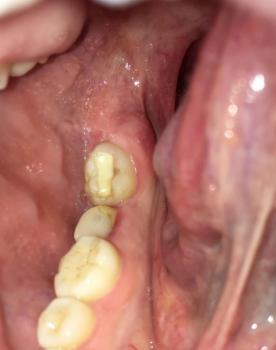
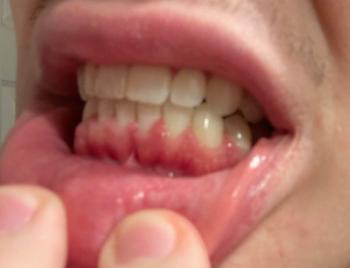
Receding Gums

Gum tissue pulls away from teeth.

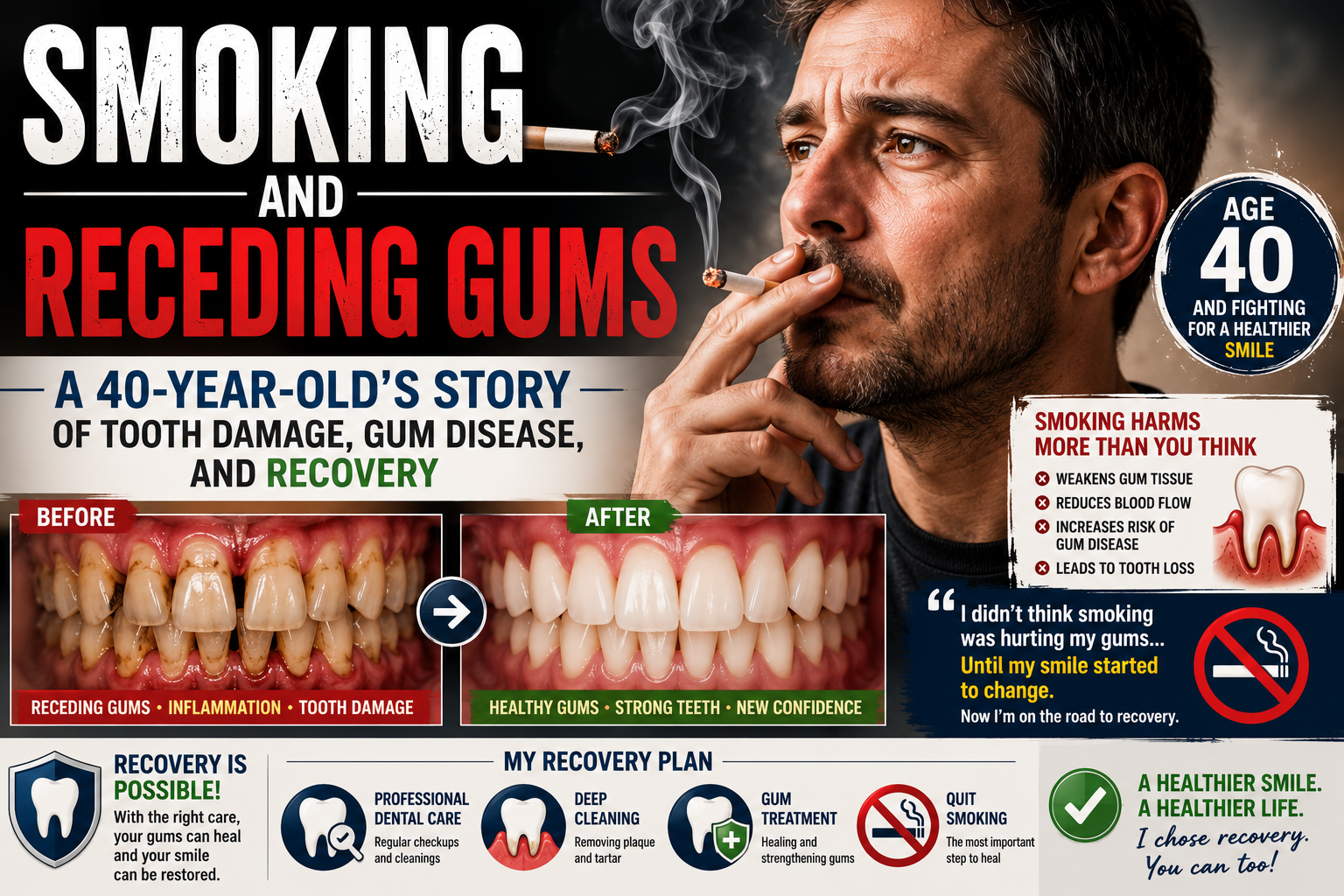
Smoking and Receding Gums: A 40-Year-Old's Story of Tooth Damage, Gum Disease, and Recovery
Topics: 

I’m 40, I Still Smoke, and My Gums Are Receding: My Wake-Up Call to Finally Take My Dental Health Seriously

I never imagined that turning 40 would make me worry more about my teeth than my career, finances, or even getting older. For years, I convinced myself that smoking wasn't affecting my health too much. I told myself that if I wasn't in pain, everything was fine. I brushed most mornings, skipped flossing more often than I should, drank coffee throughout the day, and smoked a pack of cigarettes almost every day.
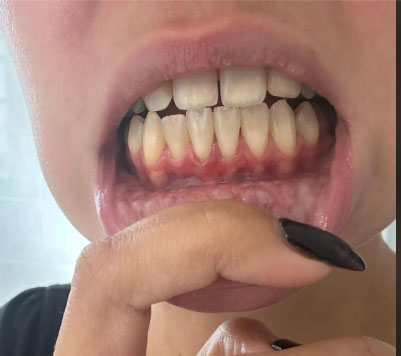
Lower Front Gum Infection and Inflammation Case Analysis

Severity: 

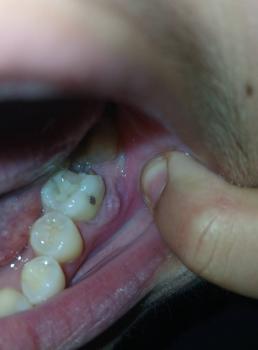
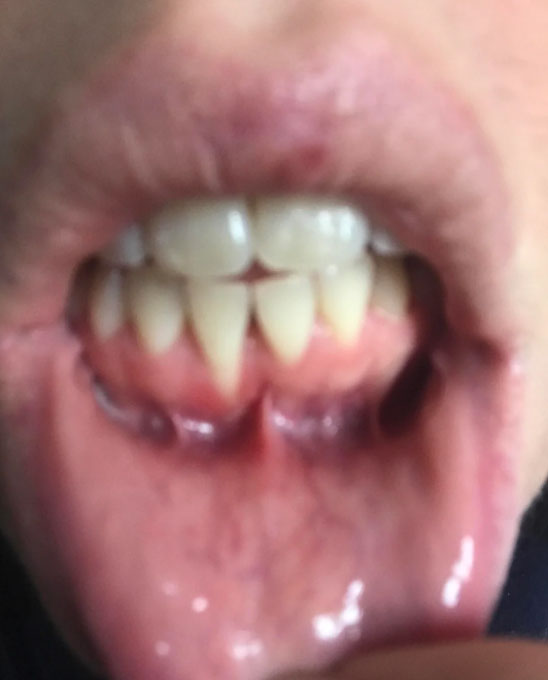
Lower Gum Inflammation, Orthodontic Braces, and Lower Molar Problems

How Lower Gum Inflammation Can Be Connected to Orthodontic Treatment and Lower Molar Health

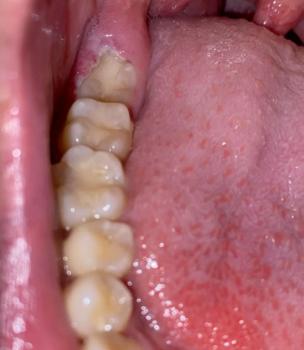
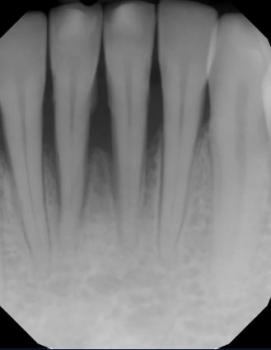
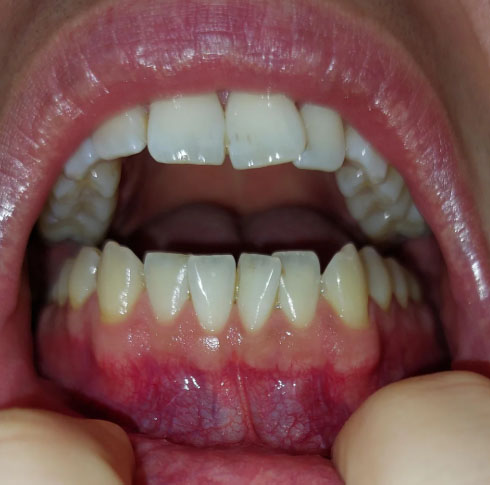
Redness, swelling, and bleeding around the lower front teeth may indicate gingivitis, an early form of gum disease commonly associated with plaque buildup. However, when a patient also has orthodontic braces, crowded teeth, or pain around the lower molars, the dental examination should assess the entire mouth rather than focusing on the visible gum inflammation alone.

Lower Front Gum Inflammation Case Analysis and Healing Timeline

Severity: 

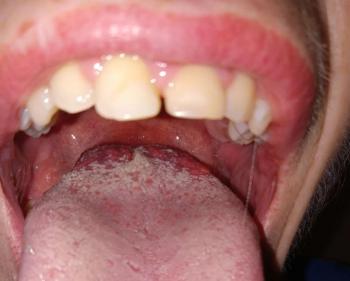
Teeth Case – Full Analysis and Provisional Diagnosis (Zoom 100%)

This assessment is based on a single photographic image. A definitive diagnosis requires an in-person dental examination, periodontal probing, and radiographs if indicated.


1. Visual Findings (Deep Examination)

  • Teeth condition:

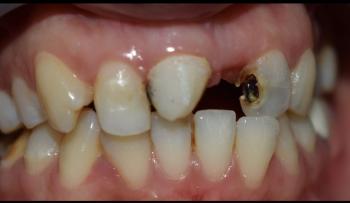
    • No obvious cavities or fractures visible.

Gum Inflammation and Plaque Buildup Treatment | Cebu Dental Implants

Severity: 

Clinical Guide: Plaque-Induced Gingivitis, Gum Inflammation, and Recovery

Understanding the Clinical Findings

Plaque-induced gingivitis is an inflammatory response of the gum tissues to dental plaque, a sticky bacterial biofilm that accumulates around the teeth and along the gumline. When plaque is not removed effectively, the gums may become red, swollen, tender, and prone to bleeding during brushing or flossing.

Pages