From Pain to Perfect — We Care for Your Smile.

Thomas's Story: How Manila's Stress and Traffic Nearly Cost Him More Than His Smile
Language :
Topics:
Thomas's Wake-Up Call: How Manila's Traffic, Stress, and Skyrocketing Costs Nearly Cost Him His Health
The heat was already stifling at 7 a.m. as Thomas inched his car forward along EDSA. His jaw ached, a dull throb he'd grown accustomed to—a side effect of grinding his teeth through two hours of traffic each morning and another two each night. At his side, a half-finished sugary iced coffee sat in the cup holder, his go-to fuel for the gridlock. He swished it around his mouth, the sweet, acidic liquid washing over his already sensitive gums.
Life in Metro Manila was a high-stakes balancing act. As a father of two, every peso was allocated long before it hit his bank account: tuition, rent in their Quezon City apartment, groceries whose prices seemed to climb weekly. In this complex math of survival, his own health had quietly slipped to the very bottom of the list. A twinge in his tooth? Tibayan ang loob, Thomas. Bleeding gums when he brushed? Just press harder. Dental check-ups were a luxury for his children, not an essential for him. His last visit was over five years ago, a memory fading like an old photograph.
The breaking point wasn't dramatic; it was a slow, insistent decline. The dull ache in his jaw became a sharp, persistent pain in a back molar. His gums were now tender and bled at the slightest touch. The constant stress and unhealthy, on-the-go diet—siomai rice, instant noodles, endless caffeine—had taken their toll. A new, frightening study from global researchers gave a name to his silent crisis: he likely had the dangerous combination of gum disease (periodontitis) and untreated dental caries (cavities).
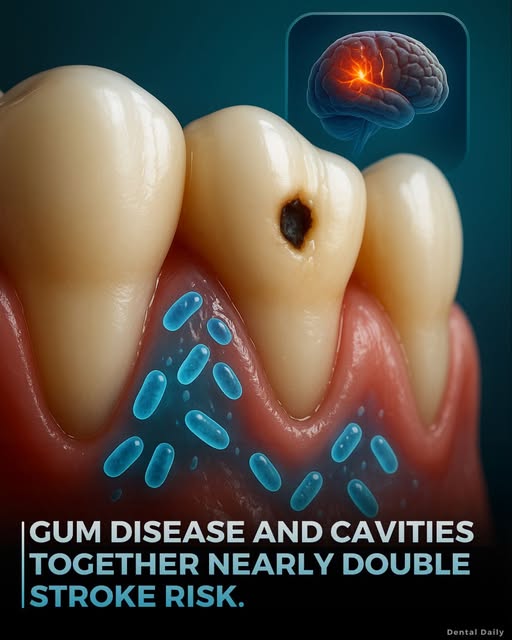
The research presented a chilling reality for millions of Filipinos living with the same pressures. The study found that individuals suffering from both gum disease and cavities had an 86% higher risk of suffering an ischemic stroke compared to those with healthy mouths. Even gum disease alone was linked to a 44% increased stroke risk. Furthermore, this oral health "double threat" was associated with a 36% greater risk of major cardiovascular events, like heart attack.
For Thomas, reading this was a shock that cut through the traffic noise. It wasn't just about a toothache or bad breath anymore. The inflammation festering in his mouth was a direct, measurable threat to his brain and heart—the very engines of his ability to work and provide for his family. The high cost of living was now poised to extract the ultimate price: his life.
The Turning Point: Prevention as the Ultimate Affordability
The same study, however, carried a powerful beacon of hope. It clearly showed that people who visited the dentist regularly had far lower odds of suffering from both conditions. This wasn't about expensive, complex surgery; it was about consistent, preventive care. This was Thomas's way out.
He made a decision that felt radical: he would prioritize prevention. He found a community health center that offered scalable, affordable oral exams. His journey back began with small, manageable steps:
-
The Reality Check Visit: The diagnosis was what he feared: advanced gum disease and two serious cavities. But instead of a crippling bill, the dentist outlined a phased, affordable treatment plan.
-
The New Daily Ritual: He traded his sugary traffic drinks for water. He invested in a proper soft-bristled toothbrush and fluoride toothpaste, mastering the gentle, effective technique his dentist showed him. Flossing became non-negotiable.
-
Lifestyle Shifts: He began packing simple, healthy baon—like boiled eggs and fruit—to avoid unhealthy street food. He downloaded a meditation app to use during traffic jams, consciously unclenching his jaw.
-
Family-Wide Change: He turned his health scare into a family lesson. Dental check-ups for his kids were locked into the budget as a critical line item, not an optional extra.
Beyond the Mouth: A City-Wide Prescription
Thomas's story is a microcosm of Metro Manila. The city's unique pressures create a perfect storm for oral health decline:
-
The Diet-Stress Cycle: Long commutes promote consumption of convenient, sugary, and acidic foods and drinks, which erode enamel and feed cavity-causing bacteria.
-
Chronic Stress: The psychological burden of traffic and financial pressure directly weakens the immune system, making gums more susceptible to infection and slowing healing.
-
The Prevention Gap: In a budget stretched thin, dental care is often the first "non-emergency" expense to be cut, creating a downstream crisis that is far more expensive to treat.
The powerful new research transforms how we must view a dental check-up. It is no longer just a "cleaning." For a city under immense strain, it is a critical, cost-effective form of preventive medicine for stroke and heart disease.
Months later, Thomas sits in the same traffic. The ache in his jaw is gone. His gums are pink and firm. The cost of his phased treatment was less than a single emergency hospital bill for a stroke would have been. He understands now that in the high-stakes economy of Manila life, investing in his oral health wasn't an expense—it was the most important investment he could make in his family's future. His smile, finally free of pain, is not just a sign of health, but of resilience—a quiet victory over the pressures of the city, one brushstroke at a time.
Looking for dentist : Visit directory list
Related Clinical Cases
Patients with lower front gum inflammation may also experience tartar buildup, periodontal disease, gum abscesses, or tooth decay. Explore these related clinical case studies.