Where Bright Smiles Begin.

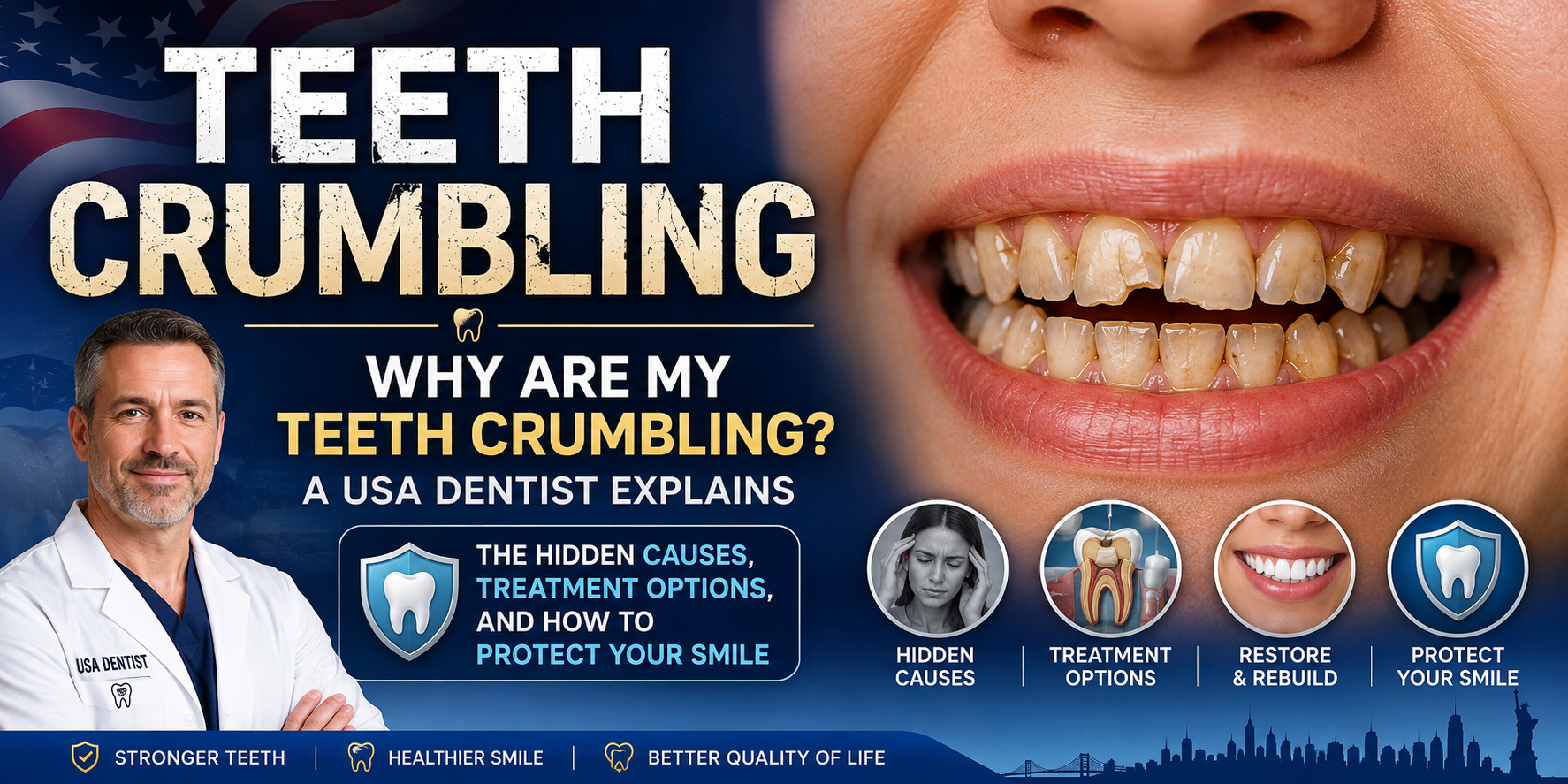
Why Are My Teeth Crumbling? A USA Dentist Explains the Hidden Causes, Treatment Options, and How to Protect Your Smile
Language :
Topics:
One of the most alarming statements I hear from patients is, "Doctor, my teeth seem to be crumbling every day." Some people notice tiny pieces of enamel in the sink after brushing. Others bite into a sandwich or a piece of bread and suddenly discover that part of a tooth has broken away. Occasionally, a patient arrives carrying a fragment of their tooth wrapped in a tissue, worried that they are about to lose several more teeth.
If this sounds familiar, you are not alone.
Crumbling teeth are not a normal part of aging. While teeth naturally experience years of wear from chewing and speaking, healthy teeth should remain strong enough to last a lifetime with proper care. When teeth begin breaking apart, chipping repeatedly, or wearing away much faster than expected, there is usually an underlying dental condition that requires professional evaluation.
The good news is that modern dentistry offers many effective treatments. In many cases, dentists can stop the damage before it progresses to tooth loss. The key is identifying the cause early and taking appropriate action.
In this article, I will explain what crumbling teeth are, why they occur, the warning signs you should never ignore, available treatment options, and practical ways to protect your smile for years to come.
What Does "Crumbling Teeth" Mean?
The phrase crumbling teeth is not an official medical diagnosis, but it is commonly used by patients to describe teeth that seem to:
- Break apart easily
- Chip without significant force
- Develop cracks
- Lose small fragments while chewing
- Wear down rapidly
- Feel softer than they used to
Dentists may instead describe these problems using terms such as:
- Tooth fracture
- Tooth attrition
- Tooth erosion
- Dental caries (tooth decay)
- Enamel loss
- Structural tooth failure
Although these conditions differ, they all share one important feature: the tooth has lost enough strength that its normal structure is no longer stable.
Understanding the Structure of Your Teeth
To understand why teeth crumble, it helps to know how a healthy tooth is built.
Enamel
The outer layer is called enamel.
Enamel is the hardest substance in the human body—even harder than bone. It is designed to withstand decades of chewing pressure, temperature changes, and exposure to food and beverages.
However, enamel has one major limitation.
Unlike skin or bone, enamel cannot regenerate once it has been permanently damaged.
When enamel becomes thinner due to wear, acid, or decay, the body cannot replace it naturally.
Dentin
Beneath the enamel lies dentin.
Dentin is softer than enamel and contains microscopic tubules that communicate with the inner portion of the tooth.
When dentin becomes exposed, patients often experience:
- Cold sensitivity
- Heat sensitivity
- Sweet sensitivity
- Pain while chewing
Because dentin is significantly softer, it wears away much more quickly once enamel protection has been lost.
Dental Pulp
At the center of every tooth is the dental pulp.
This contains:
- Blood vessels
- Nerves
- Connective tissue
If decay or fractures reach the pulp, infection and severe pain often develop. At this stage, a root canal treatment or tooth extraction may become necessary.
Why Do Teeth Crumble?
There is rarely just one cause.
Most patients develop crumbling teeth because several risk factors work together over many years.
Let's examine the most common causes.
1. Tooth Decay Weakens the Entire Tooth
Tooth decay remains one of the leading causes of crumbling teeth.
Many people believe cavities always appear as large, dark holes. In reality, decay often begins silently beneath the surface.
Bacteria in dental plaque consume sugars from food and beverages, producing acids that gradually dissolve tooth minerals.
Over time:
- Enamel becomes weaker.
- Small cavities enlarge.
- Internal tooth structure is destroyed.
- The remaining shell becomes thin.
Eventually, something as simple as chewing toast or biting into fruit may cause part of the tooth to fracture.
Patients are often surprised because they did not experience pain beforehand.
Unfortunately, tooth decay does not always cause symptoms until it becomes extensive.
2. Acid Erosion Slowly Dissolves Enamel
One of the fastest-growing dental problems in America is acid erosion.
Unlike cavities, which involve bacteria, acid erosion occurs when acids directly dissolve enamel.
Common sources include:
Soft Drinks
Regular soda contains significant amounts of phosphoric acid and citric acid.
Frequent exposure softens enamel and accelerates wear.
Sports Drinks
Many athletes believe sports drinks are healthier than soda.
Unfortunately, many sports beverages are highly acidic and may expose teeth to prolonged acid attacks during workouts.
Citrus Fruits
Lemons
Limes
Grapefruits
Oranges
These fruits contain natural acids that are healthy in moderation but may contribute to enamel erosion if consumed frequently throughout the day.
Acid Reflux (GERD)
Patients with gastroesophageal reflux disease often experience stomach acid repeatedly reaching the mouth.
Stomach acid is extremely corrosive.
Repeated exposure can gradually dissolve enamel, especially on the inside surfaces of the upper teeth.
Some patients are unaware they have reflux until a dentist notices characteristic erosion patterns.
Frequent Vomiting
Conditions involving repeated vomiting expose teeth to powerful stomach acids.
Examples include:
- Pregnancy-related morning sickness
- Eating disorders
- Certain gastrointestinal illnesses
Because stomach acid has a very low pH, it can rapidly weaken enamel over time.
3. Teeth Grinding (Bruxism)
Many patients grind their teeth without realizing it.
This condition is called bruxism.
Grinding often occurs during sleep, meaning patients remain unaware until a spouse hears the grinding sounds or a dentist observes excessive wear.
Bruxism places tremendous pressure on teeth.
During sleep, biting forces may exceed those generated while eating.
Over months and years, grinding can produce:
- Tiny enamel cracks
- Flattened chewing surfaces
- Chipped teeth
- Fractured fillings
- Broken crowns
- Jaw soreness
- Headaches upon waking
As these microscopic cracks enlarge, pieces of the tooth may eventually break away during normal chewing.
A custom-made night guard is often recommended to reduce further damage.
4. Large, Aging Fillings Can Weaken Teeth
Many adults have silver-colored amalgam fillings that were placed decades ago.
These restorations often perform well for many years.
However, over time:
- The filling may expand and contract with temperature changes.
- Small cracks can develop around the filling.
- The remaining natural tooth becomes thinner.
Eventually, the unsupported portions of the tooth may fracture.
In these situations, your dentist may recommend replacing the old filling with a dental crown to provide additional strength and protection.
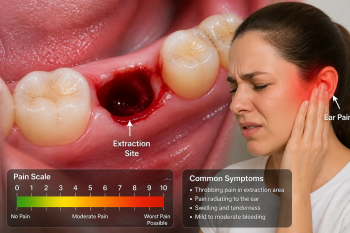
Can tooth extraction cause infection? Mild inflammation is normal, but increasing swelling, fever, or severe pain may indicate infection. Learn more about post-extraction infection warning signs in this detailed guide.
Book a consultation with our Cebu dental specialists for proper evaluation and care.
Ready to get expert guidance?
If you’re experiencing severe pain or delayed healing, book a consultation with our Cebu dental specialists to get proper evaluation and care.
Consultation or contact page .
Book a Consultation
For severe discomfort or delayed healing, book a consultation with our Cebu dental specialists today.
Looking for a dentist? Browse our Cebu dental directory to find trusted clinics near you.
Medical Review and Clinical Basis
This article is based on clinical dental guidelines and real patient recovery patterns observed after tooth extraction procedures. The information reflects common post-extraction healing stages, including normal clot formation, gum tissue repair, and signs of possible complications such as dry socket or infection.
While mild discomfort is expected after a dental extraction, worsening pain after Day 3, bad odor, exposed bone, or spreading pain may require professional evaluation. These symptoms are consistent with known post-extraction complications described in standard dental practice.
About Cebu Dental Implants
Cebu Dental Implants provides comprehensive tooth extraction, surgical procedures, and dental implant services in the Philippines. Our team evaluates post-extraction healing, manages complications such as dry socket, and advises patients on proper aftercare to prevent infection and delayed healing.
If you experience severe pain or unusual symptoms after extraction, early professional assessment is recommended to prevent further complications.
Important Medical Disclaimer
This content is for educational purposes only and does not replace professional dental diagnosis. Every patient heals differently. If symptoms worsen or do not improve within a few days, consult a licensed dentist for proper evaluation and treatment.
Author
This article was prepared by the Cebu Dental Implants content team in consultation with licensed dental professionals experienced in tooth extraction and implant procedures.
Related Clinical Cases
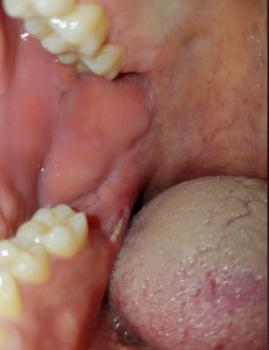
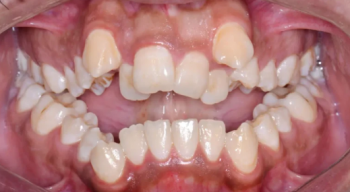
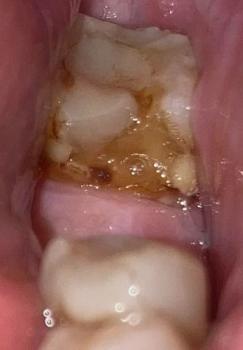
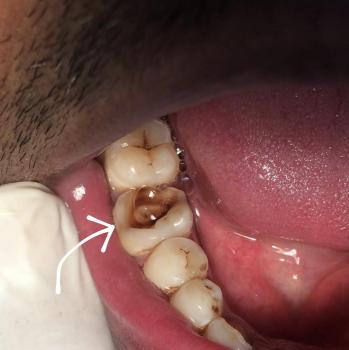
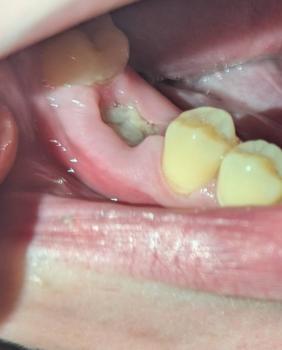
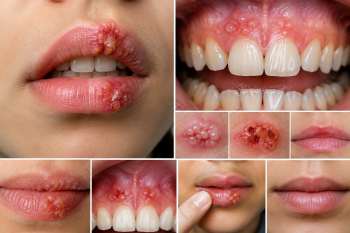
Patients with lower front gum inflammation may also experience tartar buildup, periodontal disease, gum abscesses, or tooth decay. Explore these related clinical case studies.
Other topics:
Other Dental Clinic