Healthy Teeth, Happy Life.

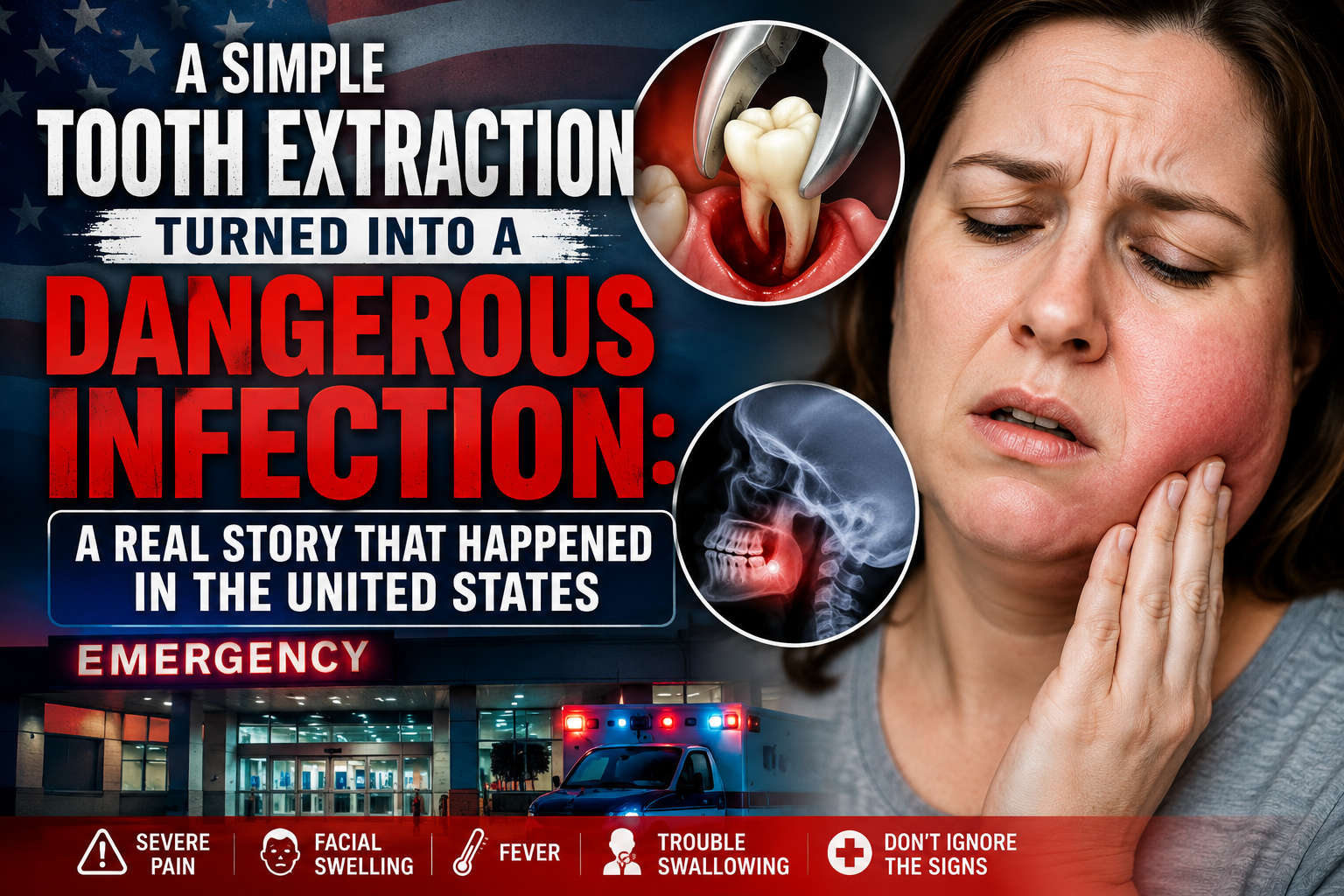
A Simple Tooth Extraction Turned Into a Dangerous Infection: A Real Story That Happened in the United States
Language :
Topics:
Most people believe that once a tooth is removed, the hard part is over. For millions of Americans every year, that is true. The discomfort usually improves within a few days, and the extraction site heals without any major problems.
However, for one woman in the United States, what started as an ordinary tooth extraction nearly became a life-threatening medical emergency.
Her story reminds us why it is important to know the difference between normal healing pain and the warning signs of a serious dental infection.
For more information about normal recovery after tooth removal, visit:
An Ordinary Dental Appointment
Sarah (name changed for privacy), a 42-year-old office worker from Texas, had suffered from severe pain in one of her lower molars for several weeks.
Her dentist explained that the tooth was badly infected and could not be saved. The best treatment was extraction.
The procedure went smoothly.
She was given instructions to:
- Rest for 24 hours
- Avoid smoking
- Eat soft foods
- Keep the extraction site clean
- Take prescribed medications
Everything seemed perfectly normal.
The First Two Days
During the first 48 hours, Sarah experienced:
- Mild swelling
- Bleeding that stopped after several hours
- Difficulty chewing
- Soreness around the extraction site
These symptoms were exactly what her dentist had expected.
She believed she was healing normally.
Something Didn't Feel Right
By the third day, instead of improving, the pain became worse.
She noticed:
- Pain spreading into her jaw
- Throbbing discomfort
- A foul taste in her mouth
- Bad breath
She assumed this was simply part of healing.
Instead of calling her dentist, she continued taking over-the-counter pain medication.
Day Five Became Worse
When Sarah woke up on the fifth morning, she immediately knew something had changed.
Her face looked swollen.
The swelling extended from her jaw toward her cheek.
She also had:
- Trouble opening her mouth
- Pain while swallowing
- Fever
- Fatigue
She still believed antibiotics simply needed more time to work.
Unfortunately, the infection was spreading beyond the tooth socket.
The Emergency Room Visit
Later that evening, Sarah developed increasing difficulty swallowing.
Her husband became concerned after noticing she was speaking differently and looked extremely uncomfortable.
They decided not to wait until morning.
Instead of visiting a dental office, they drove directly to the nearest emergency department.
Doctors immediately ordered imaging scans.
The diagnosis shocked everyone.
The infection had spread into the deep tissues of her face and neck.
Without immediate treatment, her airway could eventually become blocked.
Hospital Treatment
Sarah was admitted to the hospital immediately.
Doctors began:
- Intravenous antibiotics
- Pain management
- Fluid replacement
- Continuous monitoring
An oral and maxillofacial surgeon evaluated the infection.
Because pus had collected beneath the tissues, emergency drainage surgery was required.
The procedure relieved pressure and allowed the infection to begin resolving.
Several Days in the Hospital
Sarah remained hospitalized for nearly a week.
Each day, doctors monitored:
- Temperature
- White blood cell count
- Swelling
- Airway stability
- Response to antibiotics
Fortunately, the infection responded well.
The swelling slowly decreased.
Her fever disappeared.
She eventually returned home with oral antibiotics and follow-up appointments.
What Went Wrong?
According to her doctors, several warning signs appeared before the infection became dangerous.
These included:
Pain That Became Worse
Normal extraction pain usually improves after two or three days.
Sarah's pain continued getting worse.
That was the first warning sign.
Increasing Swelling
Small swelling is common.
Rapidly increasing swelling after several days is not.
Fever
A fever often means the body is fighting an active infection.
Difficulty Swallowing
This symptom should never be ignored.
It may indicate that swelling is spreading into the neck.
Bad Taste and Bad Breath
These may suggest infection or drainage from the extraction site.
Why Tooth Infections Can Become Dangerous
The roots of lower molars sit close to spaces that connect the jaw, face, and neck.
When bacteria escape into these tissues, they can spread surprisingly quickly.
If untreated, severe dental infections may cause:
- Facial cellulitis
- Deep neck infections
- Bone infection
- Bloodstream infection (sepsis)
- Airway obstruction
Although uncommon, these complications can become life-threatening.
Warning Signs That Need Immediate Medical Attention
Contact your dentist or go to the emergency room immediately if you develop:
- Swelling that rapidly increases
- Difficulty swallowing
- Difficulty breathing
- Fever above 101°F (38.3°C)
- Pus draining from the extraction site
- Severe pain that continues getting worse
- Inability to open the mouth normally
- Swelling extending into the neck or under the jaw
These symptoms should never be ignored.
What Most Patients Experience Instead
Fortunately, serious infections like Sarah's are uncommon.
Most patients recover with:
- Mild discomfort
- Swelling for two to three days
- Gradual improvement
- Complete healing within several weeks
Knowing what is normal—and what is not—helps patients seek treatment before complications develop.
Lessons From Sarah's Story
Sarah later shared that she wished she had called her dentist sooner.
She assumed worsening pain was simply part of healing.
Looking back, she realized several warning signs had appeared days before her emergency hospitalization.
Today, she encourages anyone recovering from a tooth extraction to trust their instincts.
If something feels significantly worse instead of better, it deserves professional evaluation.
Final Thoughts
Tooth extractions are among the safest and most common dental procedures performed in the United States. Most people heal without complications.
However, pain that continues to worsen, increasing facial swelling, fever, difficulty swallowing, or trouble breathing are not normal signs of healing. These symptoms require prompt evaluation by a dentist or emergency medical team.
Recognizing these warning signs early can prevent a routine dental procedure from becoming a medical emergency.
If you recently had a tooth removed and are unsure whether your symptoms are part of normal healing, read our detailed guide:
Can tooth extraction cause infection? Mild inflammation is normal, but increasing swelling, fever, or severe pain may indicate infection. Learn more about post-extraction infection warning signs in this detailed guide.
Book a consultation with our Cebu dental specialists for proper evaluation and care.
Ready to get expert guidance?
If you’re experiencing severe pain or delayed healing, book a consultation with our Cebu dental specialists to get proper evaluation and care.
Consultation or contact page .
Book a Consultation
For severe discomfort or delayed healing, book a consultation with our Cebu dental specialists today.
Looking for a dentist? Browse our Cebu dental directory to find trusted clinics near you.
Medical Review and Clinical Basis
This article is based on clinical dental guidelines and real patient recovery patterns observed after tooth extraction procedures. The information reflects common post-extraction healing stages, including normal clot formation, gum tissue repair, and signs of possible complications such as dry socket or infection.
While mild discomfort is expected after a dental extraction, worsening pain after Day 3, bad odor, exposed bone, or spreading pain may require professional evaluation. These symptoms are consistent with known post-extraction complications described in standard dental practice.
About Cebu Dental Implants
Cebu Dental Implants provides comprehensive tooth extraction, surgical procedures, and dental implant services in the Philippines. Our team evaluates post-extraction healing, manages complications such as dry socket, and advises patients on proper aftercare to prevent infection and delayed healing.
If you experience severe pain or unusual symptoms after extraction, early professional assessment is recommended to prevent further complications.
Important Medical Disclaimer
This content is for educational purposes only and does not replace professional dental diagnosis. Every patient heals differently. If symptoms worsen or do not improve within a few days, consult a licensed dentist for proper evaluation and treatment.
Author
This article was prepared by the Cebu Dental Implants content team in consultation with licensed dental professionals experienced in tooth extraction and implant procedures.
Related Clinical Cases
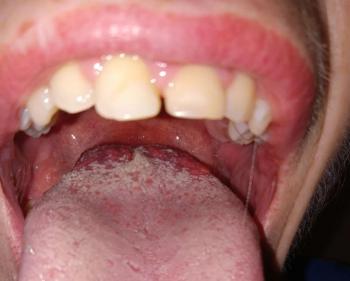
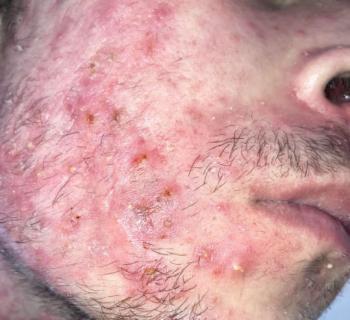
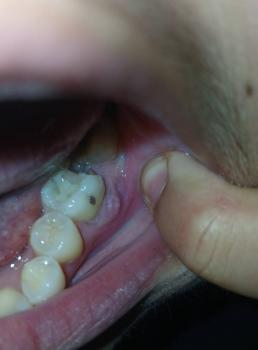
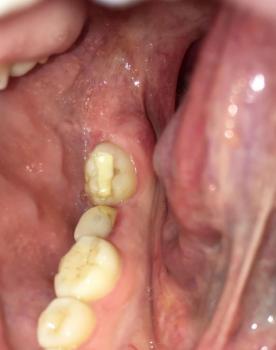
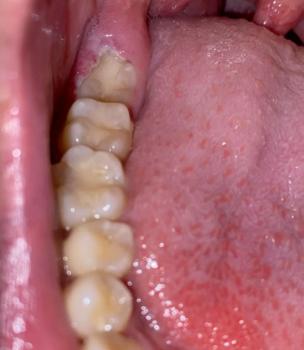
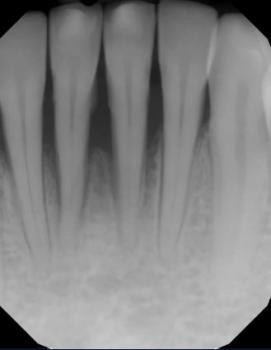
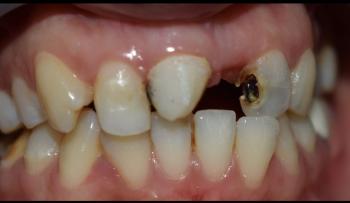
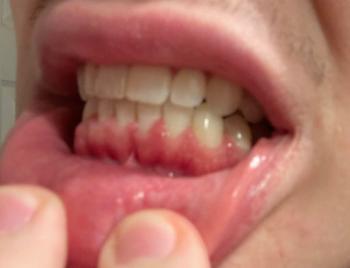
Patients with lower front gum inflammation may also experience tartar buildup, periodontal disease, gum abscesses, or tooth decay. Explore these related clinical case studies.
Other topics:
Other Dental Clinic