Where Bright Smiles Begin.

The Manila Dental Drought: When Stress and Shortages Collide in Oral Healthcare
Language :
Topics:
The Silent Epidemic: How Stress in Manila is Creating a Dental Health Crisis
If you've recently tried to book a dental appointment in Metro Manila, you know the feeling: long wait times, fully booked schedules for months, and a sense that getting care is becoming harder than ever. Behind this everyday frustration lies a complex and growing public health crisis where two seemingly separate issues—a severe shortage of dental professionals and alarmingly high levels of stress and mental distress—are converging to impact the oral health of millions.
While our previous exploration of 400-year-old dentures reminds us that dental ingenuity is ancient, the modern challenge is not a lack of solutions, but a systemic shortage of the very people who provide them.
The Stark Numbers: A Nation with Too Few Dentists
The scale of the dental professional shortage is staggering. For a population of over 110 million people, the Philippines has only an estimated 4,200 practicing dentists. This critically low ratio is a fundamental constraint, one that the Department of Health has explicitly recognized.
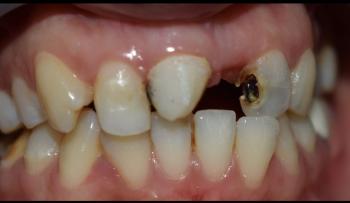
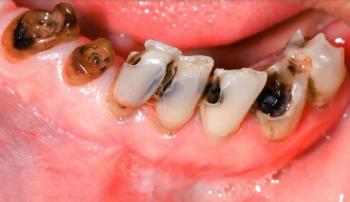
This shortage is not just an inconvenience; it directly fuels a silent epidemic of untreated dental disease. The latest national data reveals that 87.4% of Filipinos suffer from tooth decay or cavities. For many, especially in lower-income households, professional care remains out of reach, leading to reliance on alternative methods like saltwater gargles or baking soda for cleaning. The result is that preventable and treatable conditions are often left to progress, causing pain, infection, and a diminished quality of life.
The Stress Connection: When Mental Health Becomes a Dental Issue
Simultaneously, the mental health landscape paints a picture of a population under immense pressure. Mental illness is the third most prevalent form of morbidity in the country, with anxiety and depression being the most common conditions.
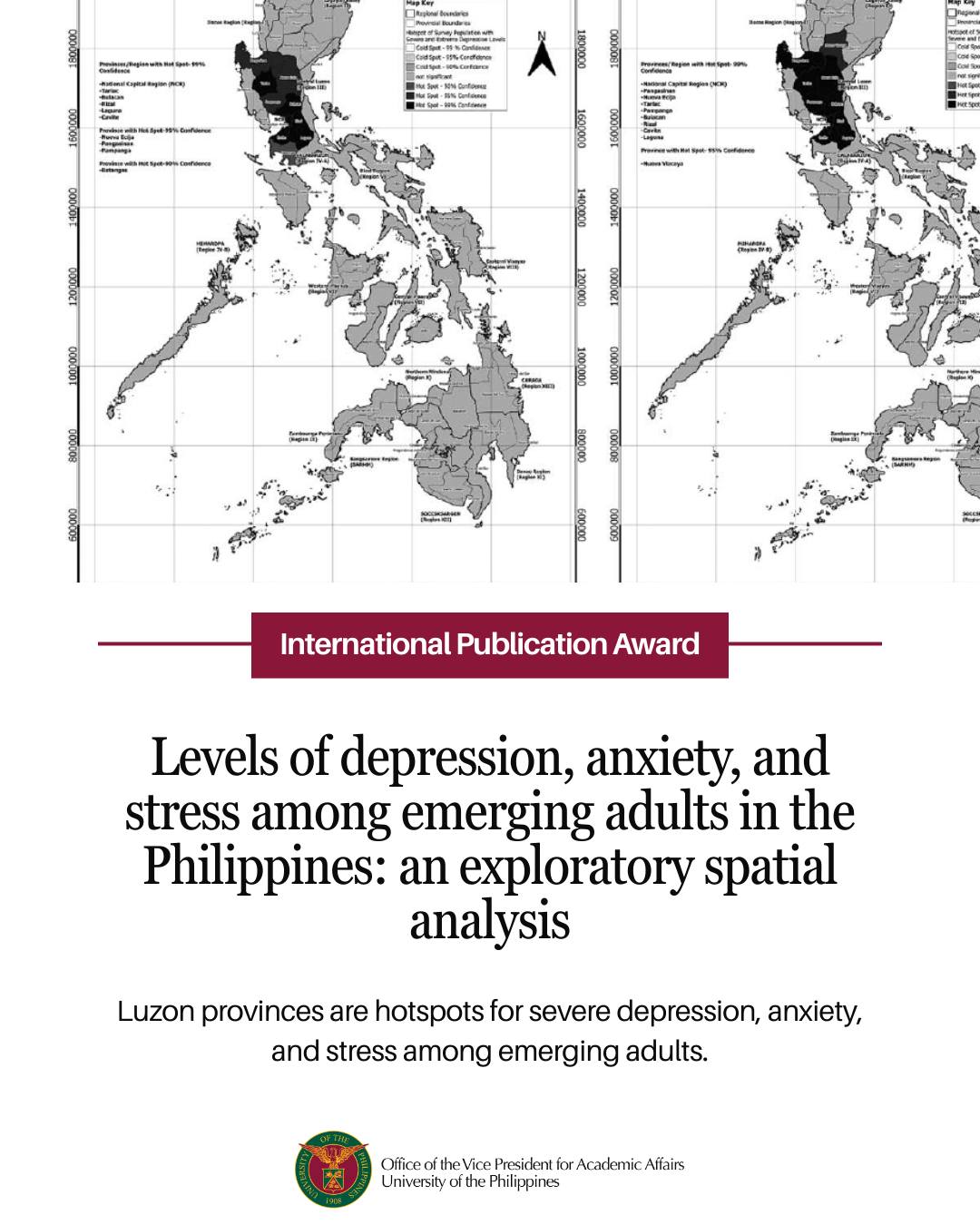
Recent, groundbreaking research using geographic mapping has identified specific "hotspots" for severe depression, anxiety, and stress among young adults (18-29 years old) in Luzon. These areas include Bulacan, Rizal, Laguna, Cavite, and the National Capital Region (NCR)—provinces that form the bustling economic and residential belt around and including Metro Manila.
This chronic stress creates a vicious cycle for oral health:
-
Physiological Impact: Stress can lead to teeth grinding (bruxism), which wears down enamel and causes jaw pain. It also weakens the immune system, making gums more susceptible to inflammation and periodontal disease.
-
Behavioral Impact: High stress often correlates with poor health habits—neglecting oral hygiene, consuming more sugary foods and drinks, and delaying or avoiding dental visits due to cost or overwhelm
-
A Bidirectional Relationship: Just as stress worsens oral health, the pain, embarrassment, or financial burden of dental problems can significantly worsen an individual's anxiety, depression, and overall stress levels.
A System Under Strain: Why the Shortage Persists
The dental care system is caught in a perfect storm of high demand and limited capacity.
-
Overwhelming Demand: The combination of near-universal dental disease and a large, aging population has created a demand for services that the current workforce simply cannot meet
-
Global Industry Challenges: The dental sector worldwide faces severe staffing shortages, rising costs, and difficulties integrating new technologies—all of which are felt acutely in the Philippine context
-
Access and Perception Barriers: Despite the Universal Health Care Act, dental services are often still perceived as expensive, deterring regular check-ups
Pathways Forward: Bridging the Gap
Addressing this dual crisis requires targeted, systemic interventions:
-
Invest in Workforce Expansion: A critical priority must be to support and fund more training programs for dentists, dental hygienists, and assistants to build the pipeline of future professionals
-
Integrate Care and Public Health Strategies: Community-based programs, like the school-based fluoride varnish application initiative, are vital for preventionFurthermore, integrating basic oral health screening and education into primary care and mental health programs can create early intervention points.
-
Leverage Technology and Task-Sharing: Exploring teledentistry for consultations and training primary care or community health workers in basic oral health promotion can help extend the reach of overstretched specialists
-
Destigmatize and Prioritize Holistic Health: Public health campaigns must continue to frame oral health as an essential component of overall well-being, connected directly to mental and physical health, to encourage timely care-seeking.
The long wait for a dentist's appointment in Manila is more than a personal hassle; it is a symptom of a larger public health emergency. It reflects a nation where the need for care vastly outpaces the supply of providers, and where the daily pressures of modern life are actively eroding population health from the inside out.
While the challenges are significant, they are not insurmountable. By recognizing the intrinsic link between our collective stress and our collective dental health, by investing in the future dental workforce, and by building smarter, more integrated public health systems, we can begin to turn the tide. The goal is a future where quality oral healthcare is accessible, where prevention is prioritized, and where a healthy smile is not a luxury, but a standard of well-being for all Filipinos.
If you found this analysis insightful and are interested in the global trends shaping dentistry, such as the impact of AI, 3D printing, and other technological innovations mentioned earlier, please let me know. I would be happy to explore that topic in a future post.
Looking for dentist : Visit directory list
Related Clinical Cases
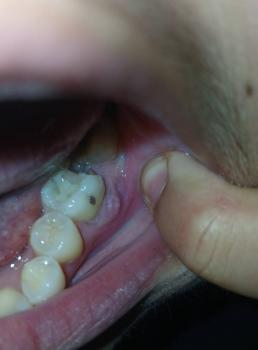
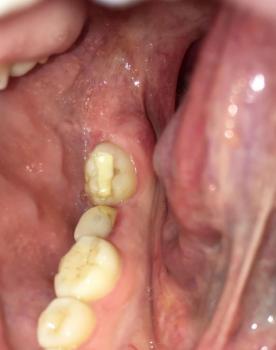
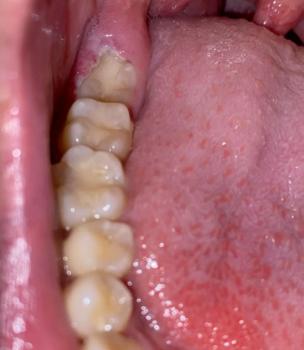
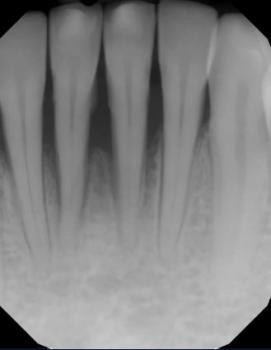
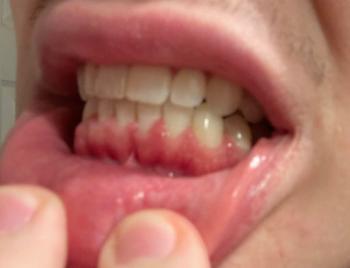
Patients with lower front gum inflammation may also experience tartar buildup, periodontal disease, gum abscesses, or tooth decay. Explore these related clinical case studies.