Other topics:

Tooth Wear: How Your Teeth Show the Signs of Time

Your teeth work hard every day. They chew food, help you speak, and flash your smile. But just like the tread on your car tires or the soles of your favorite shoes, your teeth can show signs of wear over time. This is called tooth wear, and it happens to almost everyone as they age. The good news is that you can spot it early and slow it down.

What Does Tooth Wear Look Like?

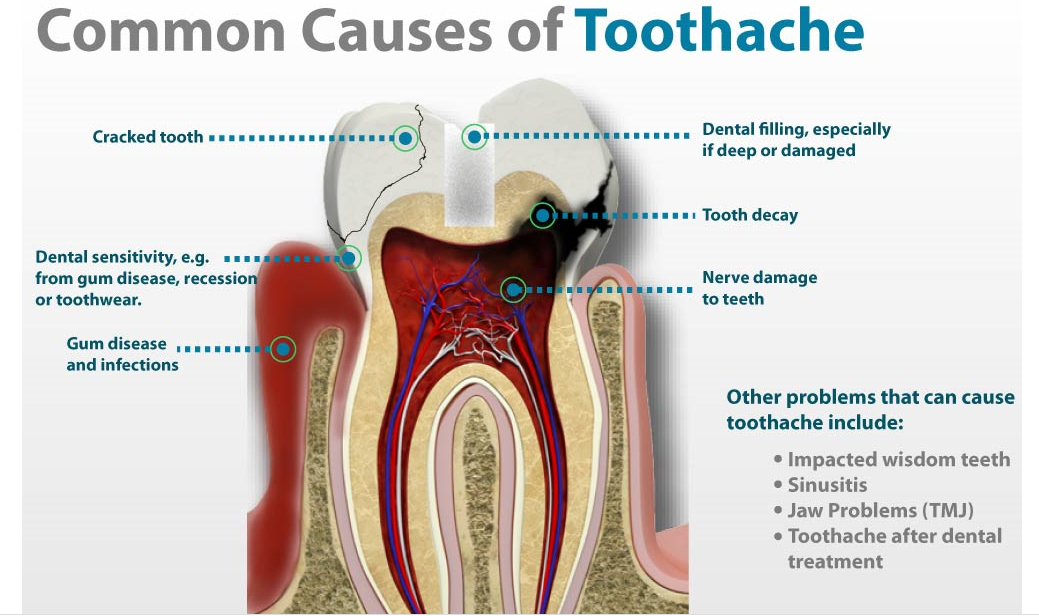
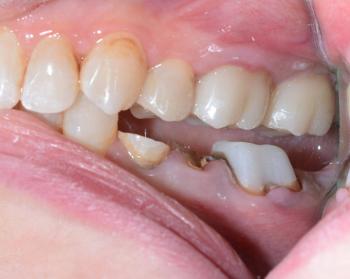
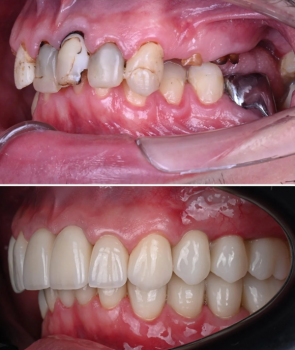
Tooth wear is not the same as a cavity or a broken tooth. It is a slow, gradual process. You might notice:

  • Your front teeth look slightly shorter or have a flat, straight edgee.

How to Never Have Bad Breath Again - Dentist Secrets for 24/7 Freshness

"When I kiss my wife, she tells me my breath smells bad. Do you think my teeth have bad breath every morning because I keep my mouth closed all day?"

If this sounds familiar, you're not alone. Bad breath (halitosis) is a common issue, but the good news is that it’s usually preventable with the right oral care routine. Let’s explore expert-backed tips to keep your breath fresh all day—so you can kiss, talk, and smile with confidence.

Dental Tourism in the Philippines: Safety, Standards, and What to Expect

A Clear, Practical Guide from a Philippine Dental Advisor

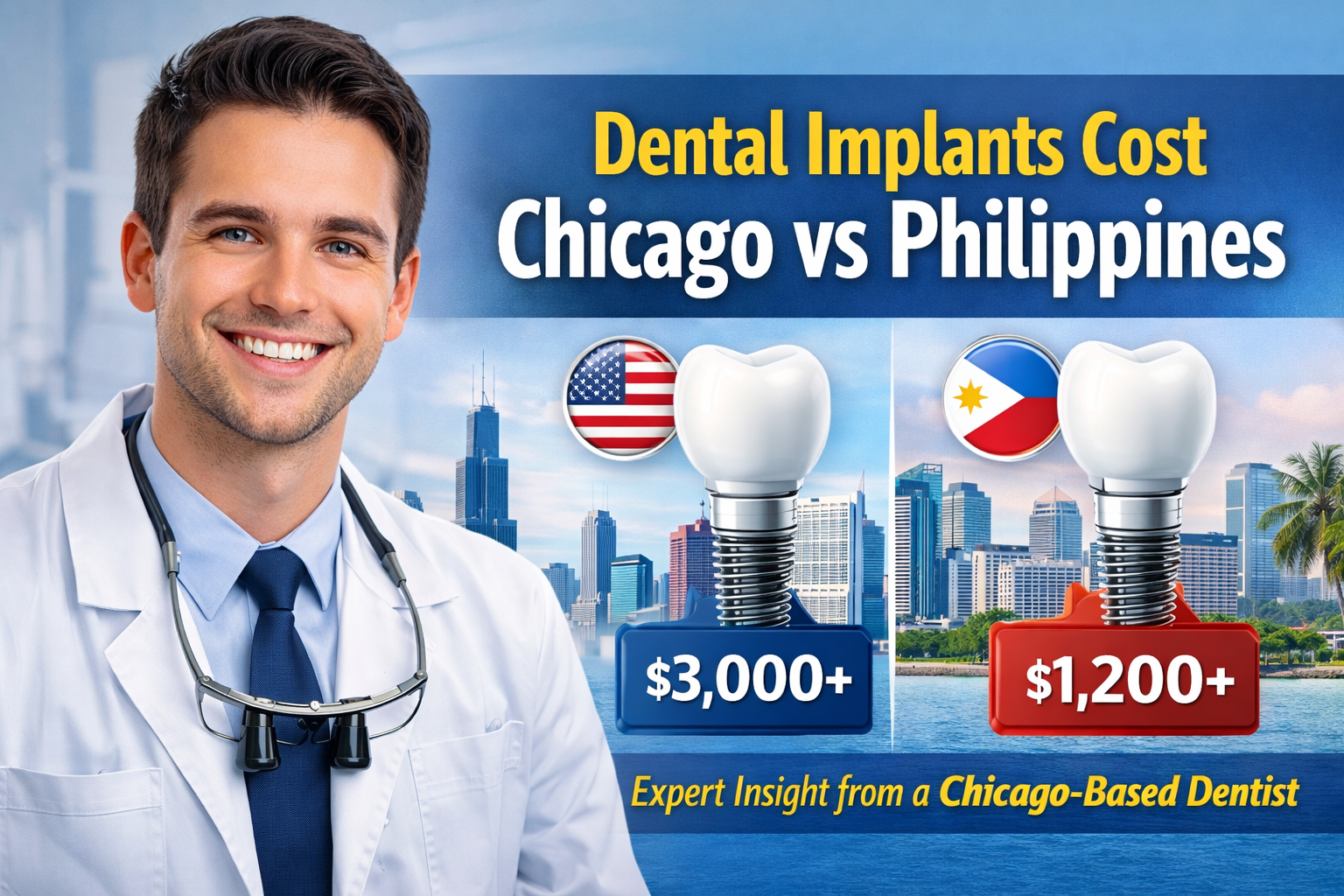
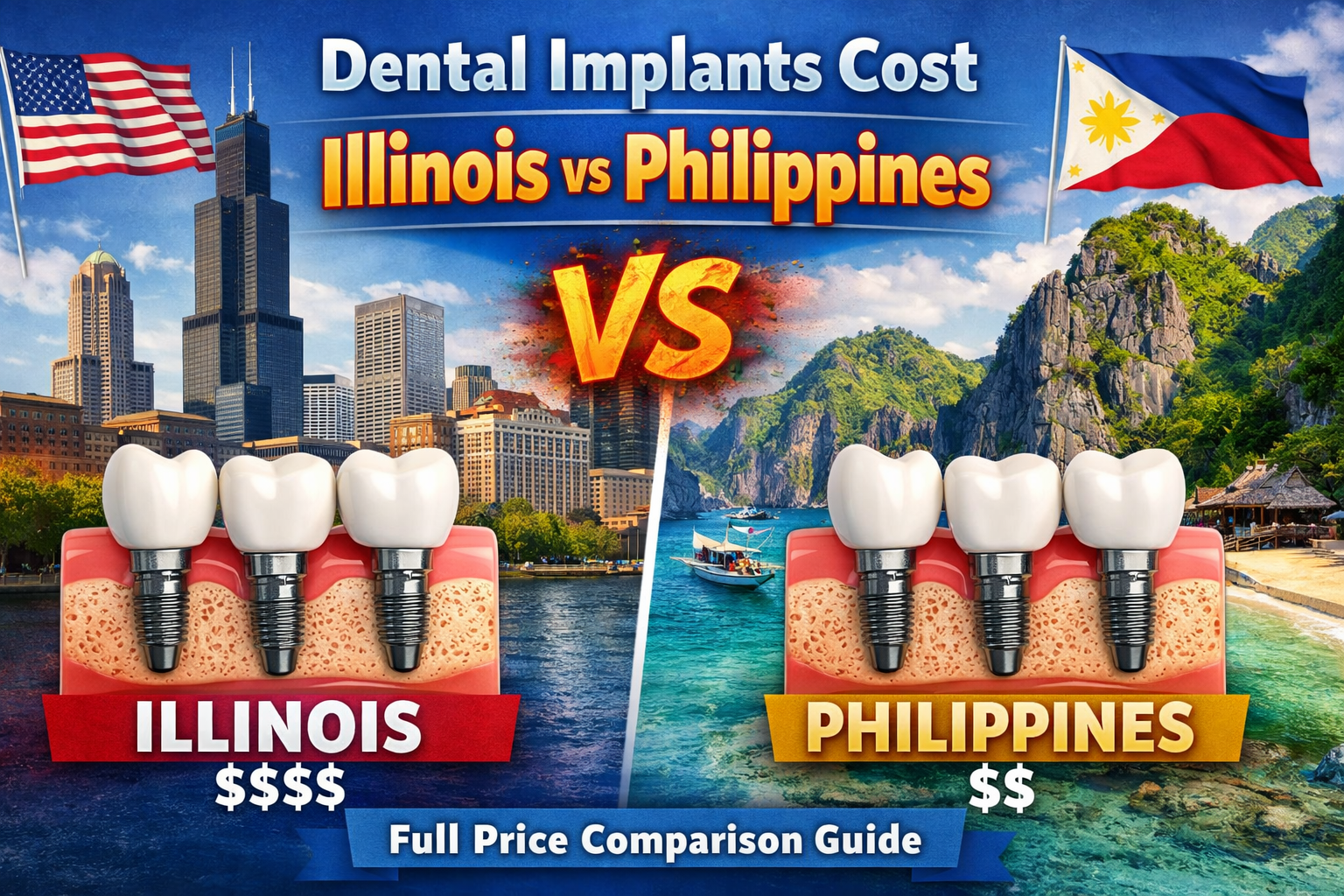
Dental tourism in the Philippines is growing quickly—and for good reason. Patients from the United States, Canada, Australia, and the UK are traveling here for procedures like dental implants, crowns, and veneers at significantly lower costs.

But the most important question remains:

“Is dental treatment in the Philippines actually safe?”

If a Deadly Virus Scales in 2026: Dental Clinic Protocol Explained

Topics: 

If a Deadly Virus Scales in 2026: What Is the Dental Clinic Protocol?

Why Global Health Concerns Are Rising Again

Just weeks into 2026, global anxieties are rising as health authorities across Asia tighten airport screenings due to concerns over Nipah virus, a pathogen classified by the World Health Organization as a priority threat.

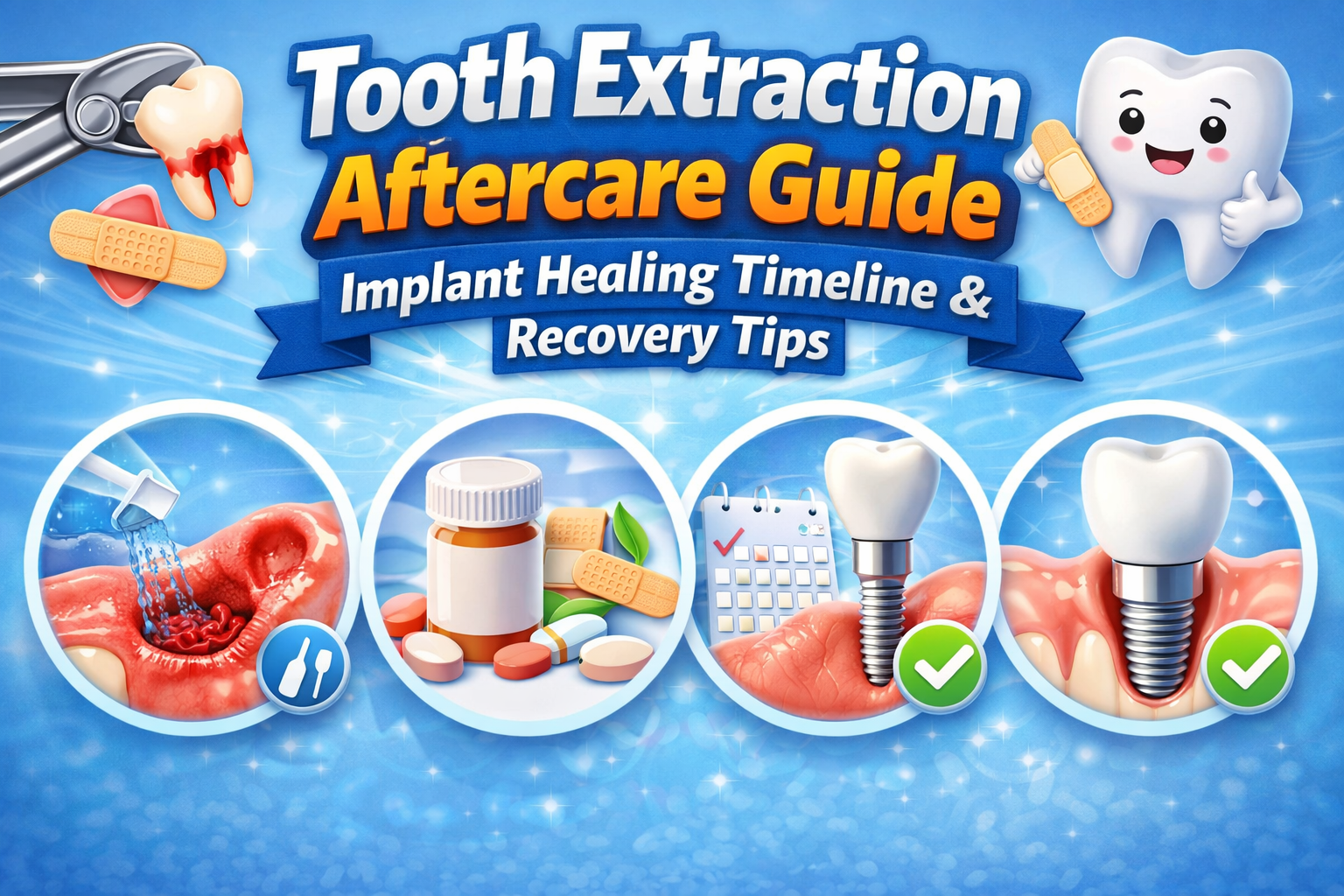
Tooth Extraction Recovery Guide (Healing, Pain, Aftercare & Complications)

Topics: 

Tooth Extraction Recovery Guide 

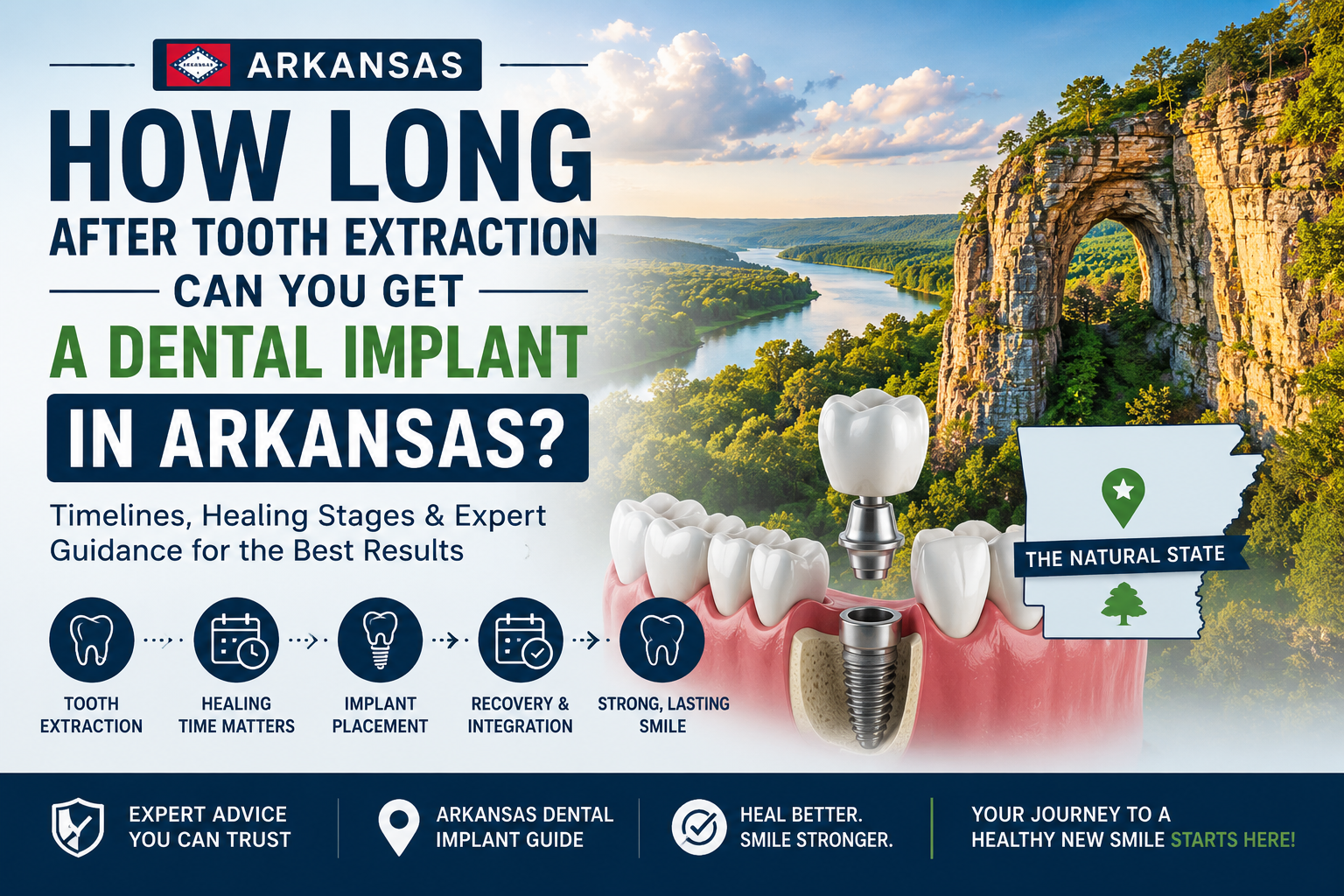
Tooth extraction is a common dental procedure, but proper care is important for smooth healing. Understanding what happens after extraction helps reduce fear and prevent complications.


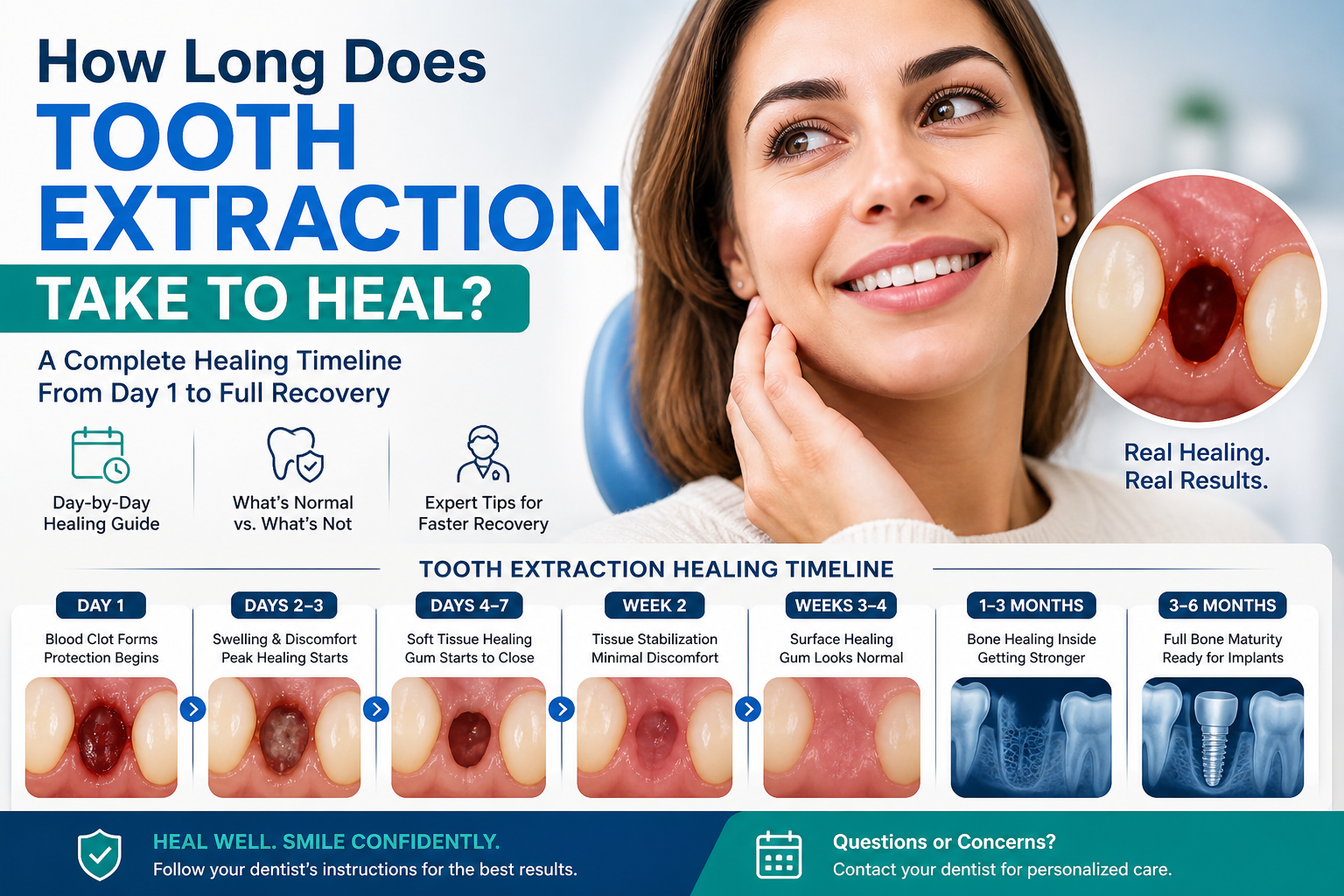
Tooth Extraction Healing Stages Day by Day

Healing begins right after the tooth is removed. On Day 1, a blood clot forms to protect the bone. This is very important.

By Day 2–3, swelling and mild pain are normal. The body starts repairing the tissue. Pain should slowly improve, not get worse.

Why You Need a Root Canal: From Simple Filling to Saving Your Tooth

What Happened

Your tooth started with a small cavity that could have been repaired with a normal filling. But when dental decay is left untreated, bacteria multiply rapidly and spread deeper into the tooth — from the hard enamel layer, through the dentin, and finally into the pulp (nerve).

Never Underestimate Baby Teeth: Why Cavities in Primary Teeth Are a Big Deal

Never Underestimate Baby Teeth: Why Cavities in Primary Teeth Are a Big Deal

It’s a scene familiar to many parents: a wiggly baby tooth, a thread, and a triumphant visit from the Tooth Fairy. Because these tiny teeth are temporary, a common misconception has taken root: that decay in them doesn’t matter. After all, they’ll just fall out, right?

Unsay different sa dental implant og mini implant ?

What is the different of using dental implant and a mini implant?
A dental implant is when we use a medical grade post that is inserted into your bone. Mini-dental implants are best used to help anchor a denture if a patient is having difficulty keeping the denture. If a patient is looking to replace a single lost tooth, a traditional dental implant is the best choice. Ang traditional dagko implant nga mas ok kaysa mini.

More Than a Smile: The Unseen Power in Our Teeth

Topics: 

We often think of teeth in terms of their obvious jobs: chewing our food, helping us speak clearly, and flashing a confident smile. We admire them for their pearly whiteness and strive to keep them cavity-free. But what if we told you that the true power of a tooth lies far deeper than its enamel surface? What if a tooth could be the key to restoring one of our most precious senses: sight?

It sounds like something from a science fiction novel, but for one man from British Columbia, it is a miraculous reality.

Pages