Healthy Teeth, Happy Life.

The Unseen Youth Epidemic in Toronto: When Dry Mouth Threatens Smiles
Language :
Topics:
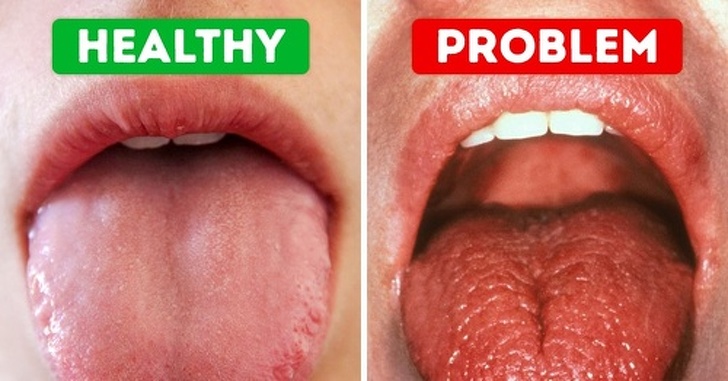
For Toronto's youth, navigating the vibrant yet demanding cityscape often comes with hidden health challenges. Among these is a quiet but destructive condition: chronic dry mouth, or xerostomia. Far from a simple inconvenience, a persistent lack of saliva is a major risk factor for rapid dental decay, and for a segment of young Torontonians, it's intricately linked to broader health journeys, including living with HIV or managing certain medications.
Why Saliva is Your Mouth's Superhero
Saliva is the unsung hero of oral health. It's not just water; it's a complex fluid that acts as a:
-
Natural Cleanser: It constantly washes away food particles and sugars that feed cavity-causing bacteria.
-
Acid Neutralizer: It buffers acids produced by bacteria and from our diet, protecting tooth enamel from erosion.
-
Remineralizing Agent: It delivers calcium and phosphate to teeth, helping to repair early decay before it becomes a cavity.
-
Antibacterial Shield: It contains enzymes and antibodies that control bacterial growth.
When saliva flow is reduced, this multi-layered defense system collapses. The result is an environment where rampant, aggressive tooth decay can take hold with startling speed, often at the gum line and around existing fillings—a condition sometimes called "caries blast."
The Toronto Connection: HIV, Medications, and Youth Health
For young adults in Toronto, two significant factors can lead to chronic dry mouth:
-
HIV and the Immune System: While modern Antiretroviral Therapy (ART) allows people with HIV to live long, healthy lives, both the virus and some medications can affect the salivary glands, reducing flow. This makes meticulous oral care and regular dental visits non-negotiable for maintaining health.
-
Common Medications: Many medications prescribed for conditions prevalent among youth—such as those for anxiety, depression, ADHD, and allergies—list dry mouth as a common side effect.
The issue is compounded by lifestyle factors common in a fast-paced city: caffeine from coffee and energy drinks, recreational cannabis use (which is also a known cause of dry mouth), and breathing through the mouth due to stress or allergies.
A Young Torontonian's Story: More Than Just Thirsty
Consider Leo, a 22-year-old university student in downtown Toronto. Juggling part-time work in a Queen West café with a full course load, he's constantly on the go. He was diagnosed with ADHD and started a prescribed medication that helped his focus but left his mouth feeling constantly dry and sticky. He shrugged it off as a minor trade-off.
Within months, he developed sharp tooth sensitivity. His dentist in the Annex found not one, but five new cavities at his check-up—a shock for someone who had never had more than a minor filling. The dentist immediately connected the dots: the medication-induced dry mouth had created the perfect storm for decay. For Leo, addressing his oral health became a crucial part of managing his overall treatment plan.
The Proactive Defense: A Toronto Youth's Guide to Protecting Their Smile
If you're experiencing persistent dry mouth, taking action is critical to save your teeth. Here is a proactive defense strategy:
1. Medical & Dental Collaboration:
-
Talk to Your Doctor: Never stop prescribed medication, but do discuss dry mouth with your physician. They may adjust your dosage, switch you to a different formulation, or suggest timing strategies.
-
See Your Dentist, Now: Inform your dentist about your health status and all medications/supplements. They can provide high-concentration fluoride treatments (varnishes or gels) and prescribe high-fluoride toothpaste (like 5000ppm fluoride) to strengthen enamel against acid attacks.
2. Daily Hydration & Care Tactics:
-
Sip Water Constantly: Carry a reusable water bottle. Sipping fluoridated Toronto tap water throughout the day is the simplest and best remedy.
-
Use Saliva Substitutes & Stimulants: Over-the-counter saliva substitutes (rinses, gels) can provide relief. Sugar-free gum or lozenges containing xylitol can stimulate natural saliva flow while helping to fight cavity-causing bacteria.
-
Revamp Your Routine: Brush gently with a soft-bristled brush and fluoride paste. Floss daily. Avoid mouthwashes containing alcohol, as they are drying.
3. Lifestyle Adjustments:
-
Limit Drying Substances: Reduce intake of caffeine, alcohol, and tobacco. If using cannabis, be aware of its drying effect and hydrate aggressively.
-
Humidify Your Space: Use a humidifier in your bedroom, especially during Toronto's dry winter months when indoor heating parches the air.
-
Breathe Through Your Nose: If allergies or habit lead to mouth breathing, addressing this with your doctor or an allergist can help.
The Bottom Line for Toronto Youth
Dry mouth is a serious dental health threat, not a trivial side effect. In a city like Toronto, where youth are managing complex lives, health conditions, and treatments, oral health must be part of the holistic picture.
Protecting your smile means being your own advocate: communicate with your healthcare team, prioritize preventive dental care, and adopt habits that actively combat dryness. Your teeth—and your long-term health—depend on it.
Looking for dentist : Visit directory list
Related Clinical Cases
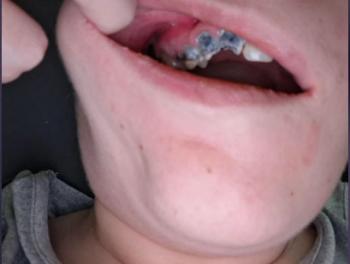
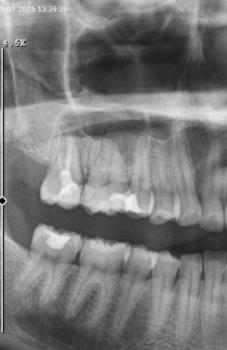
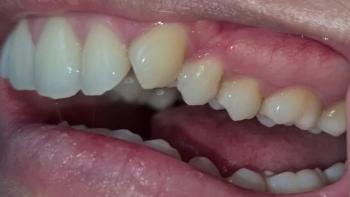
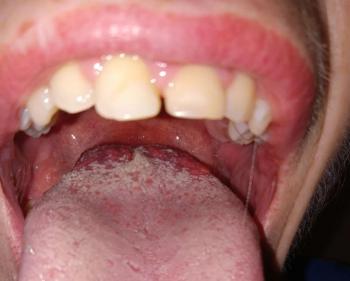
Patients with lower front gum inflammation may also experience tartar buildup, periodontal disease, gum abscesses, or tooth decay. Explore these related clinical case studies.



Other topics:
Other Dental Clinic
 |
 |
 |
 |