Smile Again with Comfort and Confidence.

Expert Dental Guide: Gum Abscess Below the Front Teeth — Causes, Treatment, and Warning Signs
Image:
Severity:
Teeth Problems:
Why a Gum Abscess Near the Front Teeth Needs Attention
A gum abscess below the lower front teeth is a localized collection of pus caused by a bacterial infection. It may appear as a red, swollen bump along the gumline or beneath one or more incisors. Some patients experience throbbing pain, tenderness, an unpleasant taste, or discharge, while others notice swelling before significant pain develops.
The appearance alone cannot establish the exact diagnosis. A dentist must determine whether the infection originates in the gum tissue, a periodontal pocket, or the root of an infected or damaged tooth.
Because the front teeth are important for speaking, biting, and appearance, early diagnosis can help protect the surrounding gum tissue and supporting bone.
1. What Causes a Gum Abscess Below the Front Teeth?
Several conditions can produce swelling or an abscess in this area.
Periodontal infection: Bacteria accumulate in a deep gum pocket, potentially leading to a periodontal abscess.
Gingival abscess: Food particles, a small foreign object, or an injury may become trapped in the gum tissue and trigger a localized infection.
Infected tooth root: Deep decay, a crack, or previous dental trauma can damage the pulp inside a front tooth. Infection may then develop around the root tip and drain through the gum.
Advanced gum disease: Periodontal disease can damage the tissues and bone supporting the teeth, sometimes allowing an abscess to develop.
Dental trauma: A blow to the mouth may damage a tooth even when no obvious fracture is visible. A previously injured tooth can develop pulp inflammation or infection later.
These conditions may look similar, but they require different treatments. A dental examination, periodontal probing, and appropriate X-rays help identify the source.
2. Warning Signs Patients Should Recognize
Possible symptoms include:
-
Redness and swelling below or around a front tooth.
-
Pain when biting or touching the affected area.
-
A small bump containing pus or a pimple-like opening on the gum.
-
A bad taste or unpleasant odor associated with drainage.
-
Gum tenderness, bleeding, or localized discomfort.
-
Tooth discoloration, looseness, or sensitivity.
-
Swelling extending toward the lip or face.
Not every symptom occurs in every patient. An abscess may also drain spontaneously and temporarily reduce the pressure or pain. However, drainage does not necessarily mean that the infection has resolved.
3. How Dentists Diagnose a Front-Tooth Gum Abscess
A dentist generally evaluates the affected gum and nearby teeth before recommending treatment.
The assessment may include:
-
Visual examination: Checking the swelling, gum color, drainage, tooth condition, and surrounding tissues.
-
Periodontal probing: Measuring gum pockets to assess possible periodontal disease.
-
Pulp testing: Checking whether the affected tooth's nerve tissue responds normally.
-
Dental X-rays: Evaluating the tooth roots and supporting bone for signs of infection or bone loss.
-
Additional assessment when needed: Investigating previous trauma, cracks, restorations, or other possible causes.
A photograph can show visible swelling but cannot reliably reveal the condition of the tooth pulp, root tip, or underlying bone.
4. What Is the Correct Treatment?
Treatment depends on where the infection began and how far it has progressed.
For a localized gingival abscess: The dentist may remove trapped debris, clean the affected area, irrigate the site, and drain the collection when indicated.
For a periodontal abscess: Treatment may involve drainage and cleaning beneath the gumline. Additional periodontal therapy may be necessary if deeper gum disease is present.
For an abscess originating from the tooth root: Root canal treatment may be appropriate if the tooth can be saved. Extraction may be considered when the tooth cannot be predictably restored.
For spreading infection: The dentist may prescribe antibiotics when clinically indicated, alongside treatment to control the source of infection.
Antibiotics alone are not a reliable substitute for drainage or treatment of the infected tooth or gum pocket. They are not required for every localized dental abscess.
5. What Can You Safely Do at Home?
While arranging dental care, patients can take reasonable steps to reduce irritation:
-
Rinse gently with warm salt water and spit it out.
-
Brush carefully with a soft-bristled toothbrush.
-
Eat softer foods and avoid chewing directly on the affected area.
-
Use an appropriate over-the-counter pain reliever according to its label, if safe for the individual.
-
Avoid smoking and avoid irritating the swollen tissue.
Do not squeeze, puncture, or attempt to drain the abscess yourself. Do not place aspirin directly on the gum, and do not take leftover antibiotics or someone else's prescription.
Home care may ease discomfort but cannot reliably eliminate the source of an abscess.
6. When Is a Gum Abscess an Emergency?
Contact a dentist promptly if you suspect an abscess, even if the pain is mild.
Seek emergency medical care immediately if you develop difficulty breathing or swallowing, rapidly spreading facial or neck swelling, swelling around the eye, or significant difficulty opening your mouth. Fever, marked weakness, or worsening swelling can indicate a spreading infection and require urgent assessment.
Do not wait for severe pain before seeking care.
7. A Short Story From the Philippines: A Small Gum Bump Before a Family Celebration
Illustrative fictional story for patient education.
Maria, a 36-year-old office worker in Cebu City, noticed a small red bump below one of her lower front teeth while brushing before work. It was only mildly tender, so she assumed that hard food had irritated her gum.
Over the next two days, the swelling became more noticeable. One morning, she tasted something unpleasant in her mouth and noticed a little fluid coming from the bump. Because she had a family celebration that weekend, she considered waiting until afterward to visit a dentist.
Her sister encouraged her to book an appointment instead. At the clinic, the dentist examined the gum, tested the nearby teeth, and took an X-ray to investigate the source of the infection. The examination helped determine which treatment was appropriate.
Maria learned that a small gum swelling can have a deeper cause even when the tooth looks relatively normal. She followed the dentist's treatment instructions and returned for follow-up care.
Her experience taught her an important lesson: a visible gum bump is not something to judge by size or pain alone. Prompt dental assessment can help prevent complications and protect the health of the front teeth.
This story is fictional and does not represent an actual patient case or guarantee a particular treatment outcome.
8. Frequently Asked Questions About Gum Abscesses Below Front Teeth
Q1. Can a gum abscess below the front teeth go away on its own?
An abscess may drain and become less painful, but the underlying infection can remain. Professional assessment and treatment are needed to address its cause.
Q2. Is a gum abscess always caused by poor oral hygiene?
No. Plaque buildup and gum disease can contribute, but trauma, trapped debris, a damaged tooth, and infection around a tooth root can also cause an abscess.
Q3. Can a front-tooth abscess occur without pain?
Yes. Some infections produce only localized swelling, a draining gum bump, or mild discomfort. Lack of pain does not rule out a significant infection.
Q4. Will antibiotics cure a gum abscess?
Not necessarily. Many localized abscesses require dental treatment such as drainage, periodontal cleaning, or treatment of the infected tooth. Antibiotics are reserved for situations in which a dentist determines they are indicated.
Q5. Can a gum abscess damage the front teeth?
An untreated infection can damage supporting gum tissue and bone or compromise the affected tooth, depending on its source and severity. Early treatment improves the opportunity to prevent further damage.
Q6. How long does a gum abscess take to heal?
Healing depends on the infection's cause, severity, and treatment. Symptoms may improve after appropriate care, but there is no single healing timeline that applies to every patient. Follow-up is important if swelling or pain persists or returns.
Q7. Is it safe to pop a gum abscess at home?
No. Puncturing or squeezing the swelling can injure the tissue and does not reliably remove the source of infection. A dentist should assess and manage the abscess.
Q8. Can a gum abscess return after treatment?
Yes. An abscess may recur if its underlying cause remains untreated. For example, a tooth-root infection may require root canal treatment or extraction, while a periodontal abscess may require ongoing gum treatment.
Q9. Can I brush my teeth when my gums are swollen?
Usually, yes. Continue gentle brushing with a soft toothbrush, taking care not to injure the affected area. Avoid aggressive scrubbing or attempting to remove the swelling yourself.
Q10. When should I see a dentist in the Philippines?
Arrange prompt dental care as soon as you suspect an abscess. If you develop breathing or swallowing difficulty, rapidly spreading swelling, or other severe warning signs, seek emergency medical care immediately rather than waiting for a routine appointment.
Final Expert Guidance
A gum abscess below the front teeth can originate in the gum tissue, a periodontal pocket, or an infected tooth root. Although these conditions can appear similar, the correct treatment depends on identifying the underlying source.
Do not rely on pain relief, salt-water rinses, or spontaneous drainage as proof that the infection has cleared. Prompt dental assessment, appropriate treatment, and follow-up offer the best approach to protecting the teeth, gums, and supporting bone.
Medical disclaimer: This educational article does not replace an in-person dental examination or individualized treatment advice. Diagnosis and treatment should be provided by a qualified dental professional.
Gum Abscess Below Front Teeth Case Analysis and Treatment Guide
What Is Seen in This Case
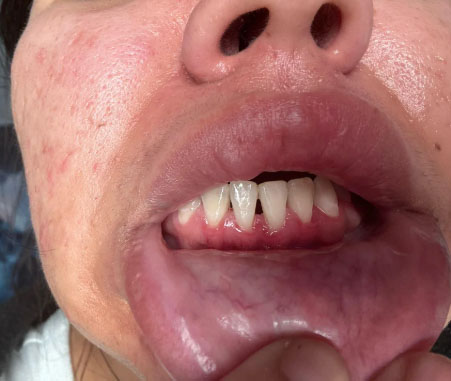
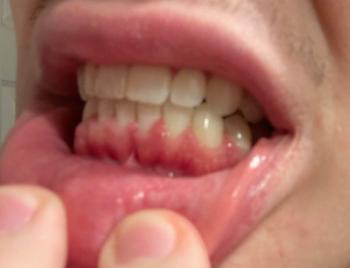
The image shows a swollen, red area on the lower front gum, directly beneath the front teeth. The tissue looks inflamed and tender, with signs consistent with a localized gum abscess. The lips are pulled down to expose the affected area, making the swelling clearly visible.
This appearance suggests active infection trapped within the gum tissue.
Most Likely Diagnosis
Based on visual examination, the most likely conditions include:
-
Gum abscess (periodontal abscess)
-
Localized bacterial infection under the gum
-
Inflammation due to trapped plaque or debris
-
Possible infection spreading from a tooth or gum pocket
A dental examination and X-ray are needed to identify the source of infection.
What Causes a Gum Abscess in Front Teeth
Common causes include:
-
Poor oral hygiene allowing bacteria to build up
-
Food or debris trapped under the gumline
-
Untreated gum disease
-
Trauma to the gum tissue
-
Infection spreading from a cracked or decayed tooth
Front teeth abscesses are often noticed early because they are visible and painful.
Is This a Serious Problem
Yes. A gum abscess is an active infection. If left untreated, it may scale up into:
-
Increased pain and swelling
-
Pus discharge
-
Gum tissue damage
-
Tooth loosening
-
Infection spreading to jawbone
-
Facial swelling or fever
Prompt treatment is important to stop the infection from spreading.
Recommended Treatment Process
Initial Assessment (Days 1–3)
-
Dental examination
-
Dental X-ray to locate infection source
-
Assessment of gum pockets and nearby teeth
Active Treatment Phase (Days 4–7)
Treatment may include:
-
Drainage of the abscess
-
Deep cleaning (scaling and root planing)
-
Treatment of the infected tooth if involved
-
Antibiotics if infection is spreading
Healing and Follow-Up Phase (Days 8–14)
-
Swelling should reduce
-
Pain should significantly improve
-
Gum tissue begins to heal
Further treatment may be planned to prevent recurrence.
Expected Healing Time
-
Initial pain relief: 2–4 days after treatment
-
Gum healing: 7–14 days
-
Full stabilization depends on infection severity
What Happens If Treatment Is Delayed
If delayed beyond 14 days, the condition may worsen and cause:
-
Larger abscess formation
-
Bone loss around front teeth
-
Tooth mobility or loss
-
Spread of infection to face or neck
-
Emergency dental or medical care
Early treatment avoids complications.
Home Care While Waiting for Treatment
These steps may help reduce discomfort but do not cure infection:
-
Rinse gently with warm salt water
-
Avoid pressing or popping the swelling
-
Brush gently around the area
-
Avoid sugary foods
Seek dental care as soon as possible.
Professional Comment
This case shows a gum abscess beneath the front teeth, a clear sign of localized infection. Early dental intervention is essential to protect the teeth, gums, and surrounding bone.
Visit a Dental Clinic Near You
For prompt abscess treatment and professional care, visit:
https://cebudentalimplants.com/map-dental-clinic
Related Clinical Cases
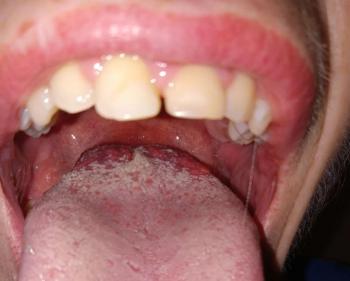
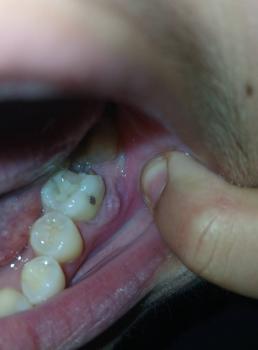
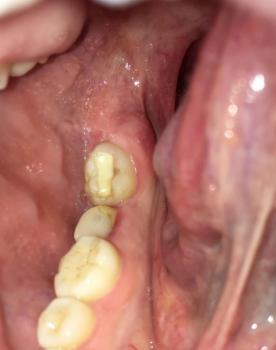
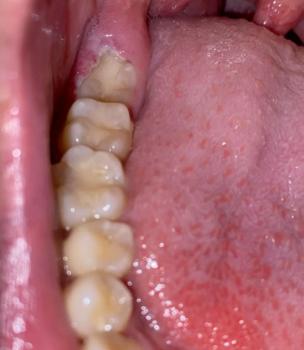
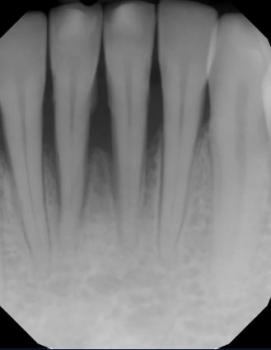
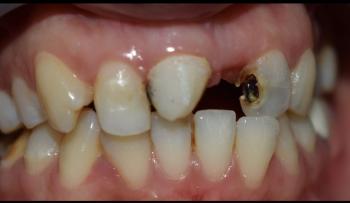
Patients with lower front gum inflammation may also experience tartar buildup, periodontal disease, gum abscesses, or tooth decay. Explore these related clinical case studies.

Other topics:
Other Dental Clinic
 |
 |
 |
 |