Topics

Aging & Dental Health: Why Filipinos Often Need Crowns by Age 50

Why Do Many Filipinos Need Crowns and Bridges at Age 50?(English, Cebuano, Tagalog )

ENGLISH 

Why at Age 50 Do Most Filipinos Use Crowns and Bridges?

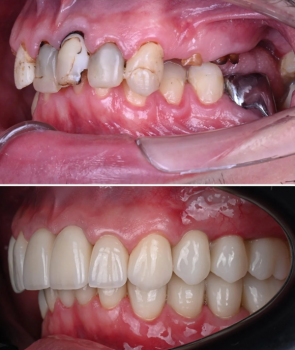
By the time many Filipinos reach 50, they often require dental crowns and bridges. But why is this common?

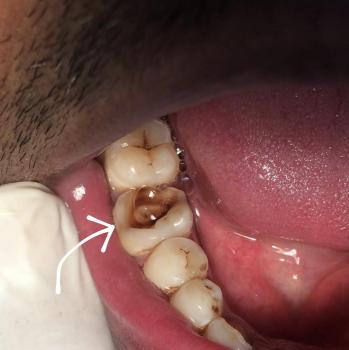
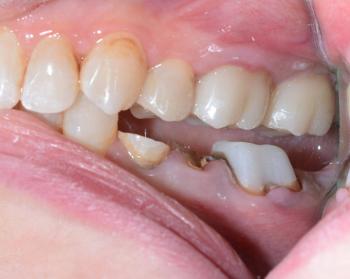
  1. Tooth Decay and Wear – Years of chewing, grinding, and exposure to acidic foods weaken teeth.

What if You Could Regrow a Lost Tooth? The Future of Dentistry is Here

Forget Implants: The Future of Dentistry is Regrowing Your Teeth

For centuries, the core principle of dentistry has been repair and replacement. A cavity? Fill it. A broken tooth? Crown it. A lost tooth? Bridge it or implant a metal post into your jawbone.

But what if we could change the very nature of dentistry? What if, instead of replacing what's lost, we could regrow it?

Tyreek Hill's two-word message: Be Confident and keep winning

Sa dental world, ang smile ay napaka-importantee sa confidence. Kapag maganda ang ngiti mo, mas lumalabas ang kumpiyansa sa sarili. Hindi lang ito tungkol sa hitsura—it's about how you feel insidez. Sabi nga nila, a great smilez opens doors, kaya importante na maalagaan natin ang ating mga ngipin. If you feel good about your smile, mas madali kang makikipag-usap at haharap sa ibang tao with confidence.

The Silent Killer in Your Mouth: How Gum Disease Leads to Stroke and How to Stop It

The Silent Alarm in Your Mouth: How Your Teeth Predict Your Risk of Stroke

Meta Description: Did you know every missing tooth could be raising your stroke risk? Discover the shocking link between Filipino oral health and life-threatening diseases, and what you can do today to protect yourself.

(Image: A powerful contrasting image—one side shows a healthy, smiling Filipino family; the other side shows a medical scene related to stroke recovery.)

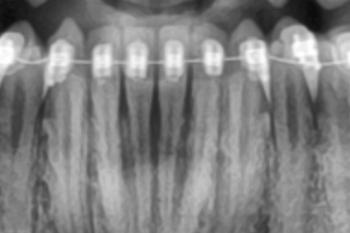
Panoramic X-Ray for Dental Implants in Cebu | Best Dental Imaging Clinic

For your assessment... u need 2implants upper left n right. lower u need 4 ...2 n d left.side. 2 n d right..side per implant we charge 70k... We dont do immediate implant for it might fail ...ur investment might be useless but we can give u temporary crowns. we need a week or two..... 

The End of Fillings? How Korea’s Tooth-Regenering Patch & AI Will Reshape Philippine Dentistry

A New Era for Filipino Smiles: No Drill, No Fill, Just Heal

Imagine walking into a dental clinic with a cavity and walking out with your own tooth already healing itself—no drilling, no numbness, no filling. For millions of Filipinos, especially those in rural and underserved communities, this could soon be a reality.

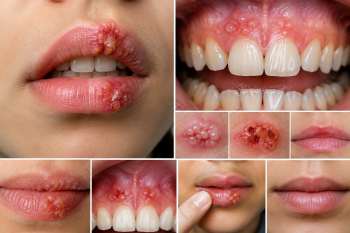
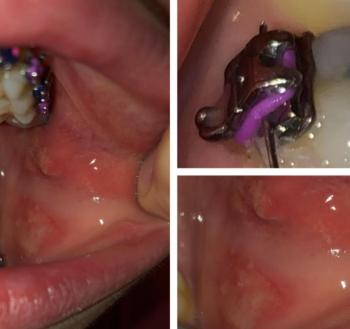
Oral Papilloma: Symptoms and Treatment in the Philippines | Tony's Story

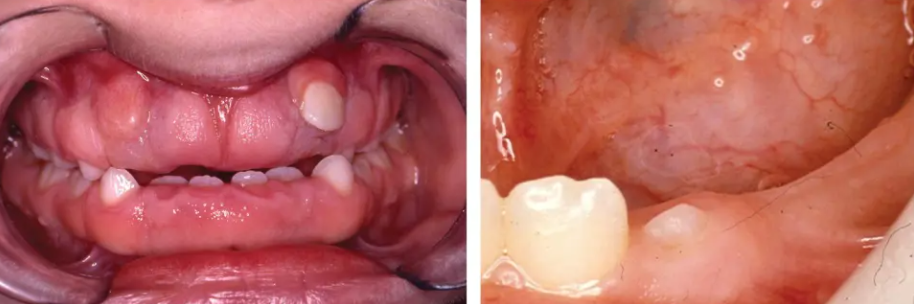
More Than Just a Festive Ouch: When a Bitten Tongue in Manila Leads to a Dental Discovery

The Philippines is a country of vibrant, heart-pounding celebrations. From the rhythmic dancing of the Ati-Atihan to the flower-filled spectacle of Flores de Mayo, our fiestas are a feast for the senses. But sometimes, amidst the joy and chaos, a simple accident can lead to an unexpected health wake-up call.

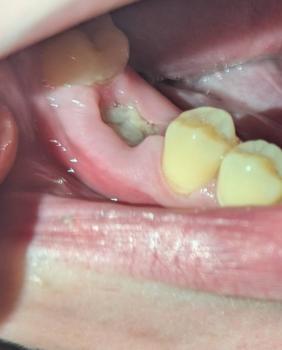
The Wobbly Bridge Wake-Up Call: Why Davao Families Can't Afford to Skip Dental Visits

The Silent Shift: How Skipping Dental Visits Leads to Costly Bridge Failure in Davao

In the bustling city of Davao, where family and hard work are paramount, a dental check-up is often the first thing to be cut from a tight budget. For the low-income family, it's a choice between a week's worth of groceries and a dental cleaning. For the middle-class family, it's an expense that can be postponed. But this postponement has a silent, cumulative cost, one that often reveals itself in the failure of something meant to be permanent, like a dental bridge.

Dental Implants: The Dark Secrets Your Dentist Won’t Tell You (Until It’s Too Late)

The Hidden Truth About Dental Implants: What Your Dentist Isn’t Telling You

Dental implants are often marketed as the perfect solution for missing teeth—a permanent, natural-looking fix that restores your smile. But behind the glossy brochures and confident dentist assurances, there are dark, unspoken realities that many patients discover too late.

Pages